Navigation
Part 1. Concept Part 2. Clay Tablet: Text as Material Trace Part 3. Papyrus Scroll: Text as Continuity Part 4. Wax Tablet: Transition to Bound Pages Part 5. Parchment Codex: Text as a System of Pages Part 6. Conclusion Part 7. Bibliography and Image Sources
Part 1. Concept
The book is one of the few cultural objects that has maintained its core function throughout millennia: transmitting knowledge and experience from one person to another. Yet, its external appearance has changed countless times. In Mesopotamia, text was pressed into soft clay; in Egypt, it was inscribed onto long sheets of papyrus, and later, it began to be recorded on individual parchment leaves bound together in a cover.
These transformations cannot be attributed solely to technical progress. Each new form organized the text in its own way and dictated a specific manner of reading. Therefore, the history of the book is interesting not only as the history of an object but also as a history of human perception.
This very circumstance formed the basis for selecting this topic. Why did some knowledge get recorded on small clay surfaces, others unfurled onto long scrolls, and third parties gathered into bound pages? How did the physical structure of the book influence the ability to read, memorize, compare, and transmit information?
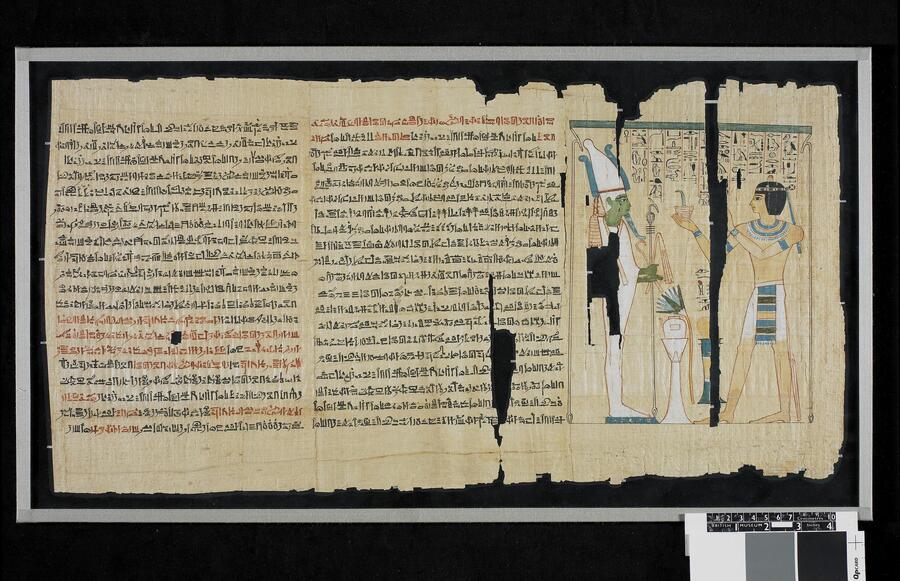
The Book of the Dead of the Priest Hor, Imhotep
Relevance of the Research
Today, a book is perceived as a commonplace object whose structure seems almost inherent. We open it, turn the pages, return to what we have read, and can view multiple sections of text simultaneously. However, this reading method did not develop overnight. In antiquity, humans encountered entirely different forms of organizing written information. A tablet limited text to a small surface, a scroll demanded sequential unfolding, and a codex allowed reference to individual pages and the comparison of distant passages. Studying these differences helps us understand that the familiar form of the book itself is the result of extensive historical development.
The goal of this research is to trace how changes in the material and structural form of the book influenced the organization of written text and the ways readers interacted with it.
Part 2. The Clay Tablet—Text as a Material Trace
The hypothesis is that the book’s form is not a neutral container for pre-existing text. Instead, it acts as an active participant in meaning-making because it dictates how written information is organized and how a person interacts with it.
The material and construction of the medium influence how the text is spatially arranged, how the reader navigates between its parts, whether they can quickly return to a specific location, and whether they can synthesize individual fragments.
Changes in book form can be understood as changes in the very experience of reading. The transition from the tablet to the scroll, and subsequently to the codex, signifies not merely the emergence of new materials but the gradual formation of new ways of engaging with knowledge.
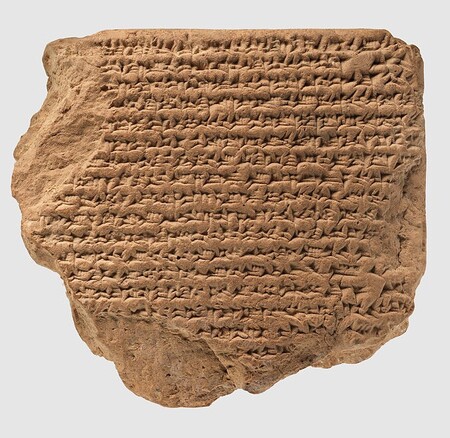
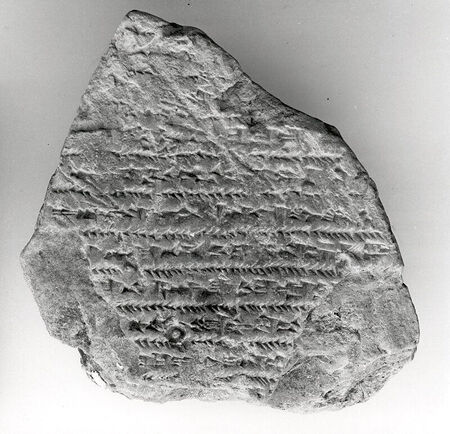
Cuneiform Tablet: Explanatory Commentary on a List of Medicinal Plants. c. 1st millennium BCE / Cuneiform Tablet: School Exercise Tablet c. 1st millennium BCE
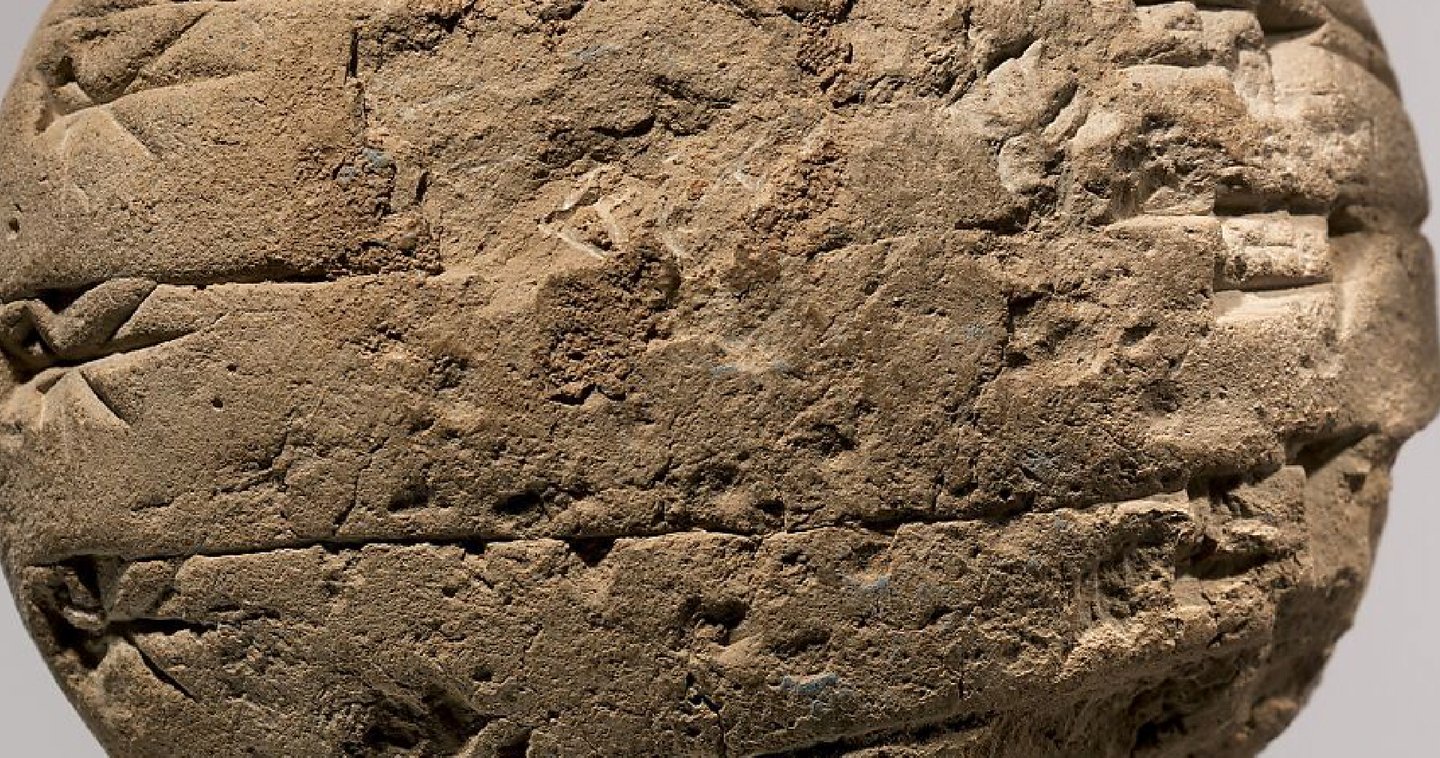
The clay determined not only the durability of the tablet but also the nature of the script. Initially, the scribe prepared a small slab, shaping it to the required form. Then, using a pointed reed stylus, he pressed the signs into the surface of the soft material. After drying, the tablet became hard enough to preserve the inscription. Some documents were additionally fired, which gave them greater resistance to external forces.
Clay tablet of the proto-cuneiform type, Uruk III phase, c. 3200–3000 BCE.
Clay tablets did not adhere to a single standard. Their size and outline depended on the document’s purpose. Small plaques could be used for brief administrative records, whereas more substantial texts required a larger surface area. Some educational tablets were so small they fit in the palm of a hand.
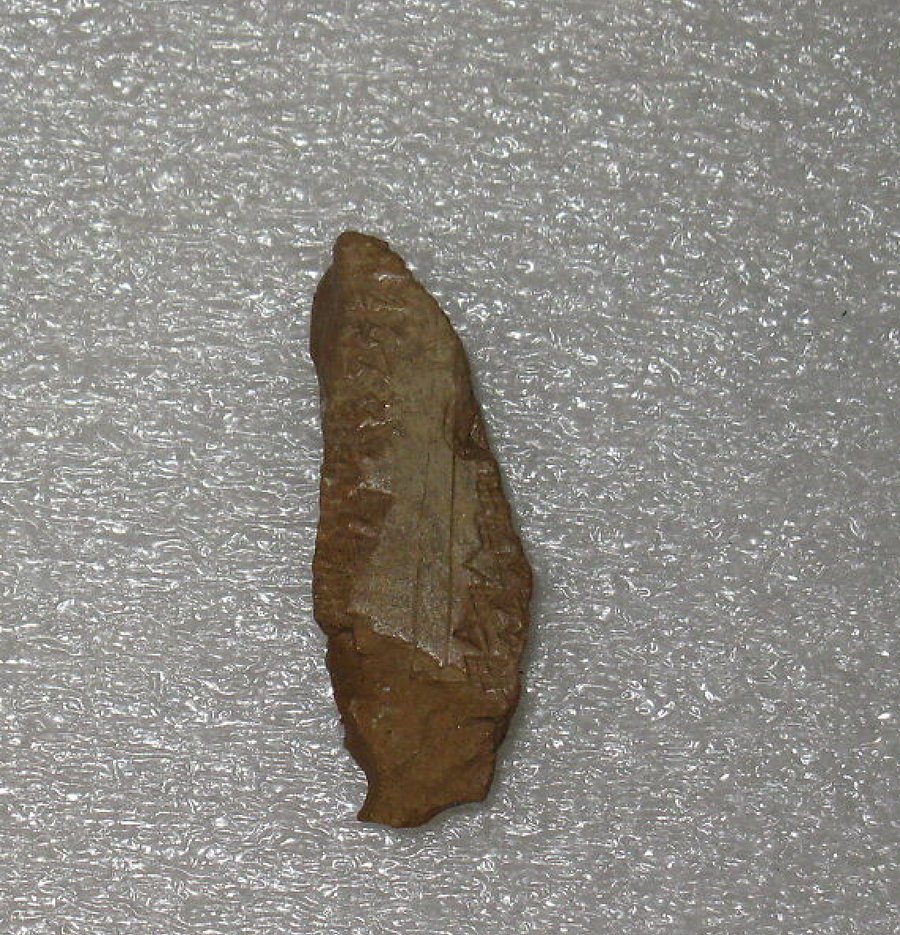
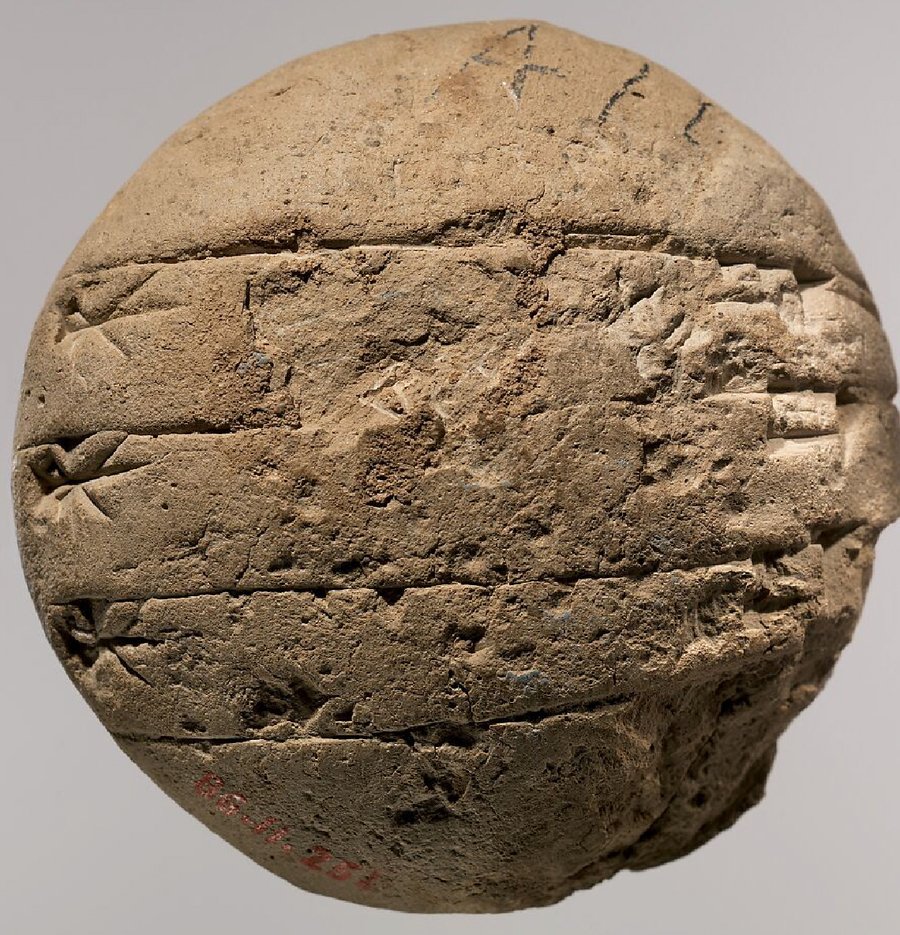
Cuneiform Tablet: Practice Tablet for Students, c. 2000–1600 BCE / Cuneiform Tablet: Fragment of a Table Containing Numbers, c. late 1st millennium BCE.
As trade, administration, and literary culture developed, there arose a need for lighter and more durable writing materials. While the clay tablet remained convenient for certain tasks, other materials offered more possibilities for long texts and documents that needed to be transported. Papyrus became one of these materials.
Cuneiform Tablets of Ur III, 2112–2004 BCE
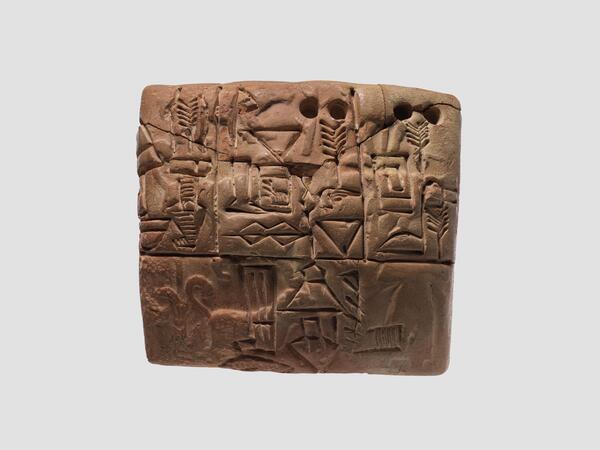
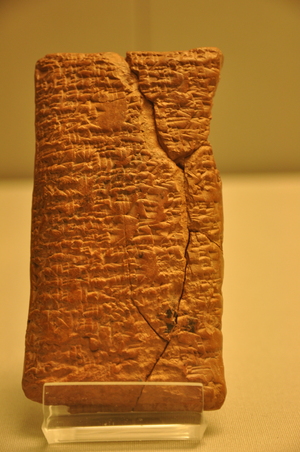
Cuneiform Tablet. c. 3100–2900 BCE / Proto-cuneiform Tablet with Seal Impressions c. 1750 BCE
Part 3. Papyrus Scroll, Text as Extension
In ancient Egypt, papyrus became the most important writing material, crafted from the eponymous aquatic plant. Its stems were processed, cut into strips, layered, and pressed. After drying, a light surface was obtained, suitable for applying text with ink. Unlike clay, papyrus was flexible and lightweight. It allowed for the creation of extended writing surfaces that could be connected. This specific property formed the basis for the spread of the scroll.
Papyrus «Book of the Dead, ” 664–30 BCE
The scribe used reeds or brushes, ink, and a palette. The palette might have contained indentations for black and red pigment. Red was used to highlight headings, sections, and individual parts of the text.
Palette and brushes of the Pictish period, 664–332 BCE
Egyptian papyri feature illustrations rendered with outlines and colored pigments. Figures of gods and the deceased, ritual objects, and symbols are situated alongside text columns. Color helps distinguish individual elements of the composition and differentiates characters.
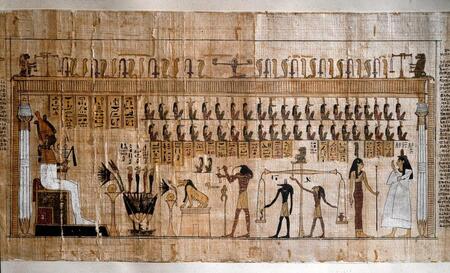
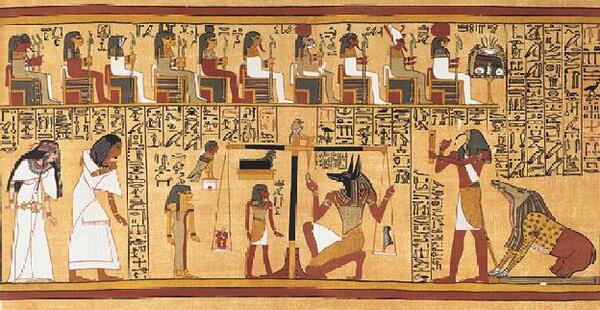
Papyrus from the Book of the Dead. Egyptian Museum. / Book of the Dead, c. 1200 BCE.
Using the scroll required specific physical actions. The reader held it in their hands, unfurling one section while simultaneously rolling up the other. As reading progressed, the next segment of text would reveal itself. This interaction method created a strong sense of sequential flow. To move to the next piece of content, the user had to physically traverse the surface. Returning to previously read material also necessitated extra effort—re-unfurling and locating the desired spot.
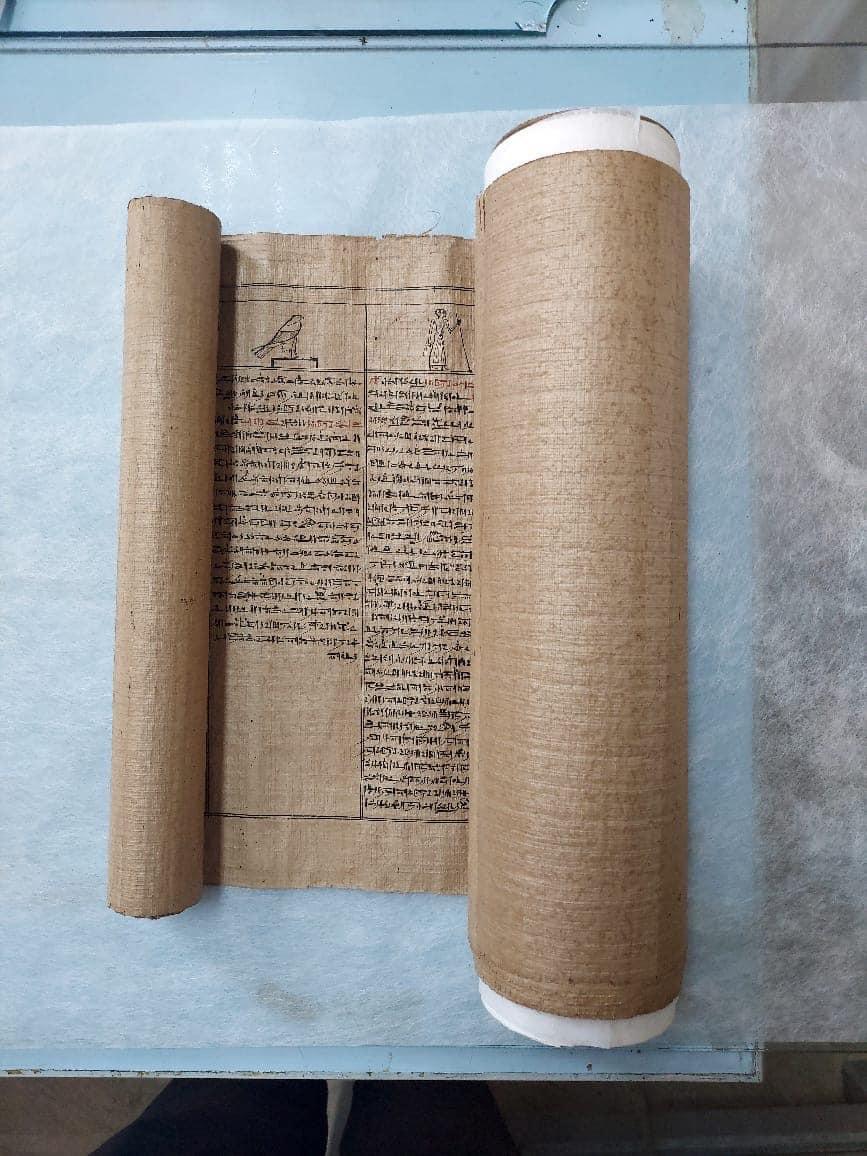
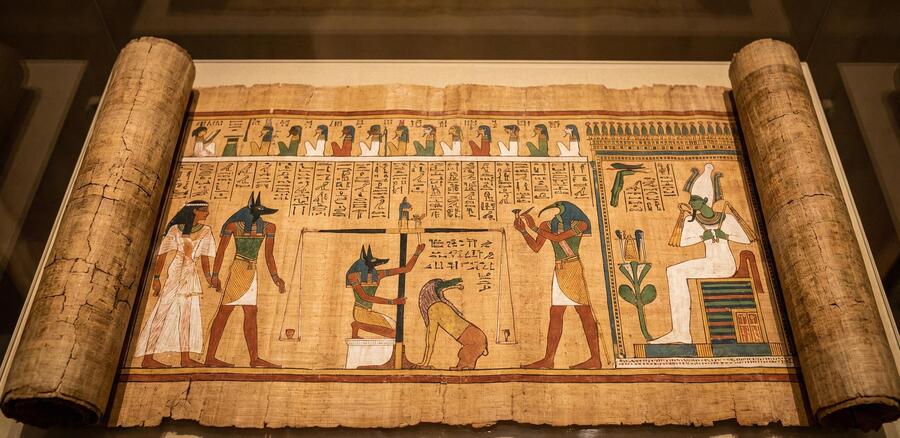
Book of the Dead, 1550 BCE / Papyrus from the Sarcophagus of Ahmose, c. 300 BCE
Papyrus fragment of Amenhotep, c. 1427–1386 BCE.
The papyrus of the Book of the Dead of the priest Imhotep of Horus, dating from the early Ptolemaic period, is particularly illustrative. It measures about 21.9 meters in length. The text is divided into 182 columns, with a sequence of images running along the top. This artifact demonstrates the complexity of the scroll’s organization.