«I truly believe in empty spaces… Empty space is never wasted.» [1]
Andy Warhol ©
Categories
Concept
1. Absence of action and duration
2. Absence of image
3. Emptiness as a state of space and liminal existence
Conclusion
Concept
Contemporary screen culture operates amid relentless acceleration. Rapid editing, short-form video formats, visual overload, and a continuous flow of content are shaping a new mode of audience perception, while also fostering a culture of «clip thinking"—where viewer attention is sustained by constant motion, high visual energy, and the uninterrupted shift of imagery. Video is increasingly becoming a vehicle for rapid dopamine release, and viewing time is shrinking dramatically. Consequently, modern screen culture is fundamentally oriented toward speed, editing saturation, and the persistent capture of viewer attention.
However, running parallel to this, an opposing trend is developing in art. Some artists and directors deliberately slow down the imagery, eliminate action, and introduce emptiness and duration into their work. Video art and slow cinema of the latter half of the 20th—early 21st century form an alternative model of viewer interaction with the screen work, where the development of the plot and flashy special effects become less important than the experience of time and the perception process itself.
In my research, I examine emptiness not as an absence of content, but as an autonomous artistic device capable of intensifying the depth of the viewer’s perception. The lack of action, the stillness of the image, and the monotony of the visual sequence shift the viewer’s attention from the narrative to the process of contemplation and the perception of time itself. This is precisely why the research focuses particularly on liminality and temporality within the screen image, and the distinction between the objective duration of the work and the viewer’s subjective experience of time. In this context, emptiness becomes a space for internal reflection and introspection, allowing the viewer to move beyond the accustomed mode of image consumption and attend to their own sensations, state, and the passage of time.
The central question of this research is how the absence of action, image, or dramatic development affects the viewer’s perception in video art and slow cinema.
This study examines both video artists and directors of slow and experimental cinema because it is at the intersection of these practices that the contemporary understanding of void, duration, and absence has been formed. Despite the difference in mediums, the artists are unified by an interest in altering the viewer’s perception of time and re-evaluating the role of the image. While traditional cinema seeks to hold the viewer’s attention through action, editing, and dramatic development, video art and slow cinema often operate in opposition, intentionally disrupting the conventional rhythm of viewing.
1. Inaction and Duration
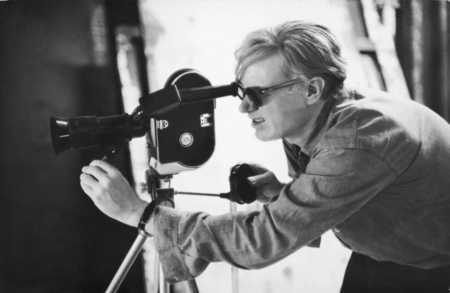
ANDY WARHOL — «DREAM, ” „EMPIRE“
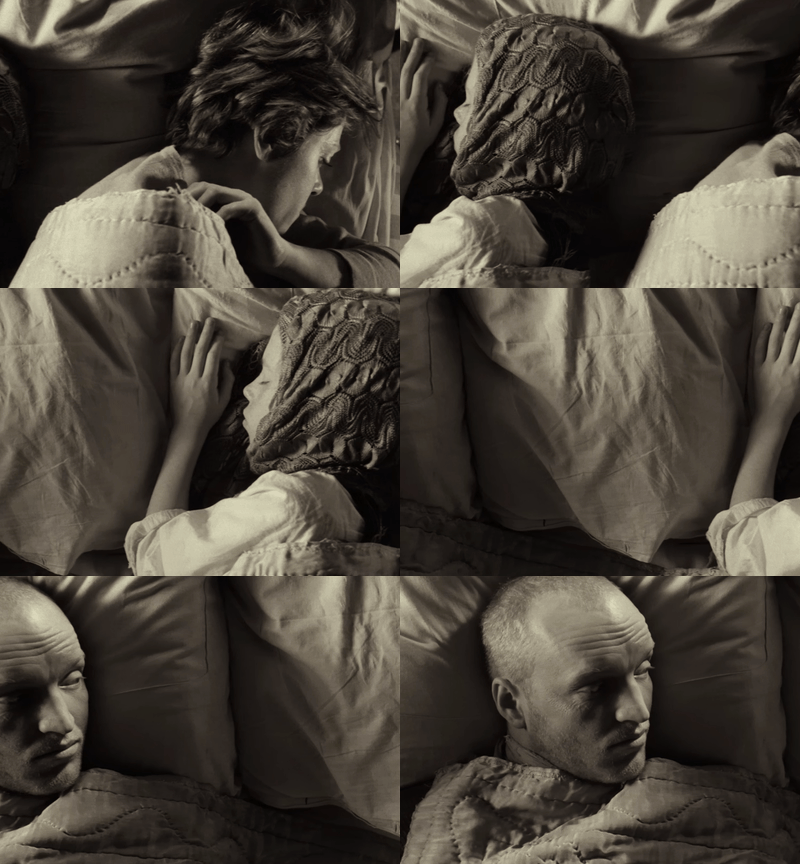
Warhol was interested in what happens when nothing is happening—how to create a piece with a moving image, but without action; how to extract all the unnecessary clutter from the frame. He said that when you watch a film in a cinema or even on television, it’s impossible to break away, even to make a sandwich, without missing anything. With his films, you could prepare a full meal and be certain that you would return to the exact moment you paused. [2]
The artist intentionally removes dramatic tension, montage expressiveness, and the conventional development of the plot from the frame, literally transforming duration and observation into the central element of the work.
This approach is evident in the works of Son and Empire. In the first case, the viewer observes a sleeping person for over five hours; in the second, they gaze at an image of the Empire State Building for over eight hours. These works challenge the viewer’s typical expectations of cinema as a space of continuous action and development. Warhol stretches screen time, extending it to a near-physically palpable duration, bringing the runtime of the cinematic piece as close as possible to the actual duration of the events it captures.
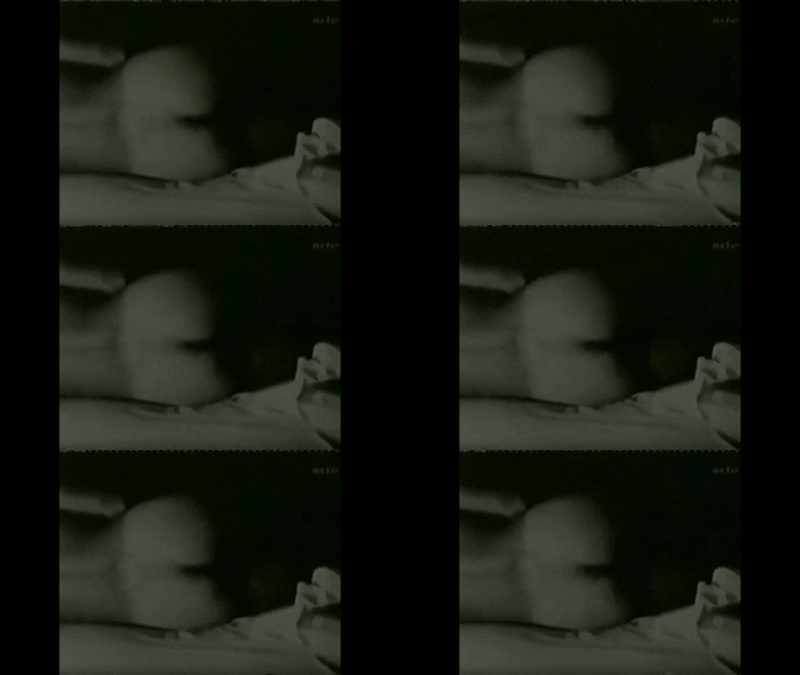
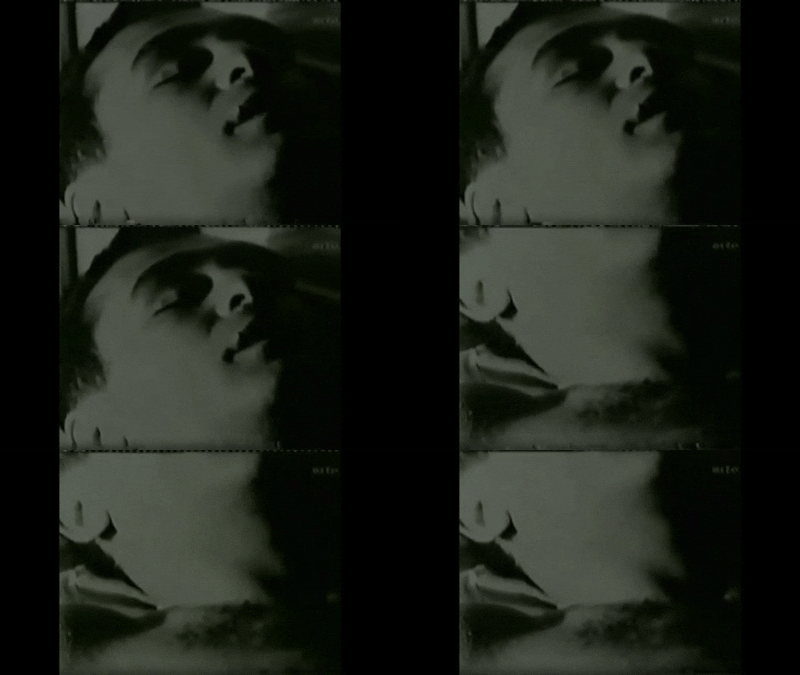
«Sleep» (1963) by Andy Warhol
«Empire» (Empire, 1964) by Andy Warhol
However, Warhol’s absence of an event does not signify an absence of artistic content. On the contrary, minimizing action changes the very principle of viewer perception. In the context of a nearly static image, attention begins to shift to other aspects: the passage of time, the texture of the frame, the flickering lights in the windows of buildings, and the viewer’s own state while watching. The artist captures the moment as it is, refusing montage or any intervention during the event. This generates a distinct sense of rawness, honesty, and intimacy in the image—one not hidden behind edits or dramatic emphasis. Duration ceases to be a supporting narrative element and becomes an autonomous object of perception.
TSAI MINLIAN — «DRAGON’S SHELTER»
One of the key characteristics of the film Dragon’s Refuge is the near-total absence of action. Cai Mingliang deliberately slows down the narrative development, focusing the viewer’s attention not on the plot, but on the state of the space. From the very first shots, the film seems to pull the viewer out of the familiar rhythm of time, placing them in the semi-empty space of an old movie theater, cut off from the outside world.
Long, static shots play a crucial role in the film. The camera lingers on empty halls, corridors, and passageways of the cinema, creating a sense of vanishing space and a passing era. The cinema itself gradually transforms from being merely a setting into a space through which the director reveals the deep psychological landscape of the age, reflecting the complex experiences of an entire generation—feelings of loneliness, the loss of familiar cultural touchstones, and the disappearance of forms of collective memory and experience.
«Dragon’s Shelter» (2003) Cai Minglian
— Teacher, did you come to watch the film? — I haven’t seen movies in so long. — Now nobody goes to movie theaters… and nobody remembers us anymore. [3]
One of the few phrases uttered in the film takes on particular significance. Throughout the movie, Cai Minglian deliberately avoids dialogue, so every spoken word registers as a meaningful event. This phrase becomes the key to understanding the film, highlighting its central theme—the fading of memory.
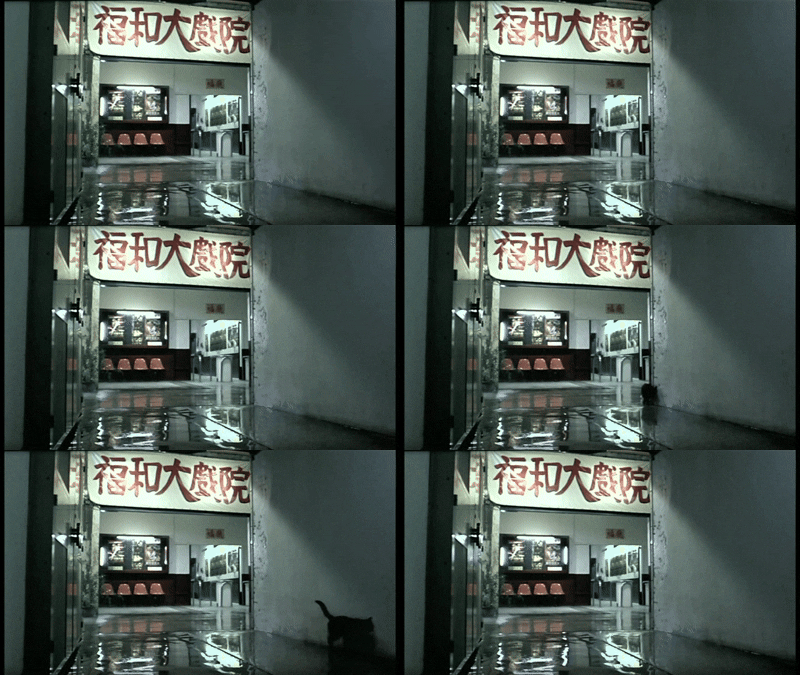
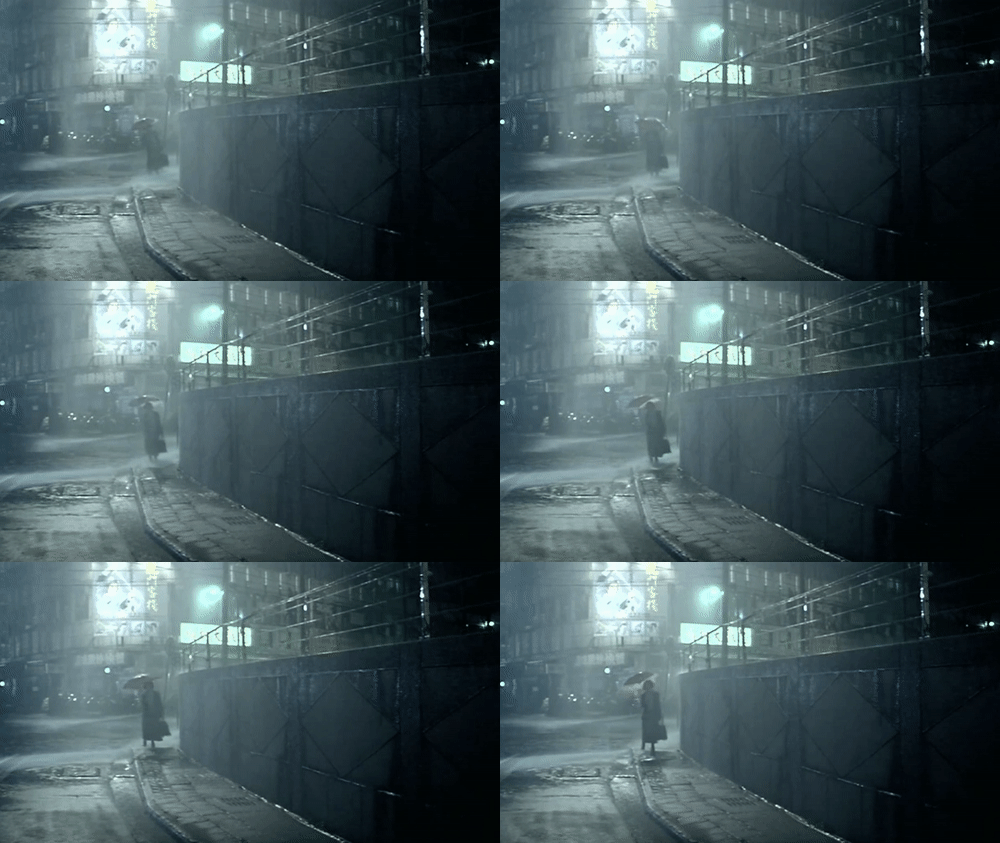
«Dragon’s Refuge» (2003) Cai Minglian
TARKOVSKY — «STALKER»
In Andrei Tarkovsky’s cinema, the absence of a shot is not merely a technical device, but a method for philosophically contemplating reality. In the film Stalker, it loses its narrative function: the sequence of events recedes into the background, giving the viewer a space for contemplation.
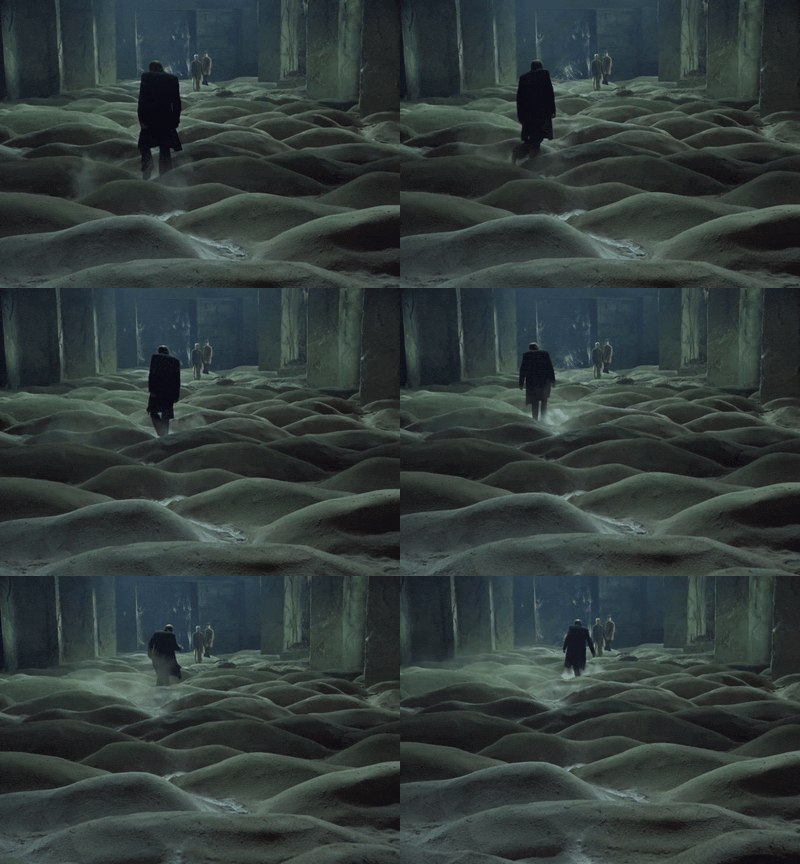
Stalker (1979) Andrei Tarkovsky
For Tarkovsky, the crucial element was not so much depicting the characters within the Zone as exploring the internal turmoil unfolding in their souls. In this context, the long take serves as a means to investigate fundamental questions of human existence, establishing a space where the existential touches the eternal. The establishing shot plays a vital role here. The long take allows Tarkovsky to delineate the action space while simultaneously engaging the viewer’s imagination. Thus, a fundamentally new type of shot is born—one that deforms, much like the Zone itself, transforming into a living space of participation. In this way, the viewer gains the freedom to autonomously select objects for focus. This technique further involves them in the events, making the Zone’s space almost tangible.
This approach creates a multilayered and non-linear narrative. The prolonged action and static shots disorient the viewer, compelling them to perceive space and time in a particular way—a sensation akin to wandering through a labyrinth, where the person is either searching for something within its depths or struggling to escape.
A cinematic reality emerges that does not adhere to the familiar laws of the physical world: the Zone is presented as an alternate world governed by its own temporal and spatial rules. It is precisely the empty and detached frame that makes the interpenetration of the real and the unreal possible, convincing the viewer of the Zone’s existence and rendering it plausible within the frame.