Joseph is a significant and multifaceted figure in biblical history. His fate is intertwined with betrayal, solitude, moral trials, injustice, the acquisition of power, and forgiveness. But why have artists across different eras so frequently turned to his story? What exactly did they wish to convey through the image of Joseph, and why does he remain so compelling for study?
The story of Joseph is not merely a biblical narrative, but a chronicle of human experience. It unfolds feelings familiar to everyone: fear, pain, resentment, doubt, internal struggle, compassion, and forgiveness. Joseph endures various life trials, and each one transforms his status and inner state. Through his figure, we can see how a person navigates the betrayal of loved ones, makes moral choices, confronts injustice, and finds the strength to forgive.
Artists from different eras perceived Joseph in various ways: some depicted him as helpless and lonely, others as steadfast and righteous, struggling with inner conflict, or possessing authority and mercy. This is precisely why his image remains so compelling to study—one story allows us to see diverse perceptions of the human condition, human emotions, and human actions.
principle of visual research categorization
The visual study is divided into three sections, each dedicated to a distinct, significant period in Joseph’s life. The work examines not only the development of the biblical narrative but also the hero’s emotional state during various moments of his life.
The first section focuses on Joseph’s sale by his brothers. This explores themes of betrayal, loneliness, fear, and helplessness.
The second section is dedicated to Joseph’s story and Potiphar’s wife. The focus here is on temptation, internal resistance, moral fortitude, and enduring an unjust accusation.
The third section addresses Joseph’s reunion with his brothers and the act of forgiveness. It reveals resentment, compassion, mercy, and the emotional reunification of the family.
All three sections are interconnected, illustrating the transformation of Joseph’s emotional persona—from a man rendered helpless by betrayal to one capable of making autonomous decisions and offering forgiveness.
principle of material selection for visual research
For the visual study, artworks by artists from different eras depicting key events in Joseph’s life were selected. The collection includes works by various authors, allowing for a comparison of how the same biblical figure was perceived and rendered across different times. The selection process took into account the degree to which each piece reveals Joseph’s emotional state and helps to understand his experiences.
principle of selecting and analyzing textual sources
When studying the topic of visually exploring the emotional states of a biblical hero, materials related to the biblical story of Joseph and its representation in art were utilized. The primary sources included academic articles, materials on individual works, and video content dedicated to the artists and the history of Joseph.In analyzing these sources, particular attention was paid to Joseph’s story. This allowed for a deeper understanding of what Joseph experienced—what emotions he felt and what states he was in.
SALE OF IOSIF BY THE BRATYUM FAMILY
This episode explores the theme of betrayal by those closest to us. The primary emotional states explored are loneliness, fear, helplessness, and despair. The focus is on methods of depicting a person who finds themselves in a situation they cannot control, and their reactions to betrayal.
In these works, Joseph does not yet understand why his brothers treated him that way. He looks at them with surprise and bewilderment, trying to process what is happening.
[1] THE BROTHERS SELL IOSIFAS INTO SLAVERY THEATRUM BIBLICUM
[2] Jacob’s Children Sell Their Brother Joseph Flavitsky Konstantin Dmitrievich
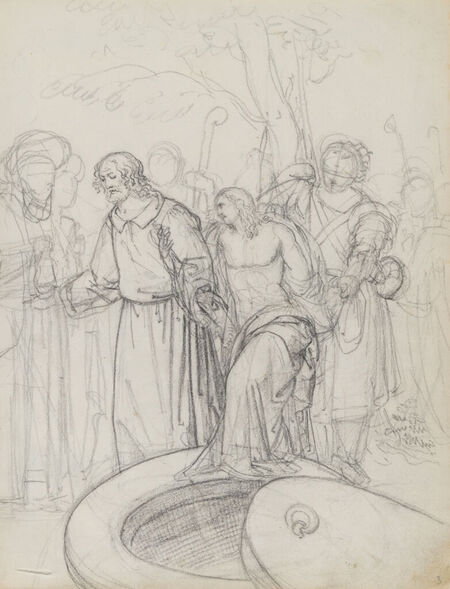
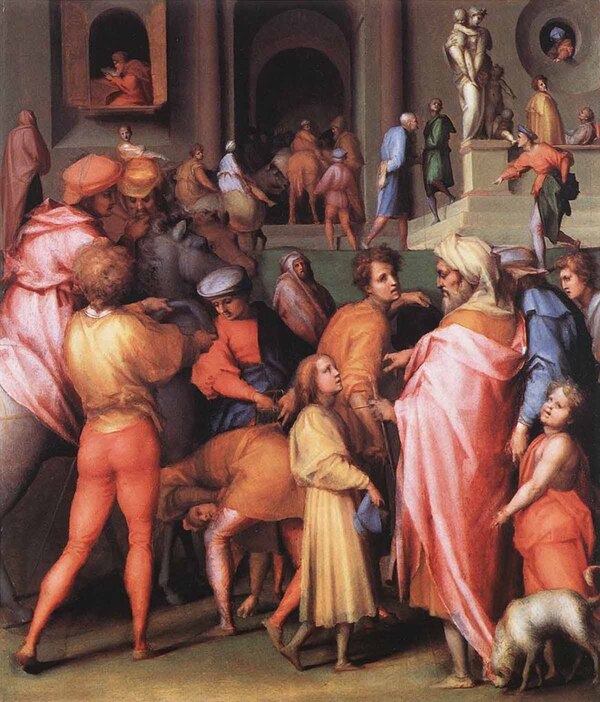
[3] Joseph Sold by His Brothers Kiprinsky Orest; [4] «Joseph Sold into Potiphar’s House» Jacopo Pontormo
It is hard for him to believe that his own family has betrayed him. He doesn’t understand why everything is happening to him and seeks answers from his brothers.
After Joseph, he seems to ask himself, «What did I do wrong?» He tries to understand why he deserves such treatment from his brothers. It hurts him that those close to him have turned away. His image conveys resentment, confusion, and a desire to find the reason for what happened.
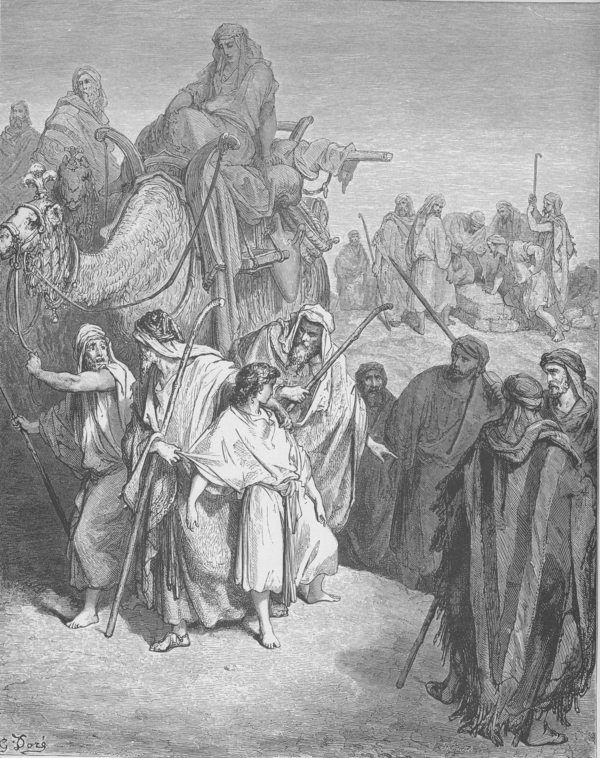
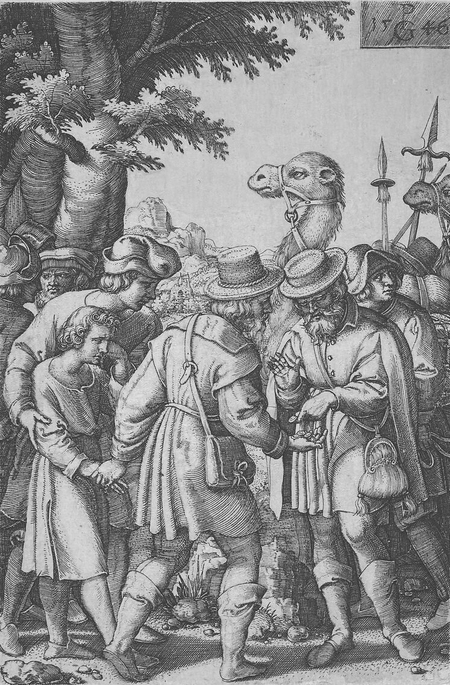
[5] Joseph Sold to the Midianites Dore Gustave; [6] Joseph Sold to Merchants, from «The History of Joseph» Georg Penz German
Iosif understands that he cannot change anything—his brothers have already made their decision, and all he can do is accept what is happening.
[7] Joseph, son of Jacob, sold to his brothers, woodcut Stock Vector
[8] The Sale of Joseph by His Brothers Raphael Santi
[9] Brothers Selling Joseph Schnorr von Carolsfeld Julius
[10] Joseph Sold by His Brothers Johann Friedrich Overbeck