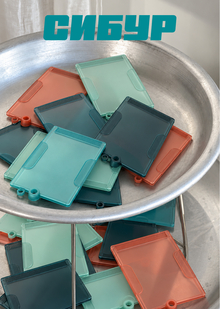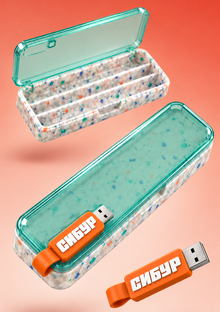
Visual Concept
Students often don’t bring food to class. Containers take up a lot of space, and no one wants to carry an empty one back. We combined beauty and practicality to create a foldable, keychain-style container. Take your food with you, have lunch, wipe it with a napkin, fold it up, and carry it as a stylish accessory.
Sketches

3D Visualization
Keychain — «Catalyst» Container


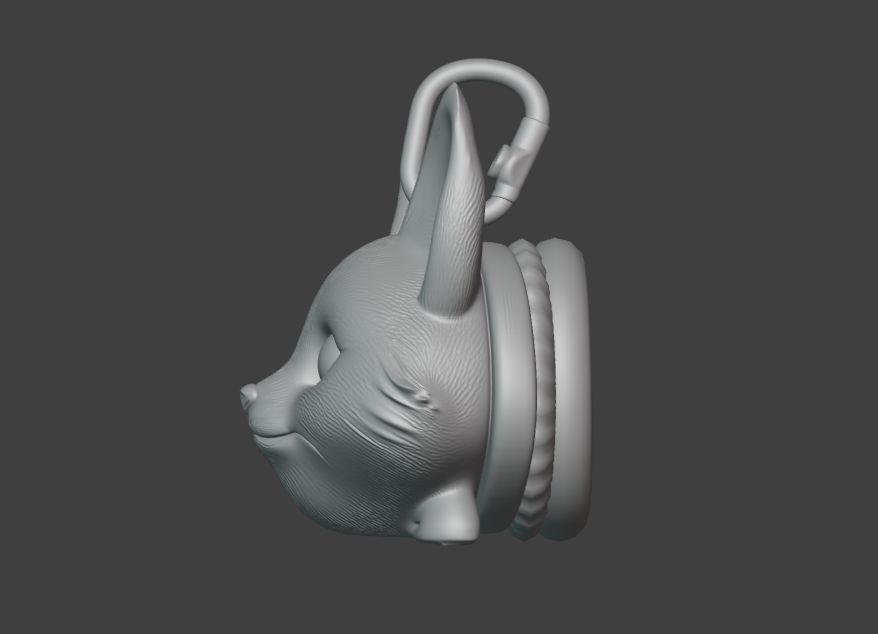
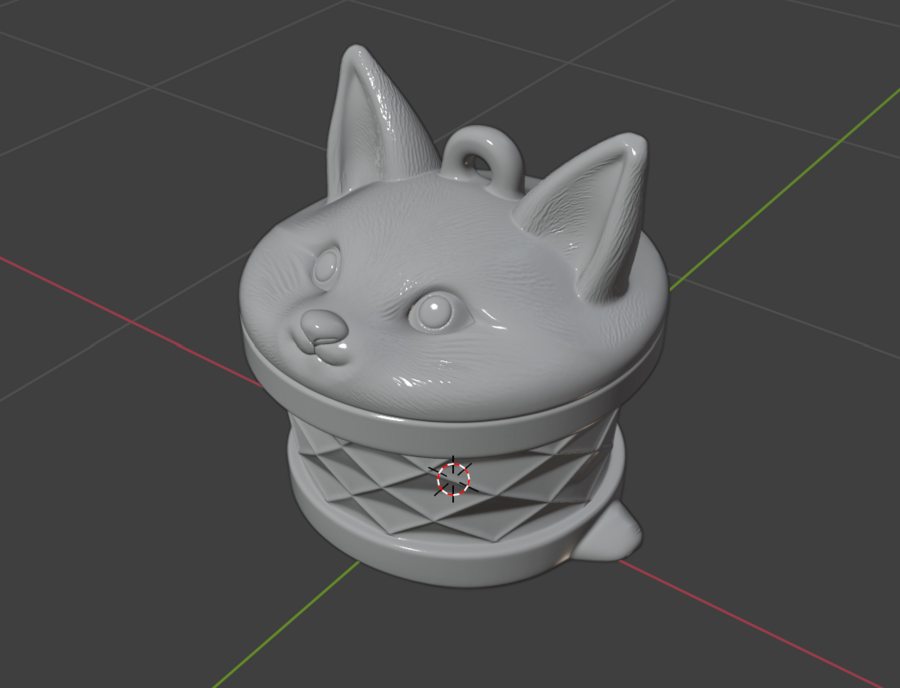
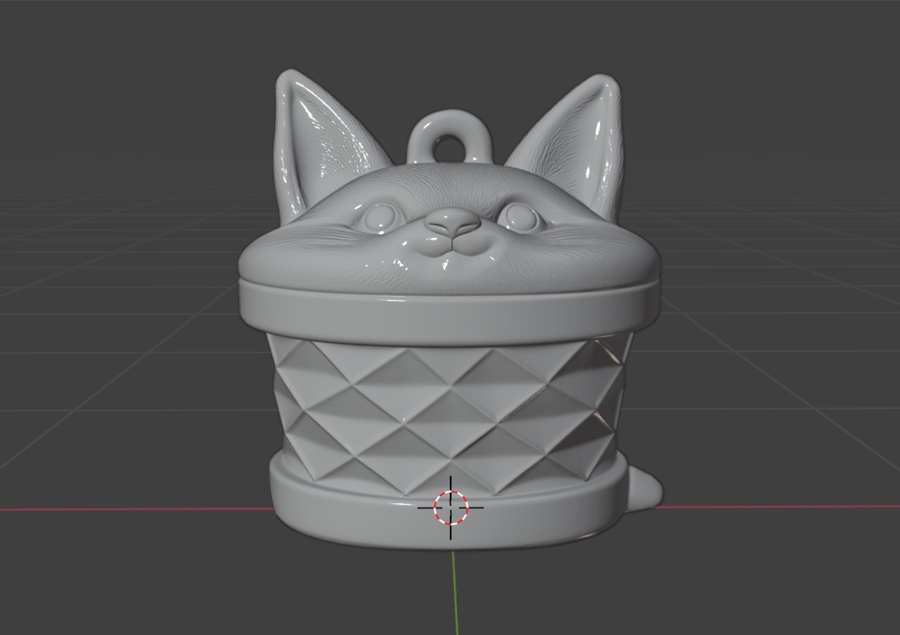
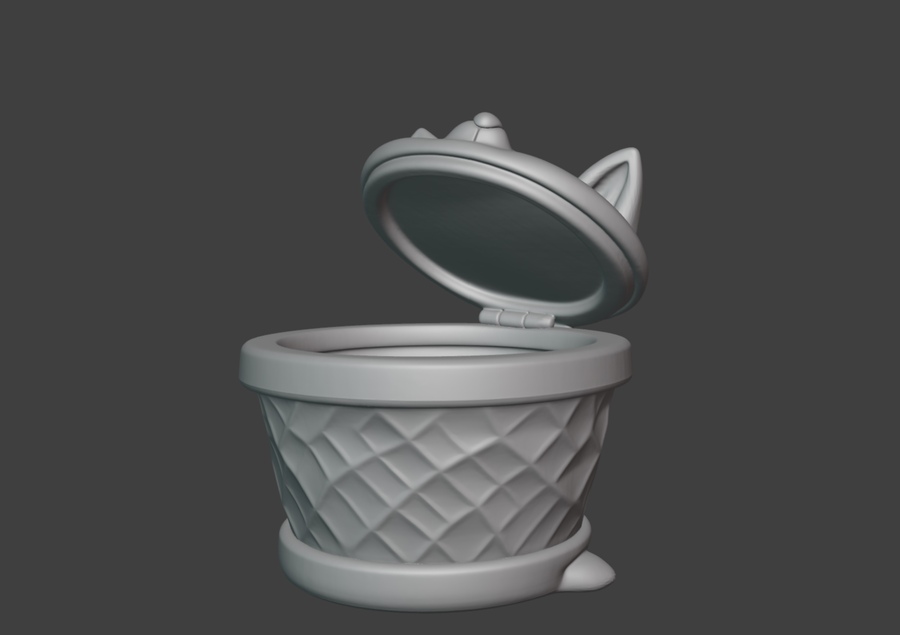
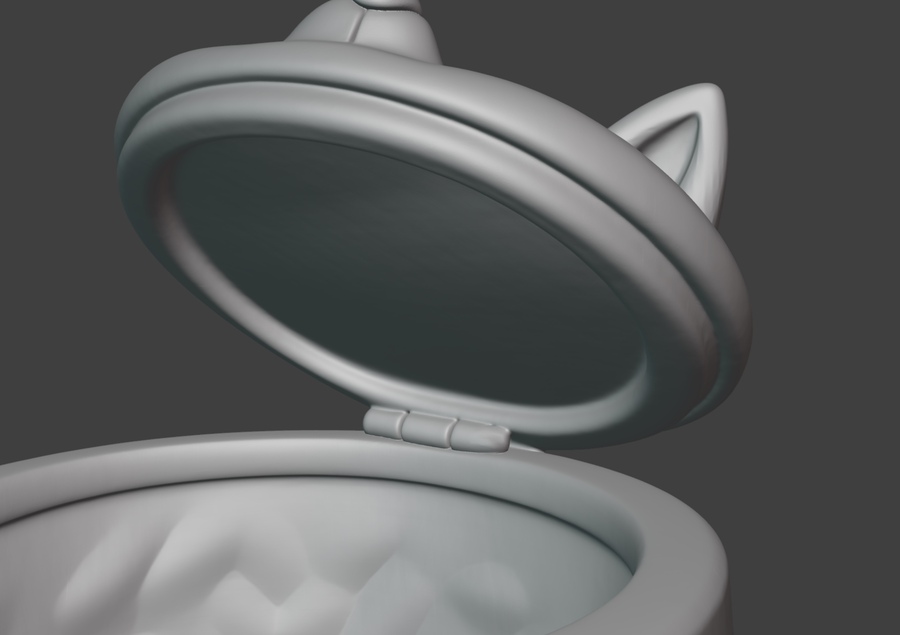
Render
Convenient to bring to class
Materials
Lid — SIBEX PP I122 IM polypropylene (SIBUR).
Base — SIBEX PP I452 IM polypropylene (SIBUR).
Foldable sides — food-grade heat-resistant silicone.
Materials were selected based on four criteria: food contact safety, chemical resistance, thermal resistance, and manufacturability.
For making the lid, polypropylene grade SIBEX PP I122 IM is suitable: it is used to produce containers and tableware, is resistant to food environments, and can be easily recycled via injection molding.
Food-grade, heat-resistant silicone is used for folding walls. It maintains its elasticity through multiple folds, is safe for contact with food, and withstands heat.
SIBEX PP I452 IM is suitable for the base. It is used for food containers, features enhanced stiffness and low warping, allowing the base to maintain its shape and the lid to seal tightly. Furthermore, the material is chemically resistant, thermally stable, and is easily processed via injection molding.
Production Stages
Design and Prototyping
Based on the CAD model, we calculate shrinkage and stresses in the folding zone and conduct a manufacturability audit to ensure the form does not require redesign. Then, 2–3 prototypes are printed, and functional tests for folding, closing force, and airtightness are performed.
Tooling and Casting of Hard Parts
Two molds are produced for a small series: one for the lid (SIBEX PP I122 IM) and one for the base (SIBEX PP I452 IM), including first pour inspection and fitting.
Next, the parts are molded in a thermoforming machine with flash trimming and geometry control. The output is a batch of parts accompanied by a quality control protocol.
Silicone Wall and Assembly
The folding panel is formed from food-grade, heat-resistant silicone using compression or LSR casting with control over thickness, elasticity, and heat resistance.
Mechanical assembly, no adhesive required. The silicone wall slots into the grooves, the inserts are secured, and a checklist inspection is performed to check for airtightness, play/slop, and folding strength.