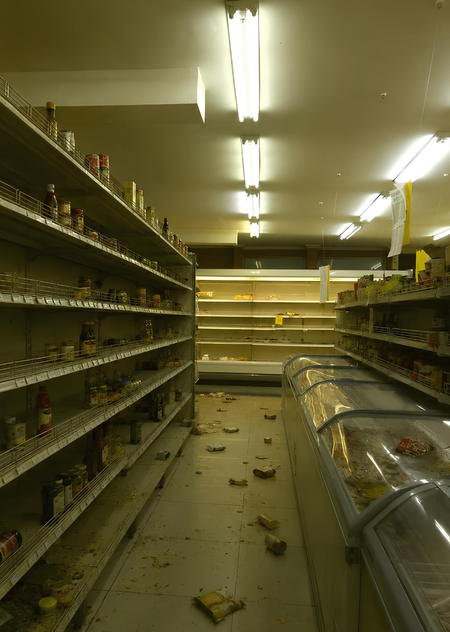
Concept
A workspace is typically a space of predictable order: it has a schedule, duties, instructions, management, and an expected outcome. In horror, the individual encounters danger but continues to perform their work, even though the natural instinct would be to leave. The character discovers a threat but still proceeds to stand guard, take orders, check cameras, adhere to protocol, or execute an assigned mission. As a result, the routine work transforms into a paradoxical form of existing within danger—the obligation does not vanish along with the feeling of safety.
What keeps the protagonist at work? It is suggested that horror utilizes the organization of labor as an additional system of constraint: the hero must operate within shifts, instructions, professional responsibilities, incentives, and some form of control. For the viewer or player, these constraints are manifested through doors, surveillance cameras, clocks, patrol routes, uniforms, passes, and cash registers.
The historical framework of this research begins with the industrial and service spaces of 20th-century cinema. In Alien (1979), the spaceship is depicted as a workplace where confrontations with a monster occur. In The Shining (1980), the hotel caretaker’s job illustrates the consequences of the protagonist’s isolation. These works establish a historical context for later horror where routine labor frequently serves as a direct narrative mechanism.When a job ceases to be safe, why do its rules persist? The workstation becomes a boundary, the clock a survival timer, instructions a mechanism of obedience, and work tasks a route through hazardous territory. The most enduring motif of labor horror is the preservation of normal work routines within an abnormal reality. It is the clash between rational, repetitive, and regulated labor and inexplicable danger that makes the workplace simultaneously familiar and sinister. Depending on the specific work, this trap may possess a material, psychological, motivational, or purely narrative mechanism for the character to remain—rather than escaping entirely—in the story.
The work will examine games such as Night Shift (2025), The Convenience Store (2020), The Closing Shift (2022), [HERROR] Gas Station Case (2025), Lobotomy Corporation (2018), Five Nights at Freddy’s (2014), Resident Evil (2015), Control (2019), as well as films like «Separation» (2022), «Resident Evil» (2026), «Alien» (1979), «The Shining» (1980), «Behind the Curtain of Reality» (2026), and the Korean webtoon «Even in Horror Stories, You Have to Go to Work» (2026).Analyzing visual elements helps explore the motives behind compulsory or voluntary labor and demonstrates why «making it through the shift» has become a common trope in modern horror.
Navigation
- Concept
- The Invasion of Horror into Daily Work Life
- Work as a Condition for Survival
- Work as a Form of Adventure
- Motives for Compulsory or Voluntary Labor: Why Does an Employee Remain at Work?
- Conclusion
- Sources
The Intrusion of Dread into Daily Life
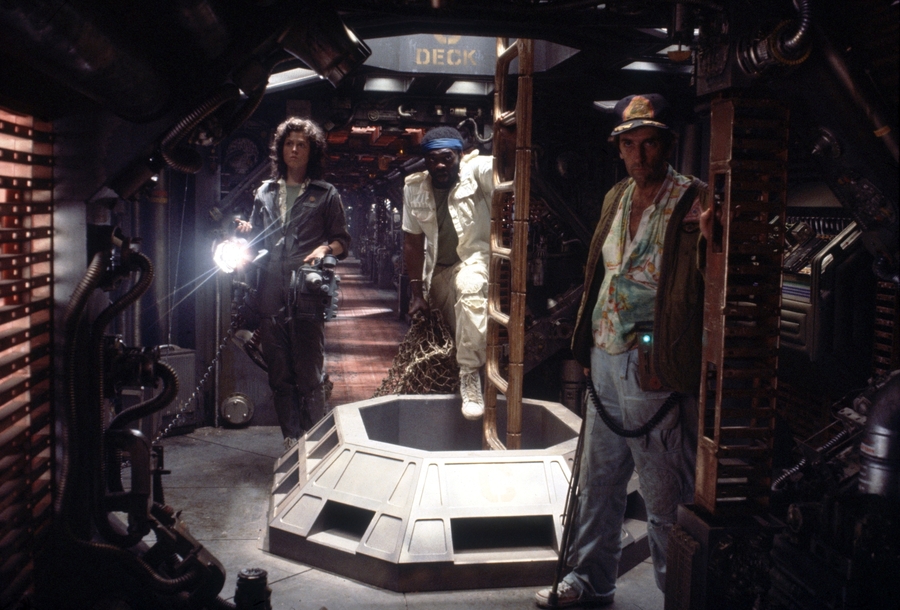
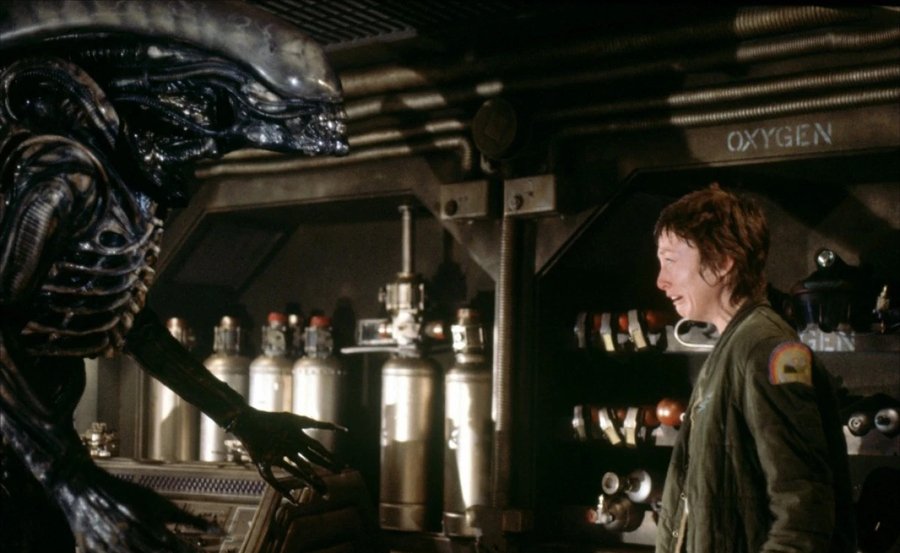
Stranger (1979)
Stranger (1979)
In Ridley Scott’s Alien (1979), the work contract requires employees to respond to any sign of intelligent life. The crew is forced to confront dangers as a result of completing their assignment.
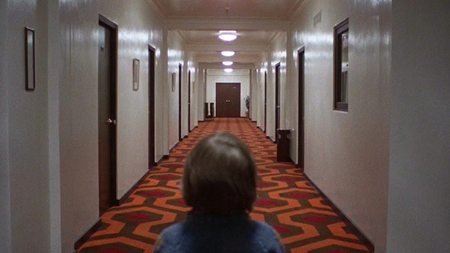
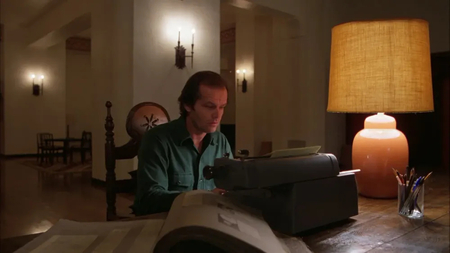
Radiance (1980)