Расцвет белорусского искусства в XVI–XVII веке: самобытные черты и особенности развития
Contents
> Concept
> Material Selection Principle
> Iconography
> Portraiture
> Architecture
> Conclusion
> Bibliography and Sources
Concept
I live in Belarus. It is my homeland and my home, which is why it deeply saddens me that many people still do not recognize Belarusians as an independent nation.The goal of this visual study is to demonstrate the unique characteristics that have developed in Belarusian art as far back as the 16th and 17th centuries, how it evolved, and how its national distinctiveness manifested.
Material Selection Principle
1. Chronology
My research covers the flourishing period of Belarusian culture—the 16th and 17th centuries. These relatively narrow time frames allow for a detailed examination of each artistic direction.
2. Territory
The work examines monuments created within the borders of modern Belarus. During the 16th and 17th centuries, these lands, which were part of the Grand Duchy of Lithuania and the Polish–Lithuanian Commonwealth, did not yet possess an independent state, but Belarusian distinctiveness was already clearly discernible.
3. Art Disciplines
For this analysis, I selected icon painting, portraiture, and architecture. Despite the distinct nature of these art forms, I aim to demonstrate that national characteristics are vividly evident in each of them.
Icon Painting
Starting in the 16th century, the Belarusian iconographic school developed its own style under the influence of Western European art. The icons began to take on a more lifelike interpretation, incorporating characteristics of the late Renaissance and early Baroque. These changes were aesthetic only, without touching the sacred essence of the imagery.
Belarusian icon painting of this era is characterized by its decorative quality, silhouette, localized color patches (red-brown, ochre, blue, green), and carved backgrounds.
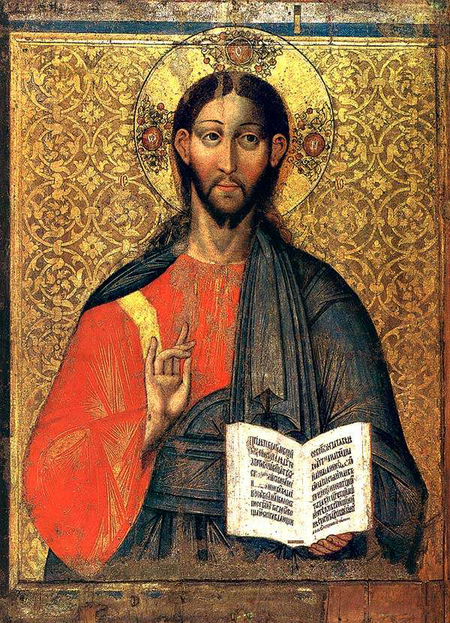
Икона Христа Вседержителя. Успенская церковь (1654), Бытень
Образ Святой Параскевы
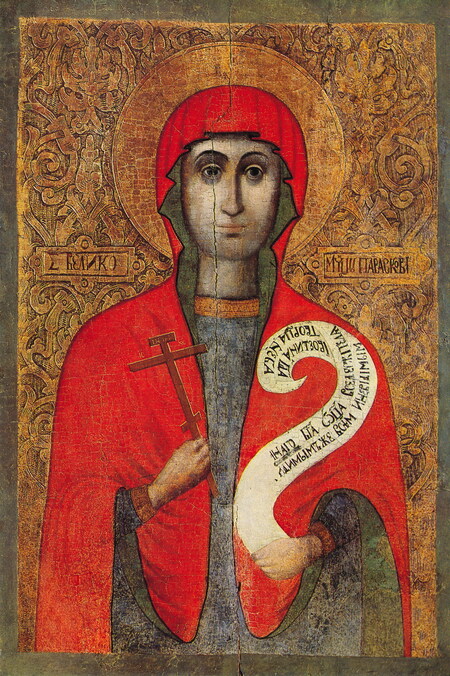
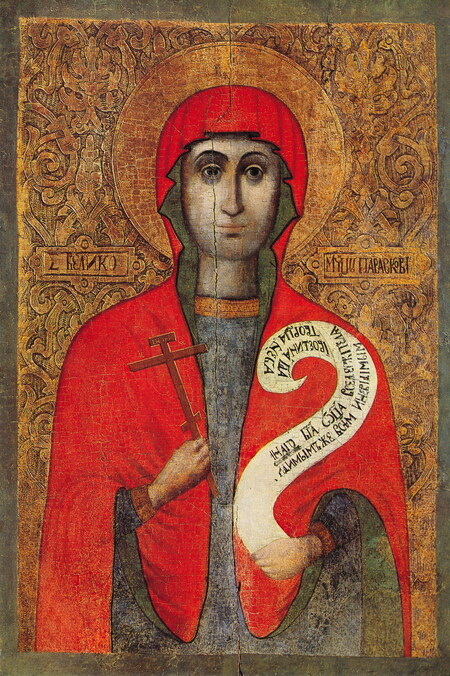
The iconographic image of «Paraskeva» traces its origins to the Serbian engraving «Saint Petka» from the book «Menaia Prazdnichnaya» (Venice, 1538). While preserving the figure’s proportions, the Belarusian artist significantly reinterpreted the original: he was the first to add a carved, vegetative background in the spirit of Renaissance Italian fabrics and replaced the graphic lines with soft modeling of folds to convey volume.This work, based on natural drawing, became an important stage in the formation of the unique artistic style of 16th-century Belarusian easel painting.
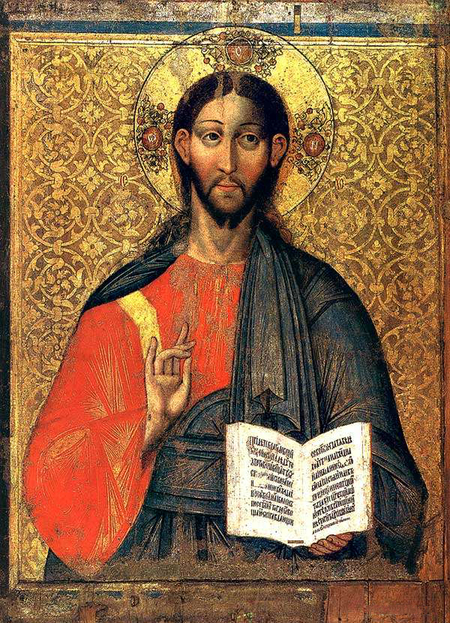
This icon serves as a transitional example, moving from Byzantine-Russian traditions toward the establishment of a local national icon painting school. This school is shaped by influences from Byzantine, Russian, and Western European art, but these traditions were not accepted blindly; rather, they were creatively adapted according to local customs, tastes, and achievements that had already developed in the lands of Belarus by that time.On Christ, the clothing consists of a lower tunic, which is red and called the chiton, and an upper cloak, called the himation. The color is always traditional. The red symbolizes the sacrificial blood of Christ, while the blue represents his divine essence. His fingers point to the first letters of his name—Jesus Christ. This is a canon that was developed even in Byzantine art. The influence of the Renaissance, however, manifests in the sense of volume, the blush on his cheeks, and Christ’s gaze turned to the side. Previously, all icons were painted flat, and the saint’s gaze was always directed toward the supplicant.
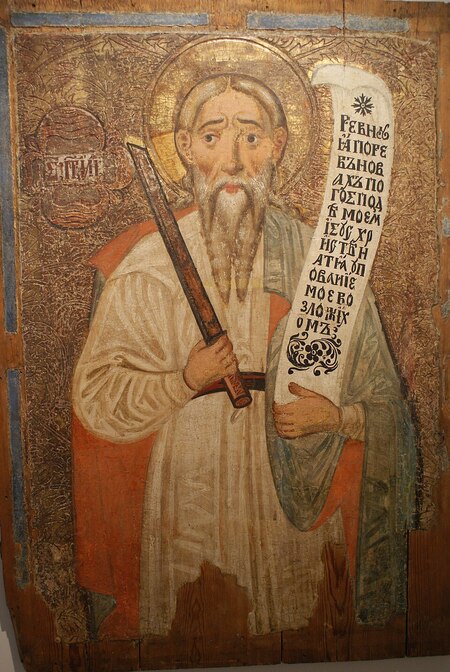
Пророк Илья. 1668 год
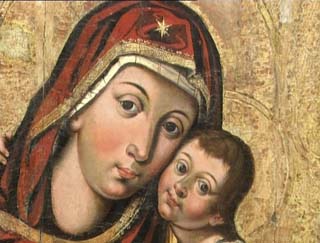
Икона Божией Матери Барколабовская
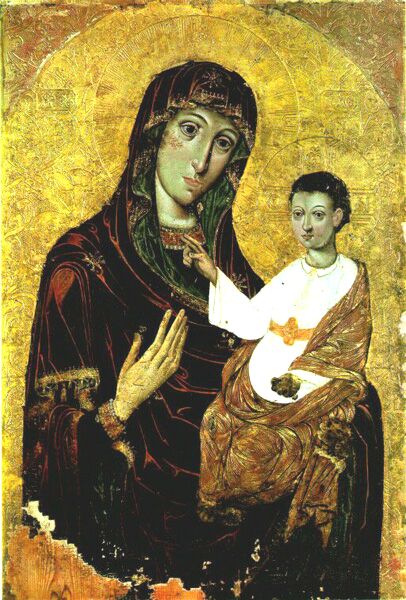
At the turn of the 16th and 17th centuries, there emerged a drive to convey space and natural proportions, and individual characters began to be depicted in secular attire.
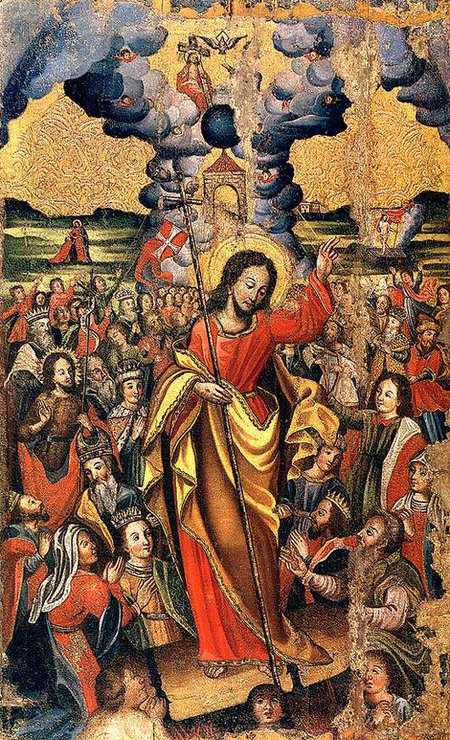
Сошествие в ад. Последняя четверть XVII века. Фрагмент
Рождество Богородицы. Пётр Евсеевич, 1649 г.
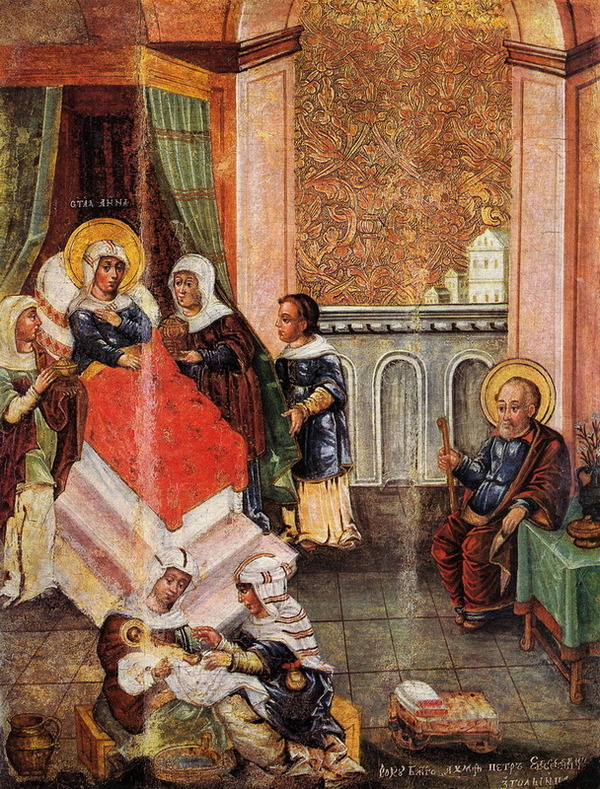
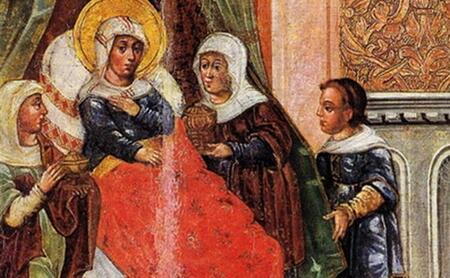
The icon of Pyotr Evseevich, «The Nativity of the Theotokos» from 1649, is the only icon whose author is known. Servants in the icon are dressed in 17th-century Belarusian peasant costume. The headbands they wear are namitki—a long piece of fine white linen skillfully tied around the head. Married women wore them. Local elements of daily life can also be traced in the background and in the interior details—for instance, the embroidery on the cushions and the carved legs of the table.
Portrait Painting
The influence of Renaissance ideas draws attention to the inner world of the human being, giving rise to portraiture. In the Polish-Lithuanian Commonwealth during the 17th century, magnate families held significant influence. A specific type of portrait, known as Sarmatian portraiture, emerged.
Sarmatism was a theory asserting that the local nobility descended from ancient warrior tribes—the Sarmatians. This fostered a sense of exceptionalism and contributed to the popularity of the knightly portrait, because the Sarmatian ideal was the warrior, for whom defending the Homeland was an honor.
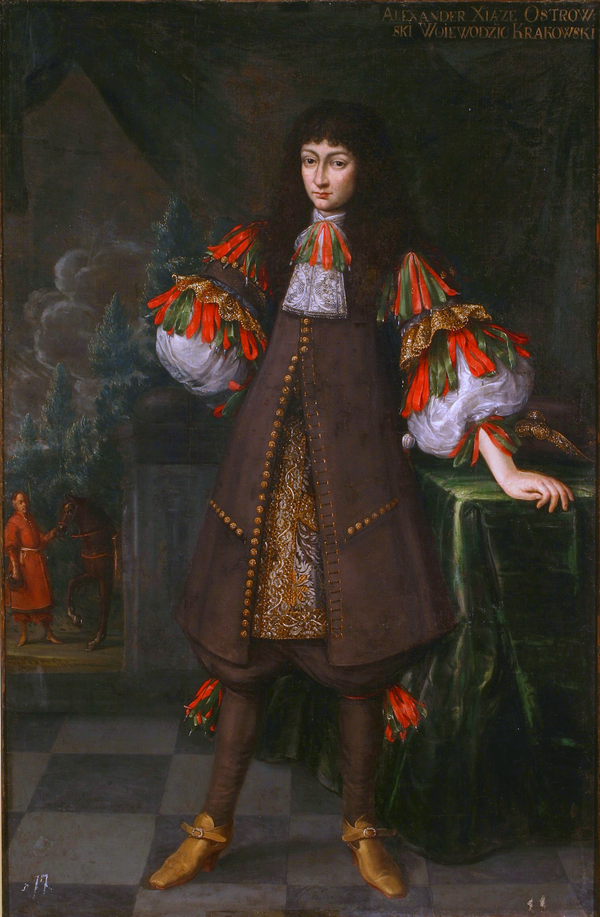
Портрет Александра Януша Заславского-Острожского
Портрет Юрия Радзивилла
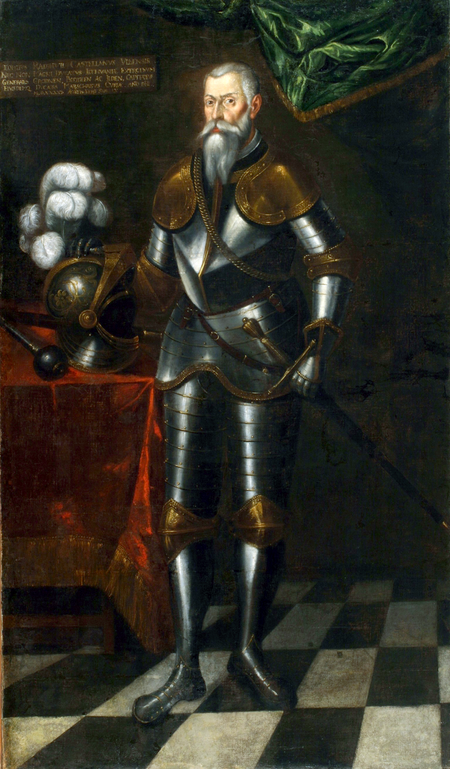
Sarmatian portraits adhered to strict canons.
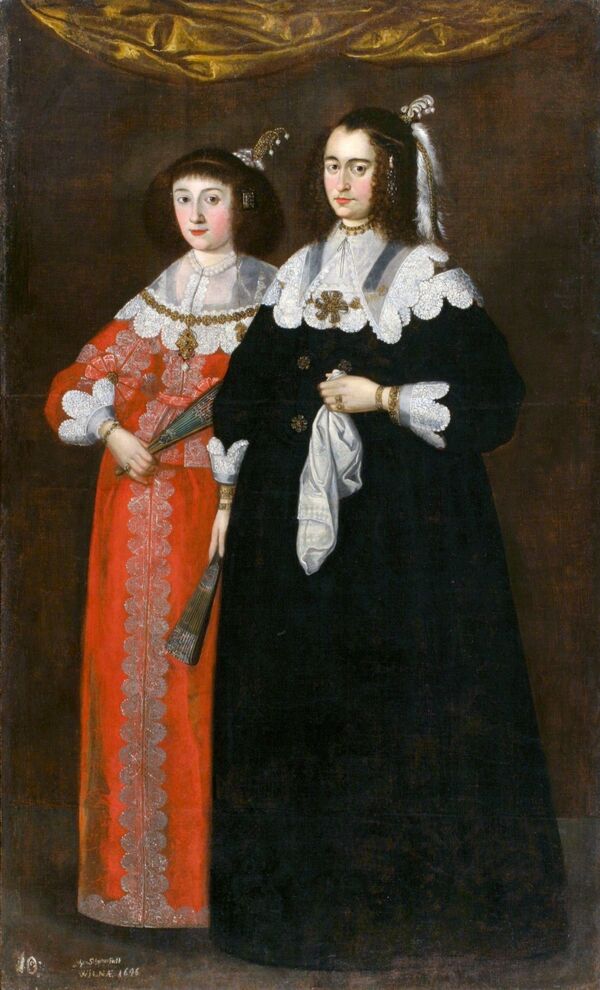
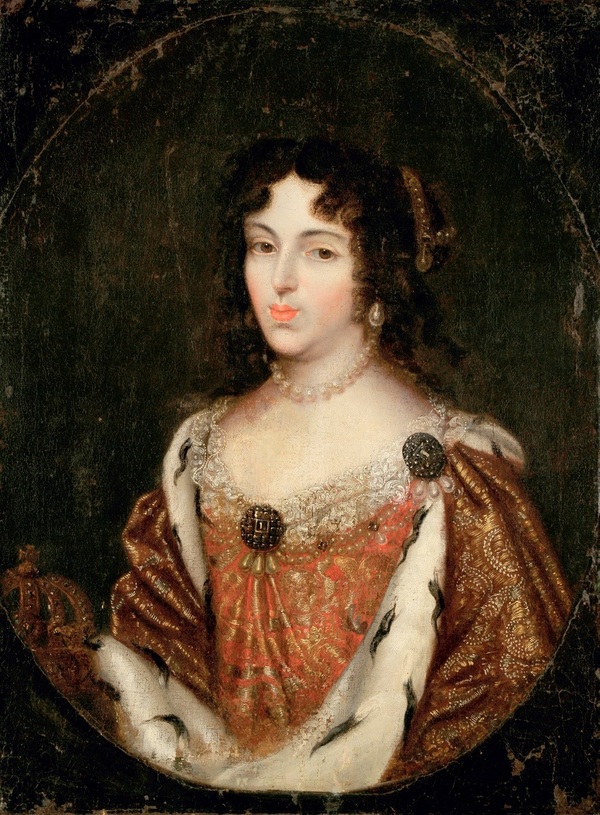
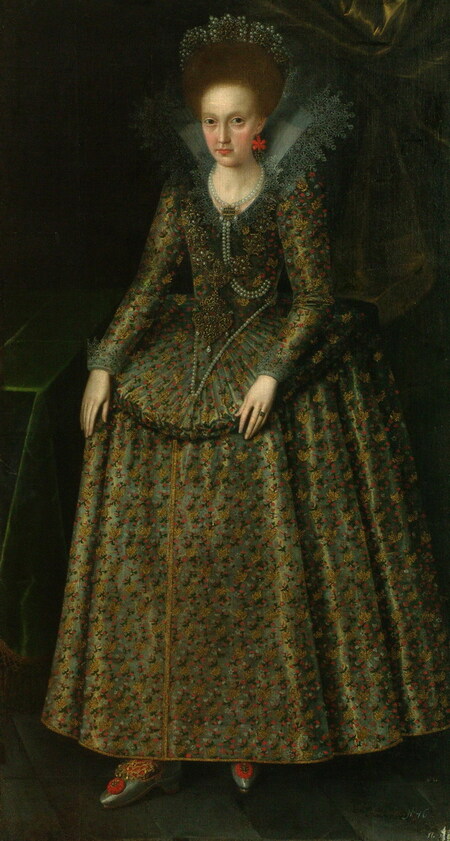
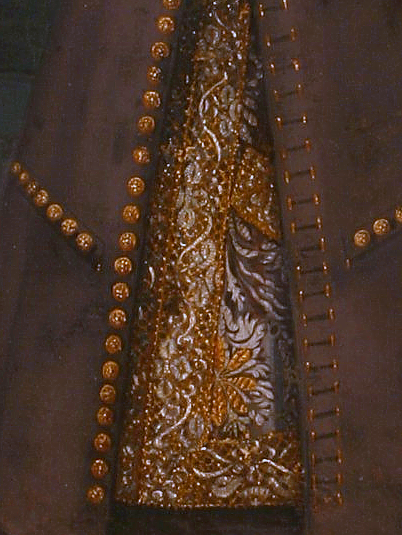
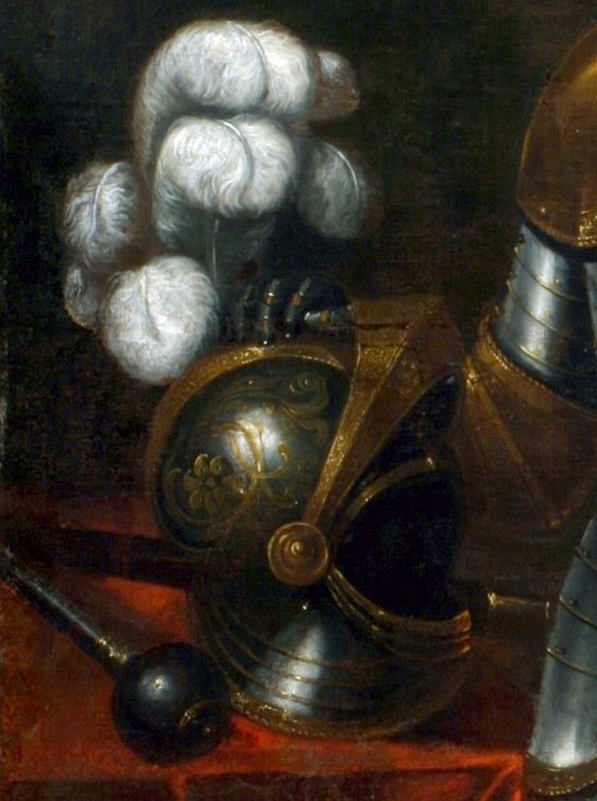
The figure is shown full-length, sometimes half-body or bust, dressed in formal attire and bearing attributes of power. The Hetman holds a mace, the Marshal holds a marshal’s staff, and the Podkomory (who acted as a judge in land dispute arguments) holds a key. In the background, there are drapes or architectural elements. A coat of arms was often depicted as well.
The details were rendered with exquisite refinement—every zig-zag of the ornamentation and every curl of the lace.
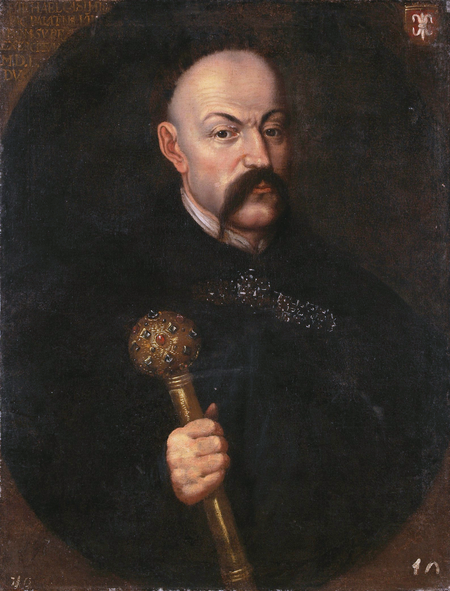
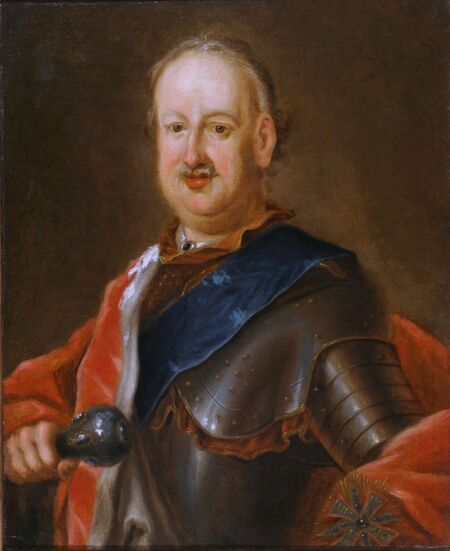
Портрет Януша Радзивилла. Бартоломей Штробель, 1634 г.
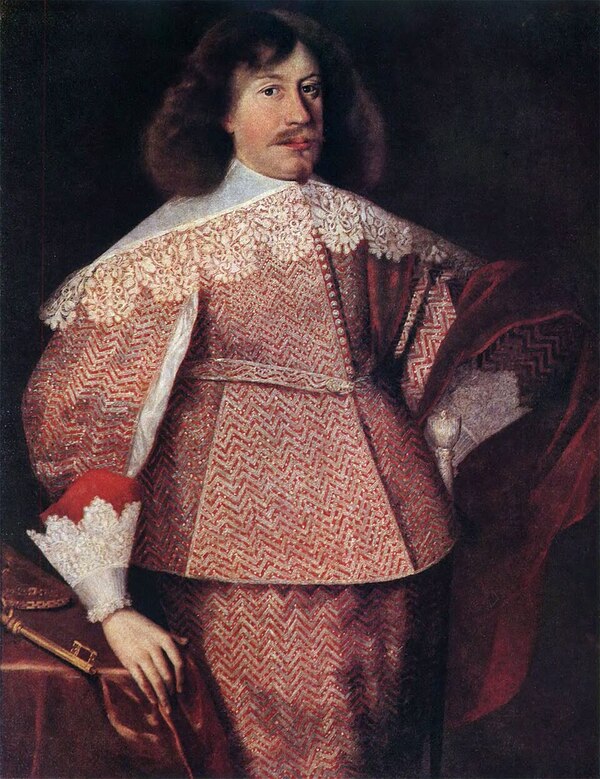
Портрет Януша Радзивилла. Даниэль Шульц
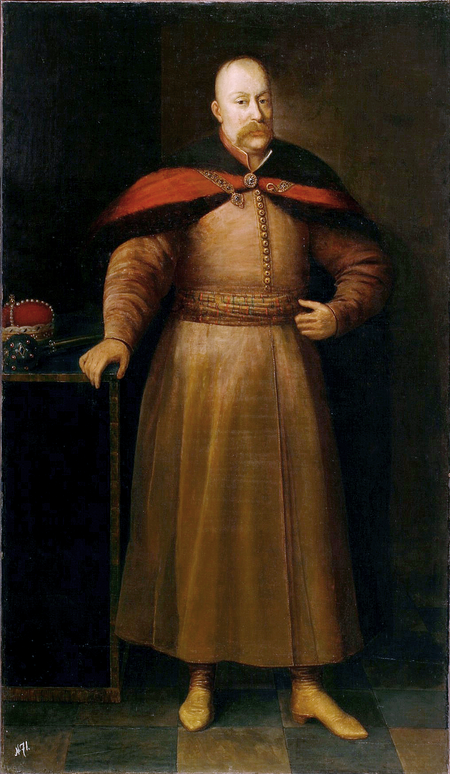
Портрет Януша Радзивилла. Даниэль Шульц, 1652 г.
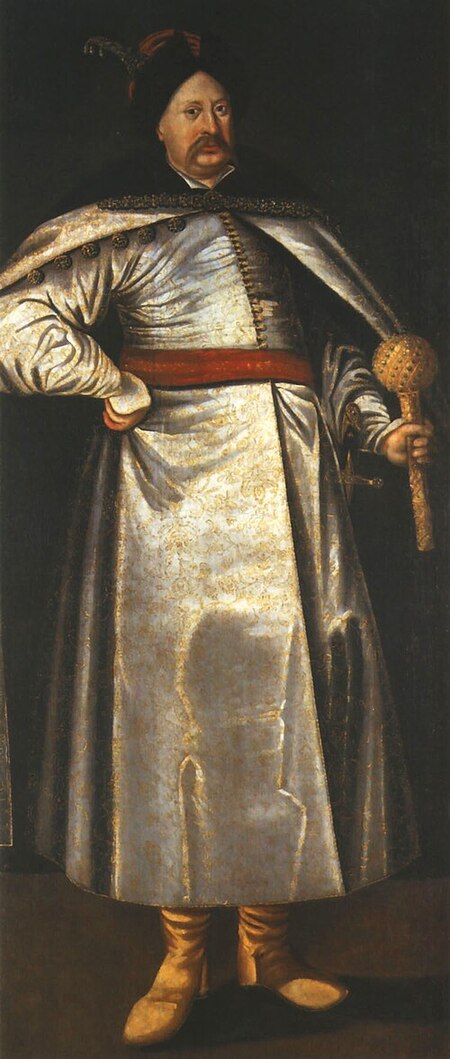
Катажина и Мария Радзивилл. Иоганн Шреттер, 1646 г.