Concept
I miss my trips to Istanbul and Vietnam. But when I recall those journeys, it’s not just famous landmarks that come to mind—it’s random details: doors, windows, plants, empty streets, the colors of houses. I became curious: can a neural network learn to see the world as I saw it while traveling, and generate new photographs of places I’ve never been to, yet could miss?
The goal of this project was to train the generative model Stable Diffusion XL to replicate the visual style of my personal photo archive from travels through Istanbul and Vietnam, and to utilize that style to create new, non-existent memories. It was crucial to test the model’s ability to absorb not specific locations or objects, but the distinct characteristics of my photography: the color palette, composition, lighting, attention to everyday details, and the overall atmosphere of nostalgia. The resulting series, «Sleeping Memories, ” explores how real experiences transform into imagined imagery.
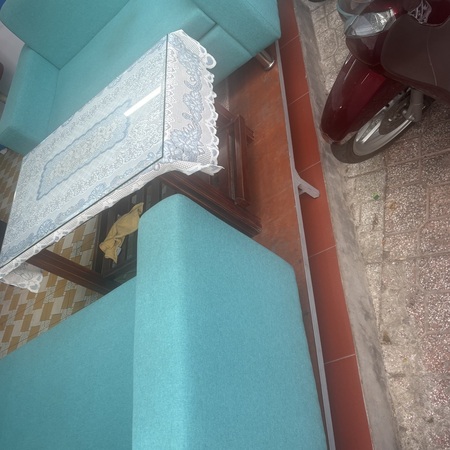
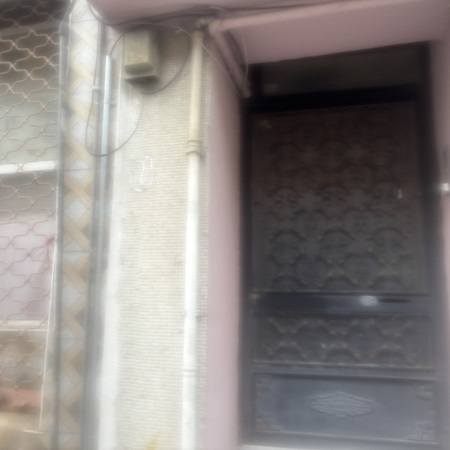
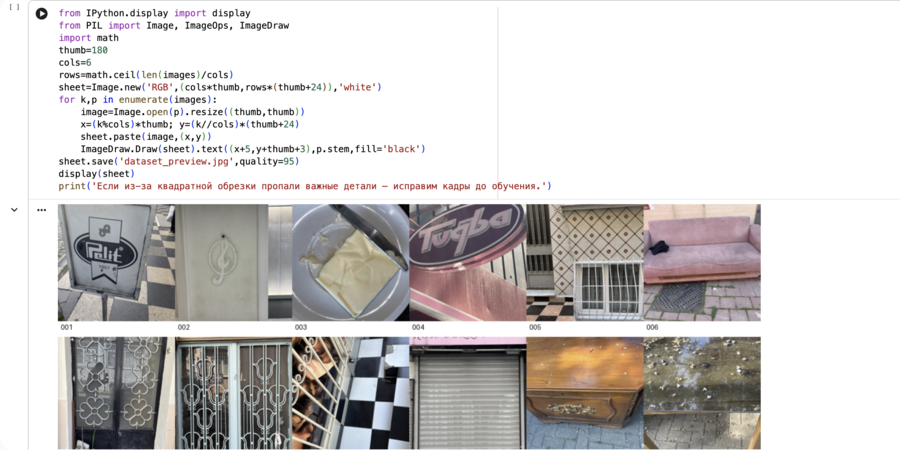
Examples of images used to train the generative model
Dataset
For this project, I compiled 51 photographs from Istanbul and Vietnam. The archive includes streets, buildings, plants, interiors, and miscellaneous details I noticed during my walks. The photos vary quite a bit in composition, lighting, and quality, and I deliberately avoided imposing a single visual style upon them. I felt that this heterogeneity would allow the model to generate more unpredictable, slightly surreal images. All photographs were resized to a square format of 1024×1024 pixels.
Learning Process
For this training, I compiled 51 photographs from Istanbul and Vietnam. The images were converted from HEIC to JPG and cropped to a square format of 1024 × 1024 pixels. I deliberately left photographs in the dataset that varied in color, lighting, and sharpness because I wanted the neural network to absorb not a strict, unified style, but rather the overall feel of my photo archive.
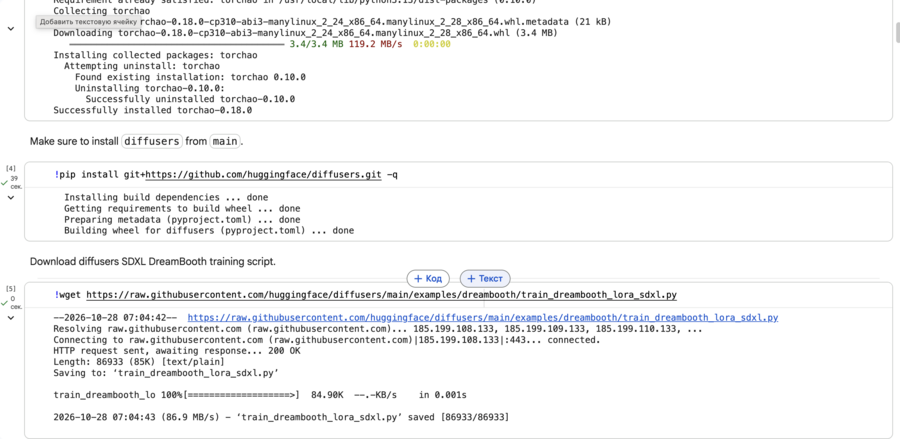
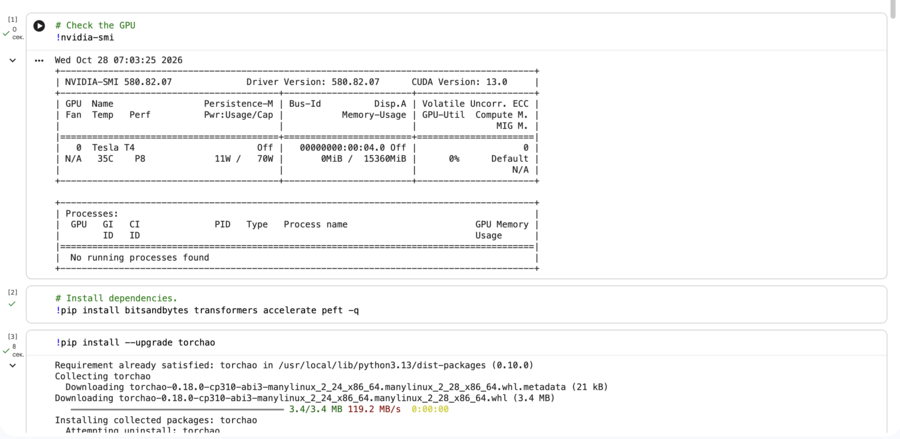
The work was performed in Google Colab using a T4 GPU. I used Stable Diffusion XL 1.0 as the base model, which I fine-tuned using the DreamBooth LoRA method on my own photographs. This method allows the neural network to adapt to a new visual style without fully retraining the model.