Contents
1. Concept
2. Choice as a Subject
3. Direction in Space
4. Target Action — Press the Button
5. Target Action — Throw / Release
6. Spare the Defeated
7. Conclusion
8. Bibliography
9. Image Sources
Concept
Choosing a character is not merely a plot event, but also an image-making challenge. This decision dictates the subsequent action and reveals the character’s nature, yet the selection process itself remains internal and without visible form.
To make it comprehensible to the viewer, cinema translates an abstract dilemma into a concrete visual situation. Two objects or two doors signify alternatives, the edge of space denotes the boundary of action, and a hand gesture or a pause before an action captures the hero’s hesitation.
This study examines scenes where the protagonist’s choice takes visible form. The dilemma is linked to an object, a spatial boundary, or a physical action, and the internal conflict becomes part of the mise-en-scène and frame composition.
Research Goal: To identify the principles of visually constructing choice scenes and to determine how the image signifies alternatives and reveals the cost of the hero’s decision.
Key Question: How does cinema transform the protagonist’s internal choice into a visually legible dramatic situation?
Choosing as a subject
One way to make a character’s internal choice visible is to link it to an object. The object becomes the carrier of the dilemma, and hesitation takes the form of a gesture: choosing one object and rejecting another.
This technique clarifies the choice situation for the viewer. The options are presented to the character, limited in number, and juxtaposed against each other. The camera captures the moment of decision through a hand movement, a close-up, a pause, or through light and contrast of color and form. In this way, the internal tension gains a concrete visual point.
This section examines how a dilemma is embodied by an object and perceived by the viewer without explicit explanation.
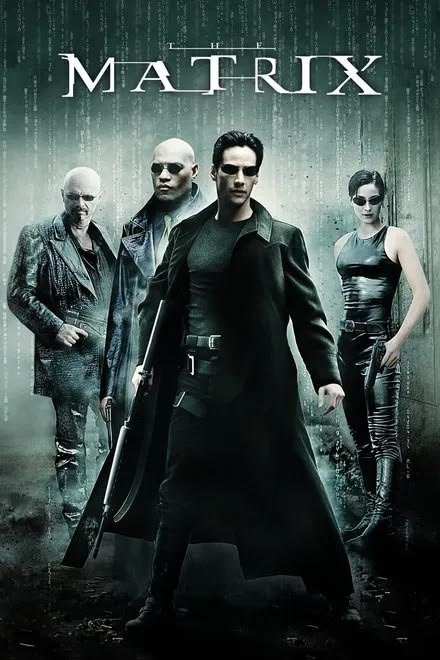
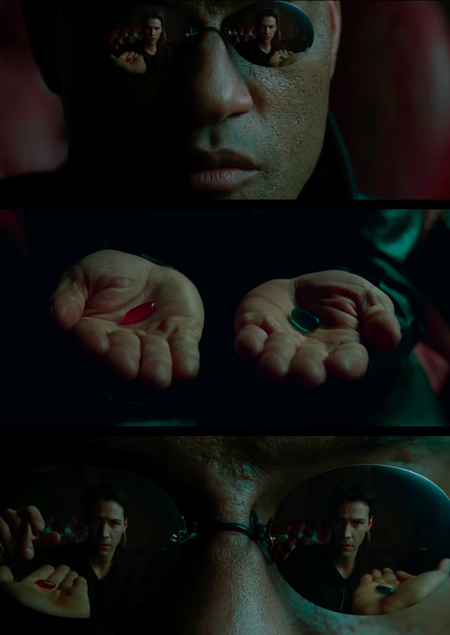
In the scene with the pills in «The Matrix,» Neo’s internal choice takes physical form. The dilemma literally rests in Morpheus’s open palms: a blue pill in one hand, a red one in the other. The symmetrical positioning of the hands presents the alternatives as two equally viable options between which the protagonist must choose.
Close-ups highlight the pills, and color makes the distinction between them instantly readable. In the context of Morpheus’s offered choice, cold blue is associated with returning to a comfortable illusion, while red signifies an anxious truth, risk, and awakening.The image does not replace Morpheus’s explanation but anchors it within a simple visual system: two colors—two possible paths. Even before Neo acts, the viewer can discern the alternatives and associate each with its consequences.
The Matrix (1999)
Neo’s reflection in Morpheus’s glasses is integrated into this matching system: the hero sees himself facing the presented choice. The camera connects his face, Morpheus’s hands, and the pills, shifting focus from his internal hesitation to the imminent gesture.The pause suspends the action, and then Neo takes the red pill.The decision becomes visible as the hand moves toward one object and away from the other; its cost is the loss of the chance to return to his former ignorance.
In «The Matrix,» the choice is reduced to two objects, distinguishable only by color. But an object can present a dilemma in other ways: there are many options, and the criterion for selection cannot be deciphered from the frame. In such cases, the choice is based on something else—on the ability to see. The protagonist chooses with their eyes, and the viewer compares the objects alongside them.
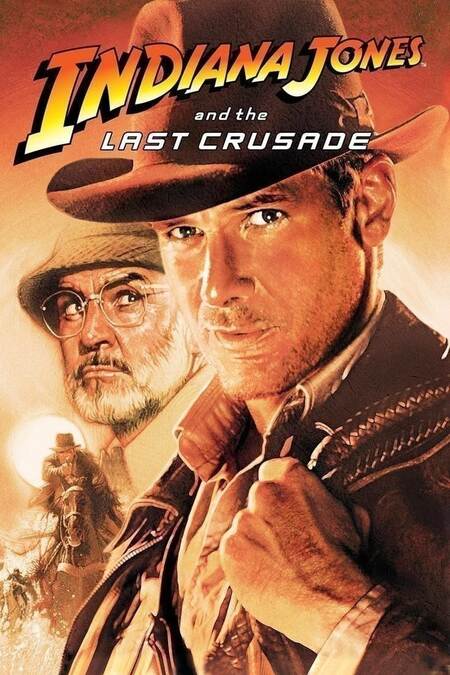
In the film «Indiana Jones and the Last Crusade,» many chalices transform choice into a recognition task. Gold, gems, and rich ornamentation capture the eye, but they do not indicate authenticity. The antagonist’s death after drinking from a luxurious cup signifies the price of error and shatters the connection between external splendor and true value.
The alternation between Indiana’s face and the cups shows a choice in perspective, engaging the viewer in comparison. The hero singles out the plain cup: the conception of the Grail as a craftsman’s cup becomes more important than shine and ornamentation. The internal decision takes the form of rejecting visual appeal. To choose correctly, Indiana must not just see the object, but determine which characteristic warrants trust.
The two chosen cups held by the characters are illuminated more brightly than the surrounding elements of the frame.The contrast in light highlights both the opulent cup and the simple chalice, directing the viewer’s attention to the object at the moment of decision. [5] Furthermore, the brightness is not a sign of authenticity: the light underscores the significance of both choices but does not indicate which one is correct.
The alternation between Elsa’s plans, her gaze, and the Grail connects the heroine’s attention to the object of desire. Even before attempting to carry the chalice, the montage makes the intention legible—the viewer anticipates an action to which Elsa is already internally prepared. [4]
In the fissure, oblique angles and the diagonals of the rock walls emphasize the precariousness of the situation. Close-ups bring the characters' faces close together, even though they are at different heights: Indiana looks down, his face strained by effort, while Elsa gazes up at him with wide eyes.A separate shot of the Grail interrupts the exchange of glances: the illuminated interior surface of the cup sharply stands out against the dark stone, pulling the viewer’s attention back.
Indiana Jones and the Last Crusade (1989)
In a high-angle shot, both alternatives are visible in one frame: Indiana holds Elsa by one hand, while the other is extended toward a chalice over the chasm.
The two directions of the gesture make the conflict visible: one hand connects the protagonist to salvation, while the other betrays her desire.
The light highlights the Grail as a goal, and the overhead angle emphasizes the distance and void that transform the attempt to reach it into a risk.
The scene with the Grail signals a shift from choosing a subject to choosing a path. The dilemma takes on a spatial form: the decision is expressed through moving toward the border, crossing it, or refusing to proceed.
Direction in Space
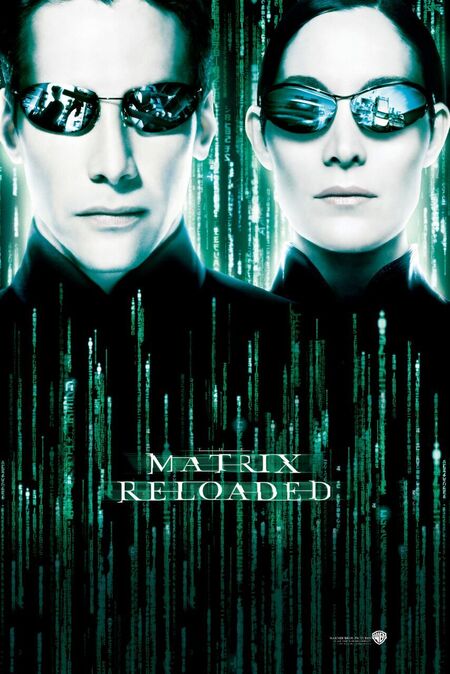
In the scene with the Architect in the second «Matrix,» the doors are positioned on opposite sides of the frame, and Neo is situated between them.
Both compositions are comparable in size and compositional weight; neither is designated as preferable.In this frame, the options primarily differ in placement—left or right. The Neo figure between the doors: the decision has not yet been made, but it is already clear what form it will take—the protagonist will head toward one of the exits.
Matrix: Reloaded | The Matrix Reloaded (2003)
Nothing is visible through the doors themselves. The Architect names the price of each path: one leads to the Source and offers the possibility of saving humanity; the other leads back into the Matrix, to Trinity, with risk for everyone.This creates a contrast between the symmetry of the frame and the inequality of the consequences. The dialogue explains what Neo is risking, while the composition translates the dilemma into spatial action: to choose one path, the hero must leave the other behind.