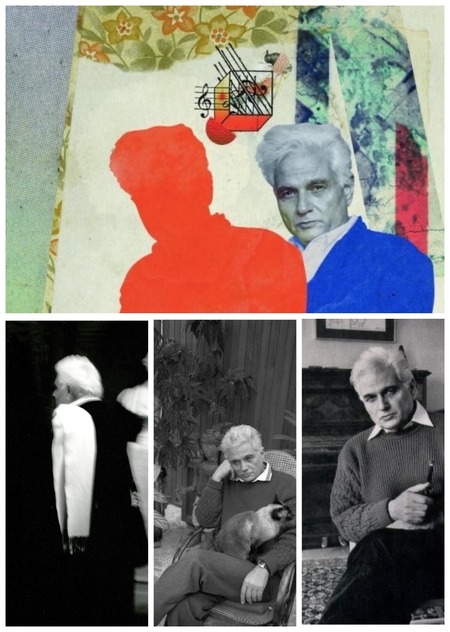
The idea of textuality is a theoretical concept that became really important in modern humanities and art, mainly because of the French philosopher Jacques Derrida. In his 1967 book Of Grammatology, Derrida argued that meaning isn’t just obvious or fixed. Instead, we create it through systems of signs and differences. His famous line, «nothing outside the text,» doesn’t mean reality doesn’t exist. He meant that we always understand reality through language, pictures, symbols, and cultural rules.
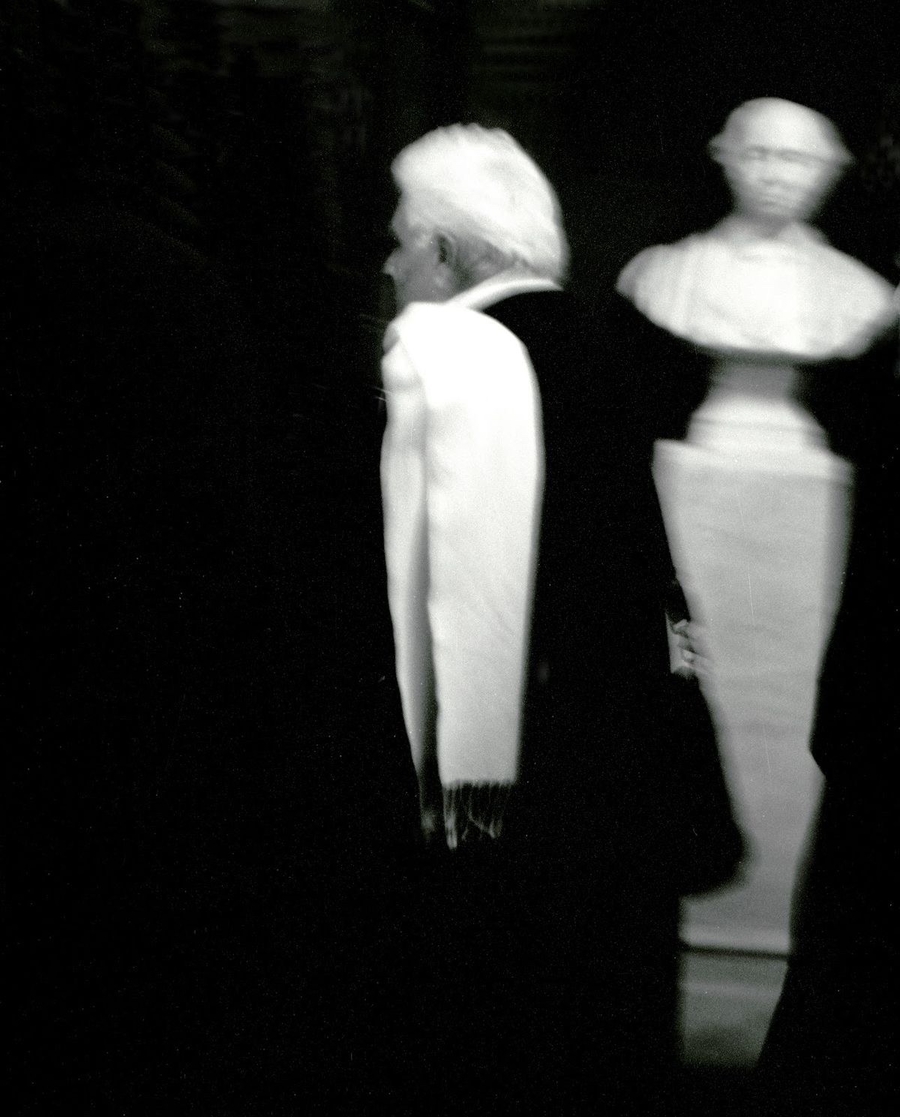
Jacques Derrida
Derrida also believed that an author can’t fully control what their work means. Any piece of writing or art often creates meanings that go beyond what the creator intended, simply because language has its own structure and history. So, when we critically read something, we shouldn’t try to find «the single», original meaning. Instead, we should look for different interpretations, hidden assumptions, and even contradictions within the text.
The idea of textuality came from earlier philosophies like Structuralism, Ferdinand de Saussure’s ideas about language, and the works of Edmund Husserl and Martin Heidegger. However, Derrida challenged the Structuralist idea of looking for stable structures. He showed that meaning itself is not stable.
Ferdinand de Saussure
Jacques Derrida is the main person connected to the idea of textuality. In Of Grammatology, he suggested that writing is a basic model for how we create meaning. Roland Barthes and Julia Kristeva also played big roles in developing these ideas. In his essay «The Death of the Author» Barthes argued that meaning is made by readers, not decided by what the author wanted. Kristeva’s theory of intertextuality showed how every text is actually made up of pieces and influences from other texts.
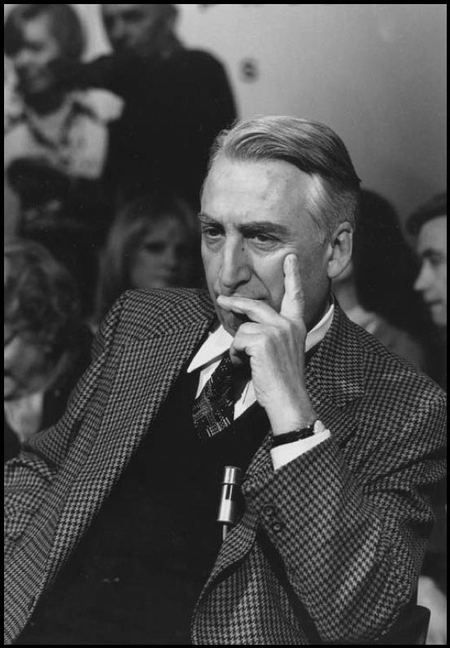
«The Death of the Author», Roland Barthes (1967)
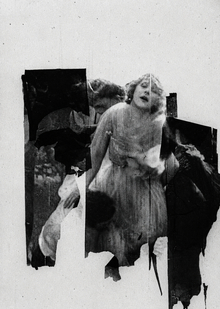
You can see the influence of textuality in many types of modern art. For example, in Joseph Kosuth’s One and Three Chairs from 1965, a real chair, its photograph, and its dictionary definition all create different meanings. Barbara Kruger’s Untitled (Your Body is a Battleground) from 1989 uses text and images together to highlight conflicts in ideas. And Cindy Sherman’s Untitled Film Stills, made between 1977 and 1980, explores how things are represented and common cultural stereotypes.
Cindy Sherman — «Untitled Film Stills» (1977-1980)
Barbara Kruger — «Untitled (Your Body is a Battleground)» 1989
The idea of textuality has had a big impact on conceptual art, postmodernism, institutional critique, feminist art, and visual studies. As a result, artworks are now often seen not as things with one set meaning, but as open systems of signs. Their meanings come from how we interpret them.
Derrida J. Of Grammatology. Baltimore: Johns Hopkins University Press, 1976. 360 p.
Harrison C., Wood P. Art in Theory 1900–1990: An Anthology of Changing Ideas. Oxford: Blackwell Publishers, 1992. 1253 p.
Barthes R. Image, Music, Text. New York: Hill and Wang, 1977. 220 p.
Barthes R. The Death of the Author // Image, Music, Text. New York: Hill and Wang, 1977. P. 142–148.
Kristeva J. Desire in Language: A Semiotic Approach to Literature and Art. New York: Columbia University Press, 1980. 305 p.
Kosuth J. Art after Philosophy and After: Collected Writings, 1966–1990. Cambridge, MA: MIT Press, 1991. 290 p.