CONTENT
a) CONCEPT b) BACKGROUND
- THE MAJOR EUROPEAN MUSEUMS WITH AFRICAN COLLECTIONS
- SUB-SAHARAN AFRICA Art and heritage on display in Europe
- THE GREAT KINGDOM OF BENIN. Art and culture
- NORTH AFRICAN HERITAGE VIEW The Egyptian Collections in Europe
CONCEPT
In the aftermath math of colonialism in Africa there existed the scramble and partition of Africa following the Berlin Conference in 1885. The European powers on agreement took control over the countries in the continent and whatsoever that existed in General, Besides land grabbing, Slavery and over exploited resources, the European powers dismantled the African Cultural system by overthrowing and exiling traditional leaders like kings and chiefs, broke monarchies and families by enslaving and displacing many of them. However, besides all that, the remains of the African heritage like artefacts, functional objects, fabrics, decorative and monumental statues are still retained in European Museums and exhibited as national assets of the countries that stole them. Over 95% of the original artefacts of the ancient Africans are housed in Europe and are exhibited for public display for example Metropolitan Museums of Archeology and Anthropology, British Museum and Royal Museum for Central Africa in Belgium and more others hold thousands of them in their collections. This research will open explore the acquisition of the ancient artefacts from Africa by the European without their consent but rather after through violent ways by furiously grabbing them for example the British expedition of Benin the though some were collected in rightful ways like commissions, gifts and donations like John Roscoe, where Apollo Kaggwa the Katikkiro (Prime minister) of Buganda Donated to him some Artefacts and barter trade especially at the coast. It also looks at how the works of art were allocated to different collections in museum like the British museumcollections.The study as well focuses on the three African regions, the Northern and sub-saharan african regions in East and West Africa with a case study of three countries, with their kingdoms like Benin Kingdom in Nigeria, Buganda Kingdom in Uganda and Egyptian heritage. The study will have a clear description of the of the cultural attachments and heritage of the artefacts from these countries.
The main Objectives of this study is to explore how the European Museums have preserved and exhibited the African Artefacts and collections which are allocated depending on countries of origin and the materials used besides the ethnic background and heritages. The histories and Heritage of the African past communities and cultures are understood by the Contemporary African People through the researche made by the Curators and other researchers commissioned by the European Museums. In this Section the case study will be focused on two Museums in Europe that is to say the British Museum and the Metropolitan Museum of Anthropology and Archeology. Since they contain most of the East and West African collections, they are the great references of this research and so most of the resources will be obtained from these Museums.The research has a great focus on the question of repartriation, where we observe the future plans of the museums whether they will fulfil the demands of the African countries to fully give back the stolen Artefacts to the people of Africa on a permanent deal to restore the cultural Identity and continuity and besides the major motive of reclaiming dignity and addressing the colonial unjust perspectives that are held by the Western Powers, despite of the current independence of these states, why should 80% to 95% of the estimated cultural heritage still reside outside the Continent well established and capable to house them in on their Land of origin.The research also contains a concluding study of the strategies and collaborations of both Continents Europe and Africa to display the African heritage and in particular with in the context of whether some should be returned and others should be retained in Europe. Focusing on on the fact that if the Artefacts are returning to Africa is there any strategies to house and maintain them as it was done by the Europeans and the strategies to work hand in hand to exhibit them within Europe and beyond. In this very Section we will slightly look at the decision and strategy by France to reinstitute the African looted Artefacts.
BACKGROUND
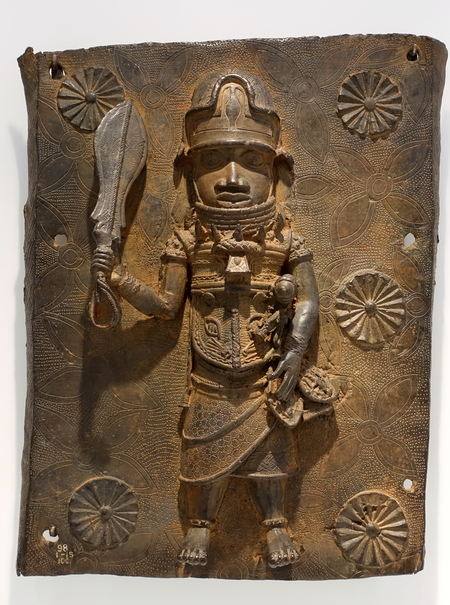
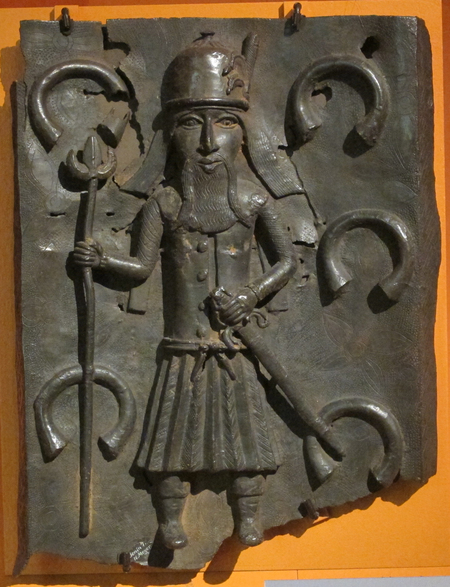
European acquisition of African Artefacts The British Expedition of Benin The African art collected by the Europeans came as a result of Colonialism, besides the trading that existed at the Coast of Africa where there was barter trade between the Africans and Arab traders who gave out their goods in exchange for the Artefacts. In the interior the explorers and missionaries commissioned the African industrialists to create for them some souvenirs and curios were also collected along with them. However, After the signing of the 1885 Berlin Conference, the partition of Africa by the Colonial powers gave them even more power and liberty to take whatever they wanted from the people of Africa. As part of the British Scramble for Africa, in 1897 Sir Harry Rawson led led a troop of 1,200 men into Benin, and Captured Benin City and the Oba (king of Edo people of Benin) was forced Into exile. The British troops stole the Artefacts as loot, among these included the plaques, bursts, artefacts carved from ivory and other casted objects including weapons and animal sculptures casted from brass though they are commonly referred to as «Benin bronzes». These were seen in a famous photograph taken in 1897 when the British soldiers were captured laying them down at the court of Benin City. Years later, the Artefacts were found on display at the British Museum where they are still exhibited to date.
British Soldiers in 1897 with looted Artefacts after the expedition in Benin
The role of the Christian missionaries and explorers in Uganda, towards the European acquisition of artefacts.

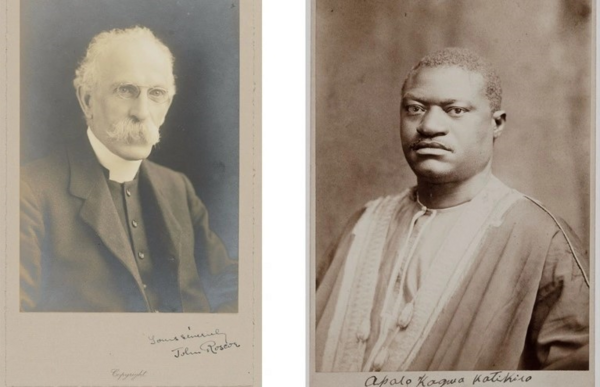
Reverend John Roscoe, Anglican missionary with the Church Mission Society in Uganda, 1894-1909. Sir Apolo Kaggwa, (Prime Minister) of the of the Kingdom of Buganda. Photograph by Elliott & Fry.
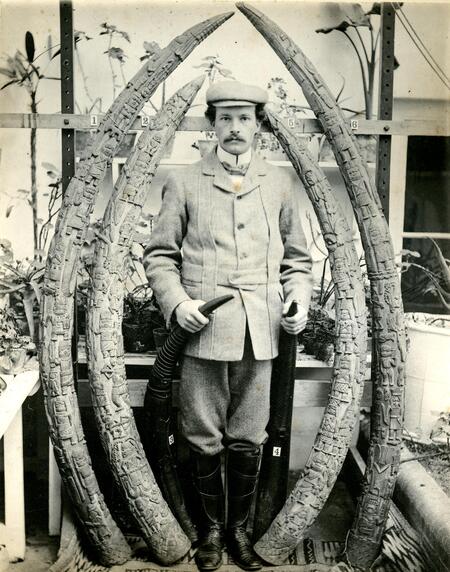
The Cambridge Museum of Archaeology and anthropology hold a number of collections of Artefacts and Photographs of the past histories of many African countries. Many of these were collected by early Missionaries and Explorers who were tasked by Britain to go to Africa and lay a foundation for colonialism through exploration and theological impersonation, among these include Rev. John Roscoe who was an Anglican missionary in East Africa. He had an upper hand in collecting works from Uganda where he spent 25 years and learnt about their culture. Sir Harry Hamilton Johnstone, Frank Rogers, John Gilbert Rubie, Ernest Balfour Haddon and Arthur Brian Fisher were also among the Europeans known for collecting African Relics during the Pre-colonial and the colonial Periods in Africa. «Collections have reached the Museum in many different ways. Some artefacts, in common with those in similar museums, were acquired in the aftermath of violence, as loot, or in other ways that would not be considered legitimate or appropriate today.» [mma.cam.ac.uk]. The statement highlights the fact that the MAA museum Acknowledges the claims that some of the relics they have in possession were attained through dubious ways and so returning them back as an answer to the requests from many Africans is a debt they should pay clear attention to.
Most of Artefacts from Uganda were attained by the Cambridge Museum Of Archaeology and Anthropology through the Christian Missionaries and Explorers who came to the East African Coast In the Late 18 and Early 19th Century. Rev John Roscoe an Anglican Missionary Collected a series of Artefacts from the Kingdoms and native Societies Of Buganda, Ankole, Toro, Bunyoro, Acholi and the Bagesu among others. However the biggest number of artefacts were donated to him by Apolo Kaggwa, the Katikiro (Prime Minister) of the Kingdom of Buganda. Прикрепить карточку «But several were donated to the Museum by Apolo Kaggwa (sometimes spelled Apollo Kagwa), the Katikiro (Prime Minister) of the Kingdom of Buganda. Other donors include British colonial officials Sir Harry Hamilton Johnston, Ernest Balfour Haddon, Frank Rogers, and John Gilbert Rubie, and Anglican Missionary Arthur Bryan Fisher”[source; maa.cam.ac.uk] And he cleary made an outstanding study through writing about the culture, beliefs and practices of the societies in Uganda, these are found in his books „The Baganda- an account of their native customs and beliefs“, „The northern Bantu“, „Tribes Of Uganda protectorate and the Banyoro Kitara“. , an account many Other relics were collected by the Ernest Balfour Haddon, an Irish-born British Administrator in Uganda, by then a colony of Britain. All these were
The great kingdom of Benin Art and culture on display in Europe
The great Benin Empire that belonged to the Edo people who currently live in the Edo State in the present day Nigeria. The Benin kingdom is well renowned for their figurative and artistic style of casting metal as a traditional skill. Most of the casted artefacts were commissioned by the royal family and were only for that purpose. The kingdom had a unique feature of a centralised political system and great creativity and outstanding craftsmanship where their traditions included metal crafting techniques for decorative, cultural and blacksmithing of weapons they used in war like arrows and spears besides resisting the enemy, this was Perhaps seen in the Scuffle when the British Invaded them in 1897. After the scuffle Artefacts Benin were all looted and taken following the overthrow of the Oba (Edo King of Benin).
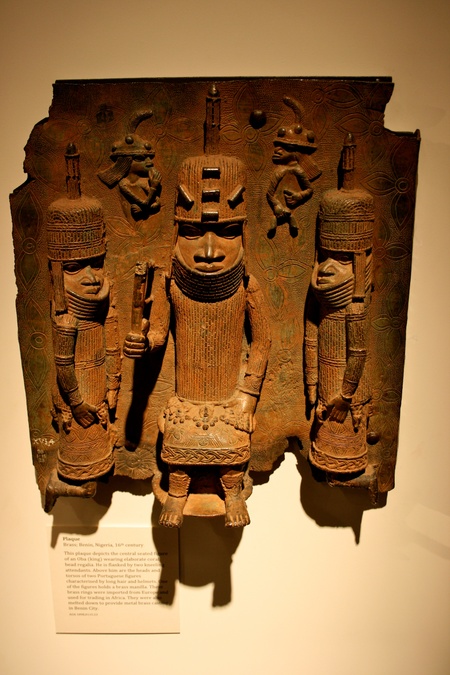
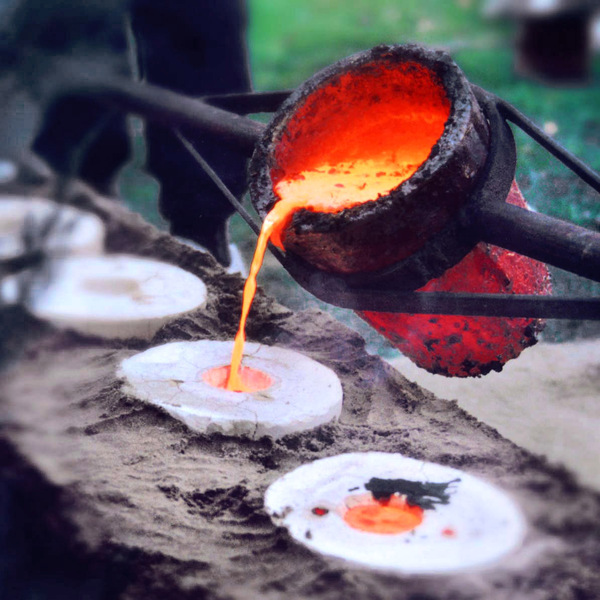
The people of traditionally had a skill of metal casting and its through this that they observed the subject matter, according tp the Museum curators the British Museum they used the Lost wax Technique to cast molten brass though in some cases they casted bronze. The Europeans who went to Benin and Ife both in Nigeria were wondering how these people could habe a very successful processes of bronze casting, with sophisticated designs and Intricate details.
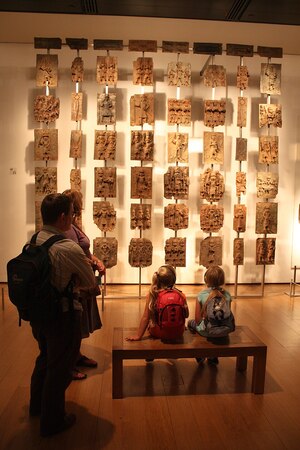
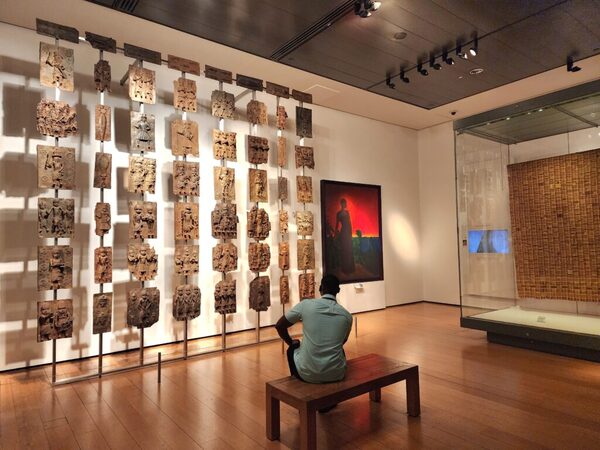
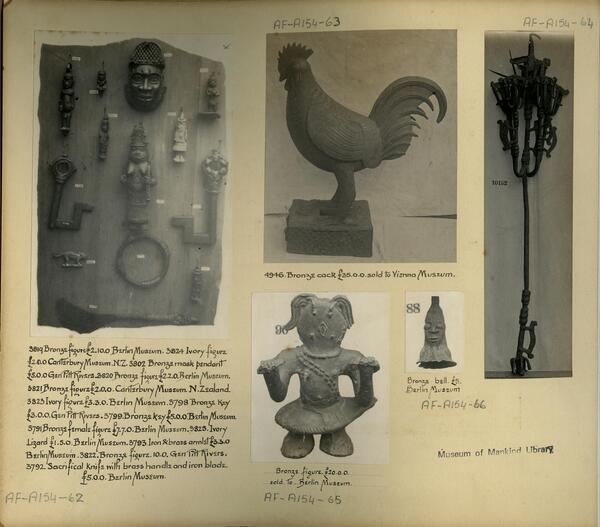
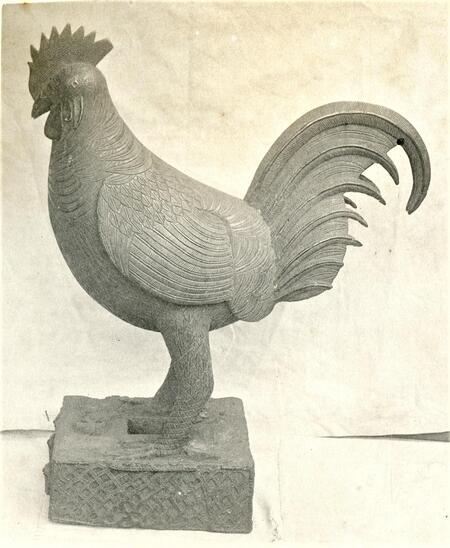
Photograph (black and white); mounted on card, part of a bound album. View of brass cockerel figureon square pedestal base. Photographic process.1898-1899 (circa)Photographed in: London (England)
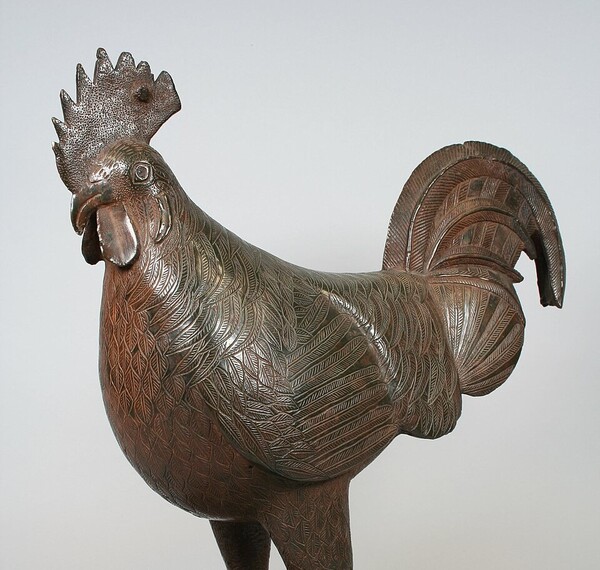
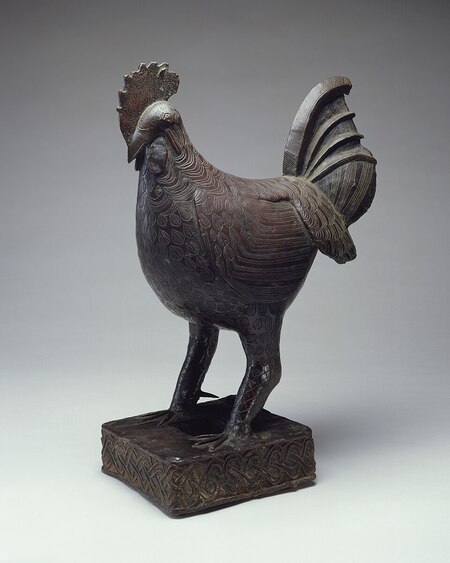
Cast bronze figure or aquamanile of a leopard with small hinged lid in its head, and spots shown as plain circles on clotted background.
Bronze box (a) and lid (b) in form of horse’s head, on plinth; used for kola nuts. Height: 12 centimetres (a+b)Weight: 0.50 kilograms Width: 7 centimetres (a+b)Depth: 19 centimetres (a+b)
Sword with iron blade and brass hilt.Africa: sub-Saharan Africa: Nigeria: Edo.16thC — 19thC