Introduction
Dyson, 2025
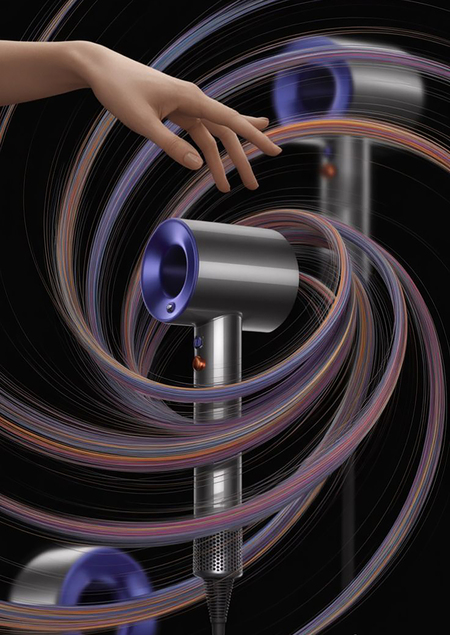
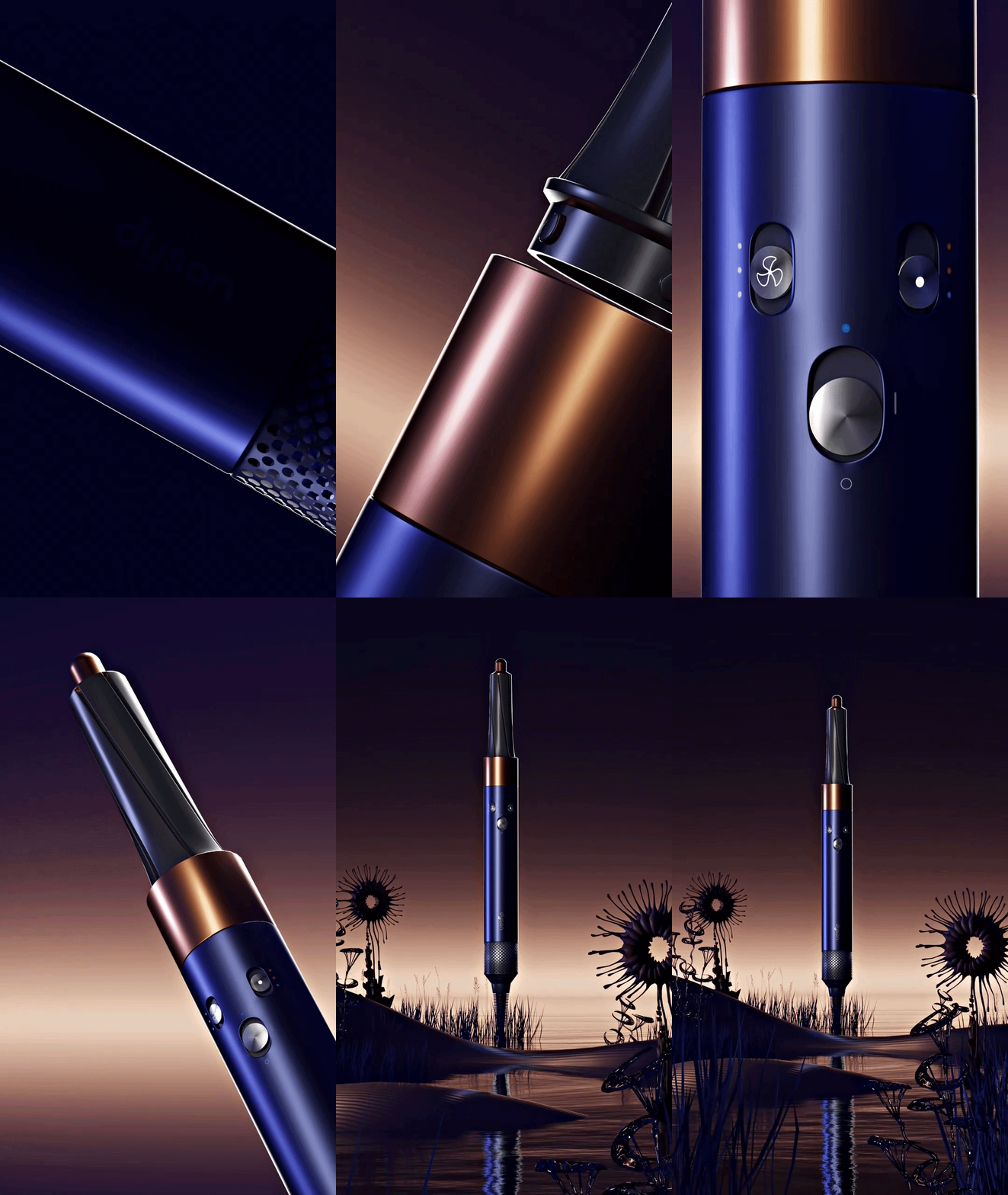
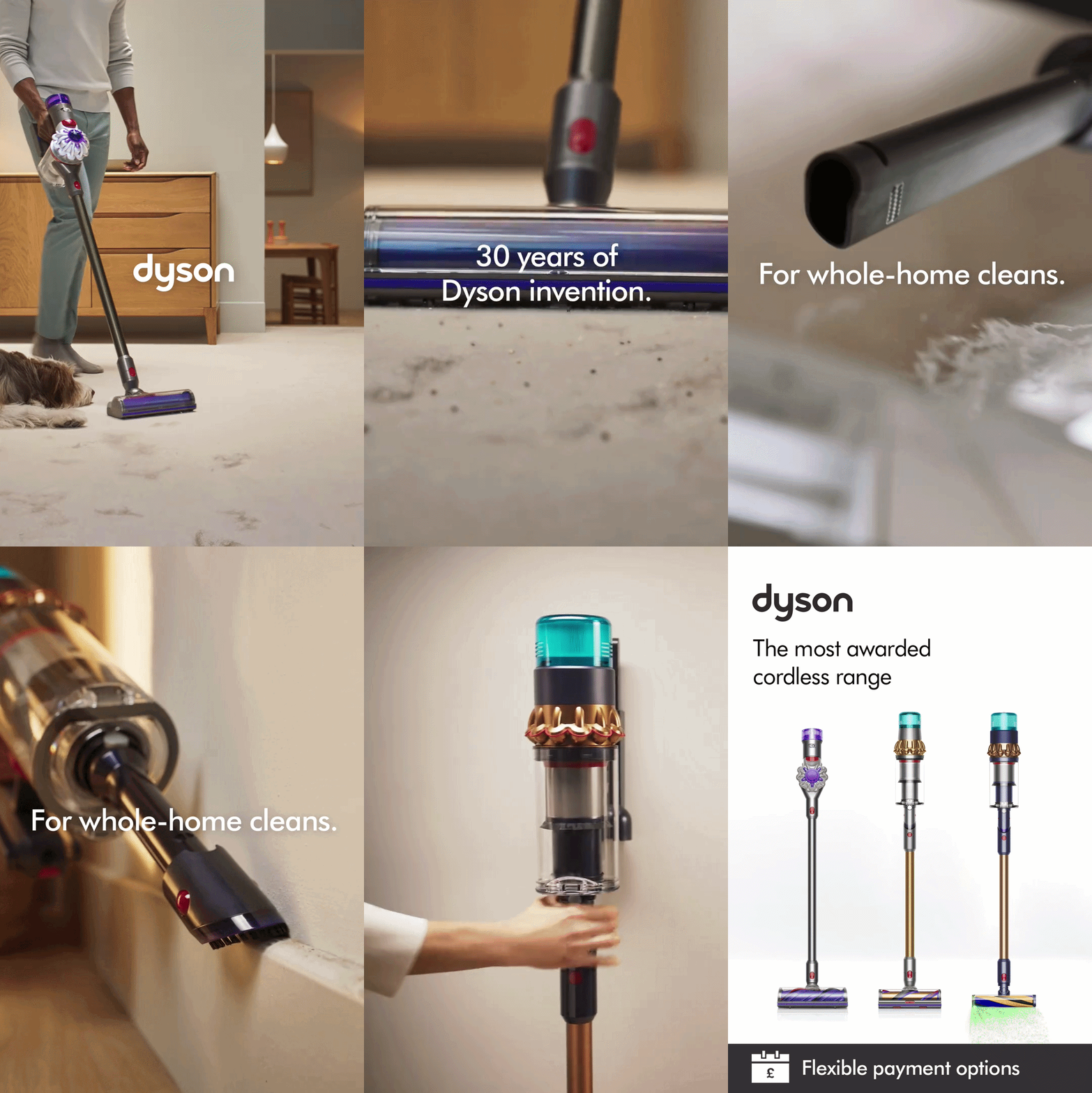
Dyson is a global technology company founded by James Dyson in 1991. The brand is best known for vacuum cleaners, air purifiers, fans, hand dryers and hair care devices. Today, Dyson positions itself as an engineering-driven brand that uses technology to solve everyday problems.
Dyson’s communication is built around one central idea: engineering can improve daily life. The brand often explains its products through technology, research, testing, airflow, motors, filtration and design. This makes Dyson different from many lifestyle or beauty brands because its emotional appeal is strongly supported by rational product arguments.
Core positioning&Target audience
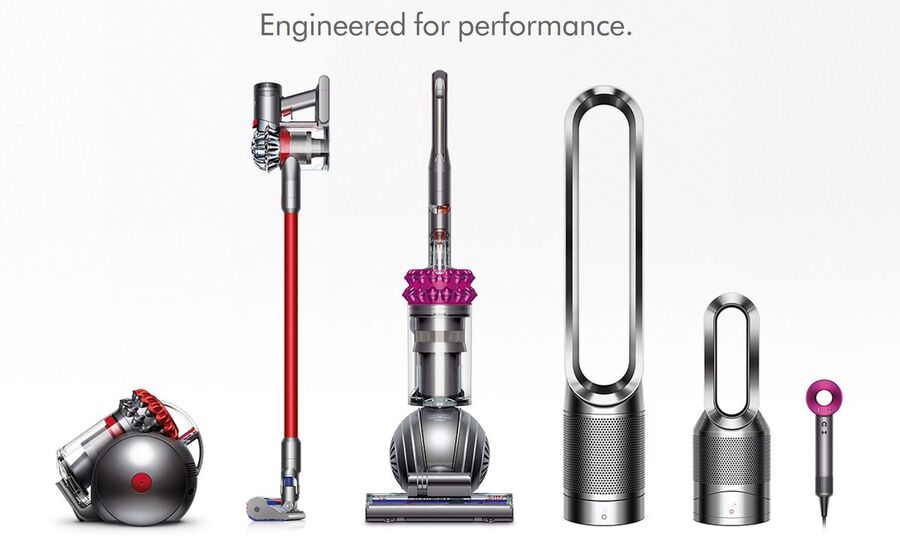
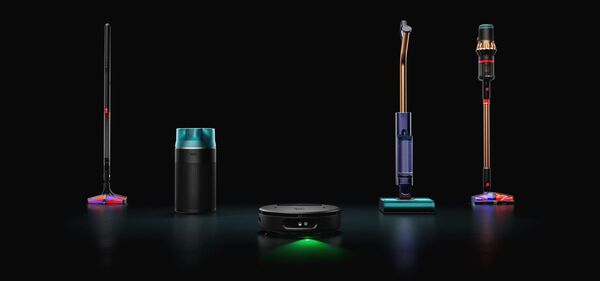
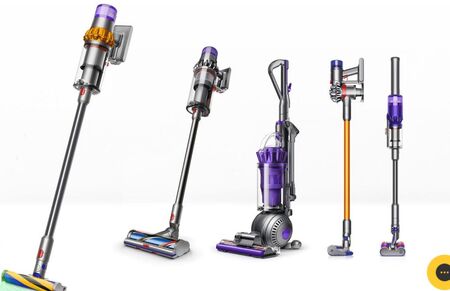
Dyson is a premium technology brand that transforms ordinary household and personal-care routines through engineering, innovation and design.
Dyson’s target audience includes people who value innovation and premium design. This audience includes urban professionals, families, beauty consumers, tech-oriented users and people who are ready to pay more for products that promise better performance and longer-term value.
Communication channels
Dyson uses several communication channels: the official website, social media, advertising campaigns, influencer content, retail stores and product demonstrations.
Official website
Dyson website, 2026
Dyson website, 2026
The official Dyson website is one of the brand’s most important communication channels. It presents products through a combination of clean visuals, technical explanations and buying information. The website does not only show what the products look like. It explains how they work. Product pages often include information about motors, airflow, filtration, heat control, battery life and attachments. This supports Dyson’s image as a serious technology company.
Social media&User-generated content
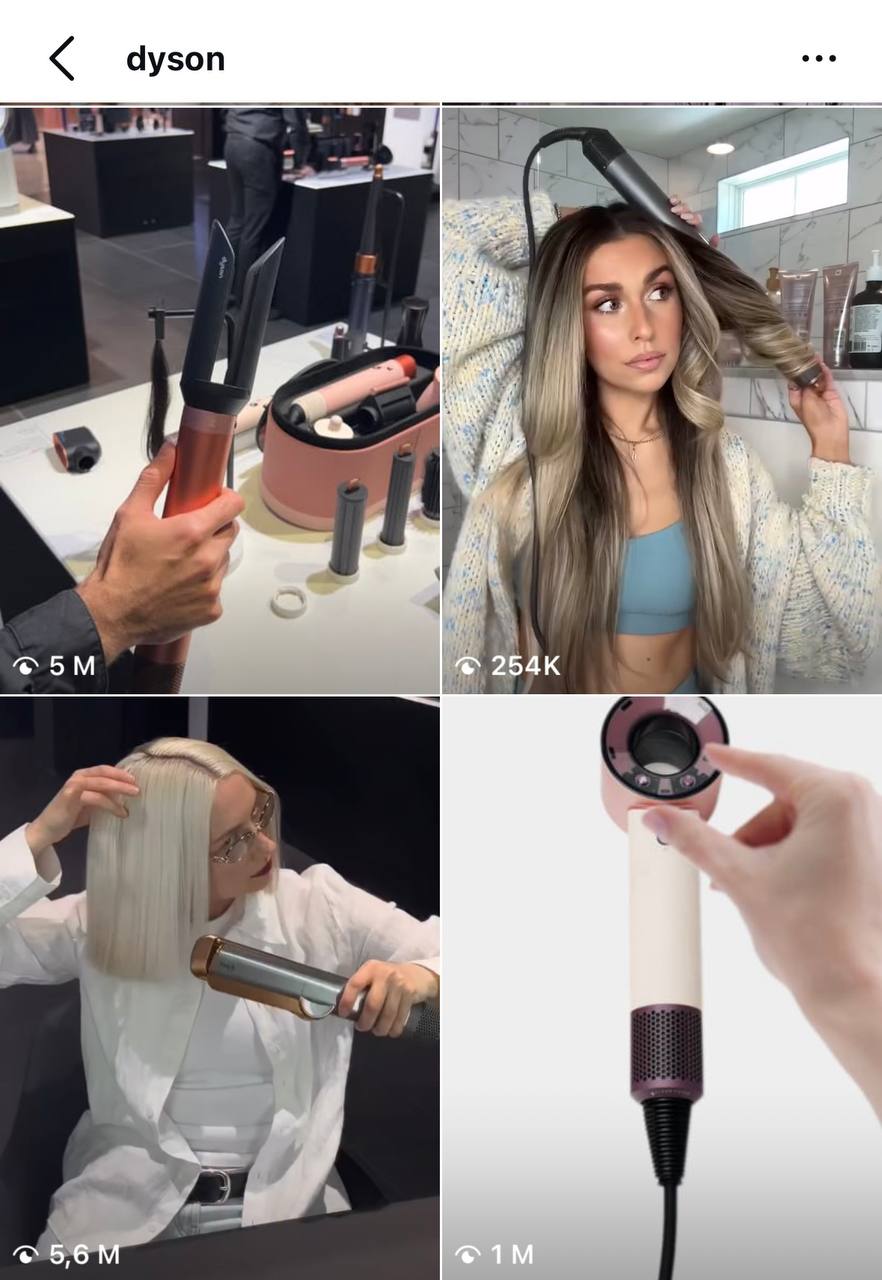
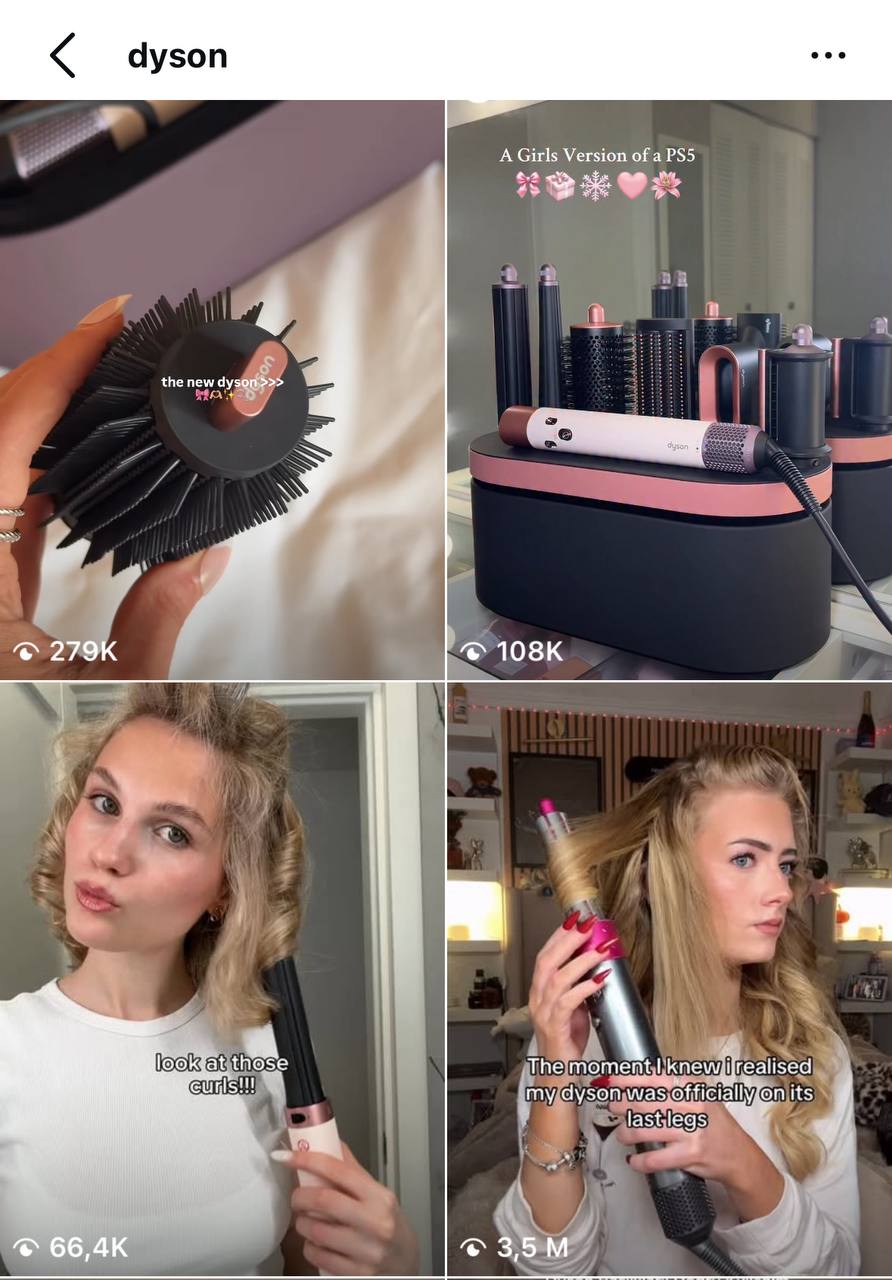
Dyson uses social media and user-generated content to show product benefits in a more emotional, visual and relatable way. On Instagram, TikTok and YouTube, the brand and its users share short demonstrations, styling routines, cleaning results, product close-ups and lifestyle videos. This is especially important for Dyson Beauty, where tools like the Airwrap, Supersonic and Airstrait are often promoted through tutorials, before-and-after videos and influencer routines. User-generated content adds social proof: the audience sees real people using the products, which makes Dyson feel more accessible, desirable and trustworthy.
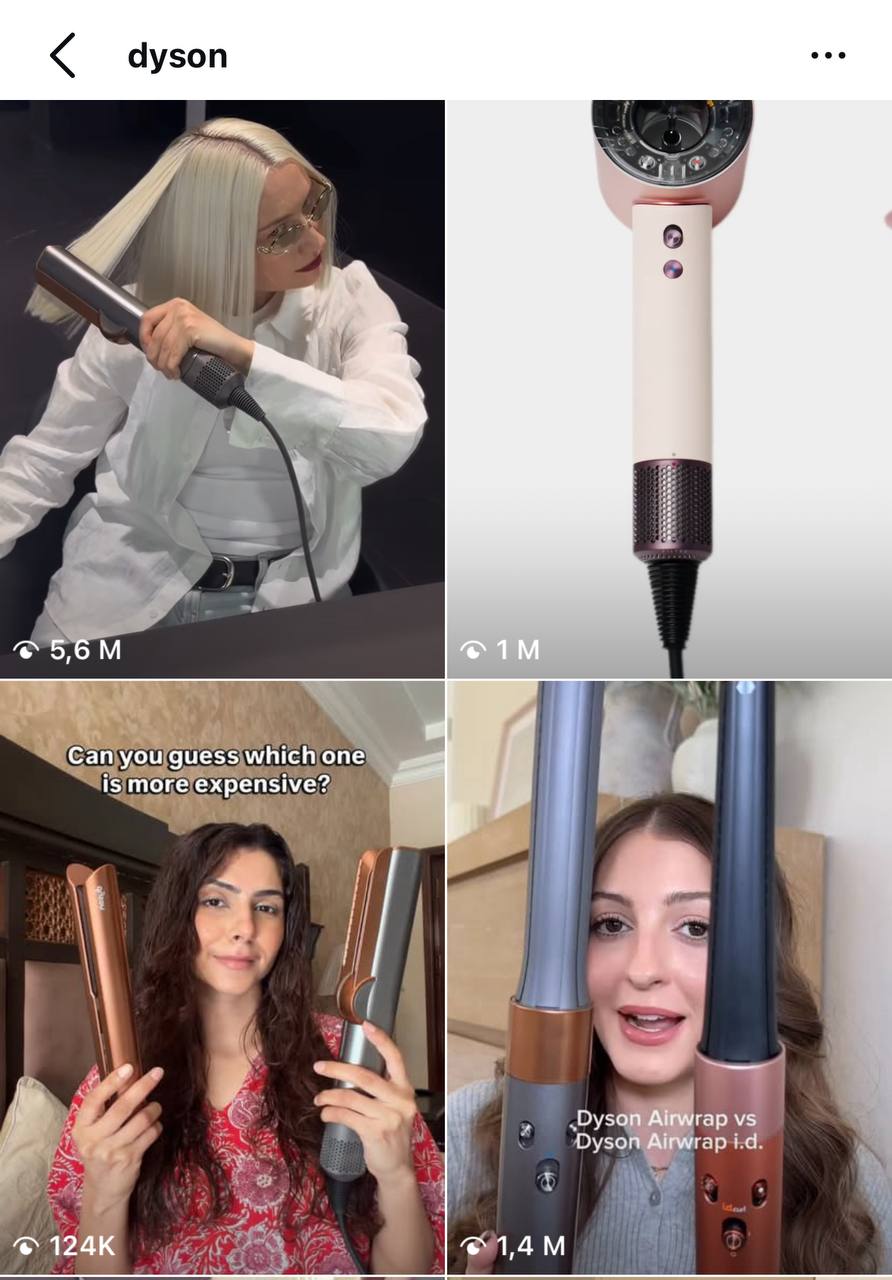
«Dyson» on Instagram*, 2026
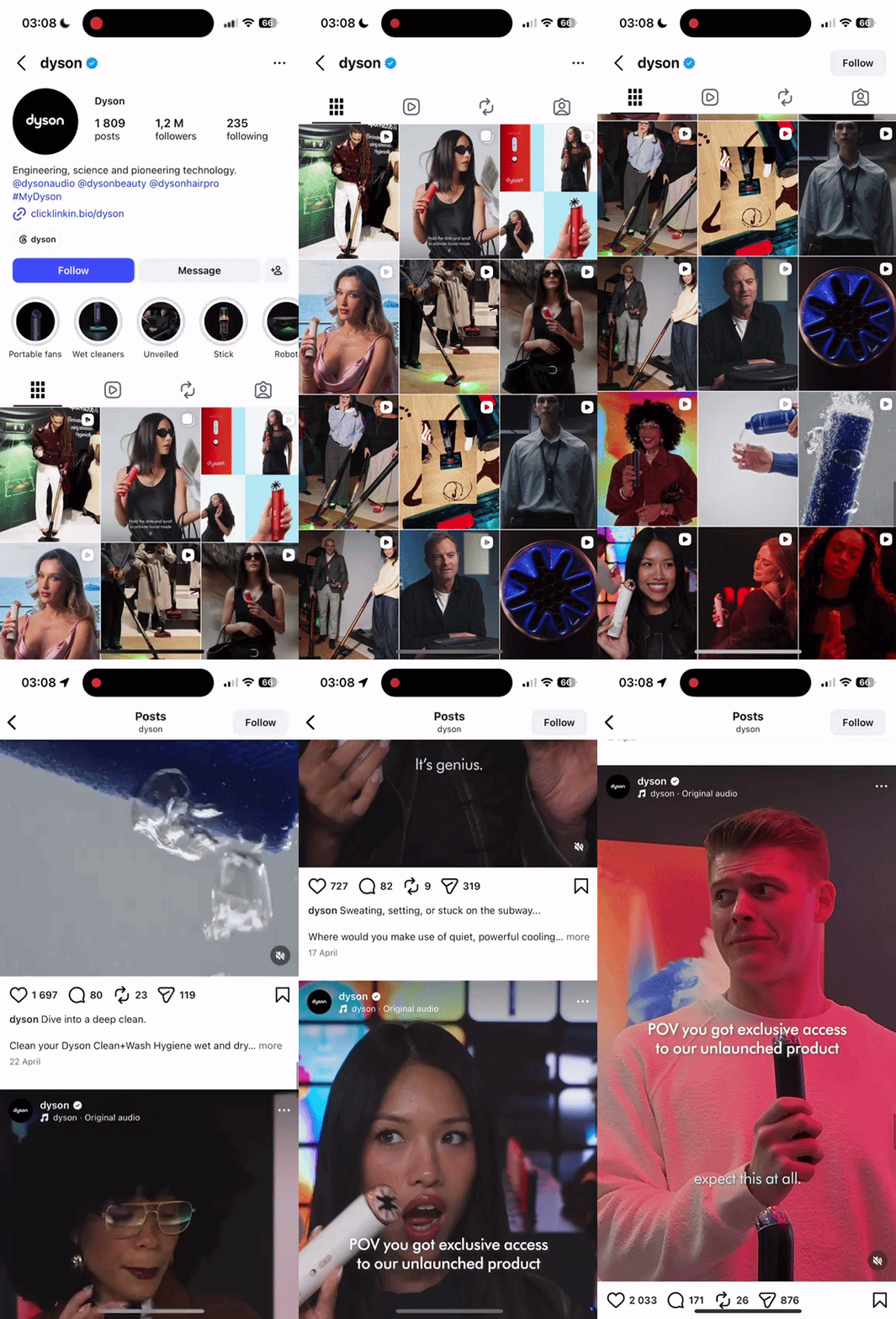
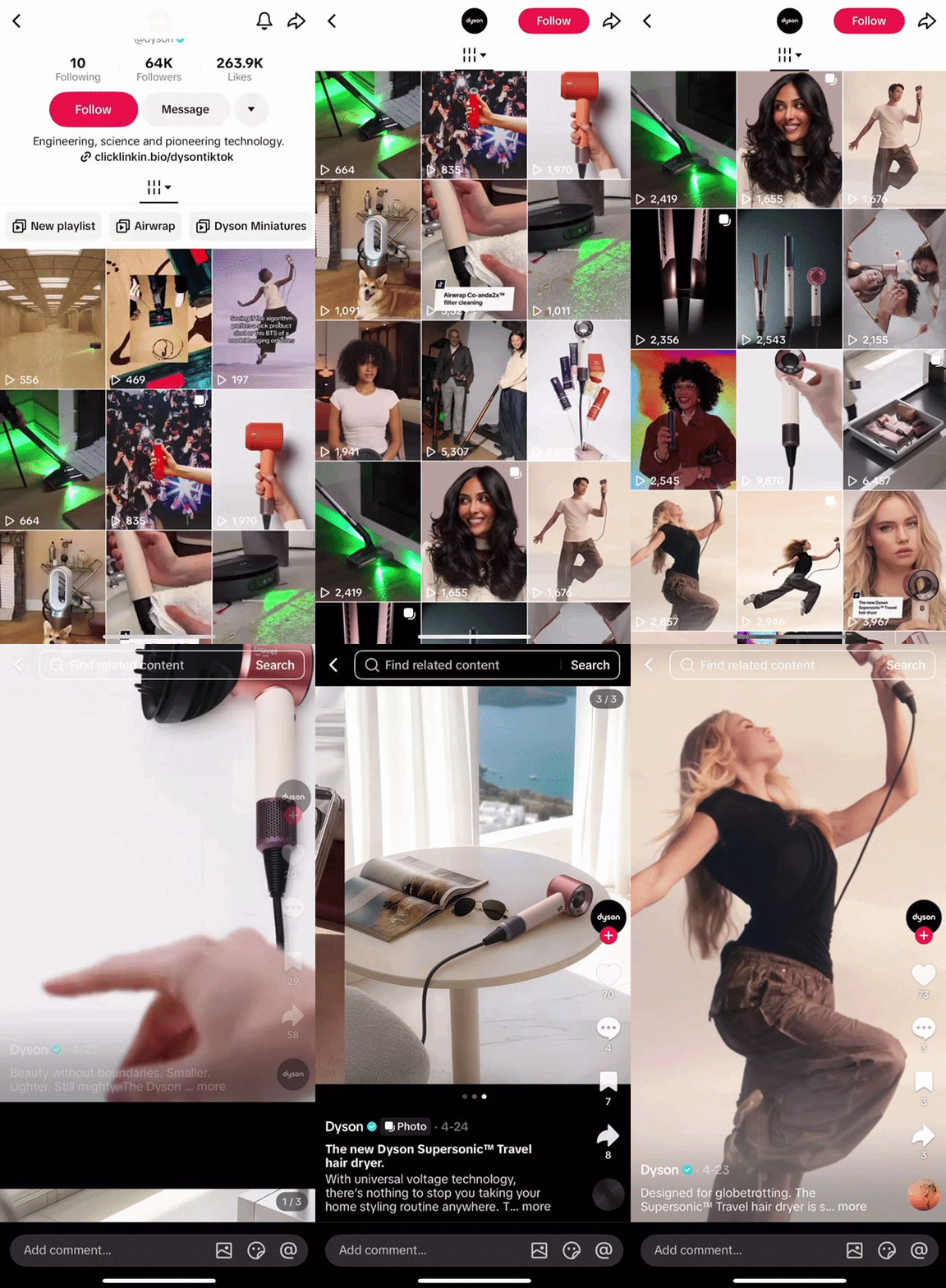
@dyson, Instagram*, 2026 @dyson, TikTok, 2026
Retail stores and physical experience
Dyson retail stores
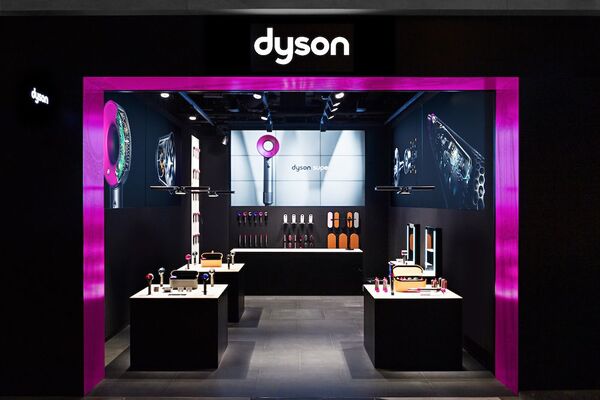
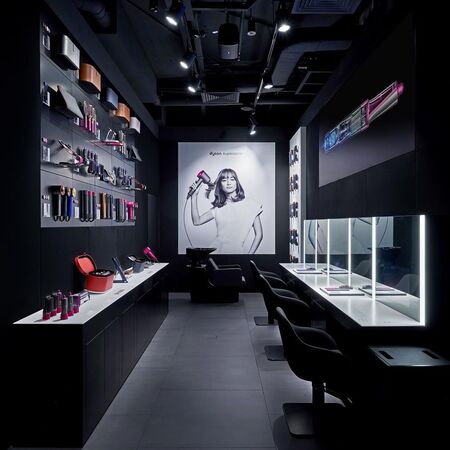
Dyson retail stores
Dyson stores and retail spaces also function as communication channels. The audience can touch the product, see demonstrations and receive explanations from consultants. This is important because Dyson products are expensive and technically complex. Physical experience helps reduce uncertainty and makes the product feel more convincing.
Theoretical Framework Analysis
Elaboration likelihood model and dialogic theory are suitable for Dyson because the brand communicates through technical persuasion and continuous interaction with customers. Dyson products are expensive and technologically complex, so the brand needs to explain why they are worth the price. At the same time, Dyson communication does not end after purchase: the brand continues interacting with users through customer support, tutorials, reviews, product registration and the MyDyson app.
Elaboration Likelihood Model
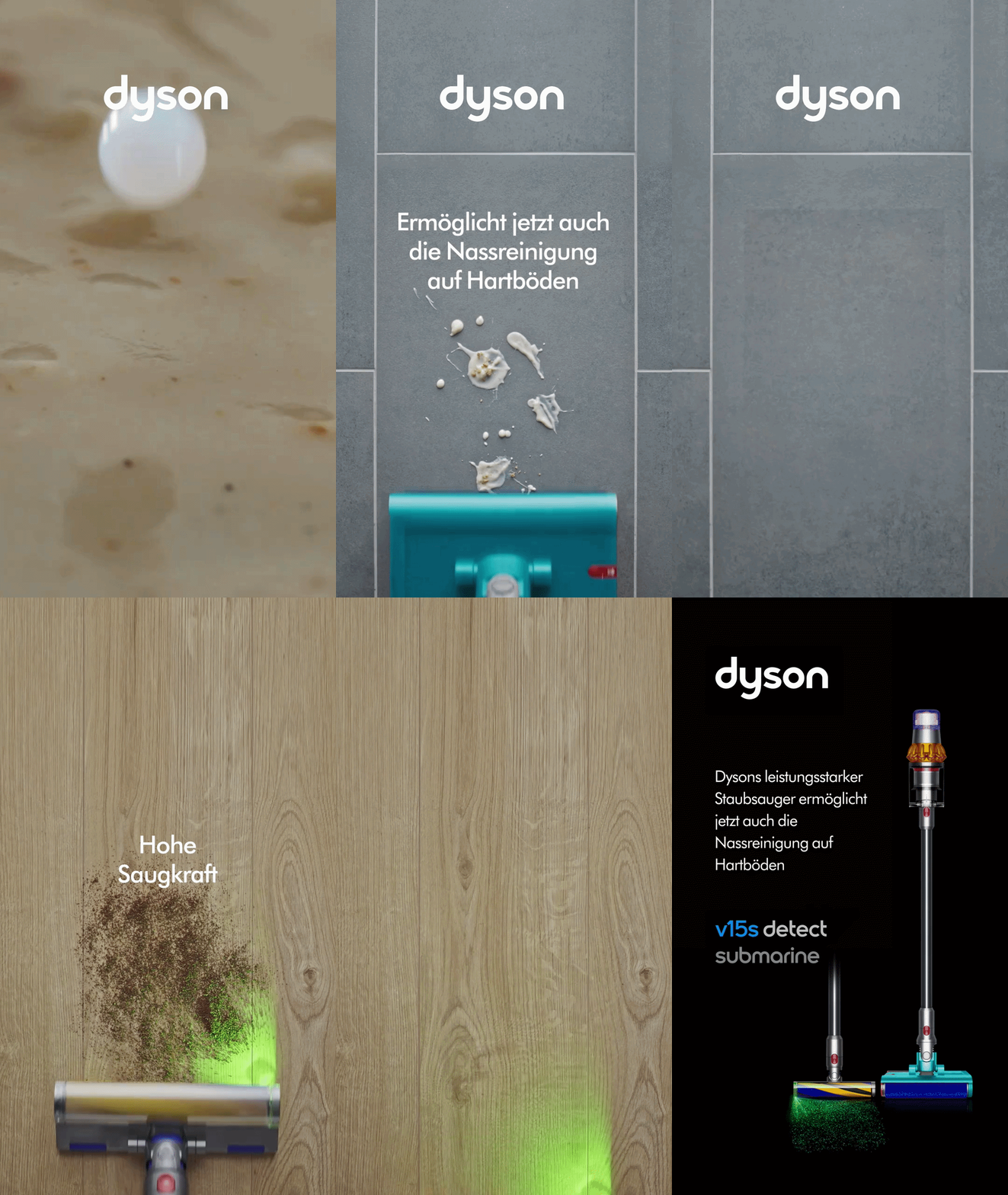
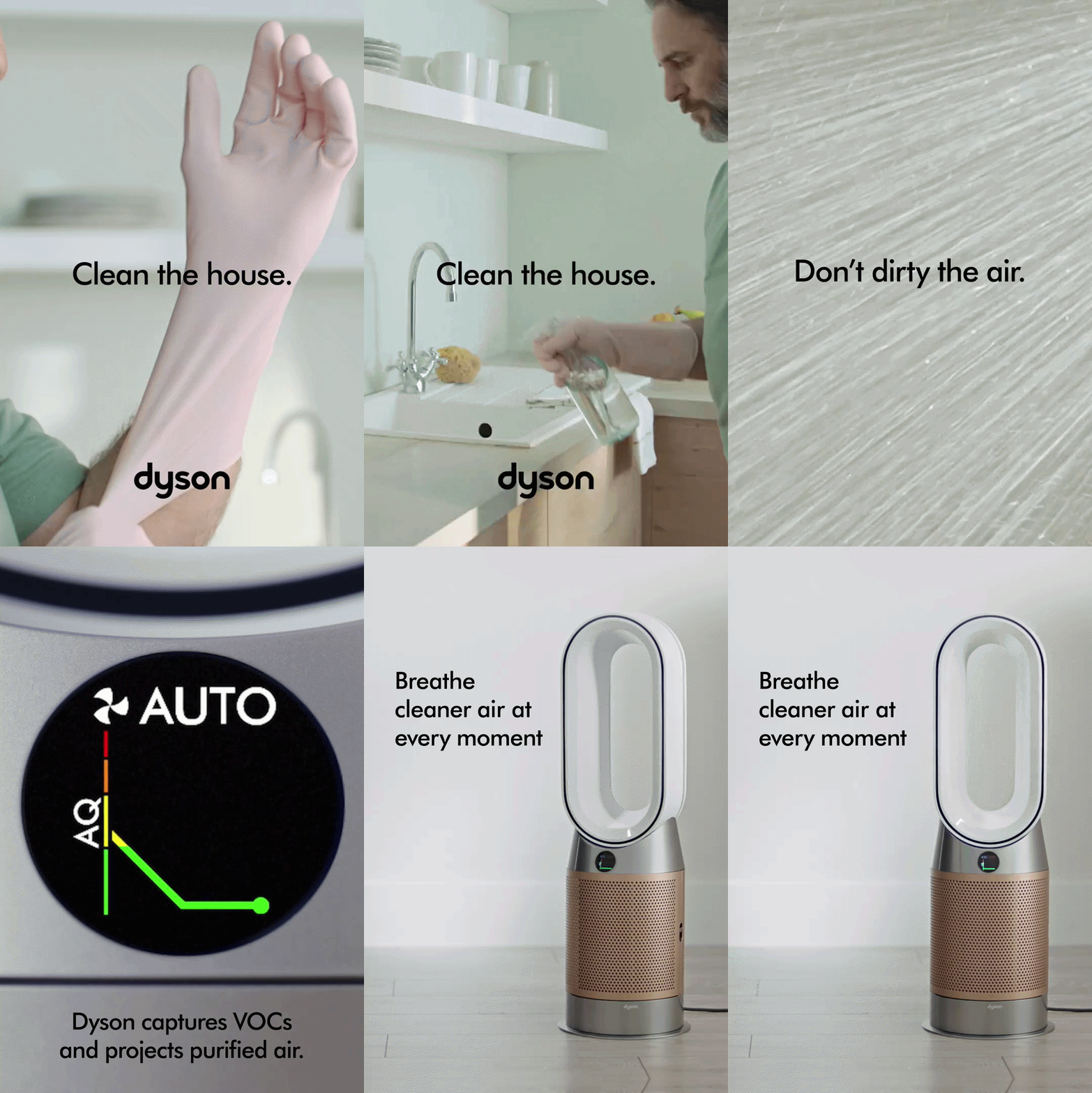
Dyson, 2025
The Elaboration Likelihood Model explains persuasion through two routes: the central route and the peripheral route.
The central route works when the audience focuses on rational arguments, technical details and product performance. Dyson uses this route through explanations of suction power, airflow, filtration, heat control, motors and sensors. Diagrams, demonstrations and scientific language help customers understand why the product performs better than ordinary alternatives.
The peripheral route works when the audience is influenced by visual style, reputation, premium design, influencers or emotional atmosphere. Dyson uses this route through futuristic product design, clean photography, beauty routines, lifestyle videos and the feeling of technological luxury.
Dyson combines rational trust and emotional desire. A customer may first want the product because it looks premium, and then justify the purchase through technical explanations, demonstrations and reviews.
«Dyson hairstyles» on Pinterest, 2026
Dialogic Theory
Dyson website, 2026