Categories:
Introduction
Chapter 1. Origins of Jazz and Historical Context 1.1. The Emergence of Jazz in the U.S. 1.2. The Social Standing of African Americans in the Early 20th Century 1.3. Music as a Form of Self-Expression
Chapter 2. Jazz and the Fight for Human Rights 2.1. Jazz in the Era of Racial Segregation 2.2. Musicians as Symbols of Freedom 2.3. Jazz and the Civil Rights Movement in the 1950s–1960s
Chapter 3. Jazz as a Cultural Phenomenon of Freedom 3.1. Improvisation as Musical Expression of Freedom 3.2. The Global Spread of Jazz 3.3. Jazz’s Influence on Public Consciousness
Conclusion
Introduction
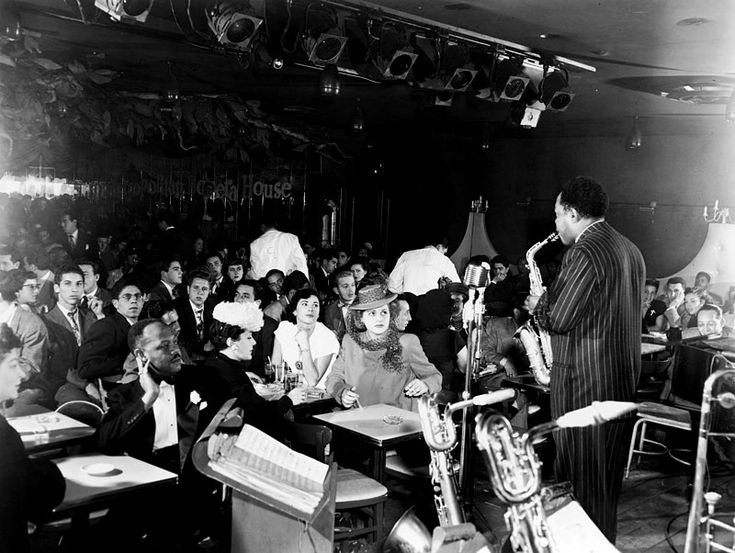
Jazz Nightclub
Music throughout human history has been not only an art form but also a way to express feelings, thoughts, and societal moods. Jazz is one of the most vivid examples of such music—a genre that emerged in the early 20th century in the United States of America. Jazz became more than just a new musical style; it was a cultural phenomenon that significantly influenced society. It reflected the striving for freedom, equality, and self-expression, particularly among the African American population.
Jazz Night Club
The relevance of this topic lies in the fact that jazz played a vital role in the history of the 20th century, becoming a distinctive «language of freedom.» Through music, performers expressed protest against social injustice, racial discrimination, and the limitations of human rights. During a period when society was divided by race, jazz united people from different cultural and social groups. It fostered dialogue between communities and gradually shifted attitudes toward African American culture.
The research problem is whether jazz can be viewed not only as a musical genre but also as a social instrument that influenced the societal processes of the 20th century. Was jazz merely a reflection of the era, or did it truly become an active force in the fight for freedom and equality?
The objective of this work is to determine how jazz expressed ideas of freedom and what social significance it held in the 20th century.
Chapter 1. The Origins of Jazz and Historical Context
New Orleans, 1910
The Emergence of Jazz in the United States
Jazz emerged in the late 19th and early 20th centuries in the United States, most notably in the port city of New Orleans. This culturally diverse city was a melting pot of European, African, and Caribbean traditions. This very combination became the foundation of a new musical language.
The roots of jazz are linked to the blues, spirituals (African American religious hymns), work songs, and ragtime. The blues reflected personal experiences and life’s hardships, the spirituals expressed hope and faith, and ragtime introduced syncopated rhythms and a piano foundation. Over time, these elements coalesced, and improvisation became the defining characteristic of the new style.
Early jazz ensembles typically featured trumpet, clarinet, trombone, piano, double bass, and drums. One of the first notable jazz musicians was Louis Armstrong, who made immense contributions to the development of solo improvisation and the popularization of the genre. Thus, jazz emerged as a result of cultural synthesis and became an expression of the unique experience of the African American community.
Saxophone
The Social Status of African Americans in the Early 20th Century
Following the abolition of slavery in 1865, African Americans formally gained freedom, but in reality, they continued to face discrimination. Jim Crow laws were enforced in the Southern states, which segregated public spaces by race. Black populations had limited access to education, employment, and political rights.
In these conditions, music became an important way to preserve cultural identity and express the inner world. History, pain, hope, and the yearning for freedom were conveyed through songs. Jazz became a part of this cultural resistance—not a direct political slogan, but a form of self-expression and affirmation of human dignity.
Social injustice became a vital backdrop for the formation of jazz as a symbol of inner freedom.
Music as a Form of Self-Expression
One of the defining characteristics of jazz is improvisation—the ability of a musician to create music in the moment. Unlike the strict canons of academic music, jazz allowed the performer to express individual identity.
Improvisation became an artistic expression of freedom: each musician could contribute their own vision, alter the melody, rhythm, or harmony. This was especially significant for individuals whose rights in society were restricted. The musical stage became a space governed by different rules—rules of creativity and equality. Jazz, from its inception, was not just a musical style, but a way to declare oneself to the world.
Chapter 2. Jazz and the Fight for Human Rights
Jazz in the Era of Racial Segregation
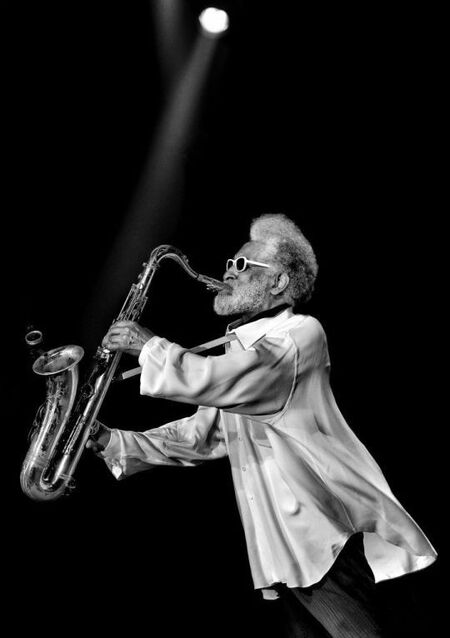
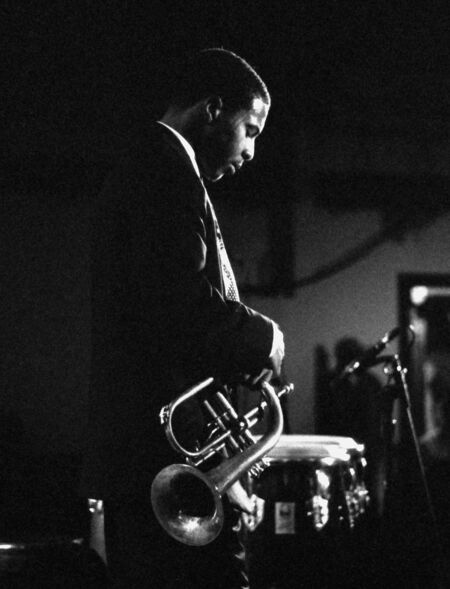
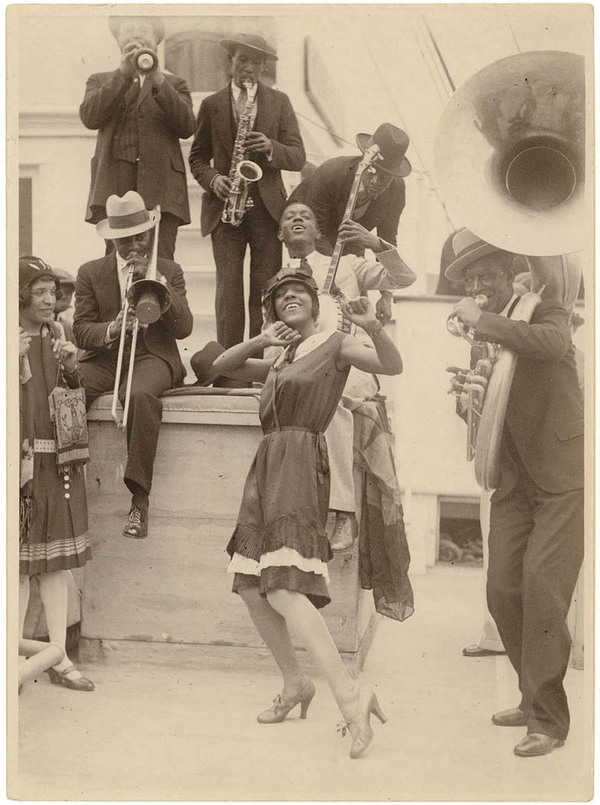
During the 1920s and 1940s, jazz gained widespread popularity. It echoed through clubs, on the radio, and in concert halls. However, society remained deeply divided. Many jazz clubs were segregated, and the performances of Black musicians were heavily restricted.
Despite this, jazz gradually began to break down barriers. White and Black musicians started performing together, marking a vital step toward cultural convergence. Music became a space for dialogue, where talent was valued above skin color.
Thus, jazz contributed to the slow transformation of public perception and became an integral part of the process of overcoming racial boundaries.
Musicians as Symbols of Freedom