История мушки: лицо как интерфейс
Искусство управлять собственной внешностью
Which girl seems most attractive to you?
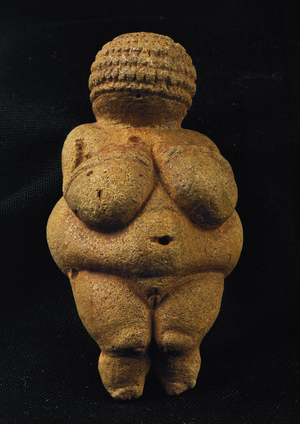
Венера Виллендорфская
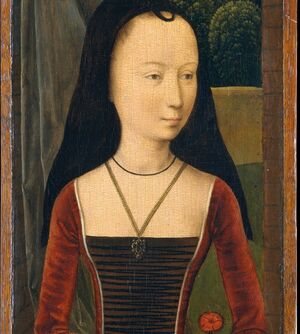
Картина Ганса Мемлинга — Аллегория истинной любви
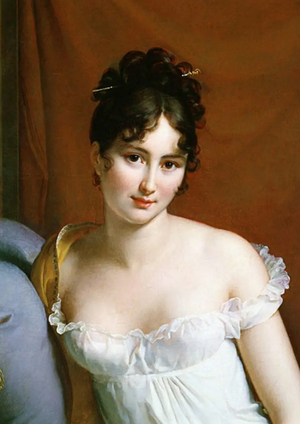
Жюли Рекамье
Doesn’t anyone…
Throughout history, the ways people have managed their appearance have constantly changed. Some eras favored naturalness, while others championed pronounced artifice. Some sought to conceal the signs of age and illness, while others turned cosmetic alterations into a marker of high status and good taste. Nevertheless, the desire to control one’s outward appearance has remained constant.
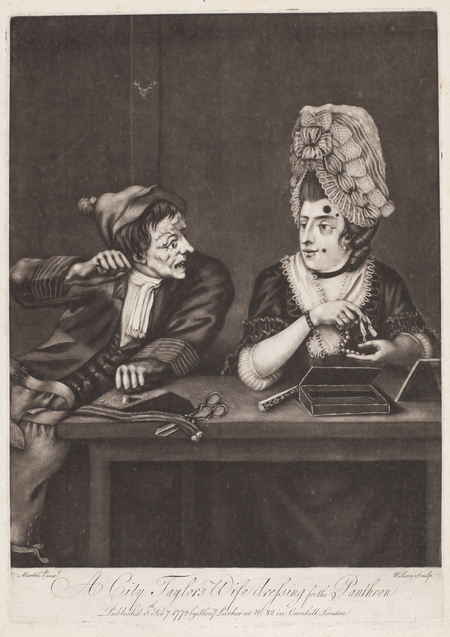
CONCEPT
In this work, I am examining a specific example of a cosmetic accessory—the history of the mouche. I propose tracing how the initial idea for creating this small flourish emerged, how it disseminated within the context of European culture, and how the mouche transformed into a fashionable phenomenon. It is fascinating how the cyclical nature of fashion predicted its return to the contemporary world.What is a moth?
This is what they called a small piece of dark fabric (velvet or taffeta) or a patch, which was affixed with the adhesive side to the décolletage or the lady’s face. Its original purpose was to conceal skin imperfections; however, the beauty mark later became a facial ornament and could even signify a person’s intentions.
The word «mouche» originates from the French «mouche, ” which translates to „fly.“ Indeed, the French refer to these spots on the skin as mouche or moucheron.
Incidentally, the English call this thing something different. They refer to it as a speckle or a beauty spot. A very charming variant, „patch, ” is also used.
Navigation
1. Hide
2. Embellish
3. Report
4. Judge
5. Become an Archetype
1. Hide: the first mentions of mosquitos in antiquity
In Ancient Greece and Rome, well-cared-for skin was often associated with a light, even complexion. This distinguished individuals who did not spend their days engaged in manual labor under the sun.
To achieve this effect, several methods were employed: lead-based whiteners, juices from poisonous plants, or pigments derived from mulberry or elderberries.
However, when white cosmetic mixtures failed to achieve the desired look in Ancient Rome, a small overlay was invented, known as splenia or alutae. These were direct predecessors to beauty patches—leather pieces affixed to the face for cosmetic purposes, used to mask skin imperfections such as blemishes or acne.
Archaeological evidence of their exact appearance and how they were applied has not survived. However, references to these patches appear in literary sources, such as Martial’s «Epigrams» and Ovid’s «Ars Amatoria.»
2-1 год до нашей эры
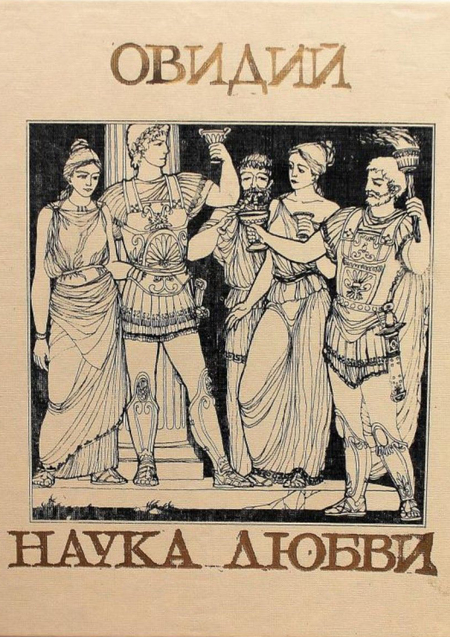
80-101 год н. э

… and the little patch (Ver. 202, «Aluta») covers your cheeks…
Hide: Widespread Musquito Infestation in Europe. Smallpox and Syphilis
In the 16th century, smallpox became widespread across most European nations. It left behind severe consequences, both in the form of high mortality rates and as indelible marks on the bodies and health of survivors. Scar tissue almost invariably remained where the sores had been. These scars were particularly noticeable on the face, which could cause significant psychological discomfort in those viewing the survivor.
Around that time, fascinations with insects began to gain serious popularity. They were used to conceal pox scars and syphilitic marks.
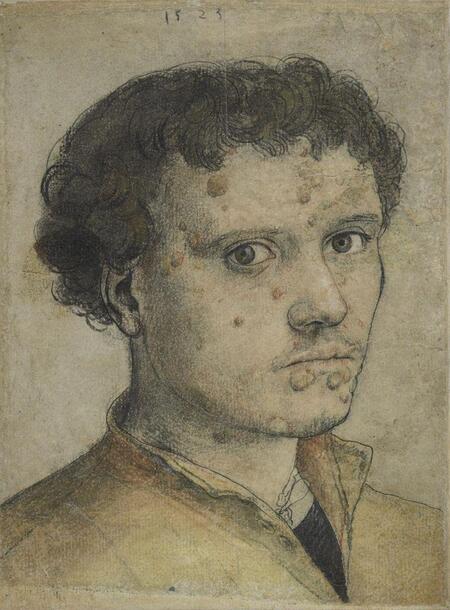
Secondary Syphilis in Portrait of Ulrich von Hutten» (1497-1543)
Pierre Jélyotte (1713-1797) in Comic Opera «Platée ou Junon jalouse»
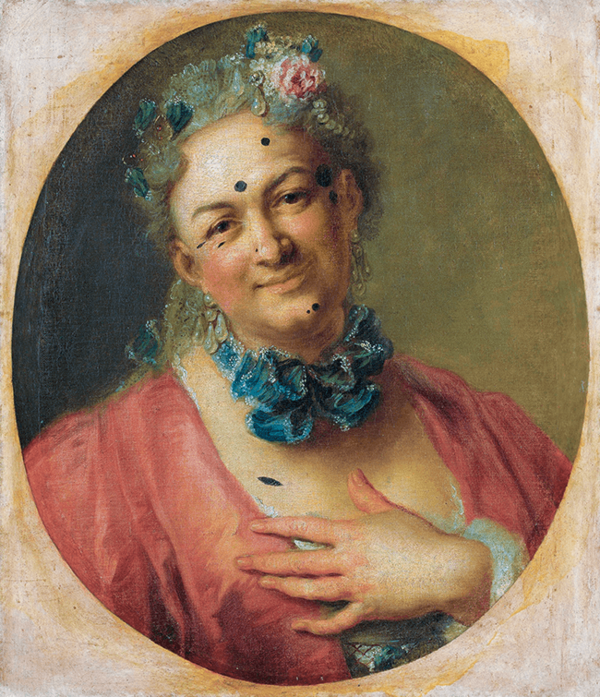
Decorating: From Camouflage to Signature Trait
Among researchers, debate continues over who pioneered the fly aesthetic. Here are a few theories:
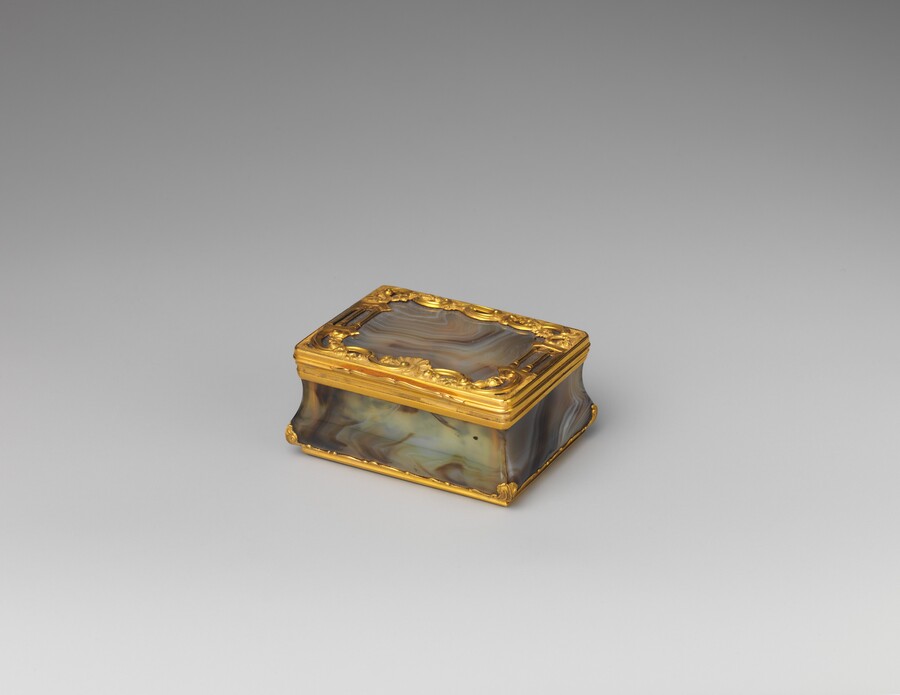
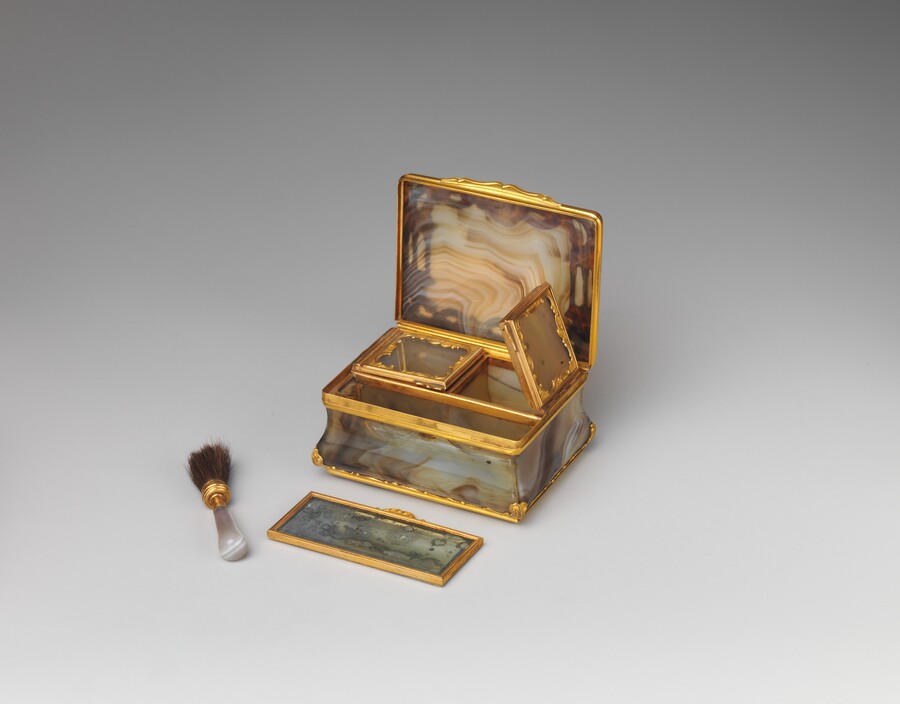
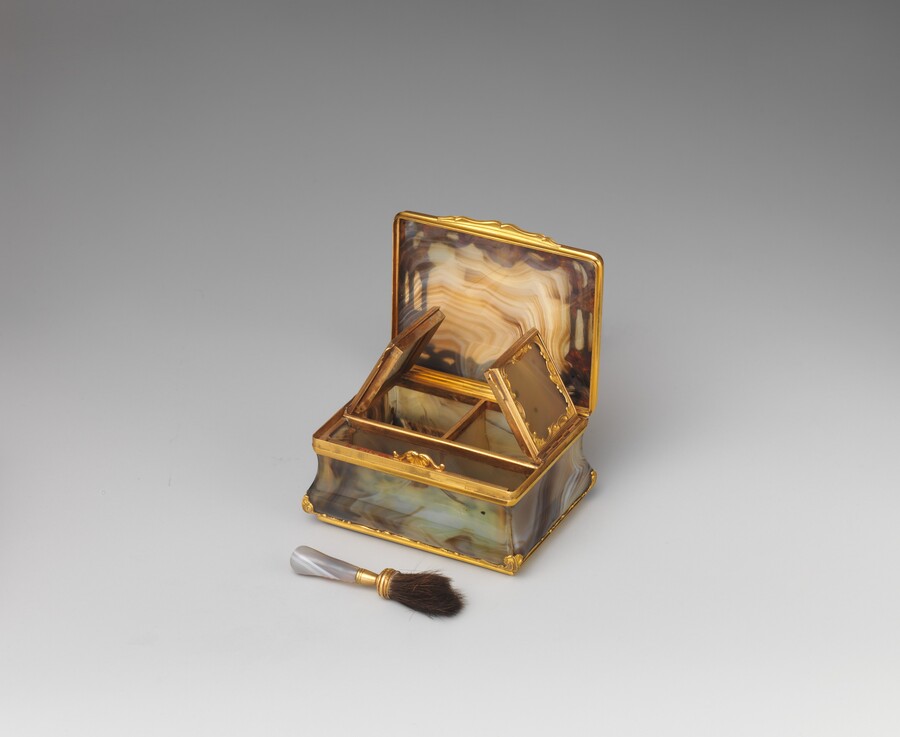
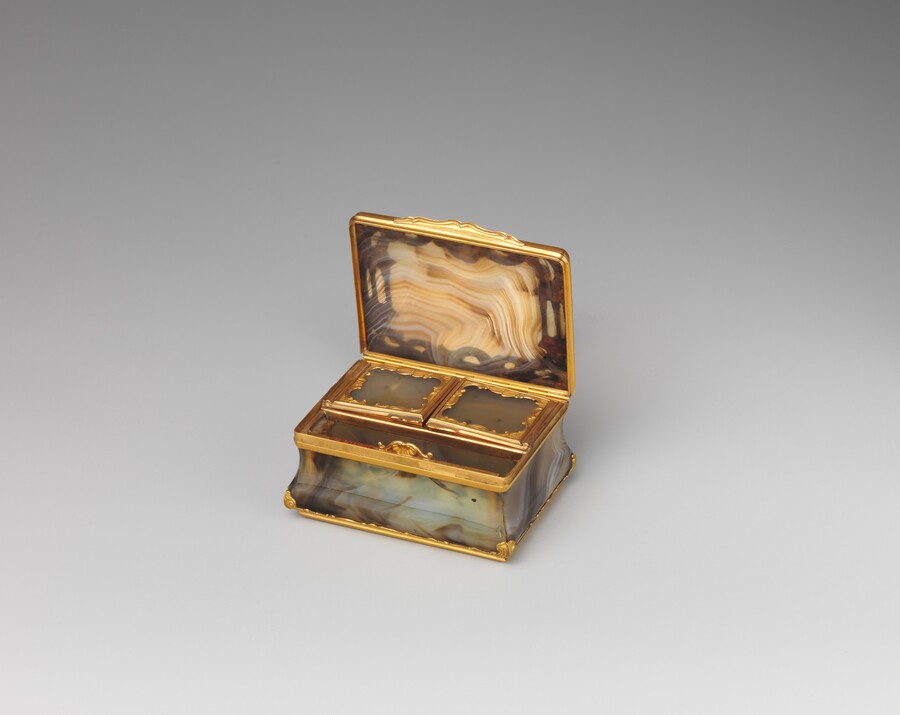
Box for rouge and patches British, London c. 1750–55