Concept
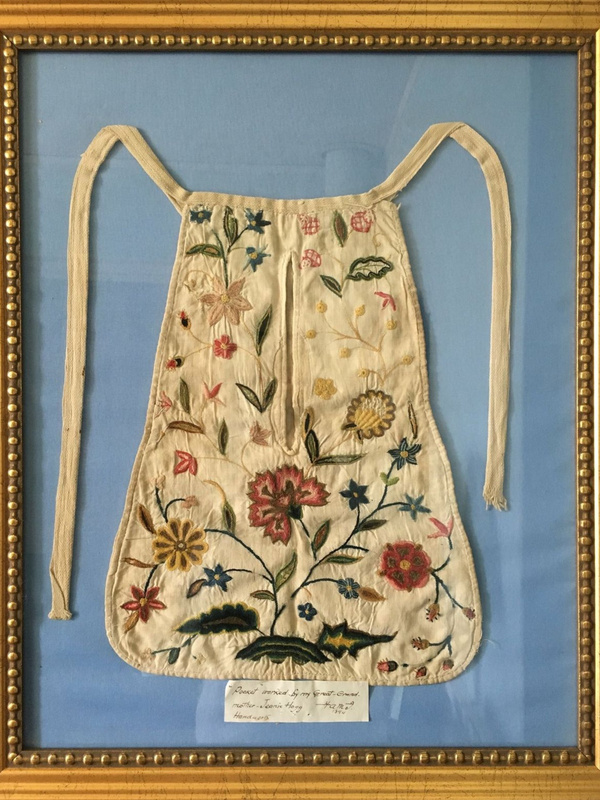
In everyday perception, a pocket seems like a small, unremarkable detail of clothing. However, its placement, method of attachment, and accessibility depend on the suit’s construction, meaning it can reveal a great deal about a person’s daily life and social circumstances. The history of the women’s pocket is particularly illustrative: across different periods, it existed as a separate item fastened with ties, hidden beneath skirts, opened through slits in garments, replaced by a small handbag, or integrated into the seams of a dress. Therefore, the absence of a visible pocket on a woman’s image does not automatically prove she had no storage space.This topic was chosen because the pocket is usually treated as a secondary element in costume history, even though it lies at the intersection of the body, clothing, and personal space. Through a small object, one can explore broader questions: what a woman might carry with her, the extent to which she controlled her own belongings, what items were considered personal, and how clothing concealed or, conversely, displayed access to them. The pocket thus becomes not only a functional detail but also a way to observe the everyday life that formal portraits or descriptions of a fashionable silhouette often leave out.Three types of sources will be used for this study. The first is the objects themselves from museum collections—including pockets, handbags, garment fragments, and doll costumes—which allow for the study of pattern making, seams, openings, and fastening methods. The second is imagery: portraits, fashion engravings, satirical sheets, and illustrations that help visualize how the pocket related to the woman’s silhouette and public persona. The third is textual evidence: academic articles on costume history and gender history, patterns from periodicals, diaries, advertisements, and court records that mention pockets and their contents. Special attention will be paid to comparing images and material objects: the silhouette visible in a portrait does not always show exactly where the pocket was located.The outcome of this research should be an original visual classification of women’s pockets based on two main criteria: placement and degree of accessibility. This will reveal that the pocket acted as a peculiar interface between the woman and the surrounding world—it could ensure mobility and privacy, remain hidden from view, or become a prominent element of her appearance.
iodides