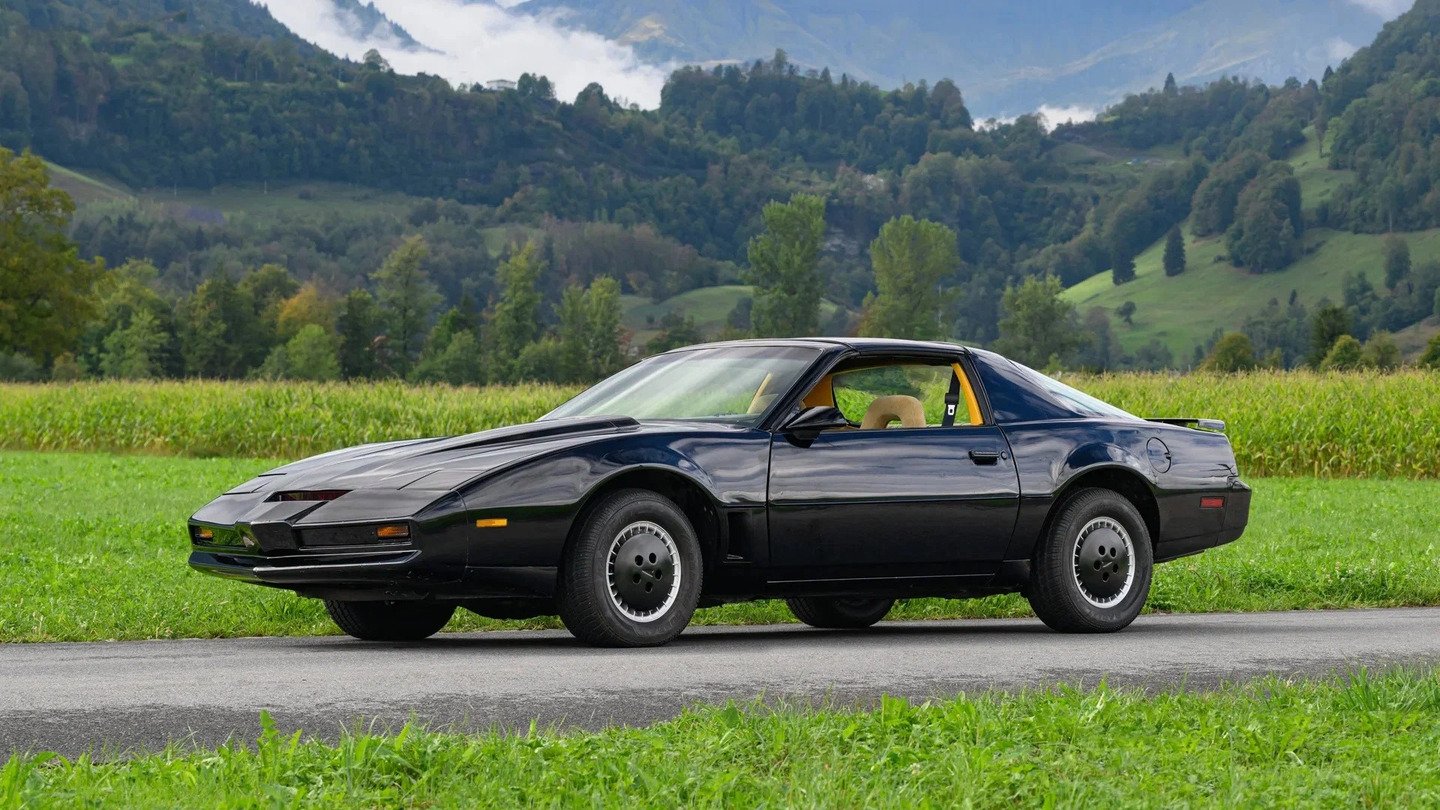
ЛЕГЕНДАРНАЯ ТАЧКА ИЗ «РЫЦАРЯ ДОРОГ» УХОДИТ С МОЛОТКА.
ТОТ САМЫЙ KITT — KNIGHT INDUSTRIES TWO THOUSAND, МАШИНА‑СУПЕРГЕРОЙ С ХАРАКТЕРОМ И ГОЛОСОМ
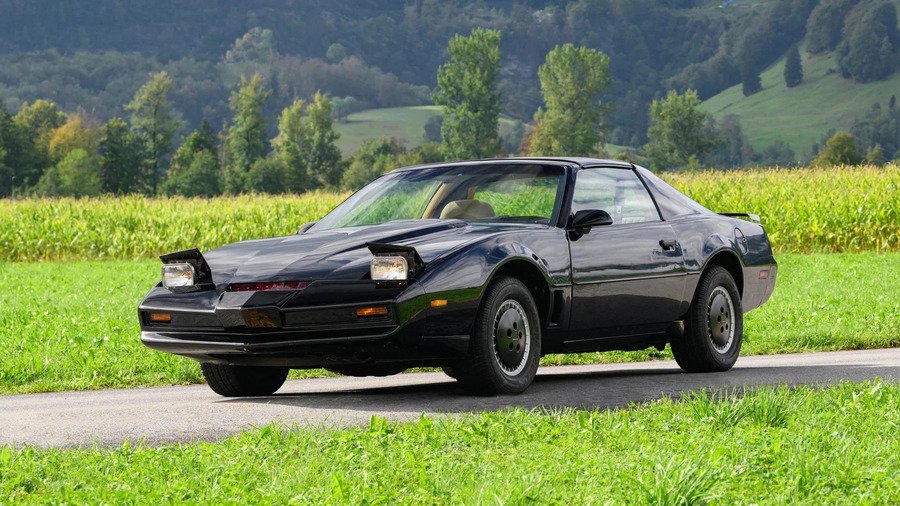
This isn’t the car you saw flashing through the frames. But David Hasselhoff actually drove it—during promotional tours, concerts, and exhibitions… In short, this car knows how to party in the 80s. It’s a modified 1982 Pontiac Firebird Trans Am—a brutal silhouette, distinctive KITT-style features, and a dashboard straight out of a sci-fi movie. And yes, the car runs, but it shouldn’t be driven on public roads: the specifics of the modifications are such that the police will definitely ask to see the paperwork for «Artificial Intelligence.»
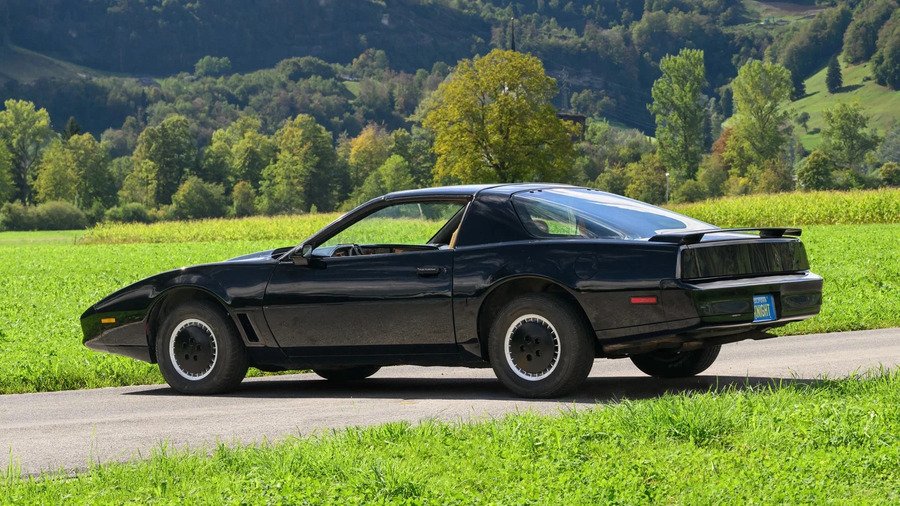
For fans of the series, this is more than just a piece of hardware—it’s a ticket back to childhood: a time when cars had personality, and the hero saved the world not with a swipe, but with skill behind the wheel and charisma. The auction will take place in Zurich, with prices expected to range from $300,000 to $600,000. This moves beyond simply «cruising the neighborhood»; it is about a collectible legend—like a vinyl record with an autograph, but a thousand times cooler.
What truly makes this story iconic is that the series theme became a legendary ringtone. Stu Phillips composed the music, and it permeated popular culture so deeply that in 2005, the track was recognized as one of the most downloaded ringtones—alongside the theme from «Mission: Impossible.» So, if someone’s phone rang with an epic synthesizer motif back in the 2000s, it could very well have been «Knight of the Road.»
But the coolest thing is how far ahead of its time the series was. «Knight Rider» in the 80s essentially drafted the blueprint for modern automotive technology—and it did it without any hype, purely through imagination. Voice control was present long before Alexa. It genuinely executed commands: opening doors, activating systems, analyzing threats. Today, this is a commonplace voice assistant, but back then, it looked like magic.
It had autopilot without a single Tesla chip. In every other episode, KITT zoomed down the highway without a driver—and it wasn’t just driving; it was dodging obstacles, calculating routes, and saving Michael. Today, that’s ADAS and autopilot; back then, it was a stunt driver in the backseat. It turns out the industry arrived exactly where the show depicted forty years ago—the difference is that instead of «I feel a threat, ” a camera beeps. It had a scanner that was like the great-grandfather of LiDARs and surround-view cameras. That red stripe running across KITT’s nose wasn’t just a flashy light effect. According to the series, it scanned the surroundings, detected threats, and recognized objects. Now, LiDARs, radars, and cameras do that—but the core idea is the same: the machine must see the world around it. The only difference is that instead of a stylish stripe, there are a host of sensors around the perimeter.
Michael communicated with KITT via a wrist-worn device—it was essentially the first smart companion gadget. Today, we have smartwatches that display notifications, heart rate, and weather, but the core concept remains the same: maintaining a connection with the machine from a distance. His had self-diagnostics. KITT constantly reported on system status, warned of damage, and could even state that the «protection level was reduced.» Now, it’s the check engine light, on-screen notifications, and diagnostic applications—but the essence hasn’t changed: the machine must communicate to us what is wrong with it.
KITT had armor, an evasion system, ejector seats, and even a laser (yes, the writers ran wild with their imagination here). But the core idea—to make the car as safe as possible and capable of protecting its passengers—lives on today in airbags, structural frames, and emergency braking systems. In this way, «Knight Rider» was not just a show about a cool car, but almost a technological forecast. And now that that very auction KITT is going under the hammer, it’s not just a retro automobile—it’s a monument to an era when the future was conceived on a shoestring budget, with rubber patches, a second steering wheel, and the epic music of Stu Phillips.