Media Concept
The main goal of LudoTalks is to build a bridge between complex academic research in Game Studies and the massive audience of gamers. Currently, the research environment is often intricate and inaccessible to the average player—someone unaccustomed to the dense philosophical, anthropological, and sociological lexicon found in scholarly articles about video games.
LudoTalks acts as a mediator and translator, adapting serious academic texts into an understandable and engaging format through journalistic articles. We aim to cultivate a culture of conscious gaming and demonstrate to players that video games are not merely entertainment, but a deep and multifaceted medium with numerous unique and distinctive qualities. By raising public awareness about game studies, LudoTalks attracts a new audience to the field of Game Studies—from passionate gamers to novice researchers and game designers.
Thematic Plan
The thematic plan for LudoTalks over the first six months will focus not only on covering core concepts in video game research but also on attracting a new audience. Consequently, some publications will be dedicated to timely analyses of current research and commentary on industry news from the perspective of Game Studies. However, to introduce new audiences to the culture of video game research, each month will be dedicated to exploring a specific set of themes.
Month 1 — Introduction to Understanding Video Games
The first month will be dedicated to introducing new students to the field of Game Studies. The focus will be less on complex research and more on familiarizing them with the research environment itself and with video games as a medium. LudoTalks will introduce readers and viewers to the specialized terminology and classification of games, as well as to the pioneers of academic video game studies.
Month 2 — Narratology vs. Ludology
This month’s content will feature increased coverage of the research environment and publications. The main theme for this month is the confrontation between narratology and ludology. Within this theme, we will examine various games through the lenses of humanistic and narratological principles, and we will show the outcome of this confrontation within the academic community.Starting this month, we will launch a segment analyzing video games from different eras based on their humanistic and narratological elements.
Month 3 — Problems in Dividing Video Game Genres
In this content block, LudoTalks will share research on video game genres and the issue of video game classification. The content will explore the history of how different genres emerged.
Month 4 — How did RPG video games become so popular?
This month, we will be exploring the vast field of role-playing video games. The content will focus on researching the latest innovations in this genre and the history of RPG video game development.
Month 5 — What Frightens Us About Games?
This section will explore research related to the study of the horror video game genre. The content will be built on analyzing various games and how they manage to frighten players, supported by academic research.
Month 6 — Computational and Console Approaches to Game Design. How does platform influence video games?
This month, we will explore the differences between console and computer game design and how games have become multiplatform.
Content Samples
1
CATEGORY: «Academic Term» · Format: Telegram post
Game Studies: Games as a Subject of Scientific Inquiry Why do some games make us cry, others make us argue about morality, and still others cause us to spend hundreds of hours in a virtual world?This—and similar questions—is what Game Studies explores; it is an interdisciplinary field of video game research.It combines various approaches:Psychology examines player emotions, motivation, and behavior. Sociology investigates gaming communities and interpersonal relationships. Philosophy addresses questions of freedom, choice, and responsibility. Art and media theory analyzes visual language, narrative, and the nature of the gaming experience. For instance, Minecraft can be studied not only as a building game but also as a space for creativity, collaboration, and community formation.Game Studies does not attempt to prove whether games are inherently beneficial or harmful. This field helps us understand how games are structured, what we experience within them, and what place they occupy in culture.LudoTalks explains the science of games in plain language.
2
CATEGORY: «Play and Think» · Format: Article
Why Does Losing Sometimes Motivate More Than Winning?
Imagine: you are trying to defeat a difficult boss for the tenth time. Every time, you lose, but instead of quitting the game, you press continue. Why?
At first glance, this seems illogical. We are used to thinking that enjoyment is tied to success, and failure should make us want to stop. But in video games, it’s a little more complex.
Losing becomes part of the learning process.
In games like Dark Souls, failure can deliver crucial information to the player: when the enemy attacks, which movements are too risky, and when to dodge. The next attempt doesn’t entirely repeat the last one—the player gains new experience.
The perceived opportunity to improve the outcome is also vital.
If a player understands that their actions influence the result, the difficulty can be perceived as an interesting challenge. We aren’t just enduring defeat; we are trying to find a solution. However, if the game feels unfair or progress seems impossible, the same challenge can provoke frustration.
In motivation psychology, there is the concept of self-efficacy—a person’s belief in their ability to handle a specific task. Successfully completing an attempt after a series of failures can strengthen this confidence.
So, it’s not that players necessarily enjoy losing. Rather, defeat can gain meaning if it helps them move closer to a goal.
The main takeaway is this: interest in a challenging game is sustained not only by the reward of winning but also by the feeling of personal growth.
Now, the question is: what makes you come back after a loss—the desire to win, interest in the process itself, or an unwillingness to leave the task unfinished?
3
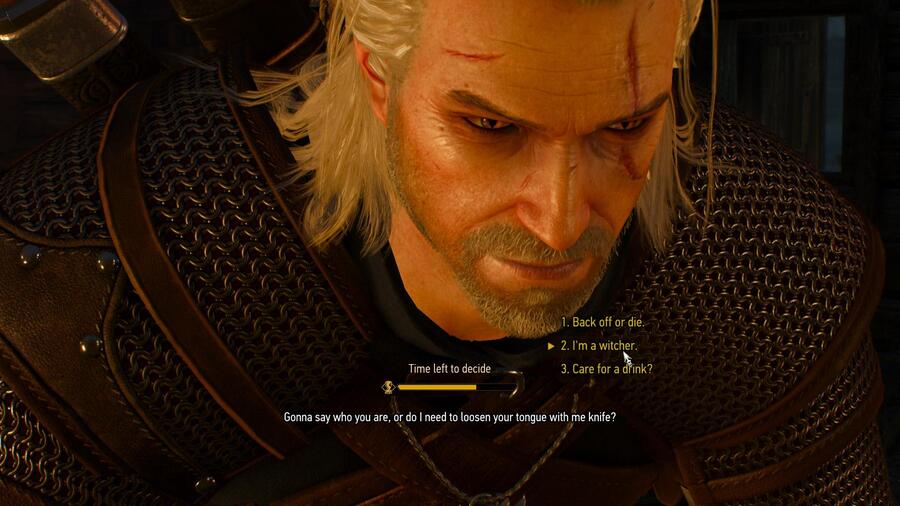
CATEGORY: «Why It Works?» · Format: 6 cards for VK
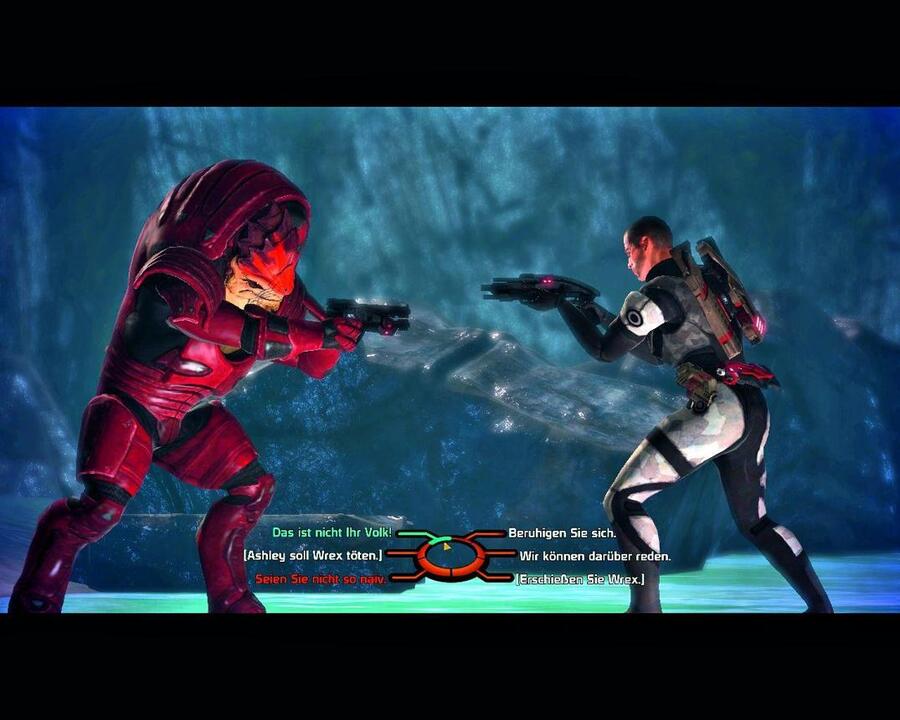
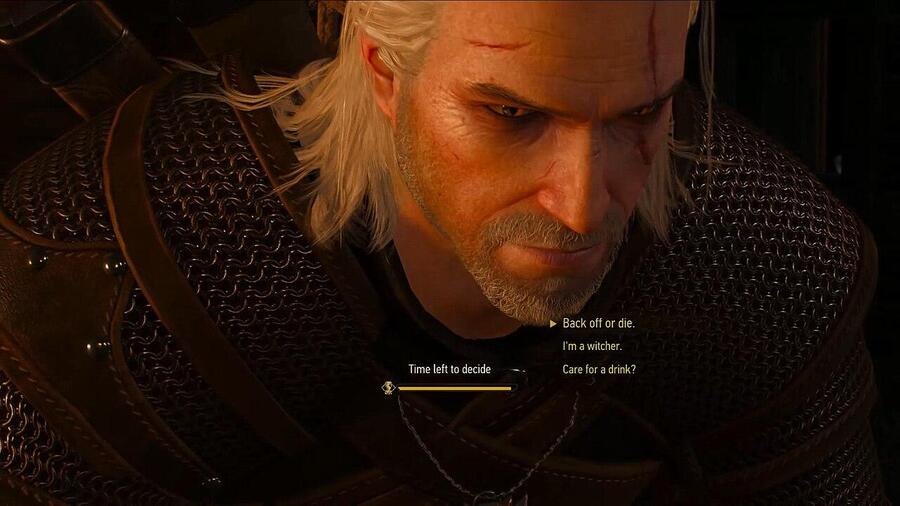
Card 1. CoverWhy do we take choices so seriously in games?From RPG dialogue to deciding whom to save in a narrative adventure.Card 2. ConsequencesWe want to see that our actions change the world. Even a small change in dialogue can create a sense of influence.Card 3. IdentityBy selecting lines and actions, we shape our character’s persona. Sometimes it mirrors us, and sometimes it allows us to explore a different role.
Sample 4. Audience Survey — «How Do You Play?»
When you play a narrative game, how do you typically make decisions?
I choose based on what I would do in real life.>I act according to my character’s nature.>I look for the most advantageous option and the best outcomes.>I experiment and see what happens.