Механика за 3 минуты
Mechanics in 3 Minutes
«Mechanics in 3 Minutes”—media for beginner game designers explaining how game mechanics function and why they create a specific player experience.
Each piece focuses on a single mechanic, briefly answering three questions: how it works, what it provides the player, and what a game designer can learn from it.
The primary format is a short text accompanied by in-game screenshots or GIFs. Publications are organized using tags.
AI is utilized to find relevant references, similar mechanics, and for initial content systematization.
Thematic Plan
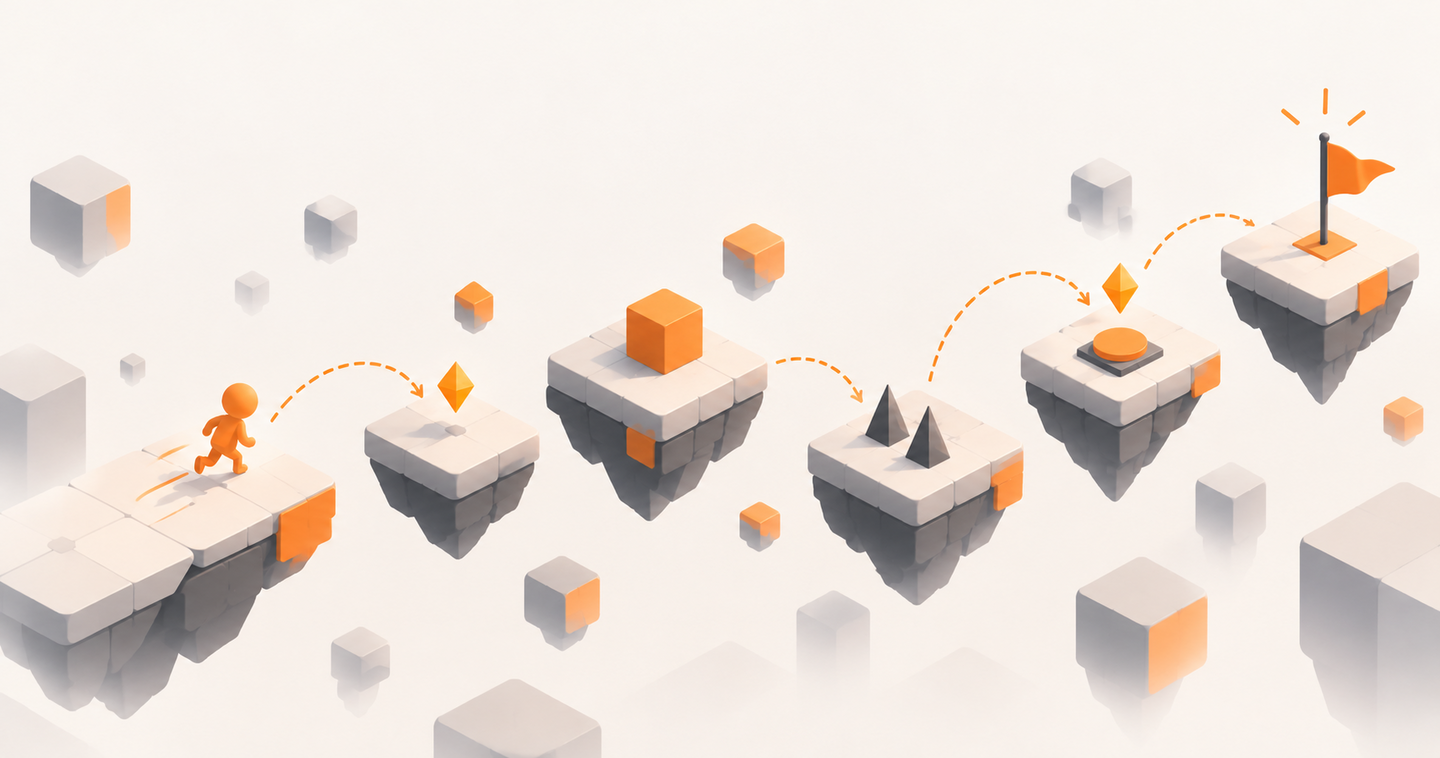
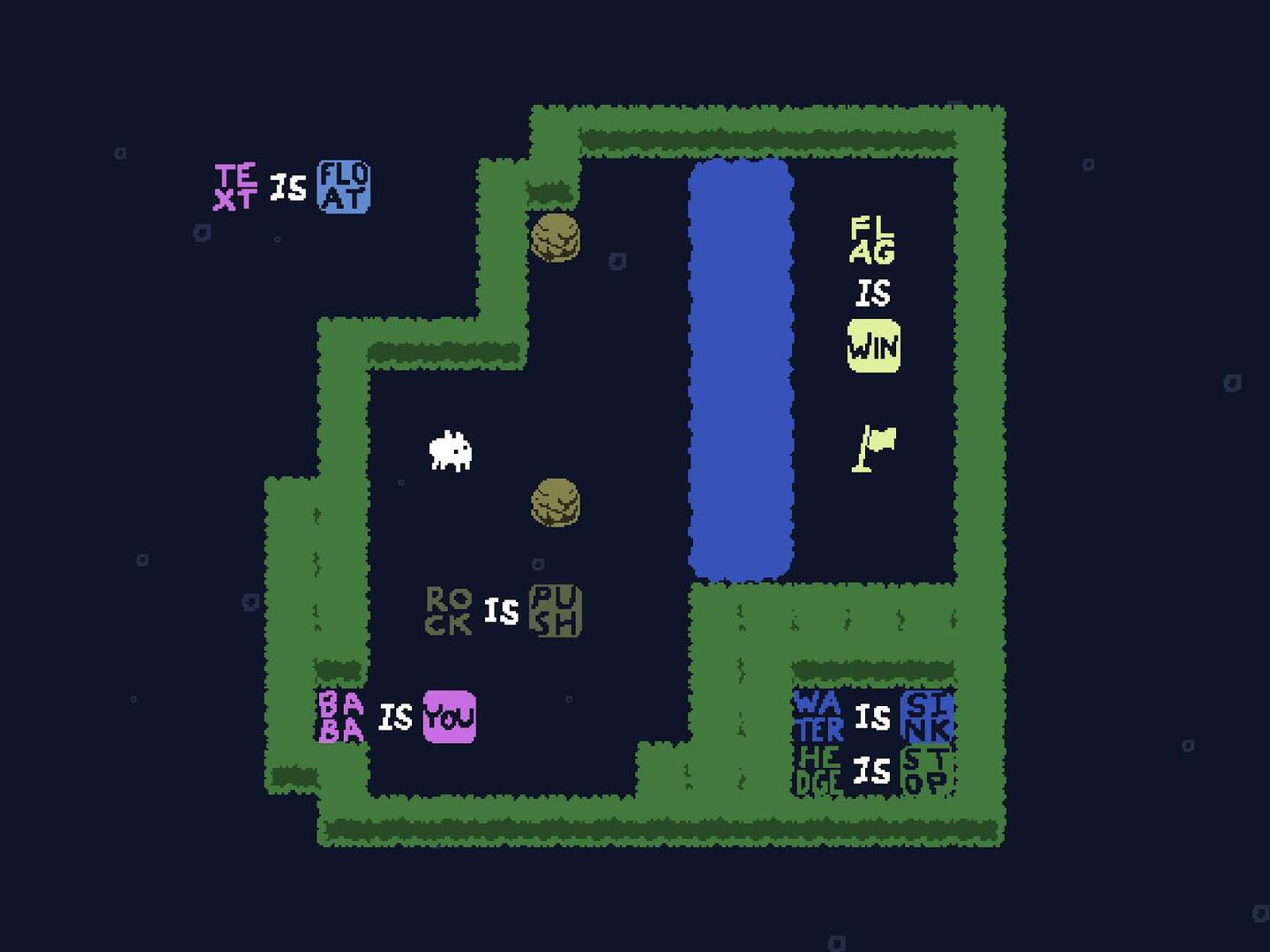
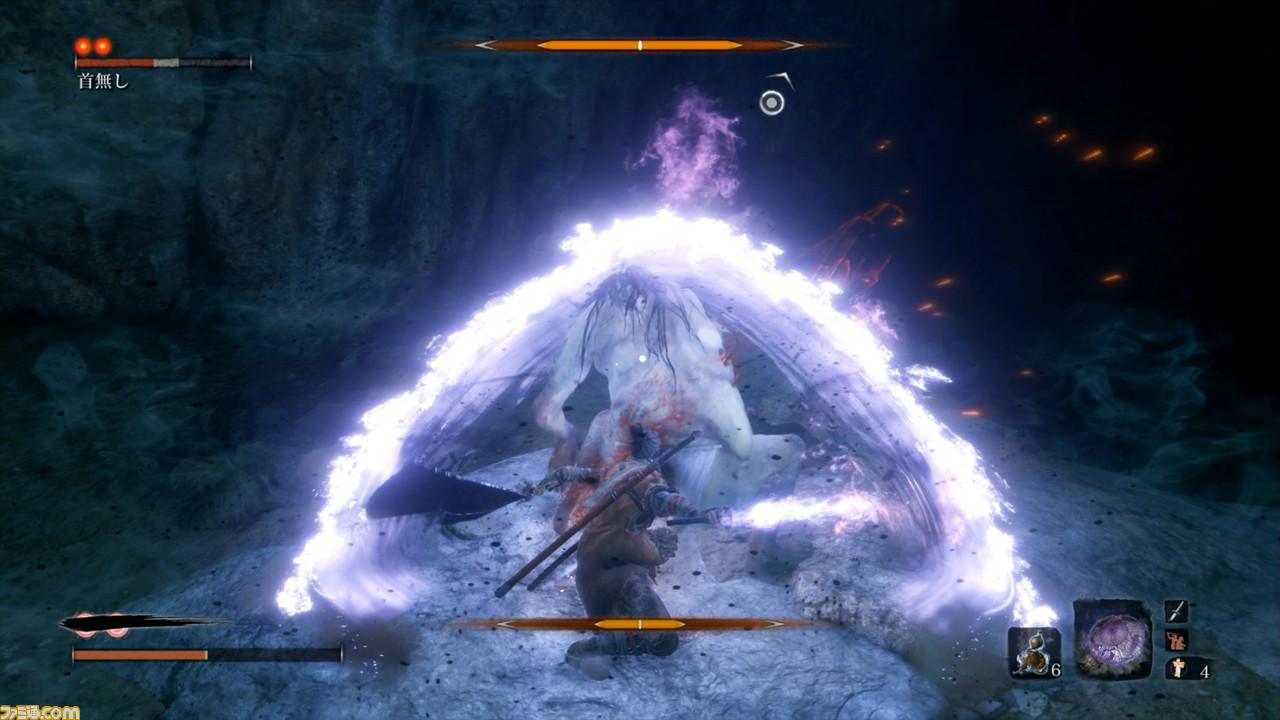
1 Month — Movement Dashing in Hades, grapple hooks in Titanfall 2, wall-running, teleportation.2 Month — Combat Parrying in Sekiro, hitstop, limited ammunition, weak points.3 Month — Puzzle Baba Is You, Portal, Monument Valley, light as a mechanic.4 Month — Resources Inventory in Resident Evil 4, risk/reward in DREDGE, weapon durability, crafting.5 Month — World Physics, destructibility, stealth, environment as a weapon.6 Month — Progression Outer Wilds, Hades, Dead Cells, meta-progression.Publication Rhythm: one main breakdown per week + short supplementary reference collections.
10 content samples
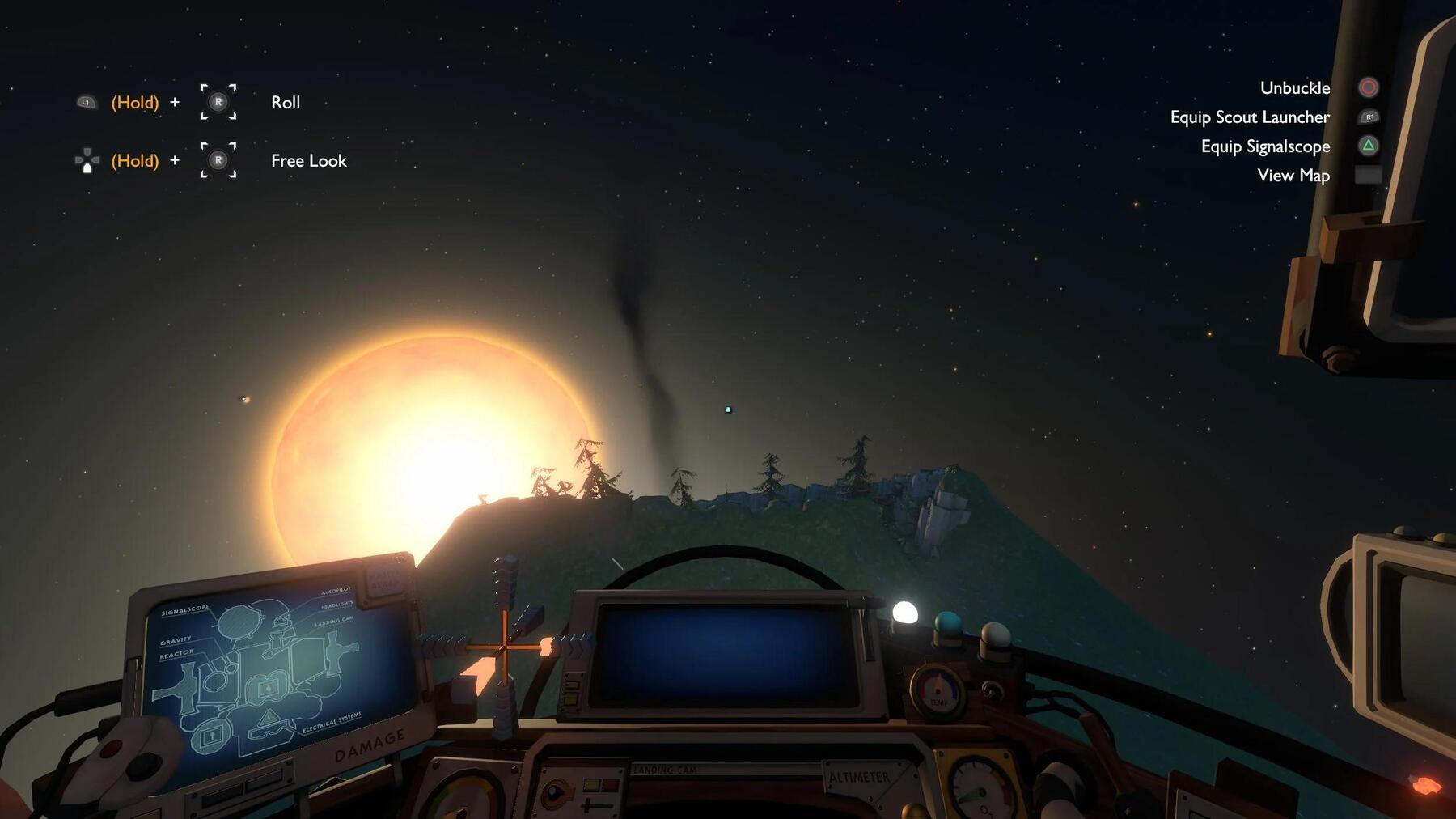
- Parry — Sekiro Parrying here doesn’t just defend the player; it shatters the opponent’s stance. Therefore, defense becomes part of the attack, compelling the player to lean into danger. Conclusion: A defensive mechanic can simultaneously lead to victory.2. Dash — Hades Dash allows the player to dodge, reposition, and attack all at once. Movement, therefore, doesn’t interrupt the fight—it becomes a part of it. Conclusion: A single simple ability can fulfill multiple functions.3. Ammunition — SUPERHOT Weapons run out quickly, forcing the player to constantly find a new solution: picking up different weapons, discarding old ones, or using the environment. Conclusion: Limited resources compel the player to utilize various mechanics more frequently.4. Light — Alan Wake Light first strips away the opponent’s defenses, and only then does weaponry become effective. The theme of light and darkness works visually and mechanically simultaneously. Conclusion: The atmosphere becomes stronger when expressed through the player’s actions.5. Rules — Baba Is You The player moves words, literally changing the level’s rules—an object can cease to be an obstacle or gain a new property. Conclusion: A puzzle can be constructed not around objects, but around altering the system’s rules.6. Grappling Hook — Titanfall 2 The hook allows walls and corners to be used as acceleration points. After gaining this ability, the player begins to perceive already familiar spaces differently. Conclusion: A strong movement mechanic alters the meaning of level elements.7. Inventory — Resident Evil 4 Items take up physical space in the bag, so the player decides not only what to keep, but also how to arrange it. Conclusion: Even the interface can be a complete gameplay mechanic.8. Risk — DREDGE The longer the player remains at sea, the more resources they can acquire, but the more dangerous the return trip becomes. Conclusion: Risk operates more intensely when the player themselves decides when to stop.9. Death — Dead Cells Death ends the current run, but the player retains some progress and their own knowledge of the world and enemies. Conclusion: Defeat should not mean the complete loss of progress.10. Knowledge — Outer Wilds The character gains almost no traditional upgrades. The main progression is the information the player retains in their memory. Conclusion: Knowledge can also be a form of in-game reward.
In conclusion
Dissections show that even a simple game mechanic can affect several aspects of the experience simultaneously: pacing, difficulty, spatial perception, the feeling of risk, or a sense of progression. For a game designer, it is important to examine a mechanic not in isolation, but through its function within the game’s overall system: what behavior it provokes, what decisions it compels the player to make, and what emotions it generates. This is the foundation of the «Mechanics in 3 Minutes» format—it’s not just about showcasing an interesting solution, but briefly explaining why it works and how it can be useful as a reference.