In the nocturnal city, memory is short and mythology is long.
Clubs tend to live for about five to seven years—they close, are torn down along with their buildings, and then become wrapped in legends, tales where the line always started at the metro station, the DJ was always a genius, and the bouncer knew everyone by sight. We’ve compiled a list of several Moscow spots, each of which managed, for its short time, to become its own distinct era. Almost all of them have long since closed, and the few that remain today have evolved into something else—changing their address, format, or name.
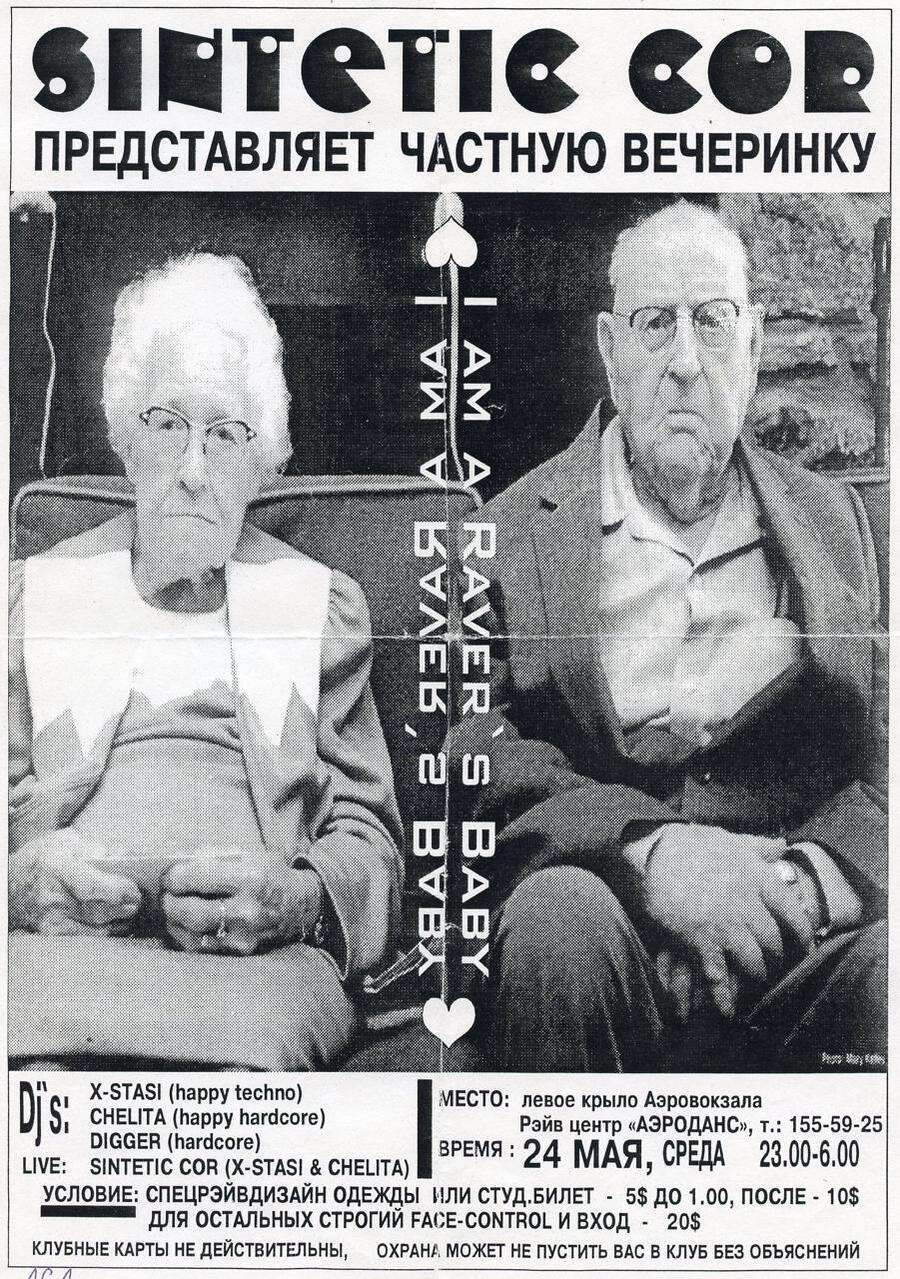
«AeroDance» Flyer
Wild '90s
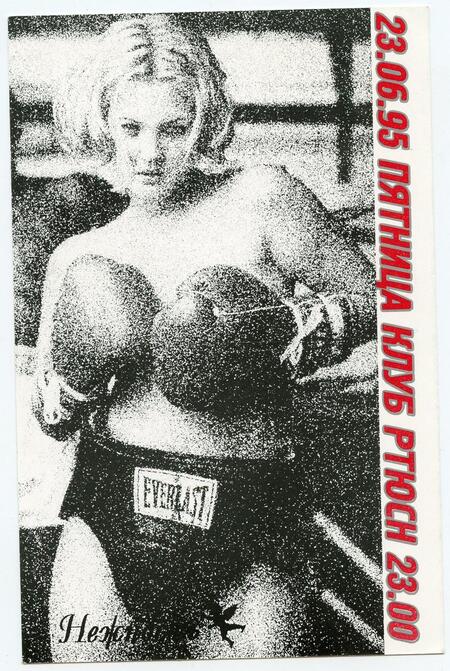
«Ptyuch»
opened on December 24, 1994, in Zamoskvorechye and lasted only three years, but it managed to become the energetic center of the entire rave culture and gave its name to a glossy magazine. The name came from the nickname of one of the founders, and the promoter Ivan Salmakhsov invented an entry formula that was later recounted like a joke: «positive appearance, positive attitude.» Acid house and electronic music were played; The Orb and David Byrne came to perform; lines stretched from the metro station, and the crowd consisted of artists and fashion enthusiasts—a rarity for that era—rather than thugs. According to legend, to ward off gangsters, the organizers agreed at some meeting that people in tracksuits and gold jewelry would simply not pass the door check.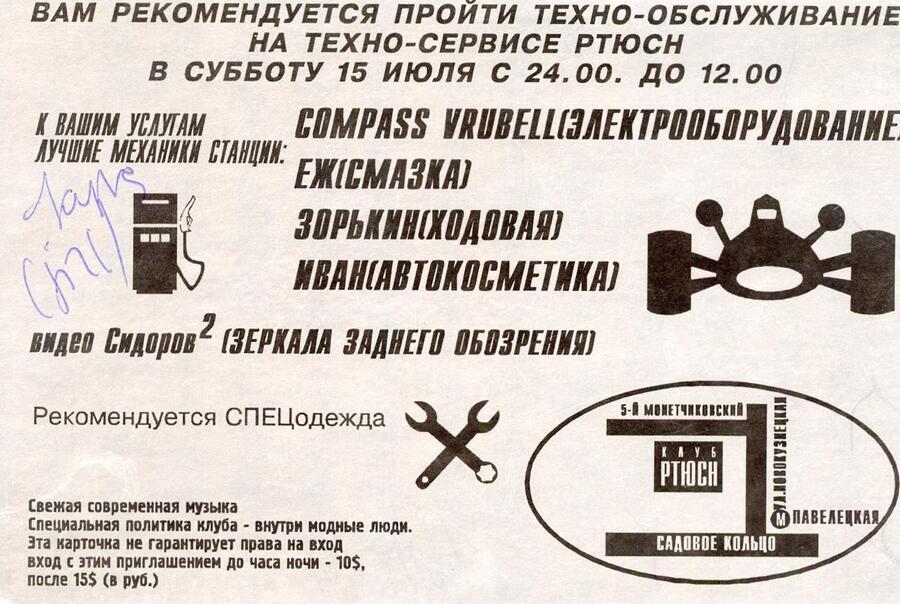
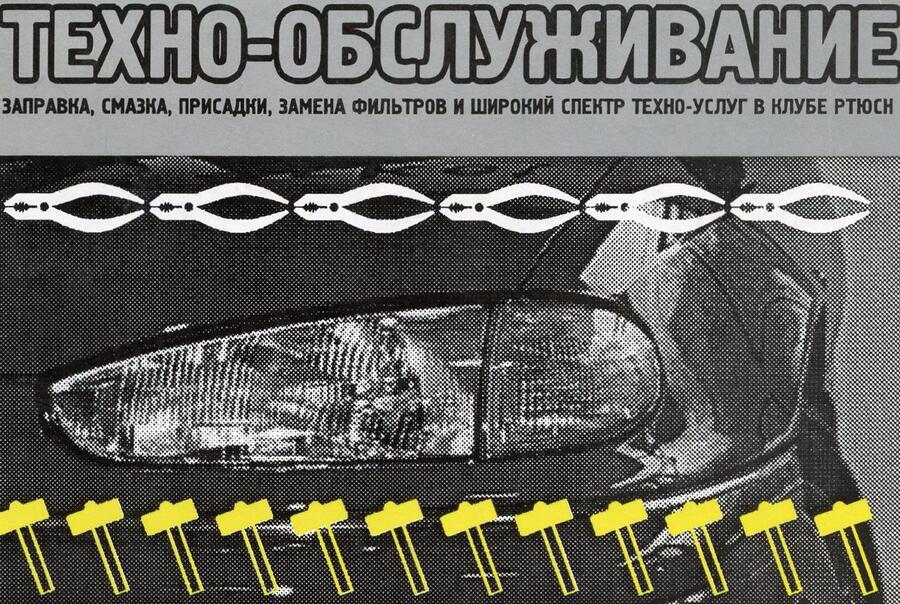
«Ptuch» Club Flyer
«Aerodance»
Launched in late 1994 in the former restaurant of the Central Airport Terminal on Leningradsky Prospekt, it became an icon of Russian trance. It was conceived by DJ Timur Mamedov, known as X.P.Voodoo and the unofficial father of the trance scene, alongside Timur Lansky, the future creator of «Taikhana No. 1.» The worn-out restaurant furniture was draped with glowing fur, the room’s contours were outlined with fluorescent light, and nearly a thousand people packed the place every weekend. Mamedov later commented that the club «turned many thugs into interested and understanding people, fundamentally shattering their street-tough worldview, ” and this phrase captures the entire spirit of an era when the rave functioned as a social elevator in reverse.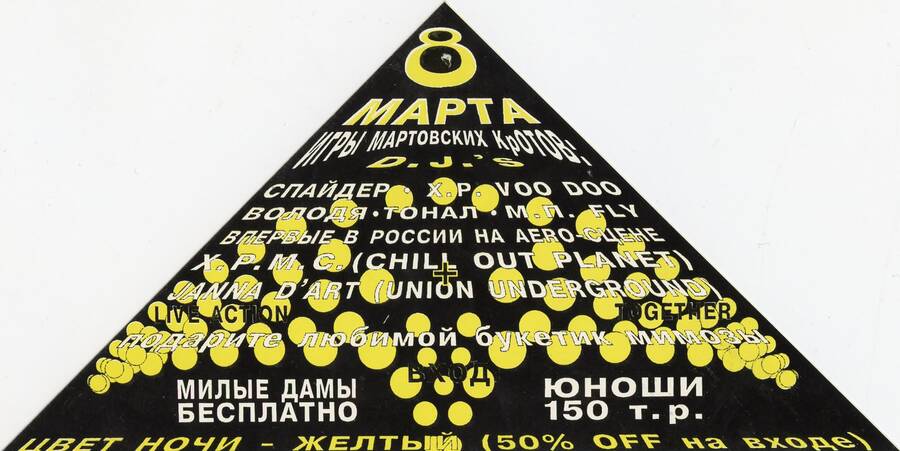
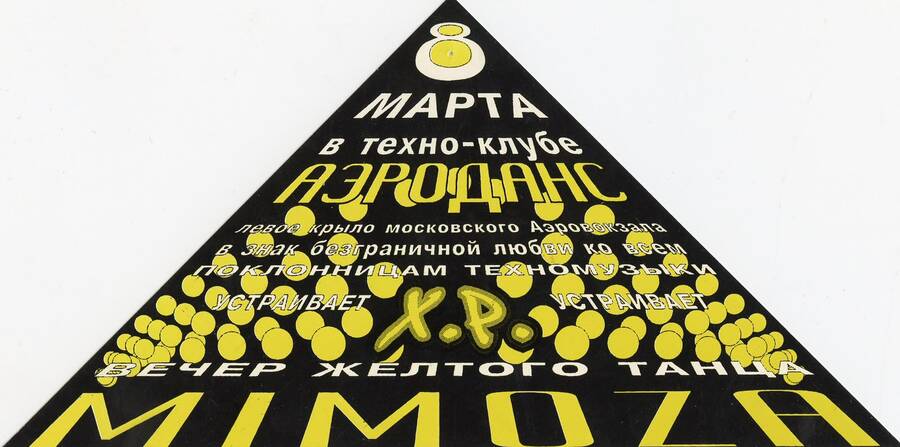
«Aerodance» Flyer
«Titanic»
opened on April 1, 1995, in the auxiliary space of the Young Pioneers Stadium, and took fourteen months to build. It was the first grand club in Moscow featuring luxurious design and the best sound system of its time; the equipment was imported from England, and admission cost fifty dollars. According to co-founder Alexey Gorobyov, the construction budget soared to nearly two million dollars, and the money, he recalled, «was obtained from contacts.» It was here that electronic music finally transitioned from the underground to the commercial scene, with the «Kill Versace» party becoming the loudest event, held nine months before the designer’s actual demise. The headline of the anniversary piece in Afisha perfectly captured the atmosphere: «Even the bald heads were swept up in the frenzy.»«Titanic» Flyer
Glamour and New Moscow of the Noughties
«Gazgolder»
«Gazgolder» appeared in March 2005 on the grounds of the former «Arma» gas plant near Kurskaya, in a round, nineteenth-century brick gas holder building, and grew into a club, label, and production center around the rapper Basta. It began as a private venue for friends, featuring techno parties with acts like Luciano and Steve Lawler, and eventually became synonymous with an entire musical institution, from Skriptonite to Smoky Mo. A movie was even made about the club in 2014. In December 2025, «Gazgolder» held farewell parties and closed in its previous form at the beginning of 2026, promising to return with a new concept.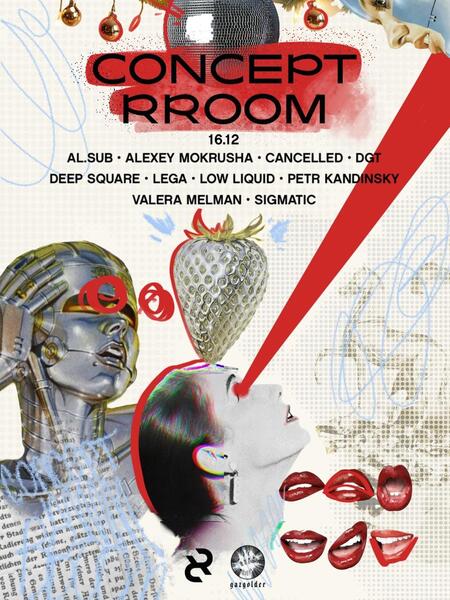
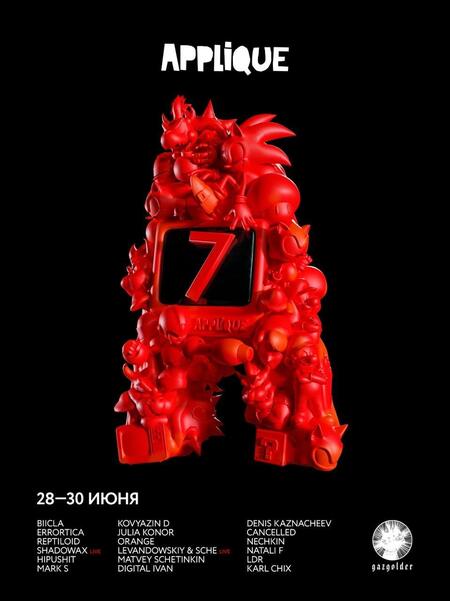
Gazgolder Posters
«Roof of the World»
opened in the summer of 2006 literally on the roof of the Badayevsky brewery, offering views of the Moskva River and the burgeoning «City» skyline in the distance. This semi-enclosed, ad-free venue, which required guest lists for entry, introduced the wealthy and stylish clientele to techno-house and gifted the city the tradition of sunrise sets, featuring the resident known as Spider playing until morning. The founder, Victor Taknov, stated that he intended to create «not a dance club, but a place where you could quietly listen to interesting music, ” and initially, the interior was factory-like in its coldness; the thick walls could not retain heat. The club at Badayevsky closed in September 2016 when the factory underwent redevelopment, but the name never disappeared: „Roof of the World“ transformed into a nomadic label and continues to gather crowds every summer for its „White Edition“ parties.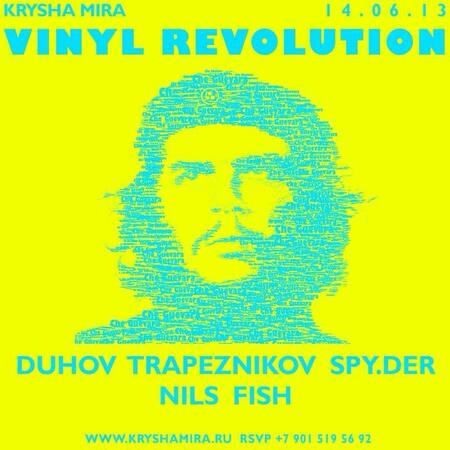
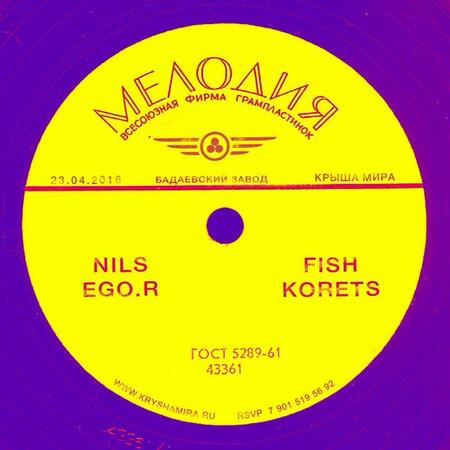
«Roof of the World» Posters
«Solyanka»
opened in 2007 in a dilapidated 19th-century mansion on the same street and became a symbol of a new, unglamorous Moscow. St. Petersburg resident Roman Burtsev rebuilt the house almost entirely, investing nearly two million dollars, and it became a venue through which an entire generation of future city figures passed—from Gosha Rubchinsky to the teams behind Afisha and Look At Me. The logo was designed like a stamp, referencing a ZIL refrigerator badge, and guests, according to Burtsev, «were carefully protected; for example, we didn’t kick them out if they fell asleep here overnight.» In November 2014, the club was sealed due to rent arrears, although its heyday had effectively ended a little earlier.«Solyanka» Poster
Denis Simachev Shop & Bar
Known simply as «Simach, ” it opened in 2007 on Stoleshnikov Lane, nestled among luxury boutiques, featuring signature Khokhloma motifs on its facade. Designer Denis Simachev’s shop-bar became a shrine to glamorous late-noughties Moscow—a place where journalism students and skaters sat at the same tables as Condé Nast editors, society mavens, and oligarchs, all around the clock. „When Natalya Vetlitskaya is playing at maximum volume in the club, there is a pornographic manga mosaic on the wall, and red velvet curtains everywhere—it’s obvious this isn’t a place everyone would love, ” wrote The Village. „Simach“ closed in April 2019; the building was later demolished, and at its farewell, models descended the red staircase to the song „Znayesh’ li ty“ by MakSim.Poster for «Denis Simachev Shop & Bar»
The latest wave
Powerhouse
opened in 2013 in a 19th-century mansion on Goncharnaya Street in Taganka, becoming less of a club and more of a hybrid of a bar, concert venue, restaurant, and recording studio—the epicenter of the Moscow indie scene. Afisha at the time directly named it the successor to «Solyanka,» which was already showing signs of material fatigue, yet Powerhouse possessed its own revolutionary concept. Music was written and internet radio was broadcast from the basement, while new electronic waves, like Hyperboloid, played on stage. After thirteen years, in March 2026, Powerhouse held its final party and closed its doors, unable to sustain its debts and falling revenue. The vacant mansion on Goncharnaya did not remain empty: in May, a team from the «Seta Ryumochnykh» group opened a new space there, «Mesto Zangezi,» named after Khlebnikov’s short story.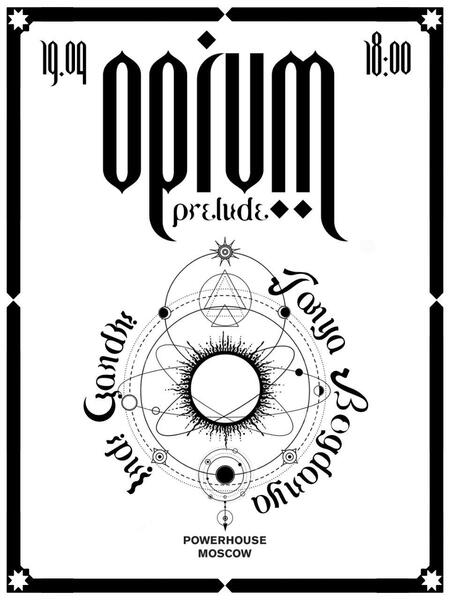
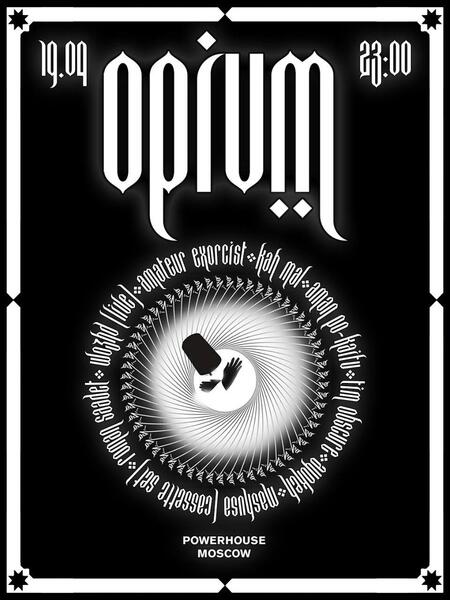
«Powerhouse» Posters
«Rabitsa»
existed for just over a year, starting in July 2016, but it managed to become the premier rave club of its time and a genuine rehearsal for Berlin’s nightlife in Moscow. Bare concrete, furniture salvaged from dumpsters, two dance floors, an internal courtyard, and parties lasting over twenty-four hours modeled after Berghain—the entire setup was orchestrated by a team that included members from «Solyanka.» «This was a place that dictated trends, rather than borrowing them, ” one of the promoters said. In August 2017, the club was shut down during a heavy police raid at the „Rabitsa Slaves“ festival, but its team, along with Arma17, reopened Mutabor eighteen months later, giving the interrupted story a direct continuation.«Rubella» Posters
Scans of flyers and posters provided by Nikita Lapin oldschoolflyer