Navigation
Concept
Hypothesis
Theory — Origins of the sinister — El Colombia and alternative comics of the 1990s — The disruption of the safe childhood image — The aesthetics of incompleteness and unreliability — The emergence of internet horror — From drawing to digital artifact — The historical transformation of fear
Conclusion
Concept
Hypothesis
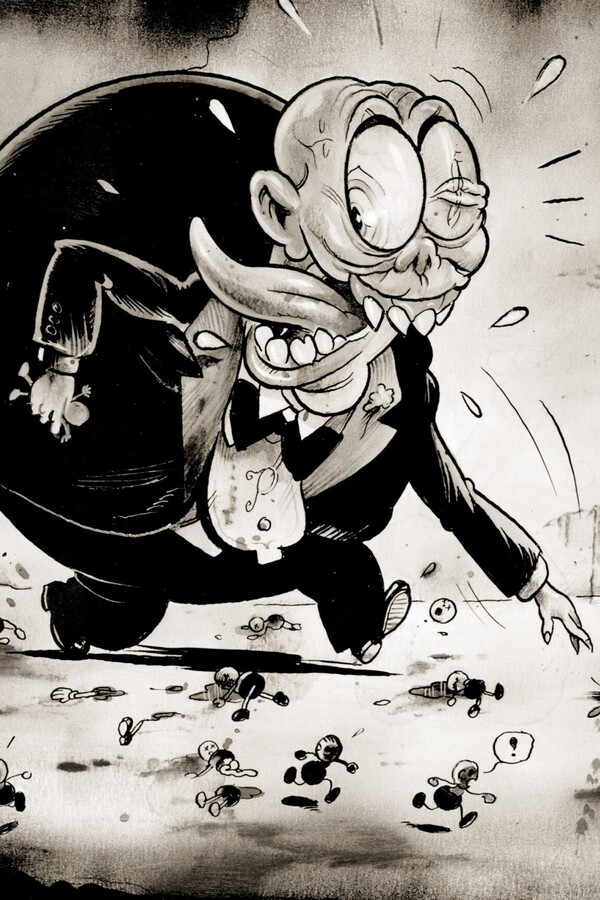
It is proposed that the resemblance between Ella Columbie’s horror comics, creepypasta, and analog horror is connected to a historical shift in mass culture’s relationship with its own past. In Columbie’s work from the 1990s, the visual language of early 20th-century American animation is reinterpreted within the context of independent comics: familiar imagery loses its stability, and the conventions characteristic of animation cease to guarantee a humorous outcome. The very system of the depicted world and the notion of the harmlessness of children’s entertainment are called into question. In the internet horror of the late 2000s and 2010s, this kind of unease takes on a different expression. Against the backdrop of the transition from analog media to digital archives, network dissemination of information, and the collective reproduction of cultural memory, the object of horror becomes not only the depicted world but the media product itself: its origin, authenticity, preservation, and potential impact on the viewer. Thus, the research suggests that Columbie’s work and later forms of internet horror reflect different historical stages in the reinterpretation of past mass culture. Comparing them will allow us to trace how the source of fear has changed—from the violation of the rules of a fictional world to doubt regarding the reliability of cultural memory and humanity’s ability to control familiar media.
Main research question:
How have the cultural and technological shifts of the 20th and 21st centuries influenced the ways visual horror is created, and why does El Coleambi’s work bear a resemblance to later forms of internet horror?
Origins
origin of the animated character
The history of animation began long before the cartoons we know today. In 1892, French inventor Émile Reynaud started holding public screenings of drawn stories using his «Optical Theater.» However, the full development of animation as a mass art form became possible with the spread of cinema.
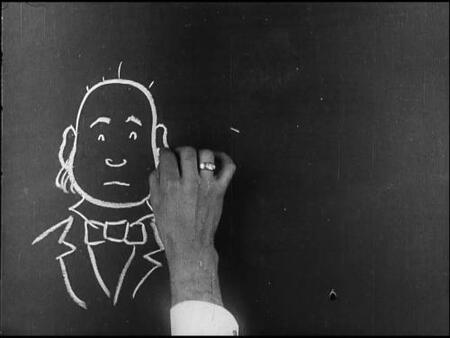
In its early stages, animation was closely tied to caricature and newspaper illustration. Many of the first animators began as caricature artists, and their films were short comedic sketches based on bringing drawings to life. One of the early American examples is James Stuart Blackton’s Humorous Phases of Funny Faces (1906). In this film, chalk drawings of faces gradually change expressions, interact with each other, and seem to come alive independently of the artist.
The next stage involved the development of animation technologies and the emergence of studio production. Max Fleischer played a crucial role in this, developing the rotoscope in the 1910s—a device that allowed real-life film footage to be used as the basis for frame-by-frame drawing. Together with his brother Dave, he created the series Out of the Inkwell, which began appearing in the late 1910s. Its main character was a clown, later named Coco, who literally stepped out of the inkwell and interacted with its creator.
Gradually, technical experimentation gave way to the development of permanent characters, independent narratives, and large animation studios. This very transition laid the groundwork for animation to emerge as an independent industry of mass entertainment.
Developing the Child’s Image
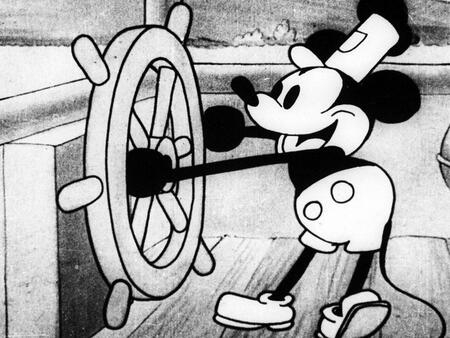
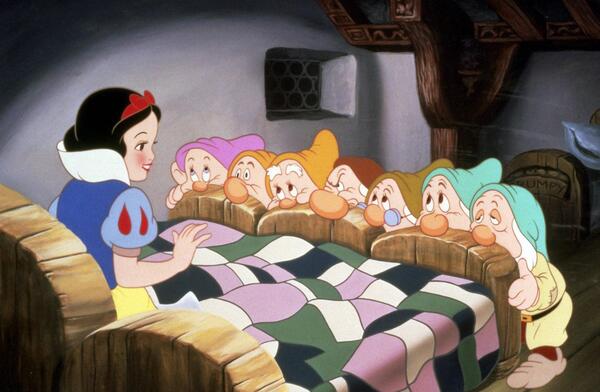
During the 1920s and 1930s, animation gradually evolved from an experimental art form into a full-fledged entertainment industry. The advent of sound, color, and new production technologies enabled the creation of more complex narratives and recognizable characters. Walt Disney’s studio played a significant role in this process. Animation began to develop not merely as a collection of short comedic vignettes, but as a distinct form of storytelling. In subsequent decades, Disney solidified the image of the animated film as a family spectacle, where fairy-tale plots, expressive characters, and emotional narrative resonated with viewers of all ages.However, not all American animation developed in this direction. Films from the Fleischer Brothers, Warner Bros., and other studios retained elements of satire, absurdity, dark humor, and adult innuendo. Animation remained entertainment for a broad audience, and the notion of it being exclusively children’s art had not yet become widely accepted.
Significant shifts occurred in the 1950s and 1960s as cartoons began to spread widely through television. Older theatrical shorts started appearing in children’s programming, and studios like Hanna-Barbera created series specifically for the television format. Projects such as The Huckleberry Hound Show (1958) and The Yogi Bear Show (1961) helped transform animation into a familiar aspect of children’s leisure time.
As a result, not only the content of the cartoons changed, but their perception did too. Works originally designed for a mixed audience began to be associated with children’s television shows. By the late 1960s, this connection had significantly strengthened.
First Manifestations of Horror in Comics
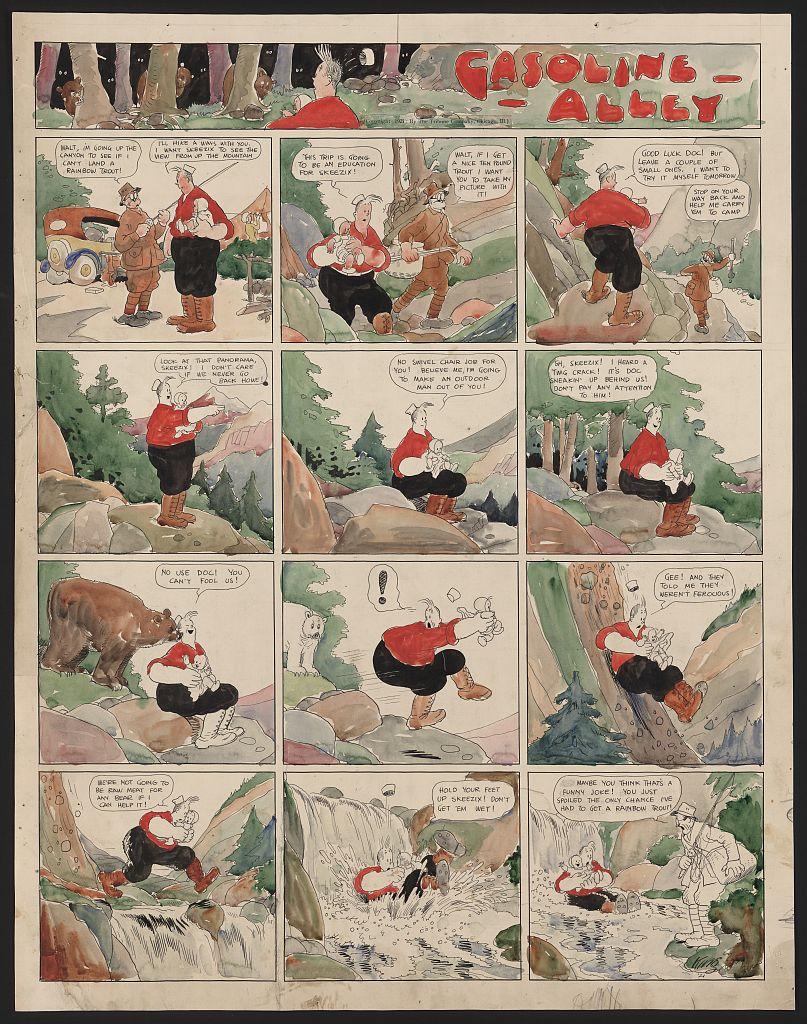
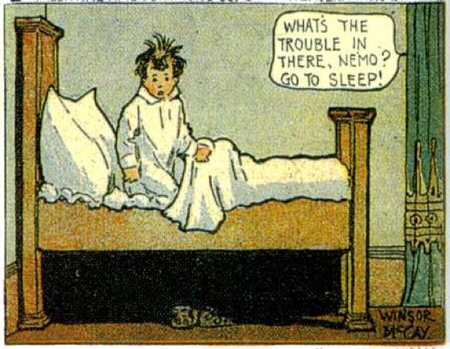
American comic books developed in the late 19th century as part of newspaper culture. Initially, they were not exclusively targeted at children; alongside humorous stories, satirical and slice-of-life narratives were published for a broad audience. These featured long-form stories about daily life, relationships, and family conflicts that resembled future television soap operas.
The advent of independent comic books in the 1930s significantly broadened the audience. They became especially popular among children and teens, yet the content remained diverse: in addition to adventures and fantasy, they featured detective, military, and crime stories.
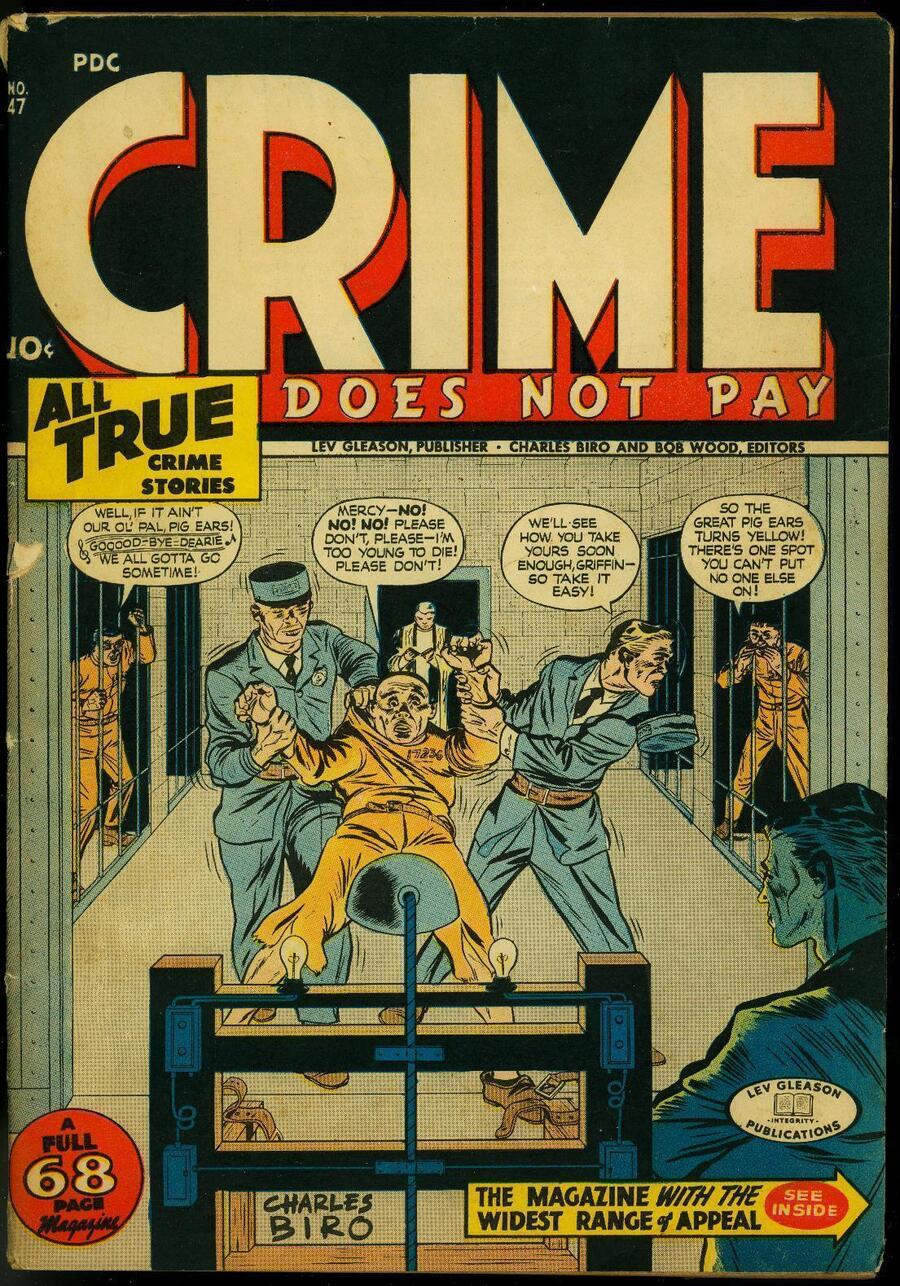
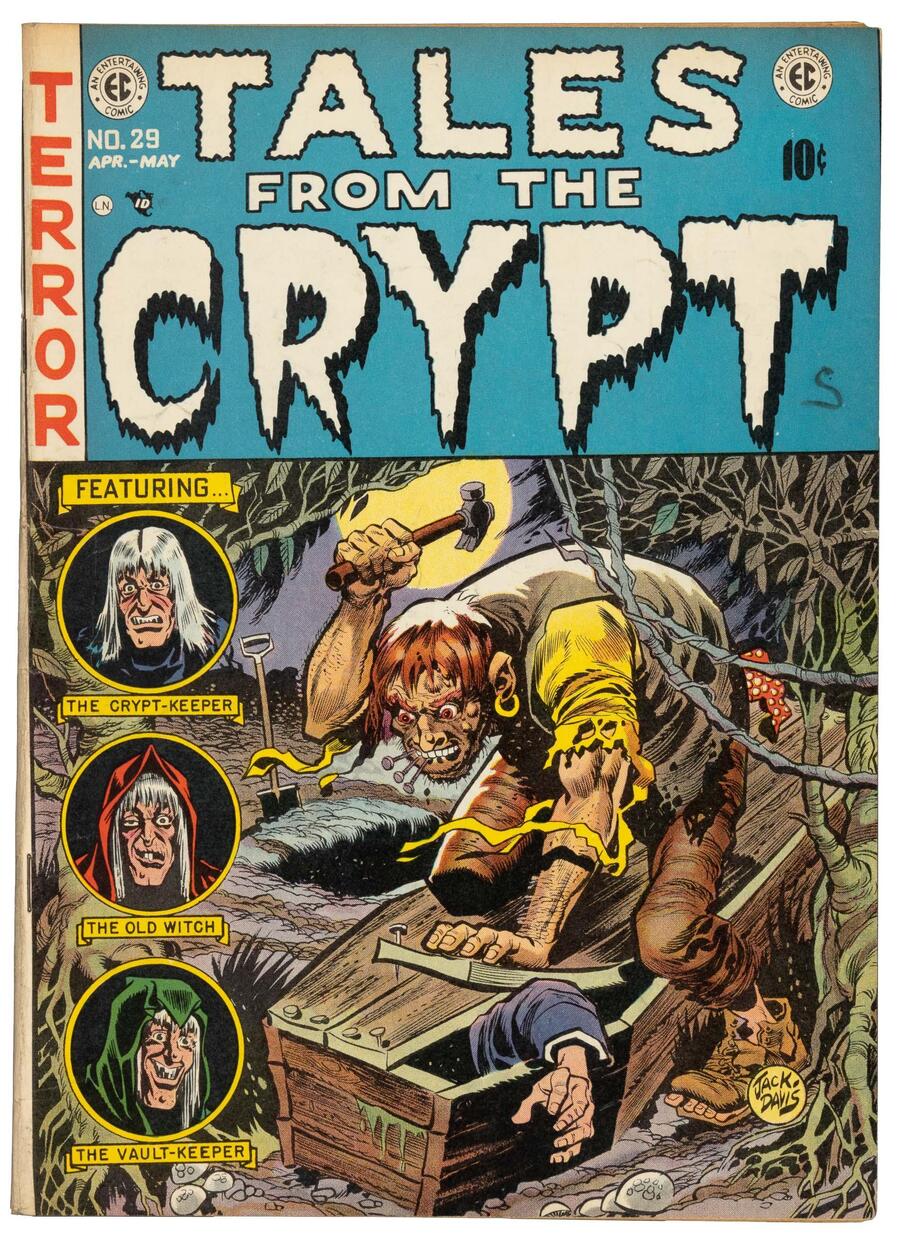
In the 1940s, crime comics became widespread, notably Crime Does Not Pay (1942). Their plots were often based on real crimes or presented as such. The depiction of murder, violence, and executions was deliberately graphic and sensational, yet it purported to be realistic. Unlike the fantastic grotesque of early animation, the brutality in these comics was primarily linked to crime and its repercussions. Simultaneously, distinct horror comics developed, such as Tales from the Crypt.