How the shift in music formats changed album cover design. 1950s–2020s.

1. Navigation
- Navigation
- Concept 2.1. Relevance 2.2. Research Problem 2.3. Research Question and Hypothesis 2.4. Goal, Objectives, and Methods
- Evolution of Musical Media
2. Concept
2.1. Relevance
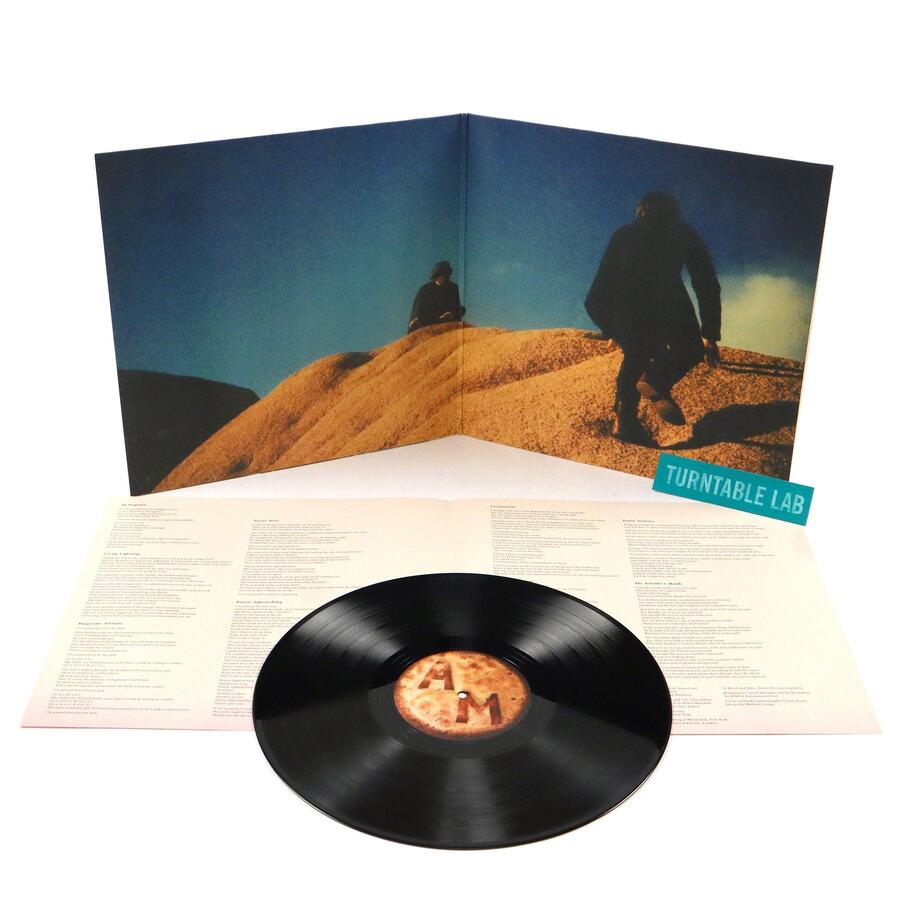
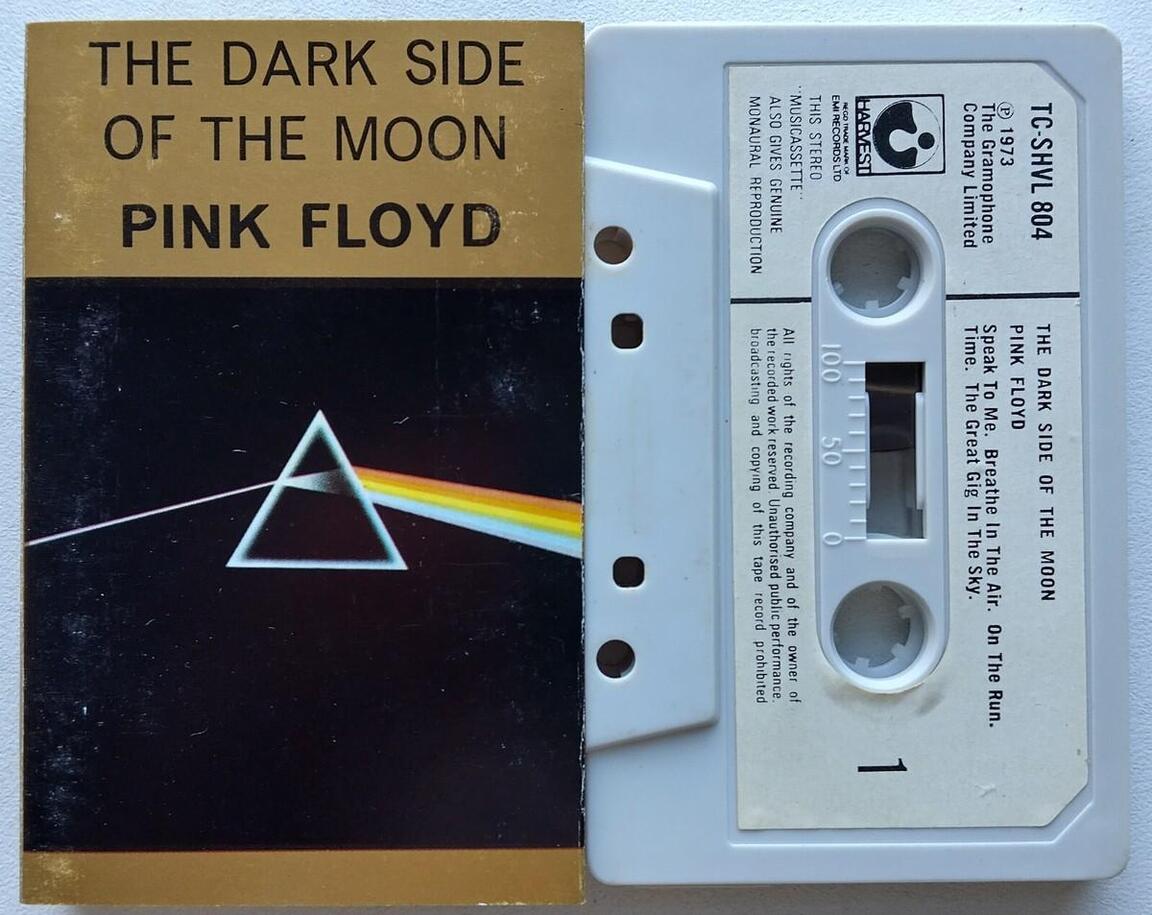
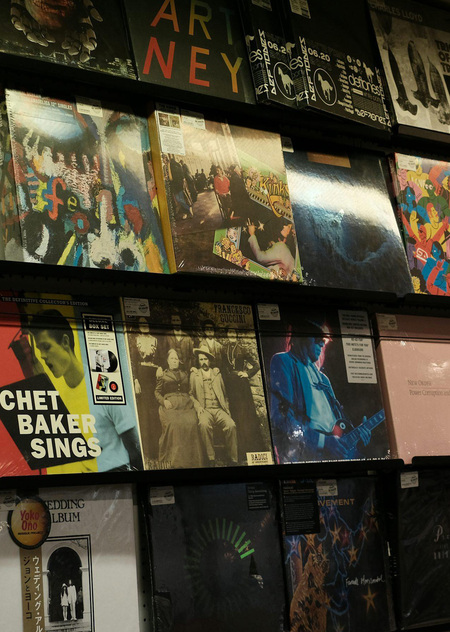
Today, music album covers are most often viewed on phone screens, even though many of them were originally designed for vinyl records. Over several decades, music media have changed drastically: compact cassettes, CDs, digital files, and streaming platforms have emerged. Despite these changes, the square cover has endured and remains an essential part of an album’s visual identity. From a design history perspective, it is important to consider not only the image itself, but also the format for which it was created. The large sleeve of a vinyl record allowed for a detailed examination of the composition and fine details. Cassette packaging necessitated miniaturizing the image and using folded inserts. The compact disc called for a small booklet, and on digital platforms, the cover began to appear alongside numerous other images, often in a very small format. Comparing these formats allows us to trace how the technical characteristics of musical media influenced album graphic design.
2.2. Research Problem
The same cover can appear differently on a vinyl record, cassette tape, compact disc, or digital platform. In some cases, only the image size changes; in others, text is added, certain details disappear, or the arrangement of compositional elements is altered. Regardless, all variations are still perceived as the artwork for a single music album. The core challenge lies in maintaining the recognizability of the cover when transitioning across media with varying sizes, proportions, and viewing methods. These changes are particularly noticeable when comparing vinyl editions with cassette reissues and digital versions of the same albums. The study focuses on specific alterations to the graphic design: the ratio of image to text, the placement of key elements, compositional accents, and the preservation of detail during format reduction.
2.3. Research Question and Hypothesis
Research Question: How did the transition from vinyl records to cassettes, CDs, and digital platforms alter the composition, typography, and perception of music album covers between the 1950s and 2020s? Hypothesis: The shrinking size of physical media and the subsequent shift to digital platforms influenced the design principles of music albums. Gradually, larger forms, contrasting colors, and recognizable graphic symbols gained more importance—elements that translate effectively even when scaled down. Furthermore, some information, such as the album title, artist name, and tracklist, began to be placed not on the cover itself, but on other packaging elements or within the music service interface. However, the move to new formats did not necessarily result in the simplification of imagery. Complex compositions continued to be utilized, but their perceived characteristics changed depending on the size and method of display.
2.4. Goals, Objectives, and Methods
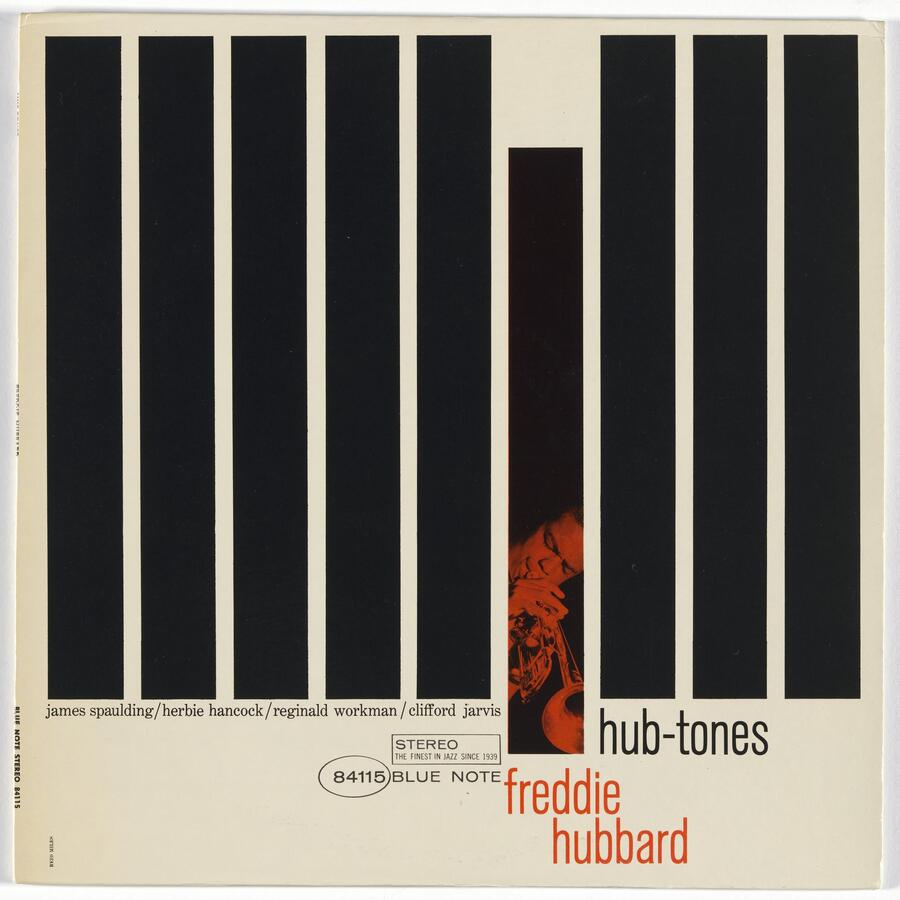
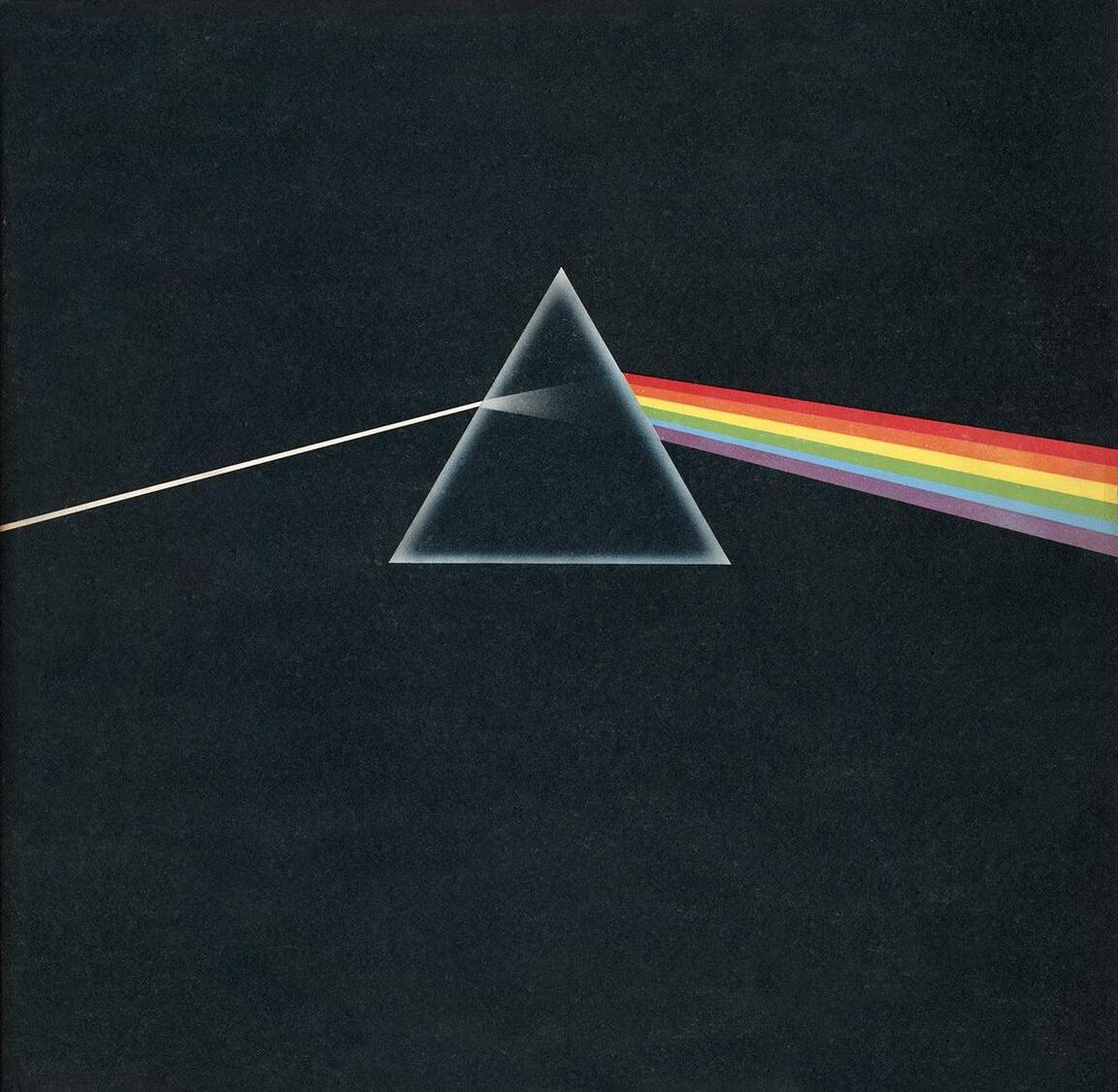
The objective of this study is to trace how the characteristics of various musical formats influenced the graphic design of album covers. To achieve this goal, several stages in the evolution of musical packaging are examined. The first stage is dedicated to vinyl records and different approaches to cover design, including the typography of Blue Note, the collage work of The Beatles, the geometric compositions of Kraftwerk, and the symbolic imagery of Pink Floyd. The next stage involves comparing vinyl and cassette releases by ABBA and Pink Floyd. Subsequently, the packaging of compact discs, using New Order and Radiohead as examples, is reviewed to trace how the reduction in format while maintaining square proportions impacted composition. The final part of the study is dedicated to the digital era—music platforms like iTunes and Spotify—and the unique characteristics of covers designed for screen viewing. The main research methodology is comparative visual analysis. When examining the covers, attention is paid to their dimensions and proportions, the placement of images and text, color accents, compositional features, and the legibility of fine details. The materials used are original covers and photographs of specific releases from museum collections, music label archives, and official sources. Additionally, a comparison of a single image in multiple sizes is conducted, which allows for an assessment of how scale influences the perception of composition and tests the established hypothesis using concrete examples.
3. Evolution of Musical Media
3.1. From Vinyl to Digital Platforms
- 1950s — Widespread adoption of the long-playing vinyl record (LP format introduced in 1948)
- 1963 — Philips introduces the compact cassette
- 1982 — Start of commercial CD sales
- 2003 — Launch of the iTunes Music Store
- 2008 — Launch of Spotify
- 2010s–2020s — Proliferation of streaming and animated visual materialsThe chronology was compiled using materials from Philips, Apple, and Spotify
3.2. How the Cover Surface Evolved
Vinyl provided a large cardboard square, the cassette a narrow folding insert, and the CD a small booklet in a plastic case. With the rise of digital libraries, the album cover ceased to have a fixed physical size.