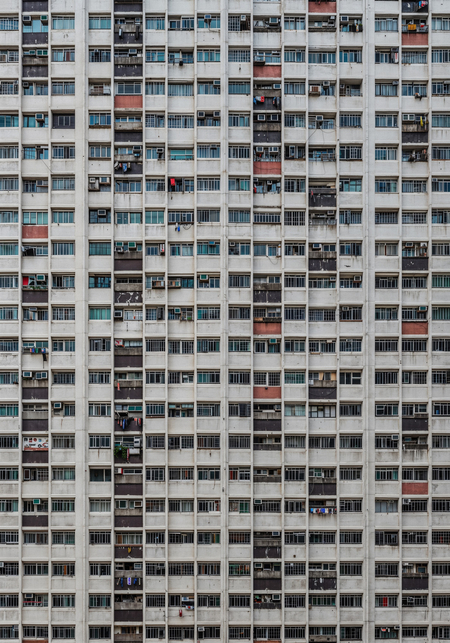
What is the current status of Soviet-era housing blocks around the world?
Panel housing wasn’t invented in the USSR. The first factories to produce prefabricated reinforced concrete panels appeared in France, where engineer Raimon Camus patented the technology, and from there it spread across the world. The Soviet Union scaled this idea to an industrial level, and then began exporting it along with the factories, specialists, and master plans. Let’s find out where the panel building went and what happened to it.
How It Worked
Exports were conducted in batches. Designers traveled to the country, brought a standard series, built a housing construction plant, trained local workers, and left a fully operational production facility. Starting in the 1960s, such deliveries went to Afghanistan, Mongolia, Vietnam, North Korea, and Cuba; by the end of the decade, Egypt, Syria, Algeria, and Iraq were added. Housing blocks were constructed for both local residents and for the workers of joint industrial facilities.
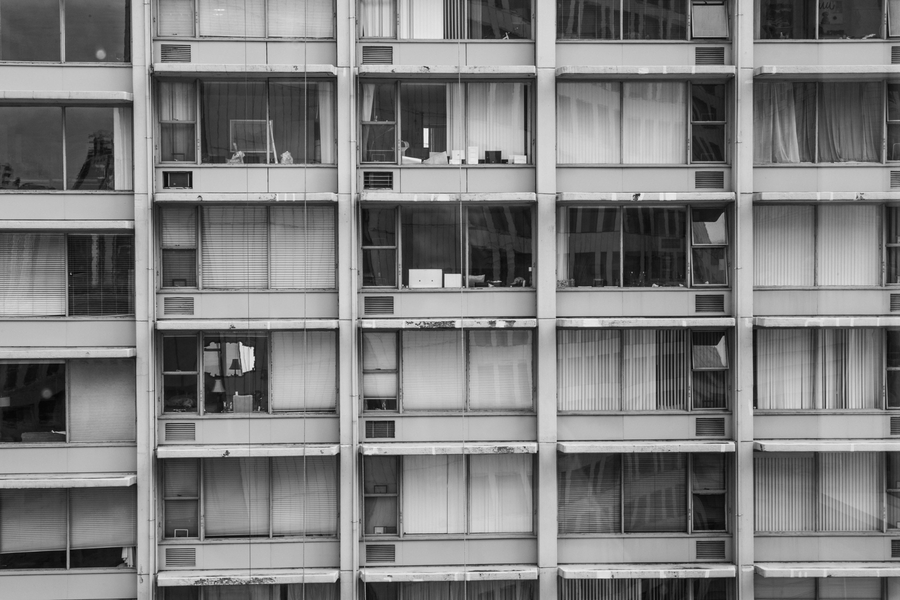
magnific.com
Cuba
The most famous example is Alamar near Havana, a residential neighborhood for hundreds of thousands of people, built primarily by micro-brigades of future residents themselves. A separate story involves the neighborhood on the shore of Santiago Bay, which Cubans nicknamed «Alma-Ata»: the panels for it were manufactured in Kazakhstan and shipped across the ocean.
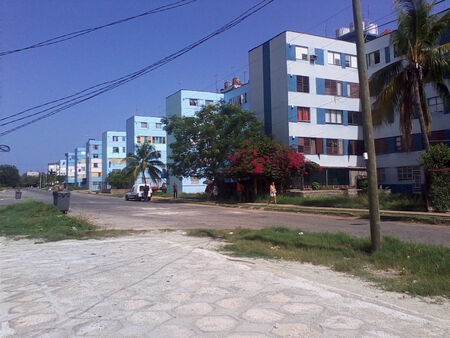
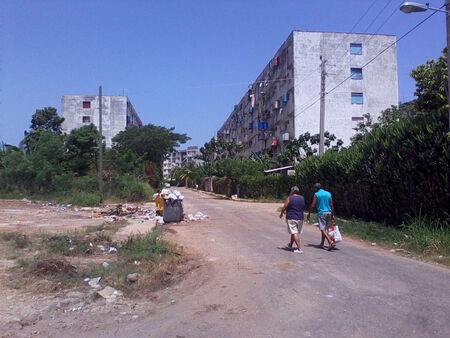
By Alexander Berezhnoy, CC BY 3.0, https://commons.wikimedia.org/w/index.php?curid=58019027
Today, Cuban homes look different from their counterparts in the Moscow region. This is due to the climate and scarcity: balconies are enclosed with makeshift lattices, walls are painted in colors that are difficult to imagine in Moscow, and water tanks sit on the roofs while laundry dries across the entire street between buildings. Concrete ages faster in the tropics, resulting in many buildings with crumbling facades.
Mongolia
In Ulaanbaatar, Soviet microdistricts were constructed as exemplary urban housing, and they still form the city’s core. Surrounding them are yurt districts, where people from the steppes relocate, creating a unique tableau: a standardized five-story apartment block next to a nomadic dwelling with a stovepipe. While the panel buildings have central heating, the yurts rely on coal, which makes Ulaanbaatar one of the most polluted cities in the world during the winter.
Photo: griphon «Ulaanbaatar Residential Housing»
Afghanistan
A microdistrict in Kabul began construction in the 1960s with the participation of Soviet specialists, marking the first experience in the country of comprehensive development that included kindergartens, schools, and shops. The buildings survived war, shelling, and changes in government. Some structures still bear the marks of impact, yet the apartments there remain among the most prestigious in the city because they have plumbing and heating.
By Peretz Partensky — https://www.flickr.com/photos/ifl/5738688776/, CC BY-SA 2.0, https://commons.wikimedia.org/w/index.php?curid=127991466
Vietnam
In Hanoi, Soviet-era apartment blocks began construction in the late 1950s, and local residents have altered them more extensively than anyone else. Balconies have been augmented with iron cages—which the Vietnamese call «tiger cages"—and additional rooms have been added to the facades. The ground floors have been converted into shops and workshops. A building originally designed for a single family per unit now houses three generations alongside commercial activities.
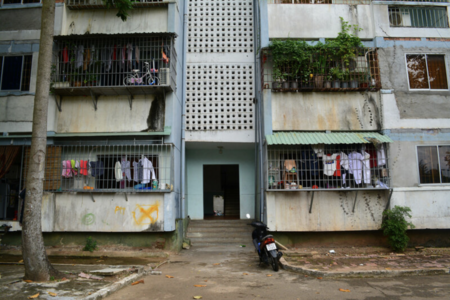
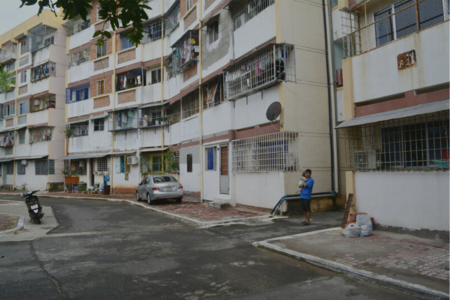
Photo: kirill_moiseev
What is the commonality?
The same thing repeats itself everywhere. The house arrives as a complete system calculated for a specific lifestyle, and then the residents rewrite that calculation. In the tropics, they enclose what was designed to be open; in cold climates, they insulate; in poorer regions, they add on. Sixty years later, only the frame and the spacing of the load-bearing walls remain from the original design.