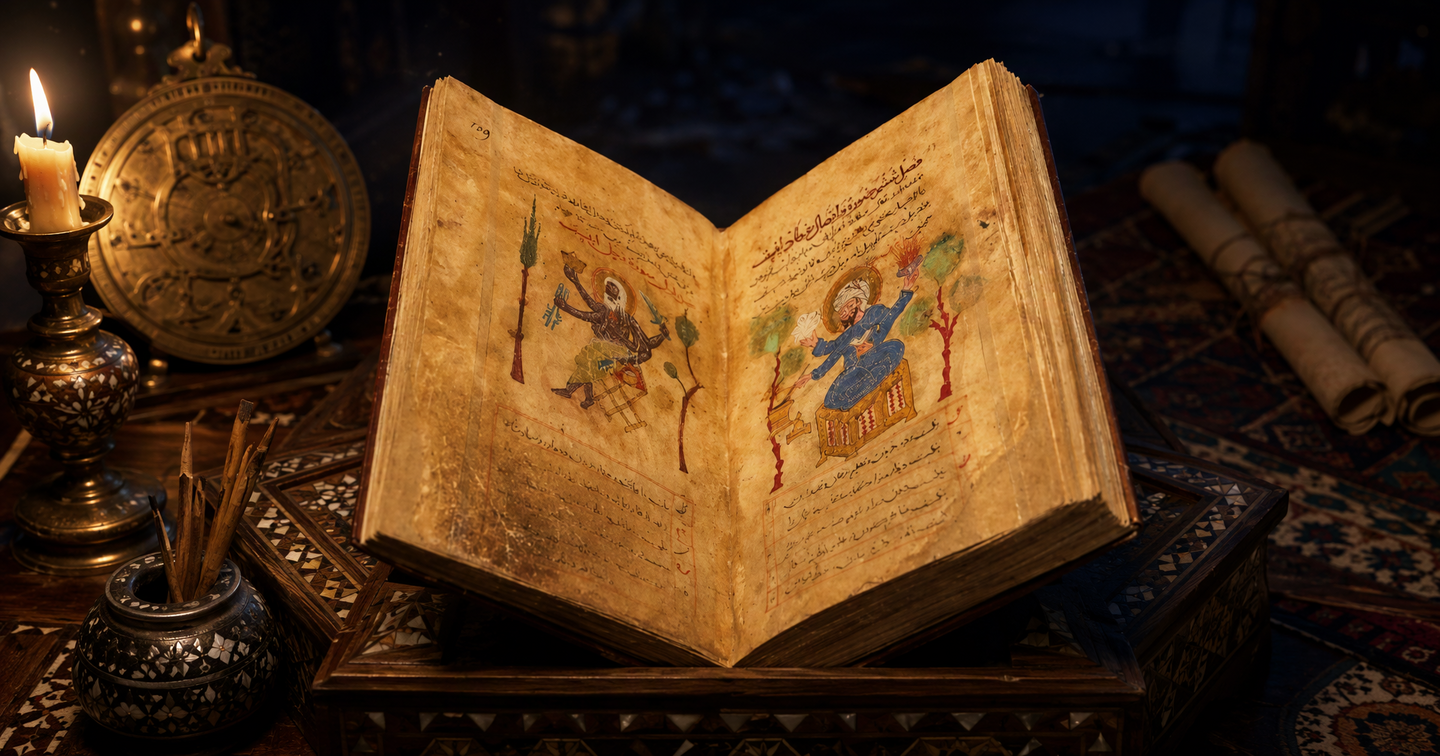
Сборка духа: визуальный язык персидской рукописи XIII века
Слияние культурных традиций в иконографии рукописи BnF Persan 174
In Paris, at the Bibliothèque nationale de France, is a manuscript that strikes one with its whimsical illustrations at first glance. This is the «Daqaiq al-Haqaiq» (Arabic: «Subtleties of Truth»)—a rare 13th-century medieval illuminated occult manuscript in Persian (BNF Reference Persan 174). It was created in Anatolia between 1272 and 1273 and essentially serves as a textbook on «esoteric sciences”—knowledge that constituted a vital part of the scholarly craft of its time.
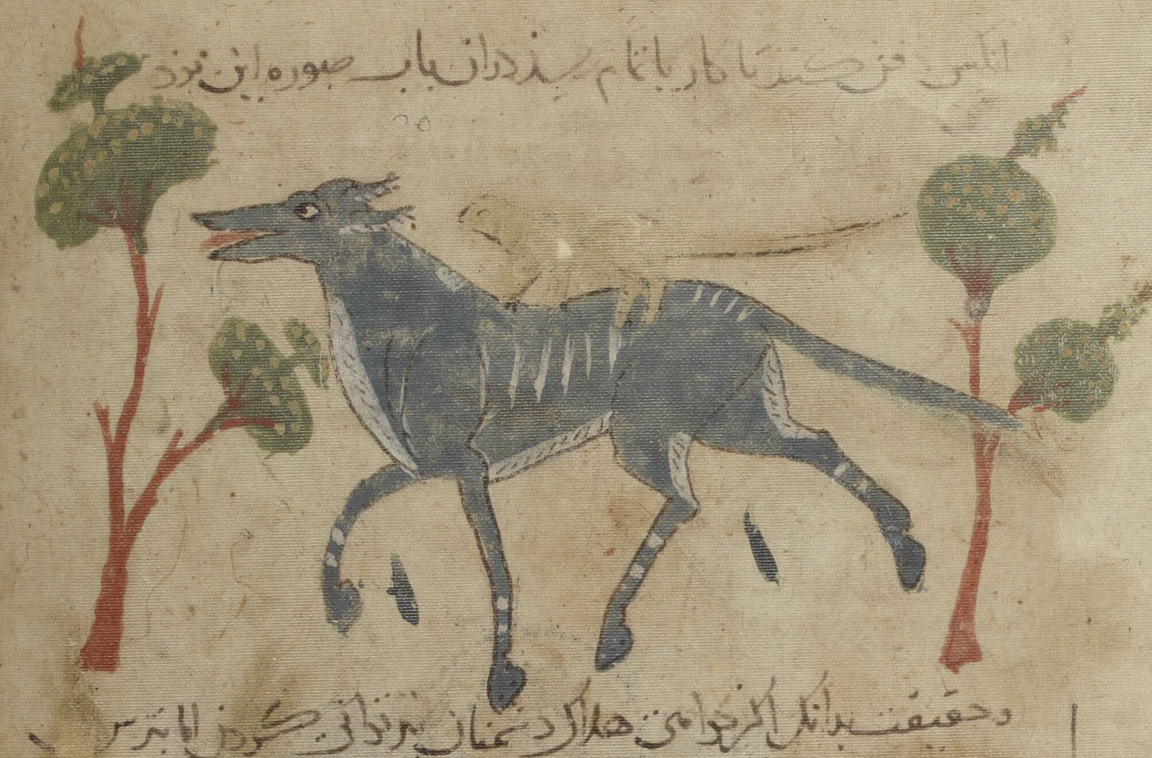
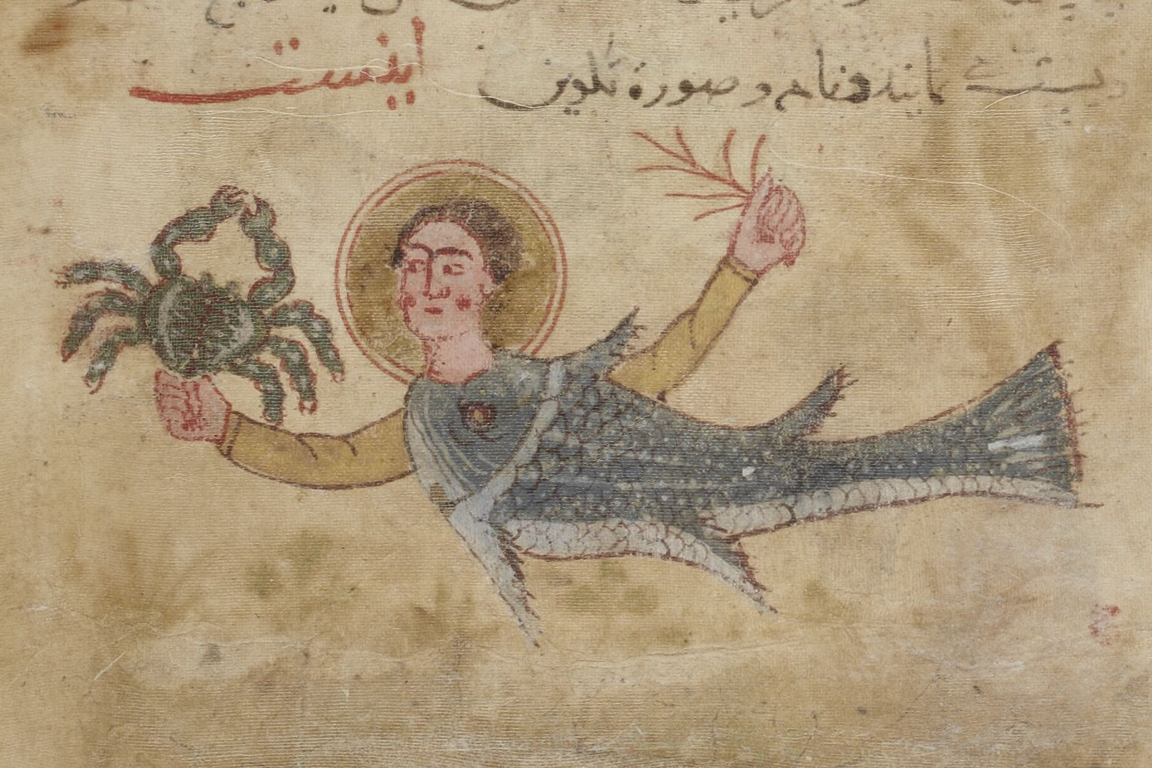
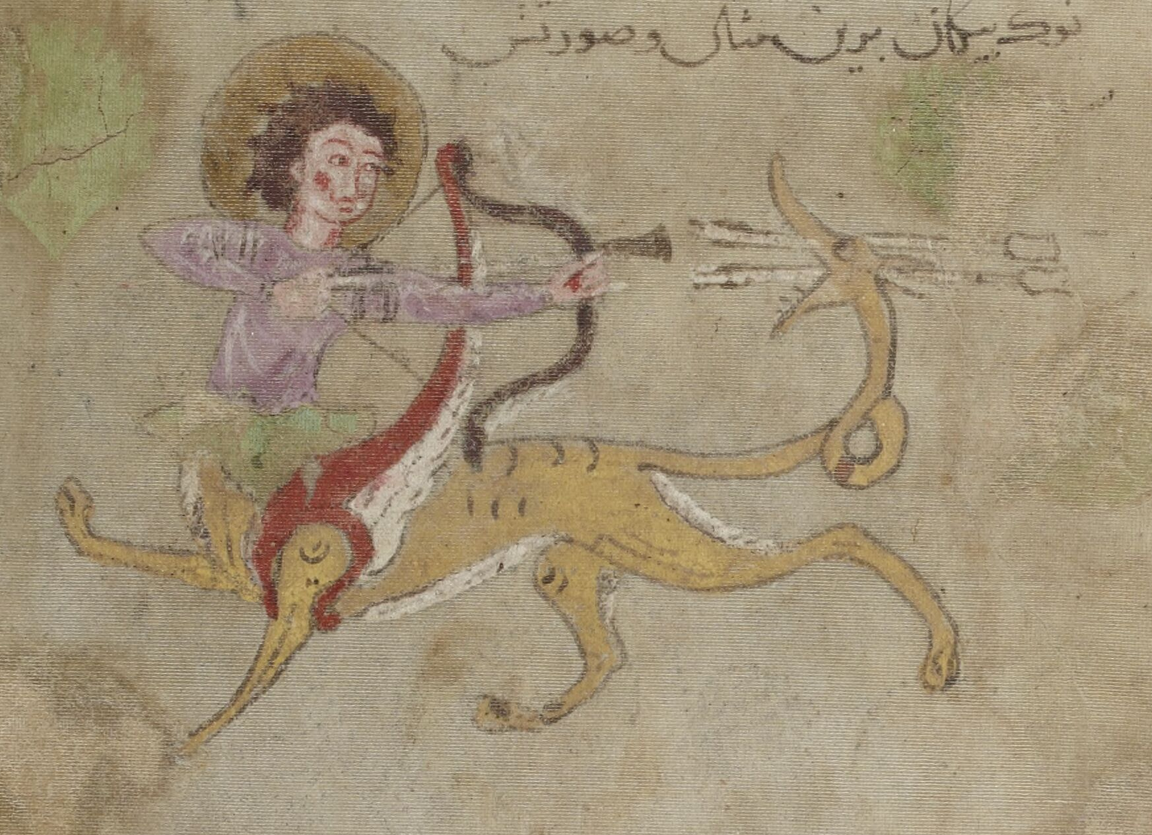
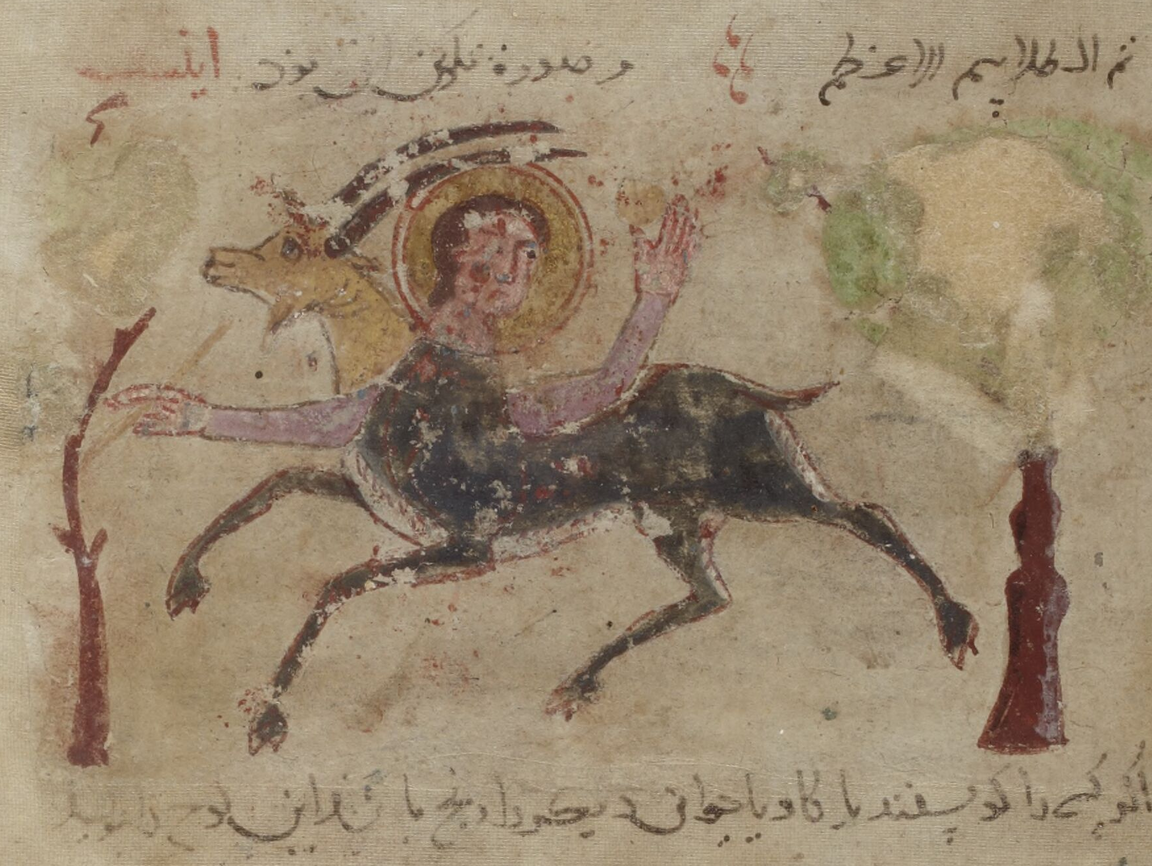
This research focuses on the confluence of visual traditions within this manuscript and the mechanisms through which borrowed visual devices operate. The «Dakik» miniatures represent an exceedingly rare document of cultural exchange, visually encoding the codes of vastly different systems: Indian, Mesopotamian-Harran, Byzantine-Armenian, and Jewish. The paper does not merely state the influence of these cultures; it analyzes precisely how they shape the manuscript’s visual language and how these techniques function. Why do some spirits have four arms, while others have multiple heads? How do attributes held in the hands encode the planet’s function, and why is an angel’s posture more significant than its face?
To answer these questions, the research is divided into sections based on cultural traditions. The first chapter analyzes the Indian influence: the multi-limbed figures and the system of mounts (vahana), examining how these elements transform the image into a set of visual instructions. The second chapter focuses on the Mesopotamian–Harran and cosmographical lines, investigating the hybrid zoomorphic-human forms of spirits and how they encode the boundary between order and chaos. The third chapter examines the Byzantine–Armenian and Jewish influence in Anatolia: the «Byzantine» depiction of angels and Hebrew names that legitimize magical practice within the context of the local Christian and Jewish environment.
Chapter 1. The Indian Influence and Its Adaptation
Multi-limbedness as an Attribute System
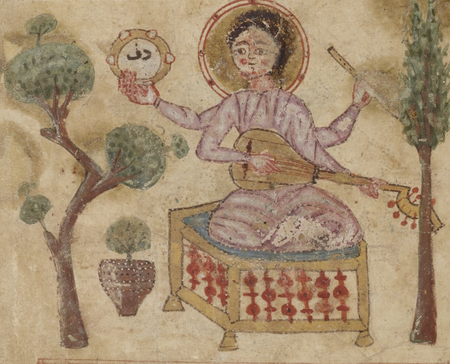
Соединение Луны и Венеры. Persan 174, л. 108.
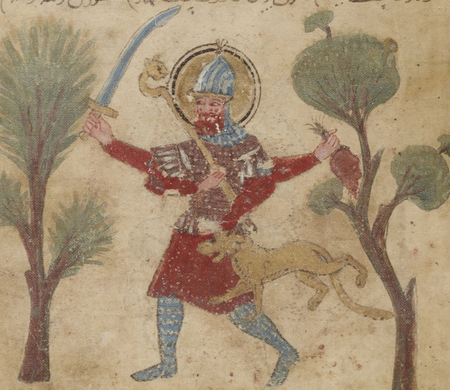
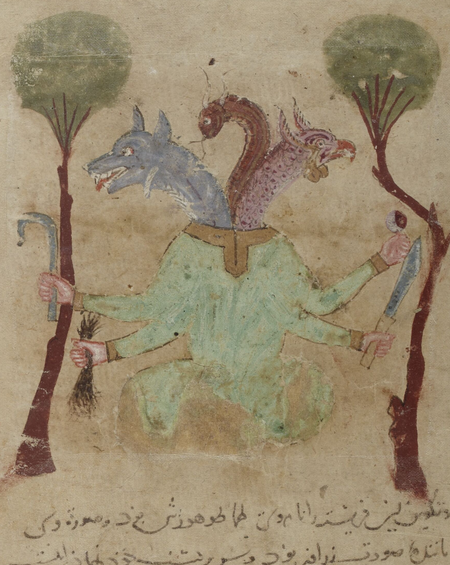
Соединение Луны и Марса. Persan 174, л. 110.
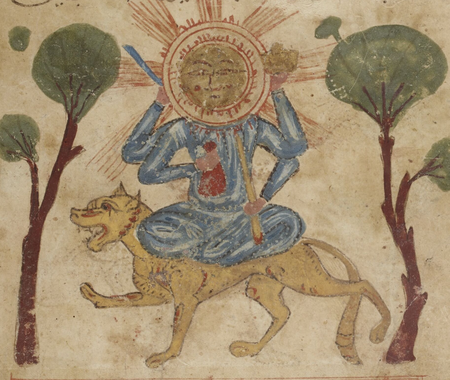
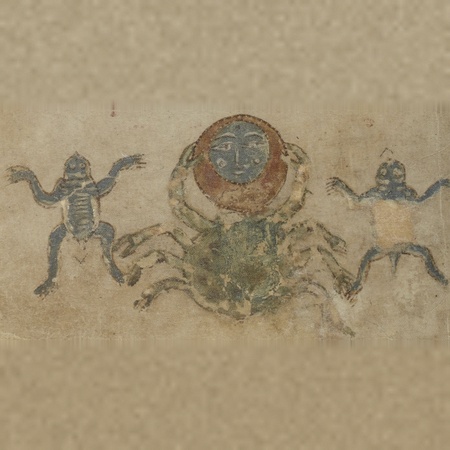
Соединение Луны и Солнца. Persan 174, л. 110об
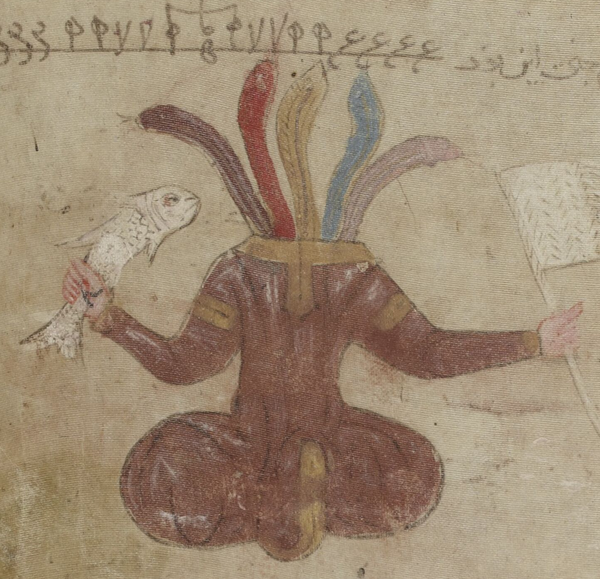
Ангел перехода Солнца из Весов в Скорпиона. Persan 174, л. 113
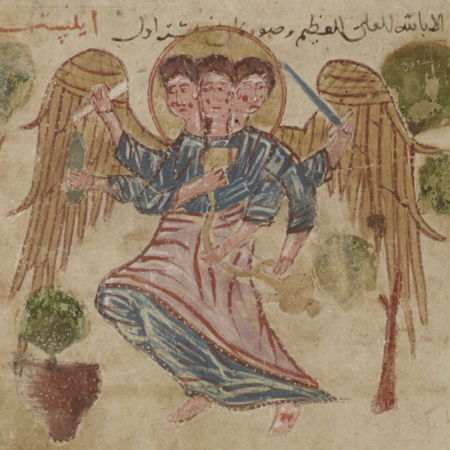
Ангел Тахматураил. Persan 174, л. 111об
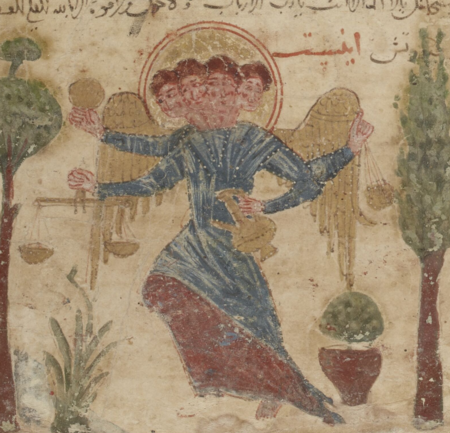
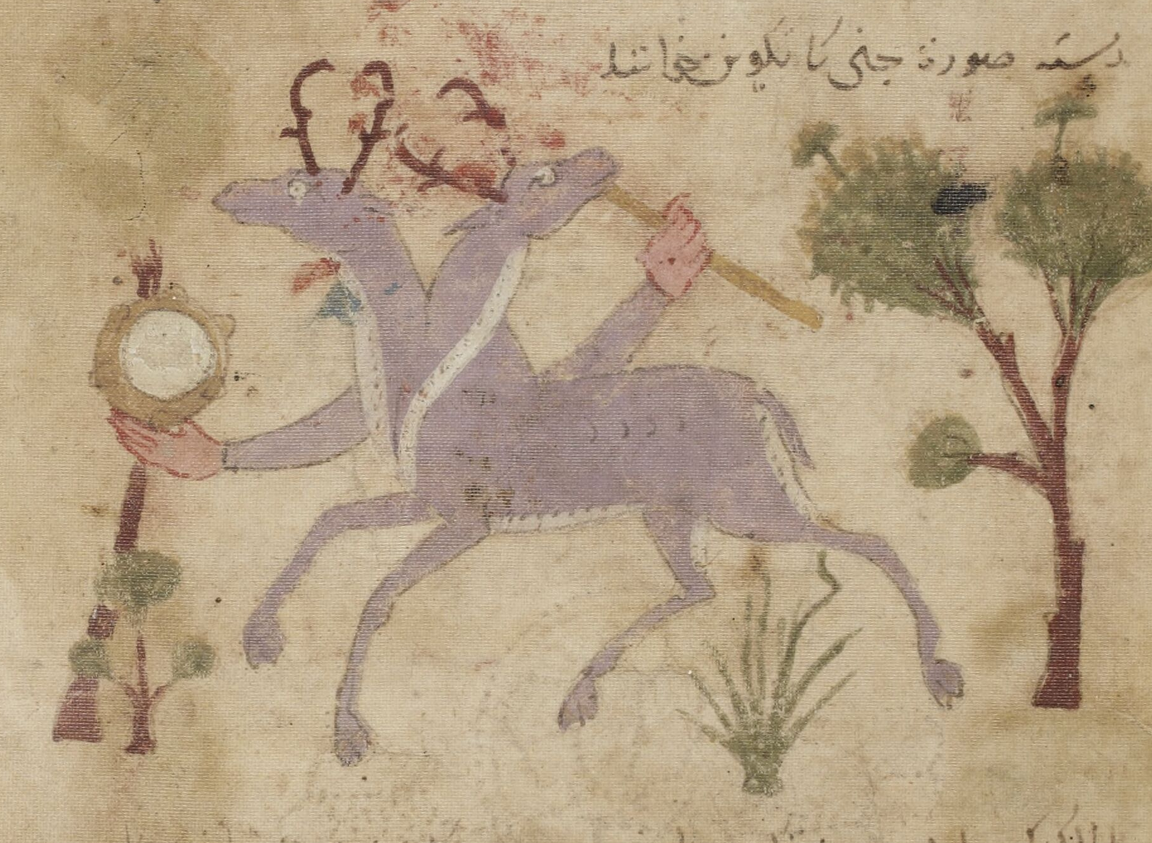
The Indian origin of polycephaly is supported by two arguments. Firstly, according to Pingree (1989), the multi-armed planetary figures and the system of Vahan originated in Islamic astral magic from India: Brahma’s Hamsa became the vehicle of Jupiter, and Garuda—Mercury’s (Pingree, 1989; Rezaei, 2024). Secondly, the polycephalic anthropomorphic figure is a distinctly Indian characteristic not found in other traditions presented in the manuscript. Although the manuscript does not provide direct textual evidence linking the planetary figures to India, the table of contents includes a chapter titled «On the Science of Indians,» which indirectly suggests familiarity with Indian tradition (Peacock, 2020).
Ангел 2-й стоянки Луны. Persan 174, f. 8r
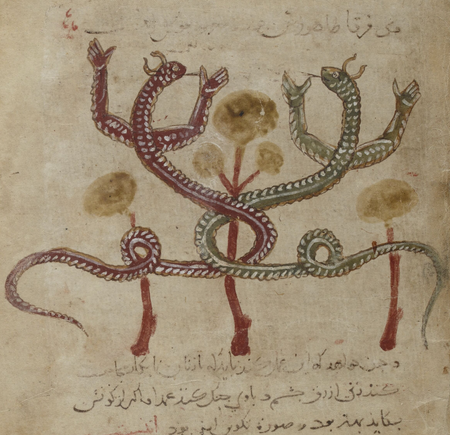
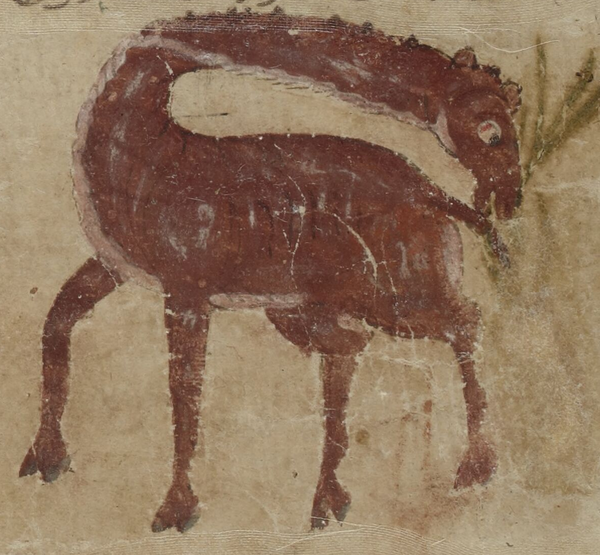
Джинн таквина 2-й стоянки Луны. Persan 174, f. 8r