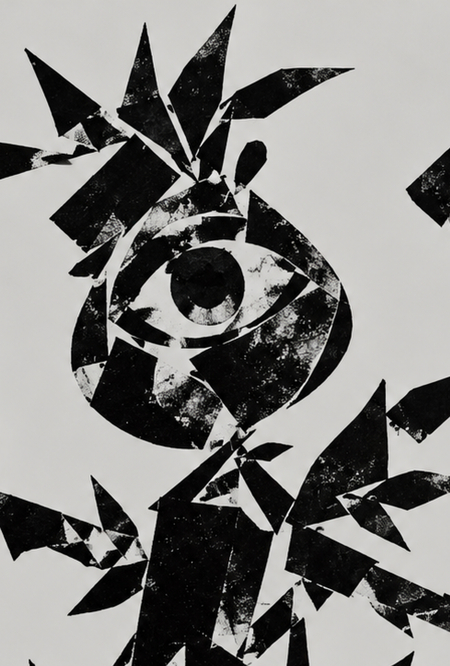
During the process, I utilized ChatGPT (OpenAI) as an auxiliary tool for discussing the project concept, developing generation prompts, composing prompts, structuring the explanatory text, and resolving technical issues while working with Google Colab. For image generation, I used Stable Diffusion XL with a trained LoRA module.
The goal of this project is to train a generative neural network on my own illustrations and test whether it can utilize the characteristics of my graphic style when creating new images. I was interested in more than just obtaining individual generations; I wanted to explore the extent to which the neural network can retain the recognizable nature of the original drawings while simultaneously proposing new visual solutions. Therefore, for the training data, I used my own illustrations that are unified by a common style.
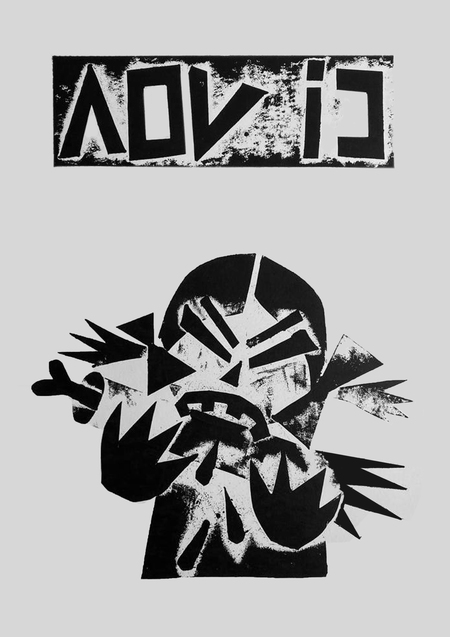
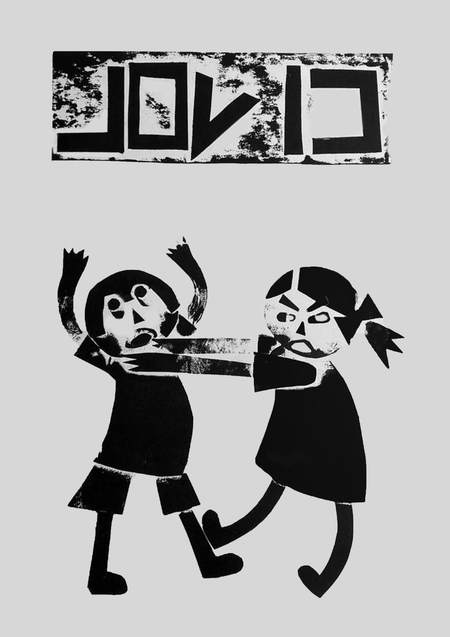
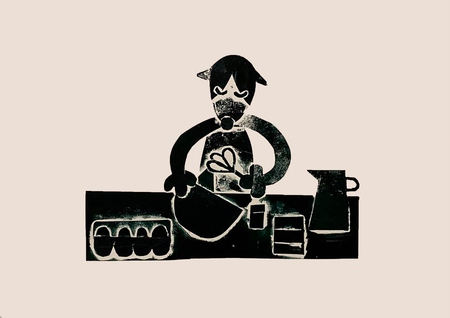
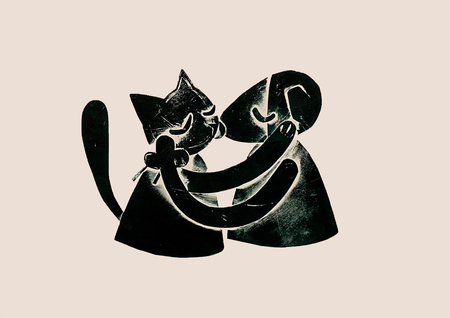
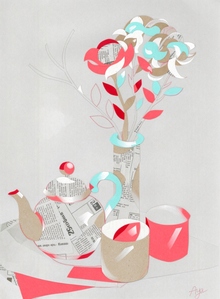
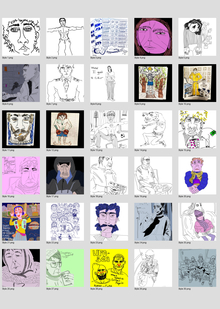
A collection of 24 original illustrations was prepared for the training. These served as the material upon which the model was required to learn the characteristics of the graphic language.
Google Colab and a Stable Diffusion XL notebook utilizing the LoRA training method were used for this work. This approach allowed me to further train the model on my custom image set without having to build an entirely new generative model from scratch.
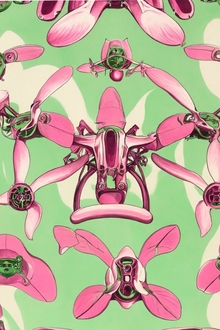
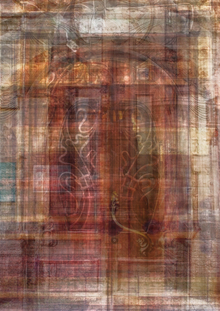
After preparing the images and setting the training parameters, I used the resulting LoRA to generate new images based on text prompts. In these prompts, I defined the subject matter, and the trained module was intended to help convey the unique characteristics of the original graphic style.
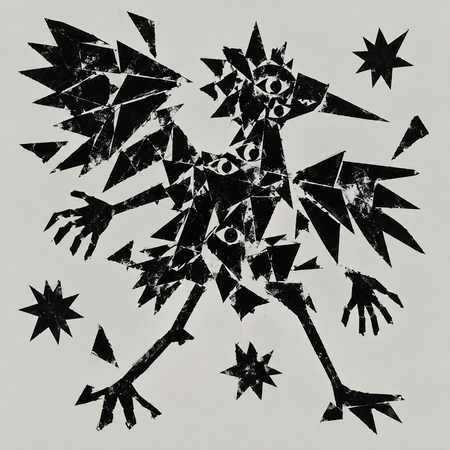
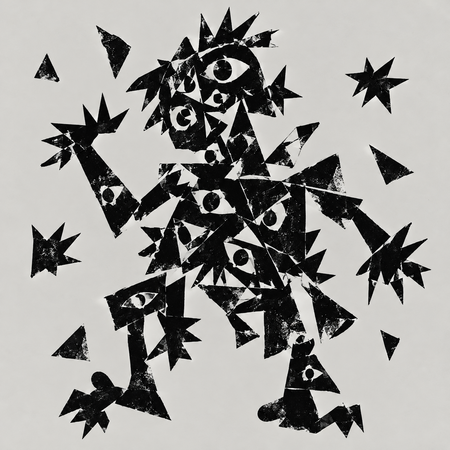
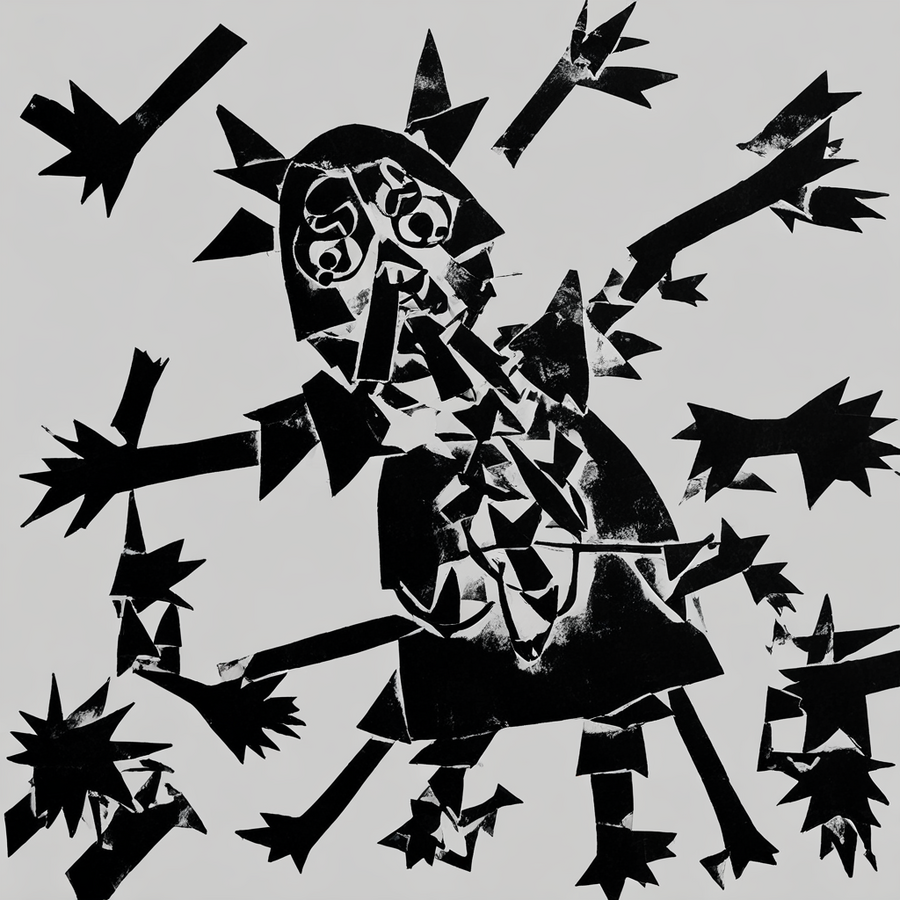
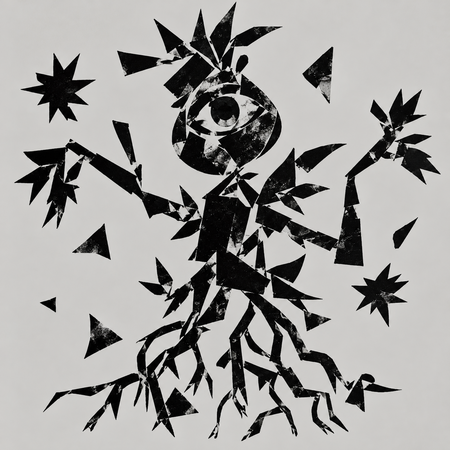
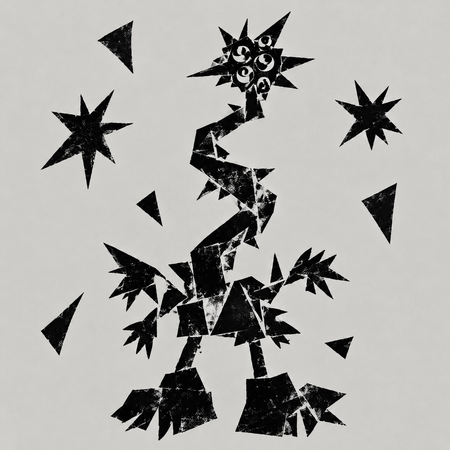
For the final series, I chose images featuring unusual characters and surreal situations. These allow me to explore how my mastered graphic style manifests in new forms, proportions, and compositions.
When analyzing the series, I paid attention to several characteristics: the contrast between black and white, the nature of the contours, the texture of the image, the construction of the silhouettes, and the proportions of the characters.A separate point of interest is the comparison between different generations. Even with the same approach to formulating prompts, the model can offer various compositional solutions, details, and shapes. Furthermore, some of the original drawings’ features may be preserved better than others.
The project allowed us to explore the capabilities and limitations of fine-tuning a generative model using proprietary images. A significant outcome was not only the final series but also the ability to compare the original visual material with the new images created based on it.
During the process, I utilized ChatGPT (OpenAI) as an auxiliary tool to discuss the project concept, develop generation prompts, structure the explanatory text, and resolve technical issues while working in Google Colab. For image generation, I used Stable Diffusion XL with a trained LoRA module.