Основная задача художника — вступать в отношения
Интервью с фотографом Владиславом Ефимовым
Vladislav Efimov is a Russian multidisciplinary artist, curator and photographer, winner of the Innovation and Golden Section Awards, and member of the Art Group «Indirect Photo». His works, stored in collections of the Russian Museum, the Pompidou Centre and MOMMA, combine an experimental photograph with a curatorial vision, exploring the boundaries of reality and document. In this interview, we talked to him about the career path, photography and science, art and curatorship, and the process of creating the work.
BACKGROUND
I was born in Moscow, and I went to a car mechanics institute where I got, first of all, from my laziness, and second of all, I had a passion for such… tech. I worked after the institute at the ZIL plant, which, unfortunately, was now completely destroyed by a designer, and I loved it, and I would still be a designer if it weren’t for the restructuring. Things began to fall apart, quite tangiblely — and this dissatisfaction may have led me to a different path.
Vladislav Efimov’s «round the forest» installation ♪ PENNLAB Gallery ♪ 2022
I started doing art completely by accident. It all started with random relationships and dating. There, for example, Ilya Piganov, a well-known artist, we met when we were on the trolleybus… we — me and my colleagues — had nothing to do with the artistic space of the time; we were sort of the grown-up kids. I’ve often heard from my dear friend, the late artist Salnikov, that I am a craftsman, a craftsman, and it feels like it. I’m really, in a way, a craftsman and a craftsman — it’s good for art because art has different shapes. There’s a philosophical form that thinks, let’s say, humanitarian, and there’s a form that’s kind of formal, let’s say. I mean, technically, on the side of accidents, I believe they didn’t just happen.
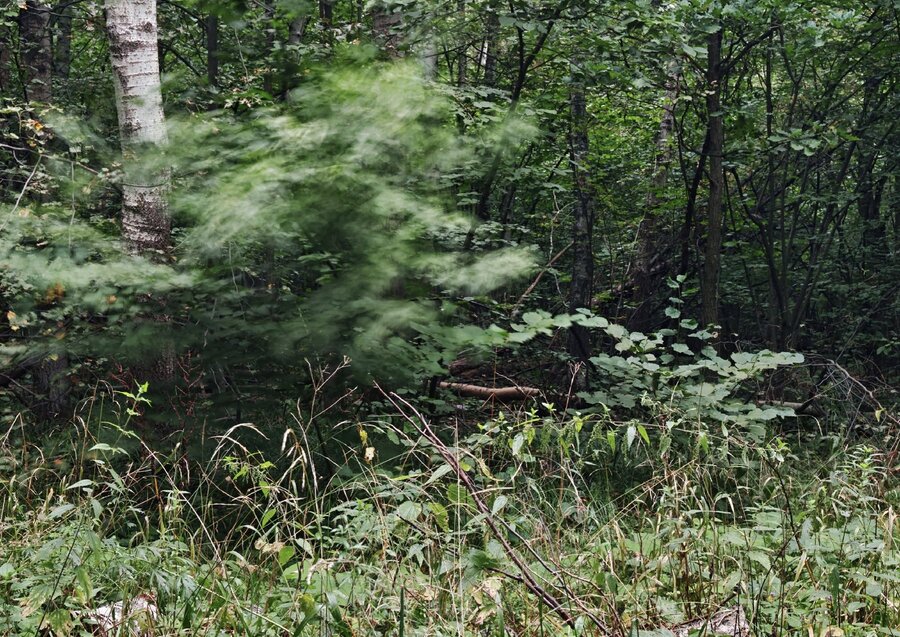
Vladislav Efimov’s «round the forest» installation ♪ PENNLAB Gallery ♪ 2022
I started doing art in the late 1980s; I must say, I didn’t make much progress. And then I began to do, I think, with the appearance in Moscow of the Center for Modern Art, the introduction to Loney Bajanov, and Vladimir Levashov: these two people helped me very much. Partly Lenya Bashanov made me an artist. We met him a long time ago, in the late '80s, and he was very helpful to the advice and, I must say, the organization. The Hermitage association came in part from our non-intermediate photo group, the Ermitage Garden, where Ilya Piganov and Leonid Bagenov worked, who quickly understood the need, the benefits of such a community — and everything became spinning and organized. Then we met all the great artists at the time. I was a photographer, making some objects… and then the real artists with the advanced conceptual apparatus… that’s when I started to understand something.
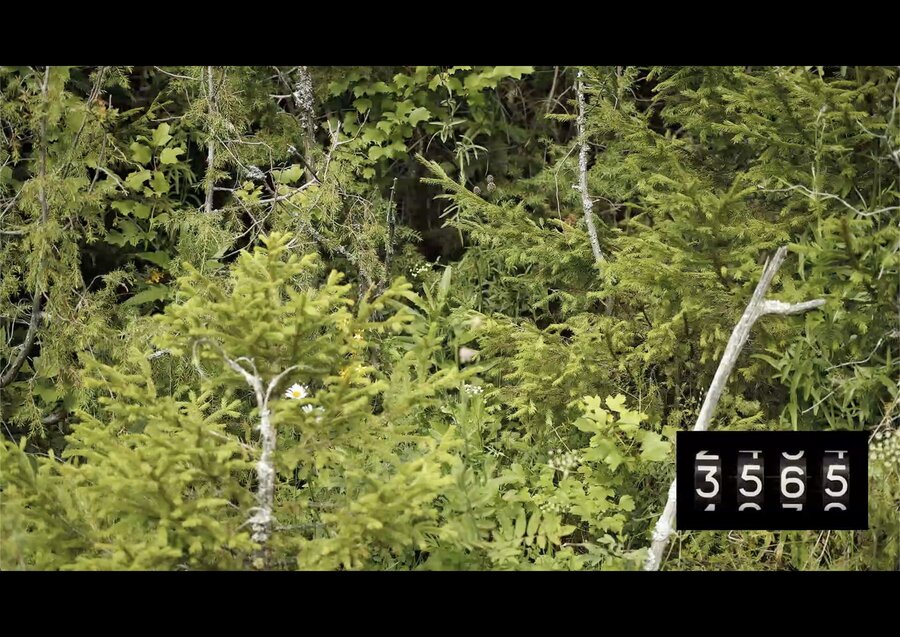
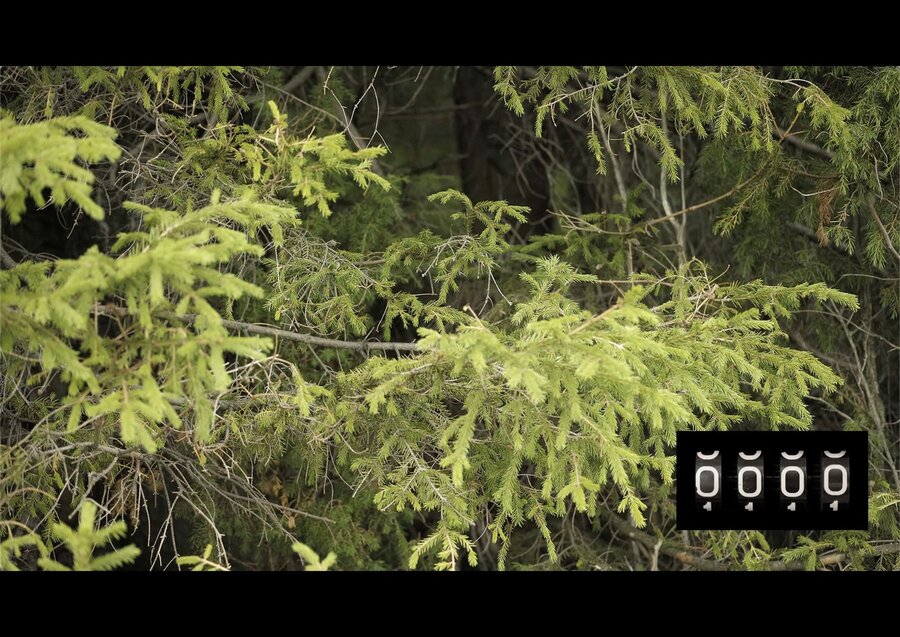
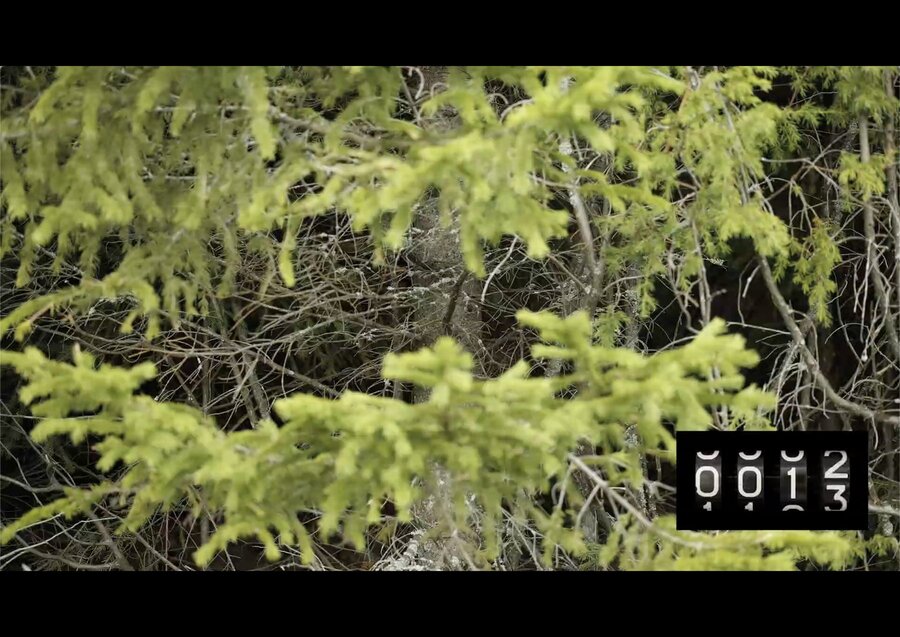
Vladislav Efimov’s «round the forest» installation ♪ PENNLAB Gallery ♪ 2022
Art must appear to be on the territory of freedom, territory of non-binding expression, but then, of course, everything became quite serious. The institutions and the gallery have appeared; I have begun to make many and many exhibitions in the newly established Moscow gallery. There was such a Centre for Modern Arts in Poland, which was first dealt with by Bashanov (then went to the Ministry of Culture and organized the GCI), and Victor Miziano took over by CSI. There was a collection of Moscow galleys. It was possible to make peaceful exhibitions; small but personal projects. In 1995, I came from Berlin, where I lived for six months, and everything closed in Moscow. But that’s when I met Aristarch Chernyshev, and I started making interactive installations with him. We have become pioneers of interactive art in Russia, seems to be the most active. And then everything evolves how it evolves, that is, in different ways.
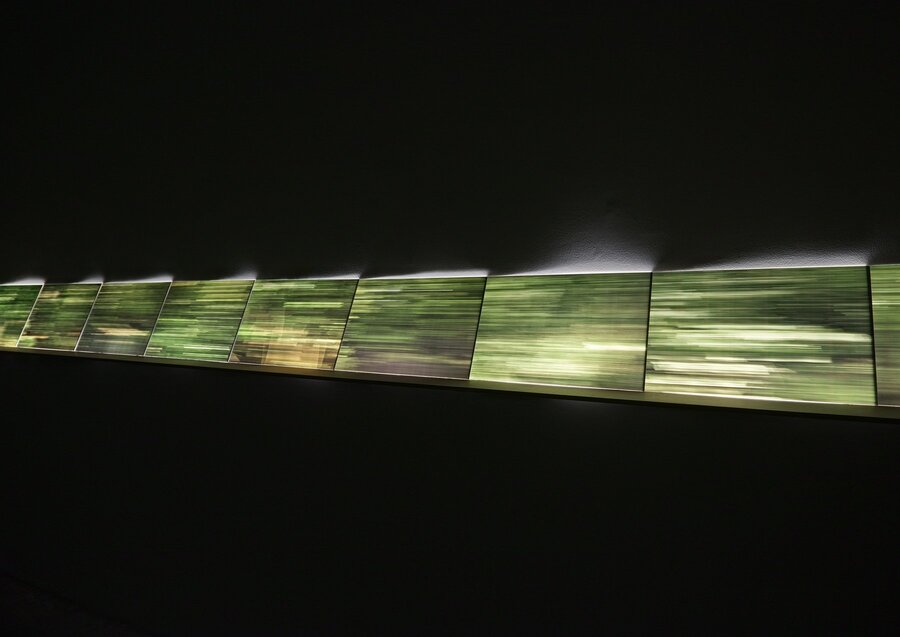
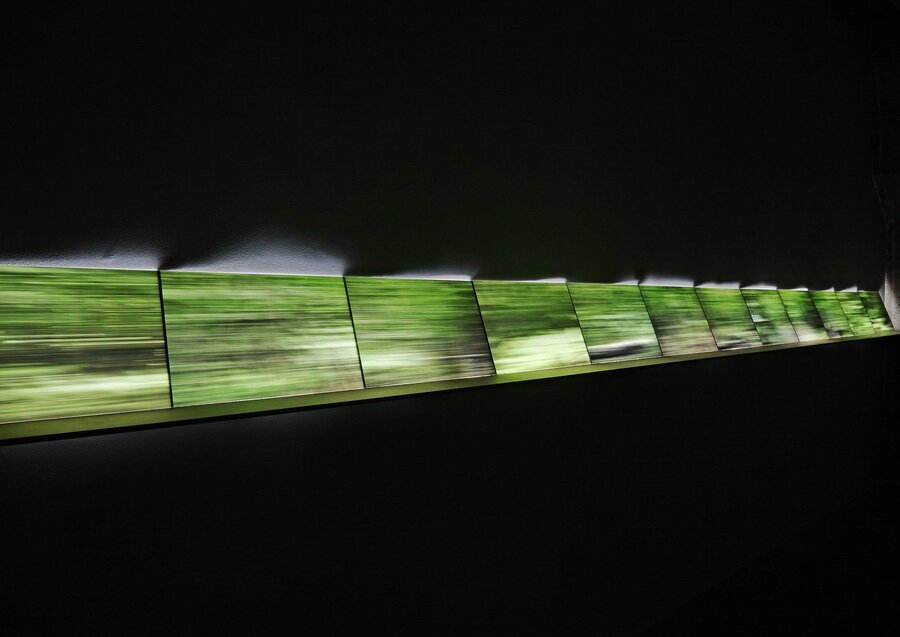
Vladislav Efimov’s «round the forest» installation ♪ PENNLAB Gallery ♪ 2022
The fact that I started to do modern art is pure water by accident. Just under the influence of the spirit of time, first of all. Secondly, because of the prevailing context in the situation: the considerations of freedom that had begun to emerge, including frustration in design; and the attempt to transfer it to another area. I have a lecture on Art Design. That’s what matters to me. I wasn’t a photographer, I wasn’t good at anything, but everything optical, technical, and projectional was very important to me.
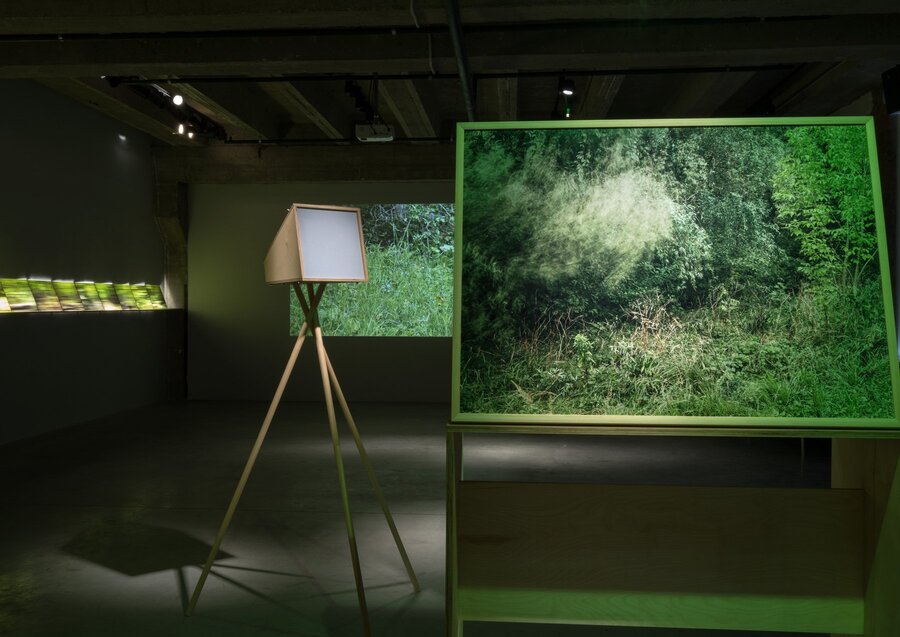
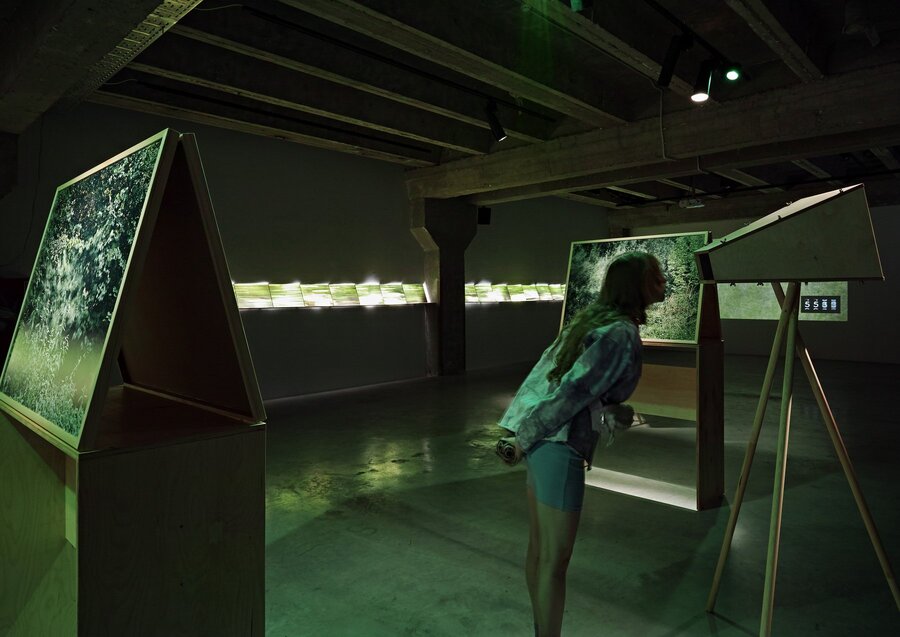
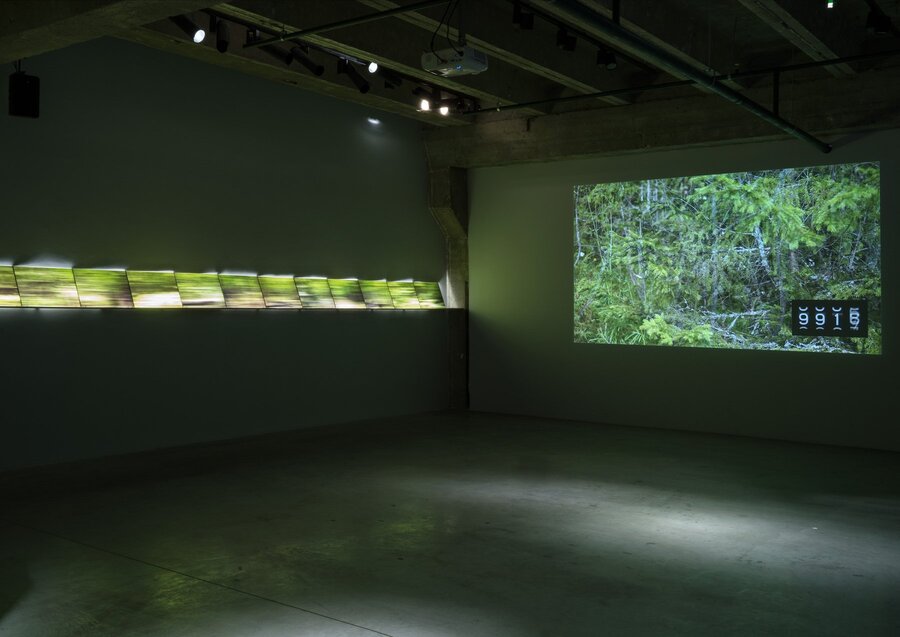
Vladislav Efimov’s «round the forest» installation ♪ PENNLAB Gallery ♪ 2022
ANNOUNCEMENT
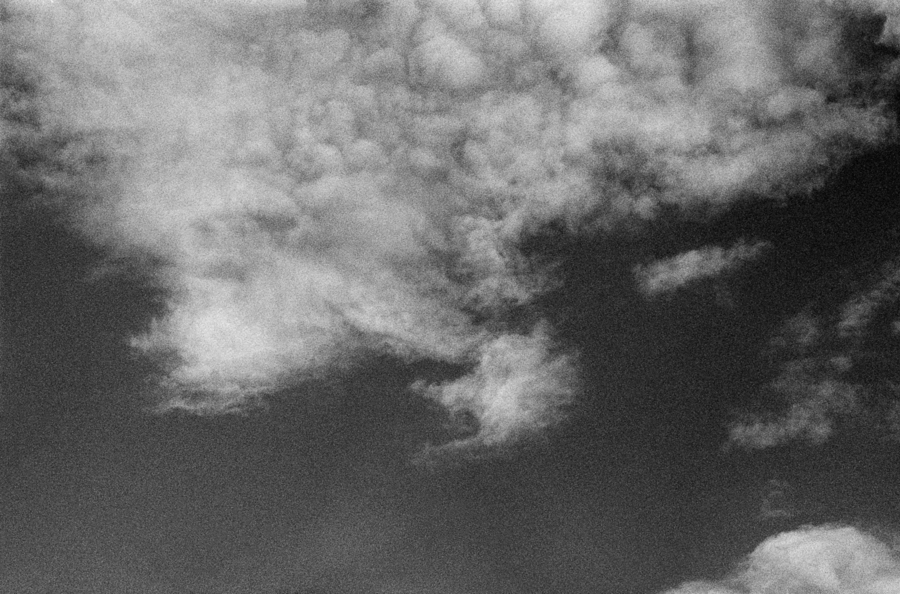
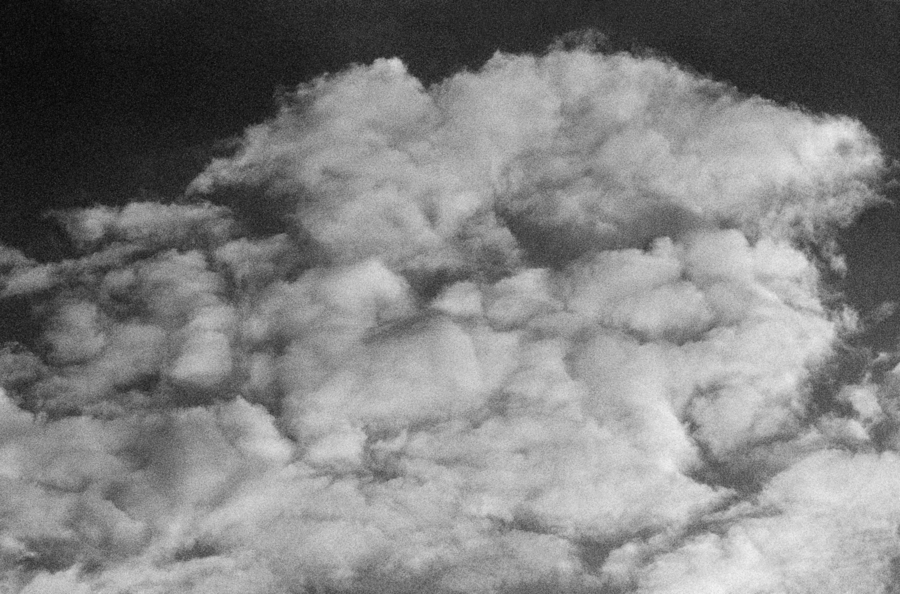
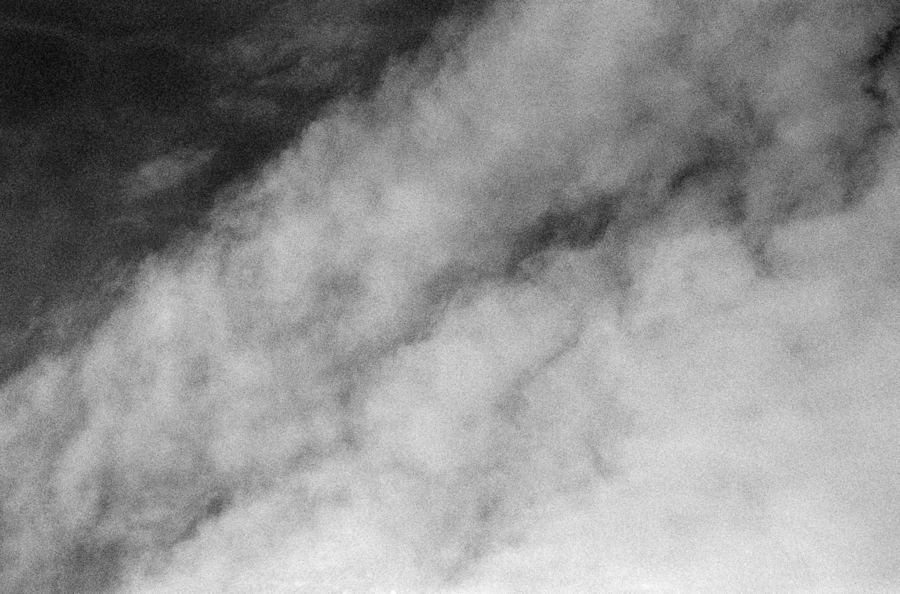
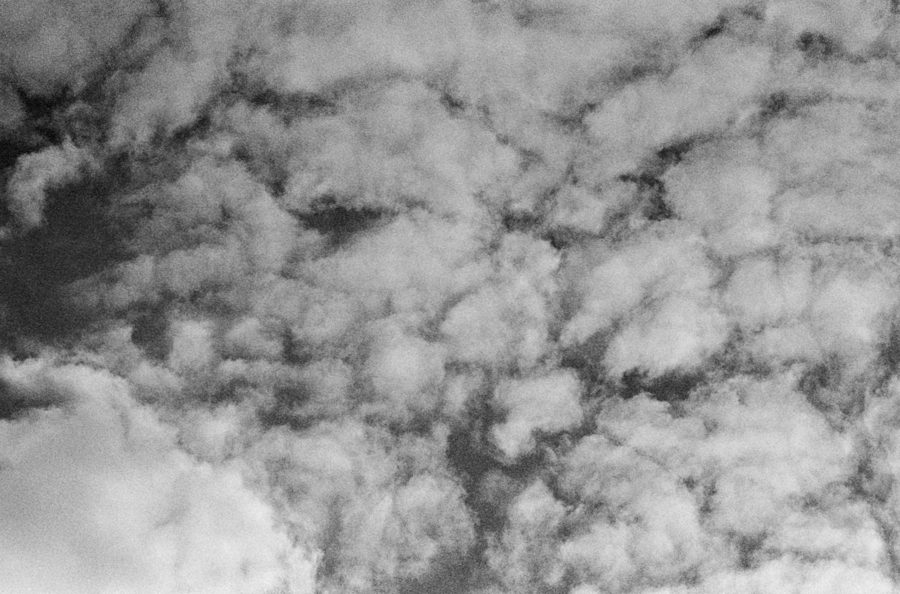
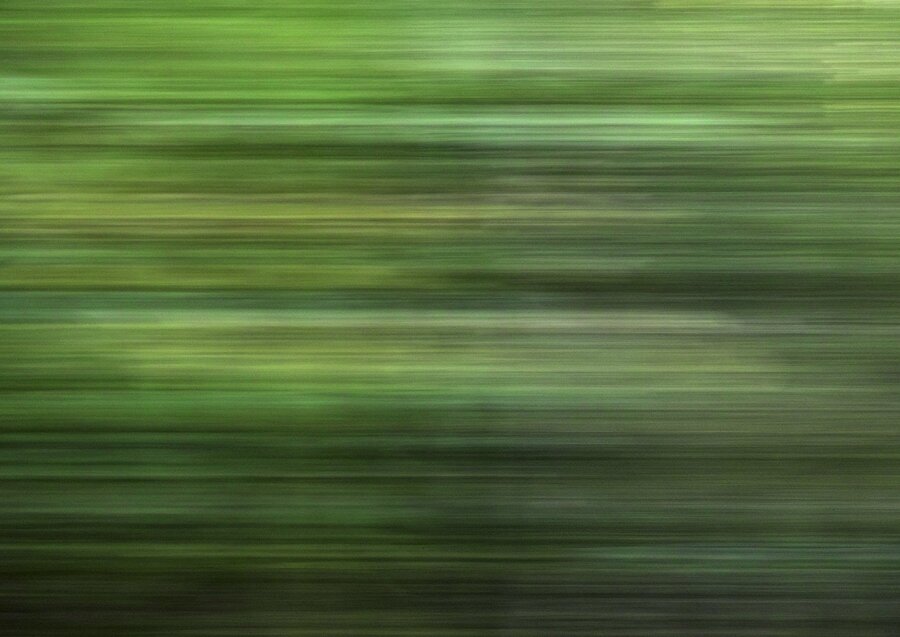
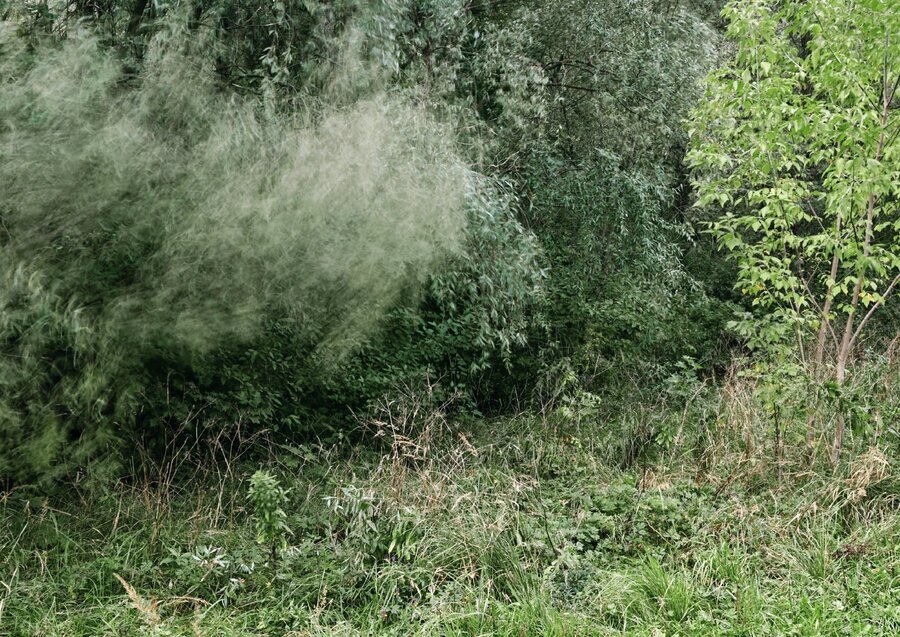
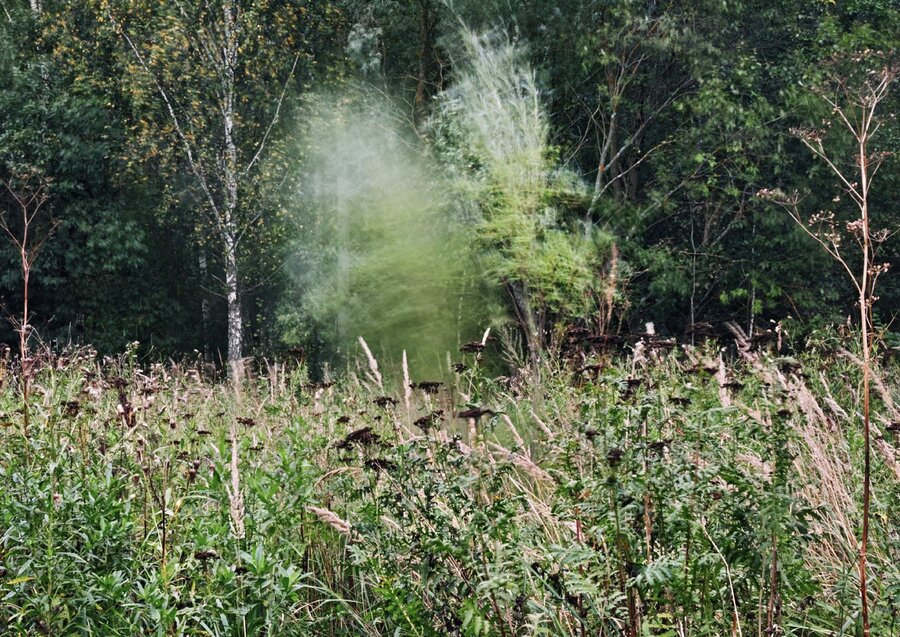
Vladislav Efimov in the «Secrete of living substance» series 2024
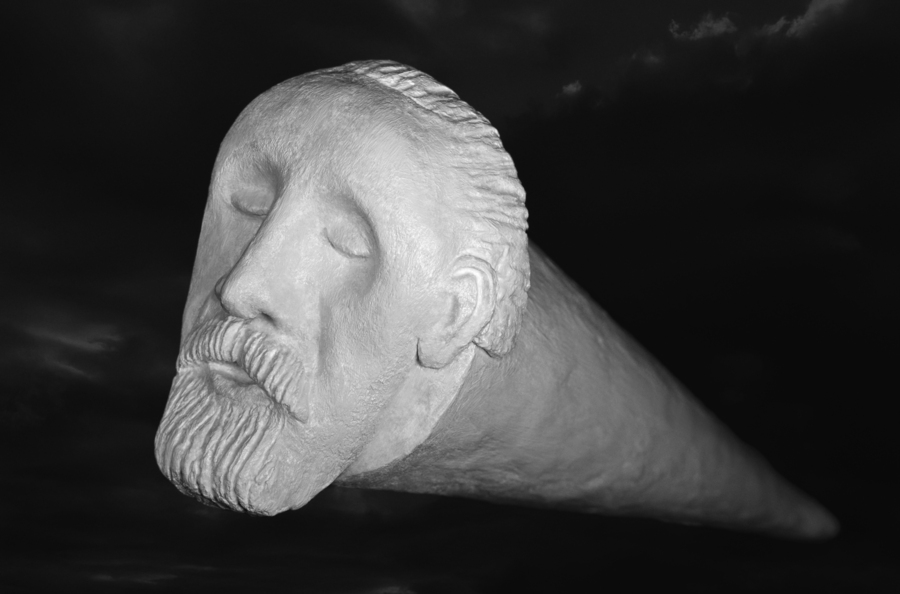
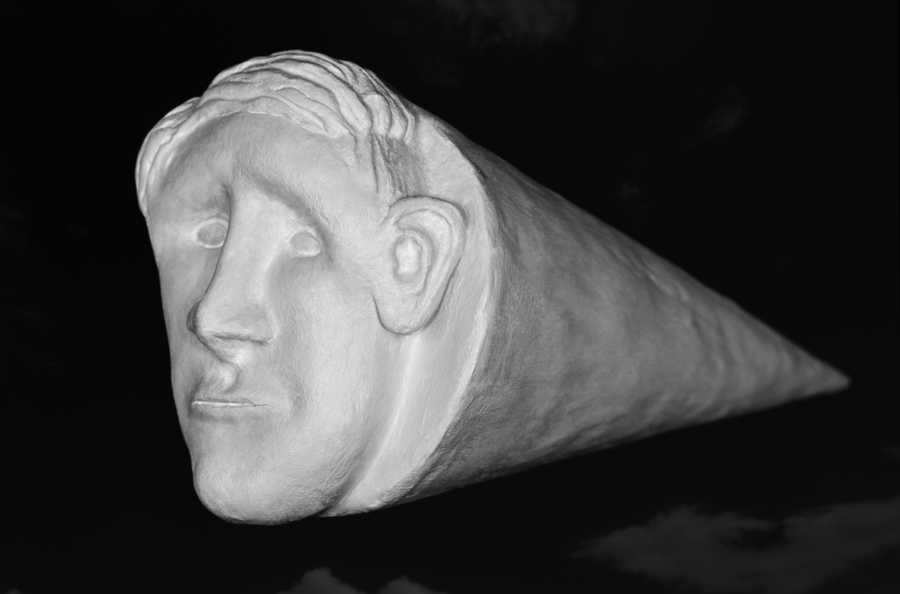
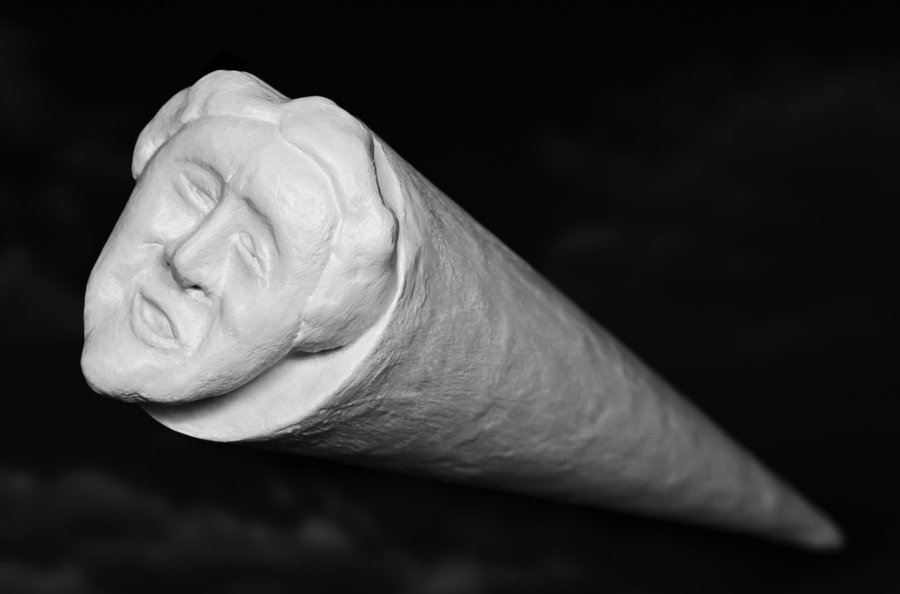
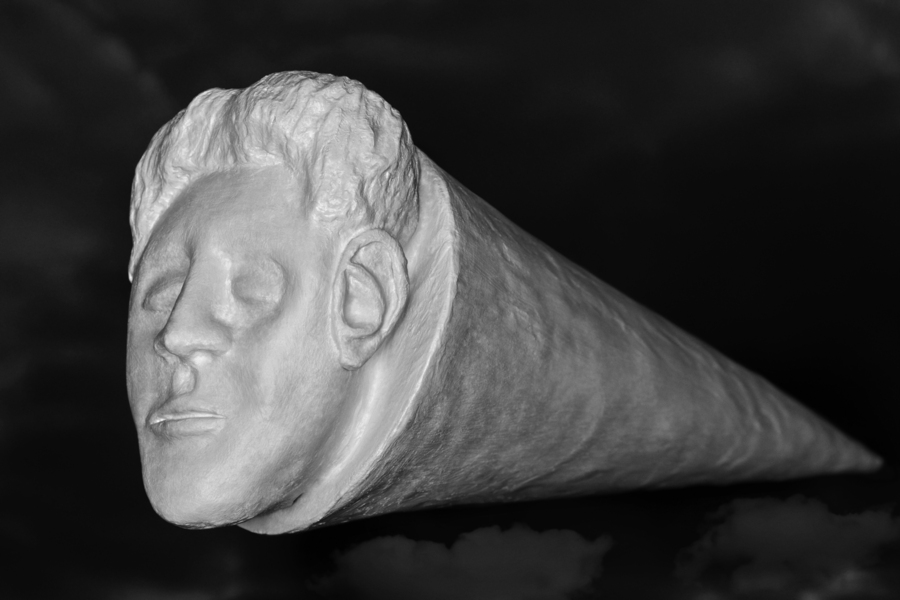
Vladislav Efimov in the «Secrete of living substance» series 2024
First of all, it was fun. Secondly, it is a spirit of groupism and free communication, an exchange of views in which you can receive others but leave behind the individuality needed by the artist, as always, and do collective things. There was no left-hand angle in modern art at the time, but a need to stick to the comrades. Not old and experienced to help make their career, but their own. And it worked together, and it’s very valuable, very important. But it’s not a recipe for our time, of course. Now such things are no longer relevant: they are more idealistic and less domestic, lifelike. It’s just that everyone wanted to do something and started doing it without thinking about the future, because the future has become weird, fragile; no one’s been deluded by hopes for a new Russia — it’s possible, so they’re sighing. And then they breathed out. Come on, let’s go.
Vladislav Efimov ♪ The Mystery of Living Matter ♪ PENNLAB Gallery at the 12th International Modern Art Fair COSMOSCOW 2024
COMMERCIAL JUSTICE
Modern art is a very wide field. You can start and talk for a long time about absolute platitudes about meaning, about conceptuality… but, frankly, that’s what everyone says, and I don’t want to. I think the artist’s main task is to get into a relationship. The distance is very important to me, because I’m a photographer, and it’s the physical distance that matters to me. How reality turns first into a dot and then spreads backwards, in an inverted, conditionally. Or it was long, flat, so holographic. If it was flat, it becomes bulky.
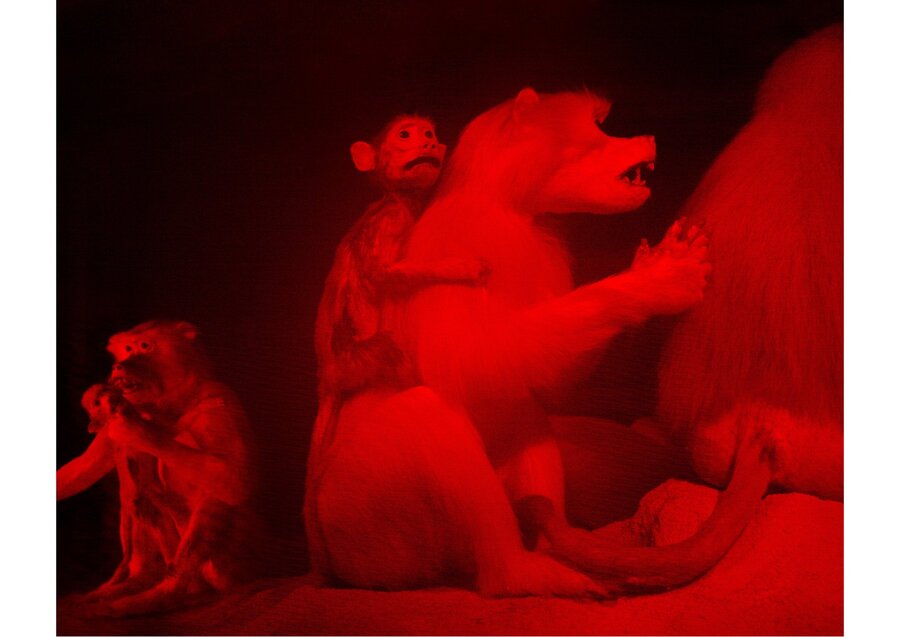
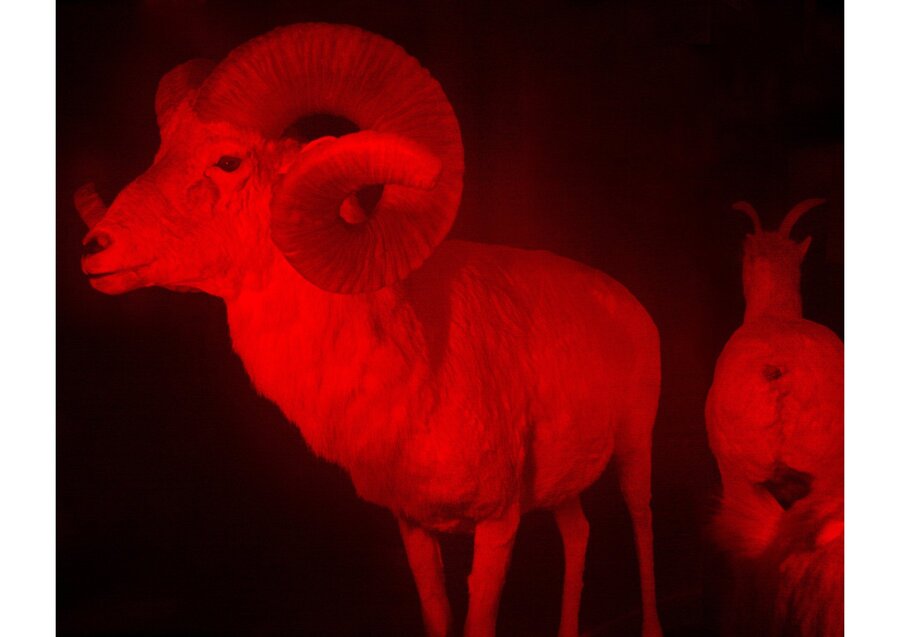
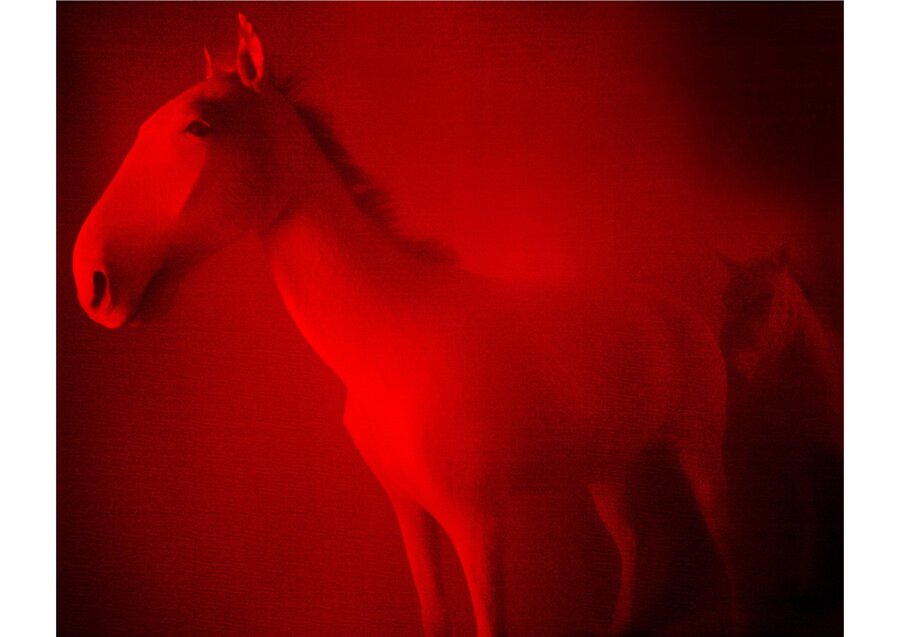
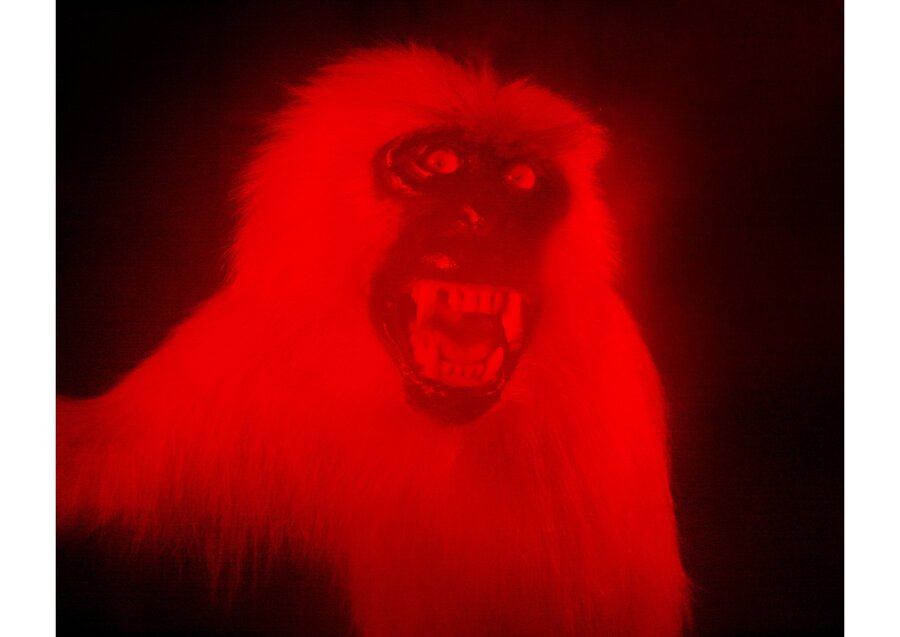
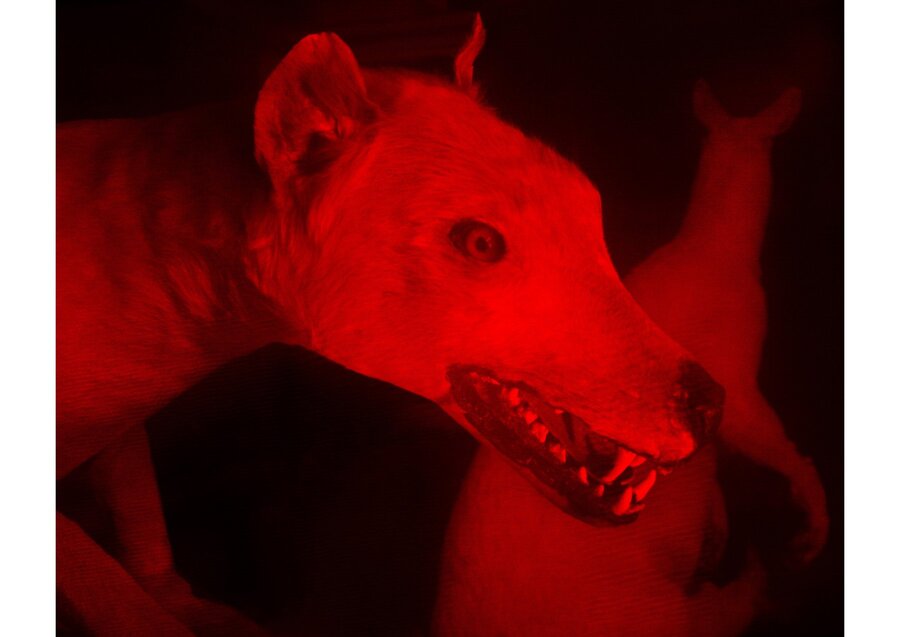
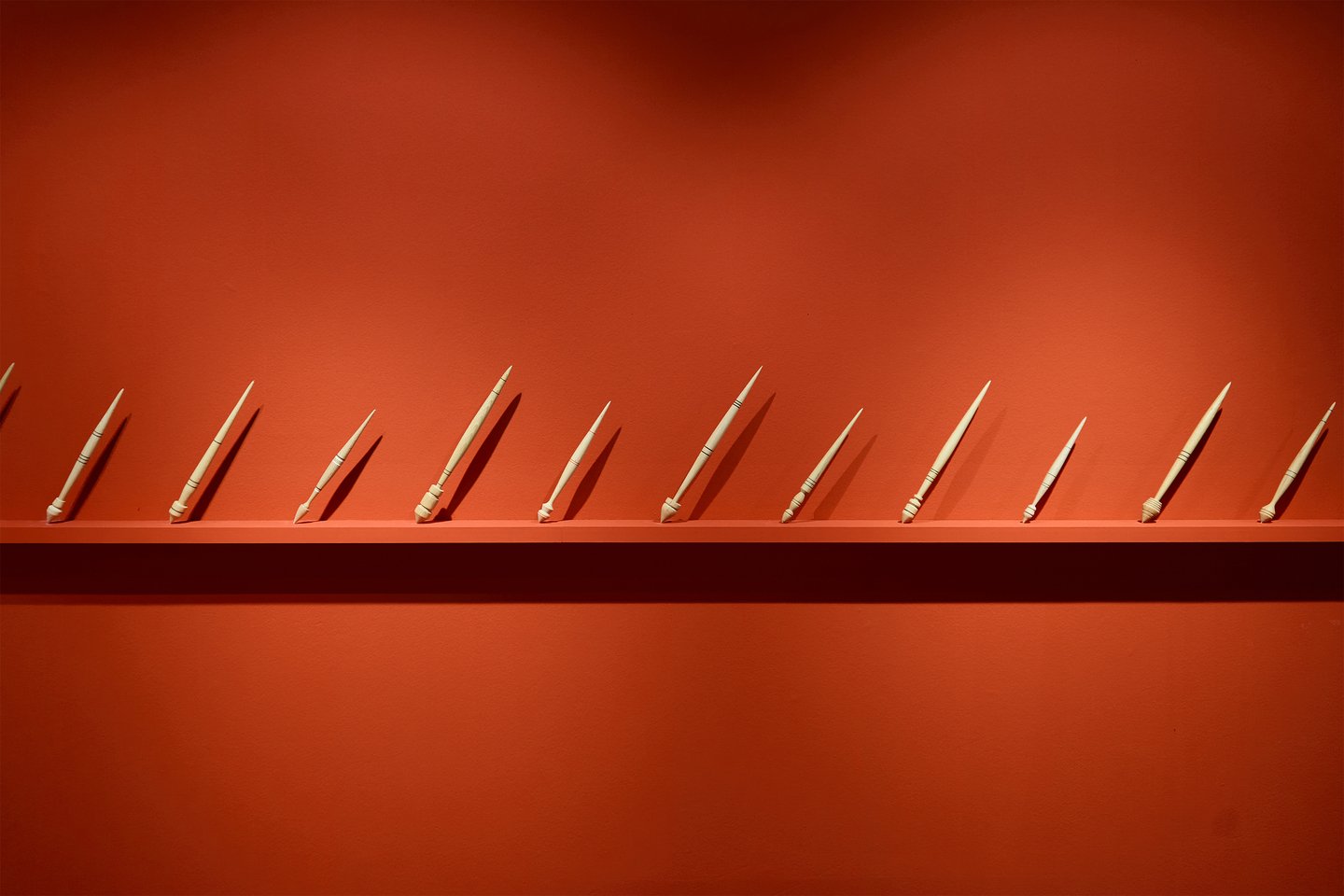
Vladislav Yefimov, in the series «Without Blood» ♪ 2019
So the artist has to get into a relationship with reality, try it. A dog, for example, has a higher level of nervous activity, but it can’t build an image in its head. That’s why she’s always running, sniffing, trying, and she’s good at it. Same thing, I think, with the artist. He’s like an animal in a way: he’s concerned about trying to get close, trying to get his way. Closeness to a person is important even for the most formal artist, perhaps more important than an artist who deals with human beings: Try to find a distance to talk to a person about a person through things, through signs, or through a landscape about an object. I think it’s very interesting how formality turns into poetry, like that a priori isn’t poetic, humanism is born. That’s curious. The artist’s job is to work with distances. The distance refers not only to physical distance, but also to mental distance. The same questions relate to the questions of knowledge, the construction of the model of the world, the explanation of it: the artist operates in the same way that is similar — or parody — to science, but does so intuitively, with the right to error. The scientific method is given to us, we love it, but we always break it, wrong, and even sometimes drowning in the mistake.
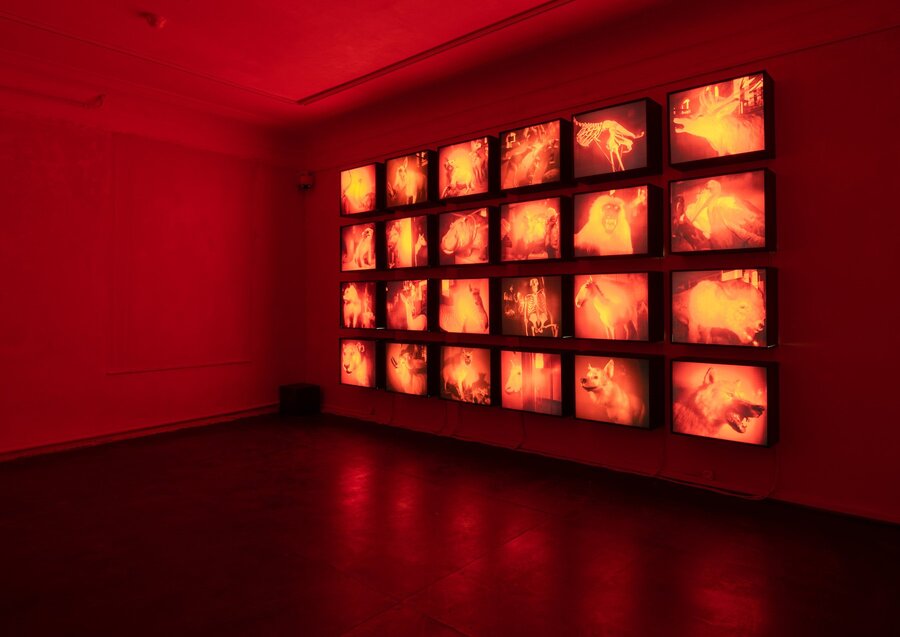
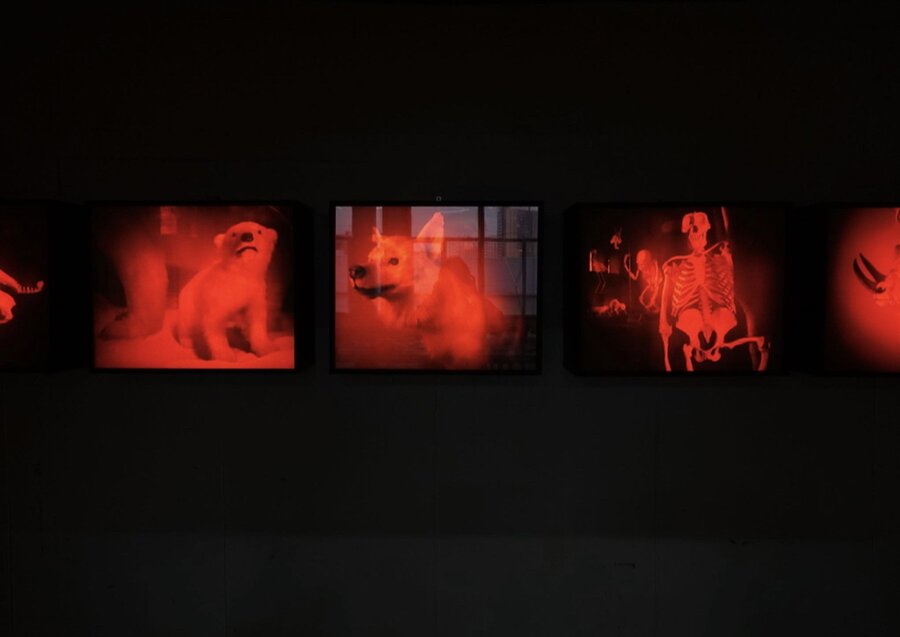
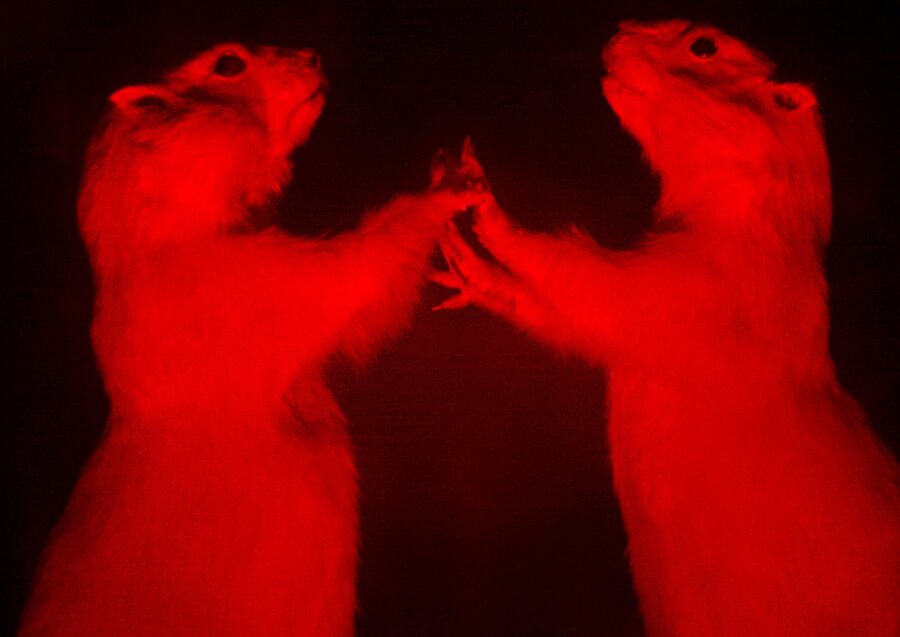
Vladislav Efimov ♪ Without Blood ♪ 5th Ural Biennal of Modern Art in Yekaterinburg ♪ 2019
SCIENCE AND JUSTICE
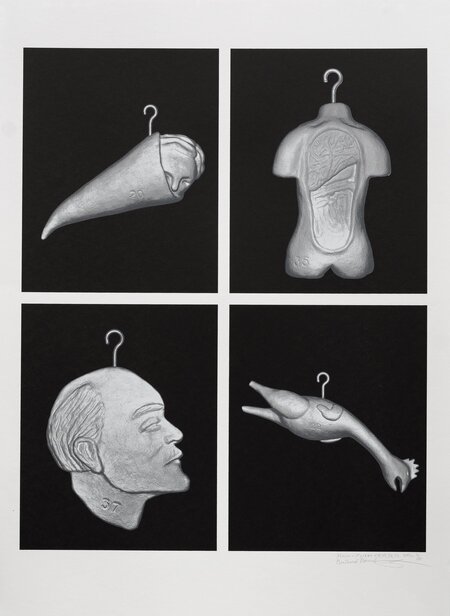
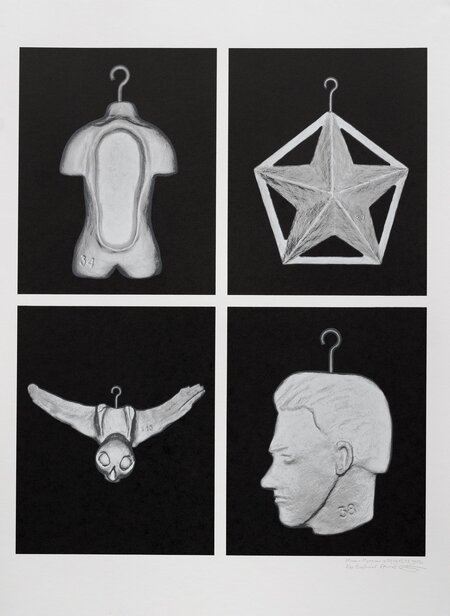
FORMS OF REFERENCE AND CONTEXT
As far as form and content relations are concerned, I am always in favour of form. I think the form is very important: it holds the content. If we start thinking about the project from the formal point of view, the content does not run away: it becomes more concise, clearer, unnecessary. I’m also in favour of doing things with my own hands. In general, the artist’s job is to do this thing. It’s a big responsibility. Therefore, the first thing to do is pay attention to the form. If we think about how to do a bad, terrible thing, it’s almost impossible: a bad thing needs to be done, based on the considerations that make it perfectly bad, which means it’s already a good thing! I don’t think that the space of interpretation depends on the forms imposed on artists. If there is no form, we become completely free, and freedom is another kind of creative activity. These activities are literary, philosophical, rather in the field of text. And formal art isn’t exactly text, it’s visual reasoning.