At the turn of the 19th and 20th centuries, animation was in its formative stages. Moving from initial frame-by-frame experiments and optical attractions, it gradually progressed toward more complex narrative forms. Its development was closely linked to the theatrical culture of the time, which became a vital source of artistic and expressive techniques. Variety shows and vaudeville influenced the rhythm and spectacle of animated sequences; shadow puppet traditions informed the use of flat silhouettes and contrasts; puppetry influenced the plasticity and conventionality of character movement; and illusion and «lightning-fast drawing» spurred the evolution of visual tricks and metamorphoses.
I. Concept
In this paper, I examine the question of which theatrical techniques have transferred into the language of French animation. The goal of this visual study is to analyze and classify these theatrical techniques and identify their role in constructing imagery and narrative. The research hypothesis is that the early French animators—such as Émile Reynaud, Émile Col, Georges Méliès, and Alexander Alekseev—did not invent the language of animation from scratch, but rather adapted existing techniques from shadow theater, pantomime, spectacular performance, and puppet theater. These techniques functioned effectively on stage, allowing the audience to understand them. Later, animators replicated and developed them from film to film until they became the foundation of animation’s artistic language.
Navigation:
I. Concept and CategorizationII. Shadow Theater
- Das Ornament des verliebten Herzens (1919), Lotte Reiniger
- The Adventures of Prince Achmed (1926), Lotte ReinigerIII. Pantomime and Object Pantomime
- The Enchanted Drawing (1900), James Stuart Blackton
- Fantasmagorie (1908), Émile Cohl
- Gertie the Dinosaur (1914), Winsor McCayIV. Puppet Theater
- The Cameraman’s Revenge (1912), Vladislav Starovichev
- The Insects' Christmas (1913), Vladislav Starovichev
- Dreams of Toyland (1908), Arthur Melbourne-CooperV. Stage Space
- Humorous Phases of Funny Faces (1906), James Stuart Blackton
- Fantasmagorie (1908), Émile Cohl
- Gertie the Dinosaur (1914), Winsor McCayVI. Example for Item Three: Pepper’s Ghost, 1862VII. Stage Tricks
- The Enchanted Drawing (1900), James Stuart Blackton
- The Haunted Hotel (1907), James Stuart Blackton
- Escamotage d’une dame chez Robert-Houdin (1896), Georges MélièsVIII. Conclusion / Bibliography and Image Sources
II. Shadow Theater
Lotta Reininger, process of work
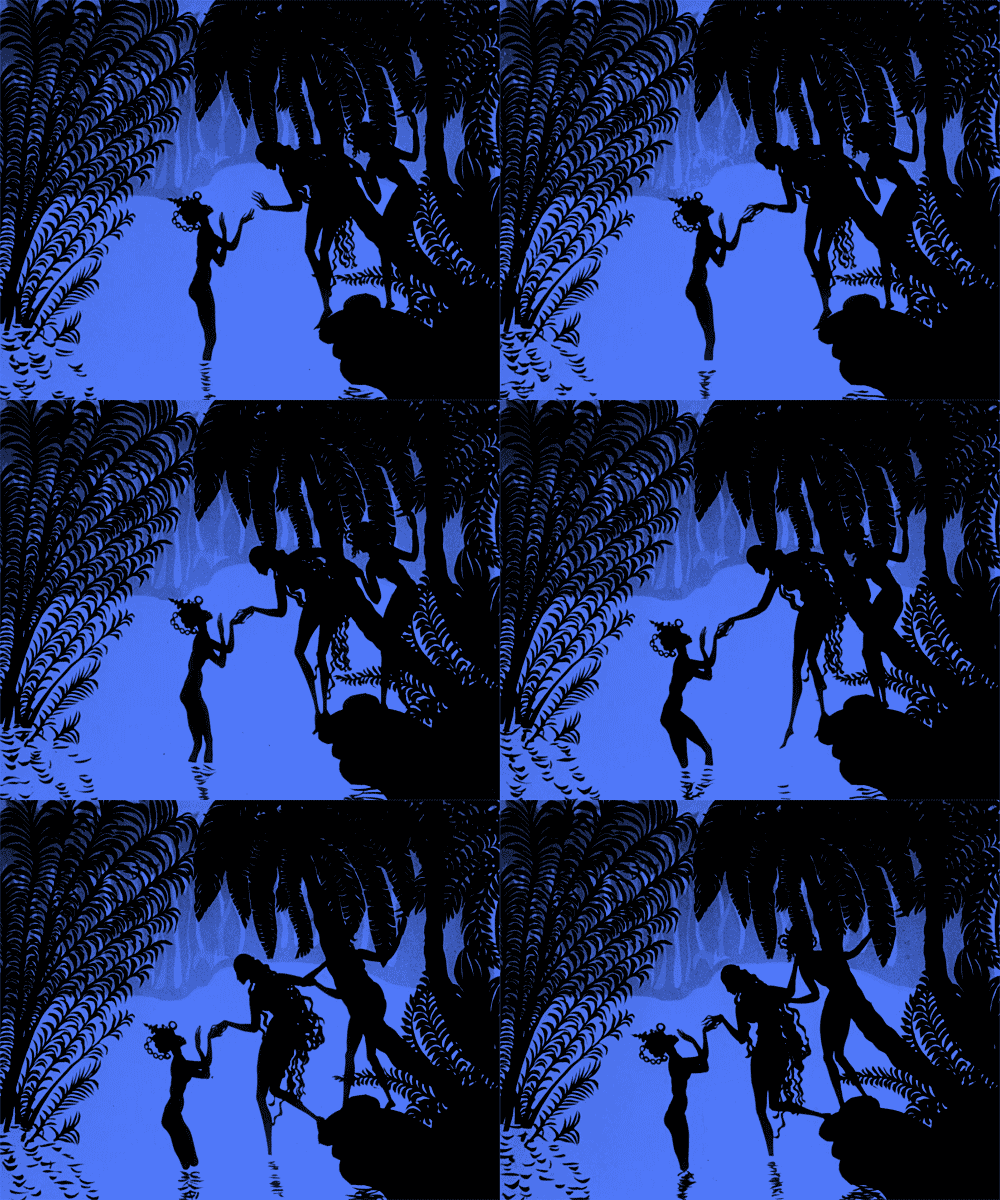
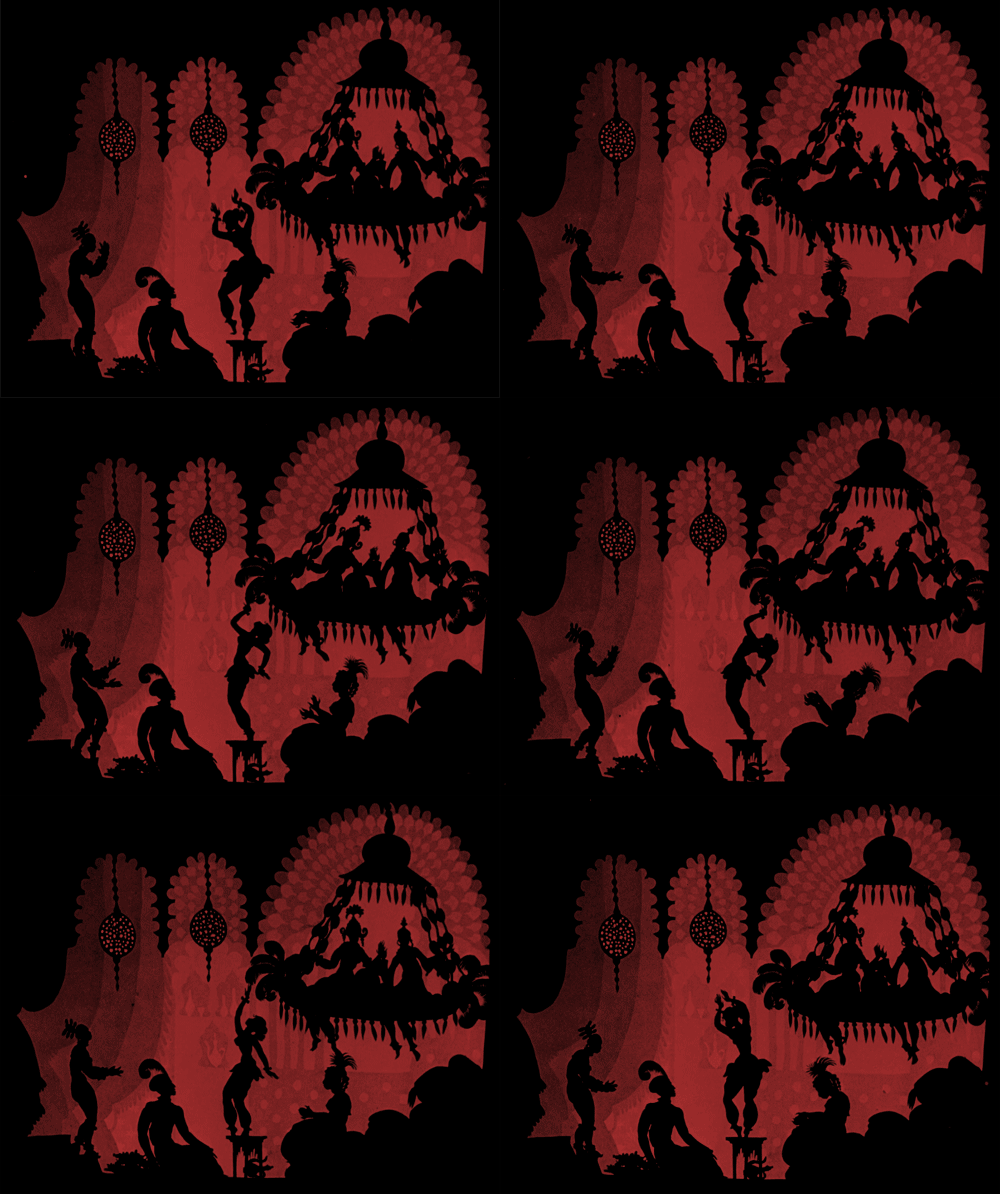
Lotte Reiniger, The Adventures of Prince Achmed (1926)
Lotta Reininger, Das Ornament des verliebten Herzens (1919)
III. Pantomime and Object Pantomime
James Stewart Blackton, The Enchanted Drawing (1900)
Emile Nolde, Fantasmagorie (1908)
Winsor McCay, Gertie the Dinosaur (1914)
IV. Puppet Theater
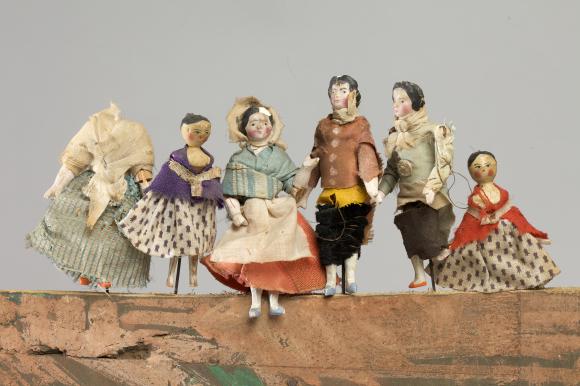
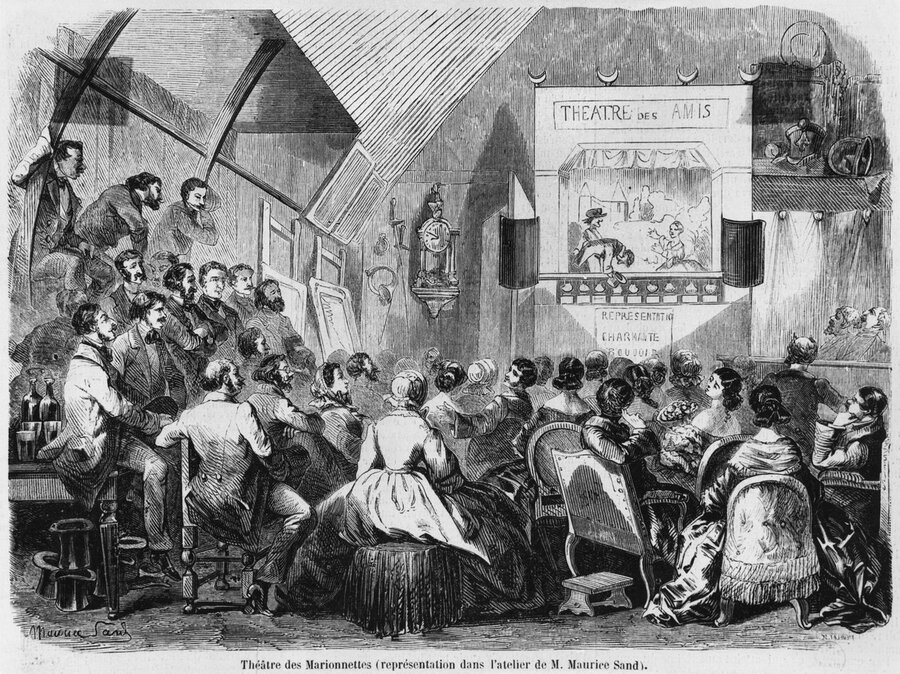
The principles of puppetry and early puppet animation converge on the idea of animating inanimate figures and constructing a small theatrical world where characters interact with each other and with surrounding objects, all while the puppeteer remains unseen. To examine this connection, I selected the work of two iconic figures in early puppet animation: Vladislav Stárevich and Arthur Melbourne-Cooper. My aim is not to prove that theatrical art was the direct source of inspiration for these specific artists. Rather, I am more interested in comparing the characteristics of traditional puppet theater with their animated works to uncover shared artistic principles and visual techniques, and to trace the lineage between staged performance and early puppet animation.
Vladislav Starevitch
«The beetles in his film, 'The Beautiful Lucanidium, or The War of Horned and Antlered, ' looked so much like real ones that most viewers were convinced living beetles were featured in the movie.» [1] Anatoly Karanovich
Vladislav Starevich (1882–1965)
Vladislav Starevich, The Cameraman’s Revenge (1912)
Vladislav Starevich, The Insects' Christmas (1913)
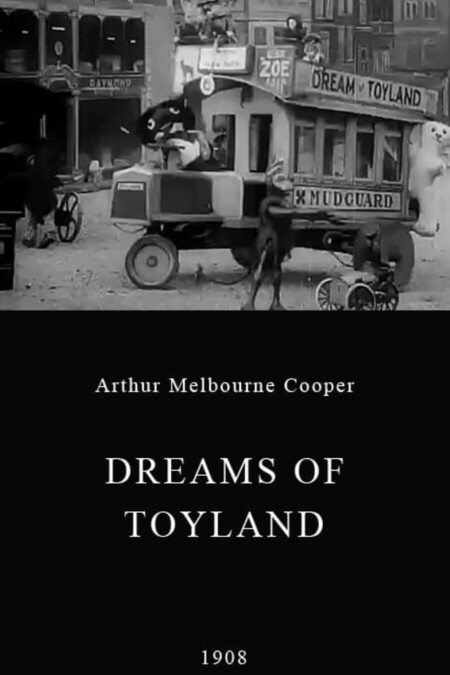
Arthur Melbourne-Cooper, Dreams of Toyland (1908)
here is the text
V. Stage Space
In early animation, space was structured much like a stage production: the viewer sat in the hall and watched a box stage where characters entered from the side, stood on an imaginary floor line, and performed in front of a painted backdrop.
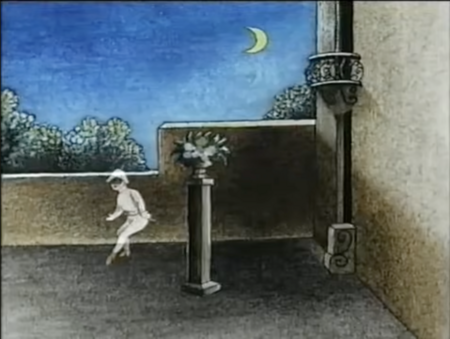
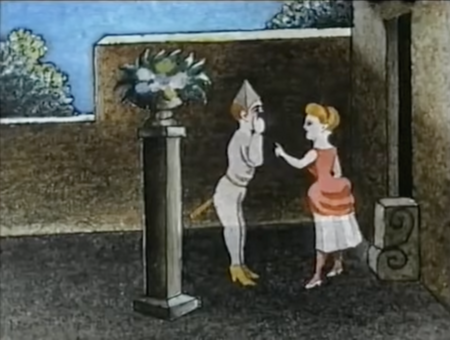
Émile Reinaux: «Pauvre Pierrot» (1892)
In «Pauvre Pierrot,» Reino presented illustrated pantomime as a screen performance, Rivière arranged silhouettes in a frame at various distances from the screen, adding theatrical depth, and Melier utilized hatches and painted backdrops. In this section, I want to examine how early 20th-century animators used stage space and how it gradually transformed into frame space.
Praxinoscope mechanism (Emile Reynaud’s patent)
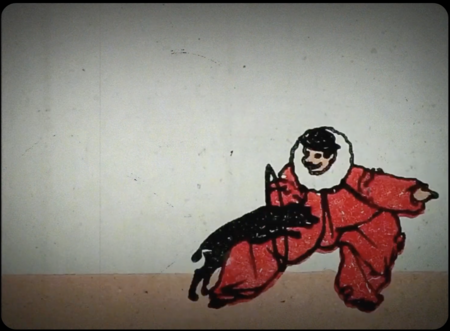
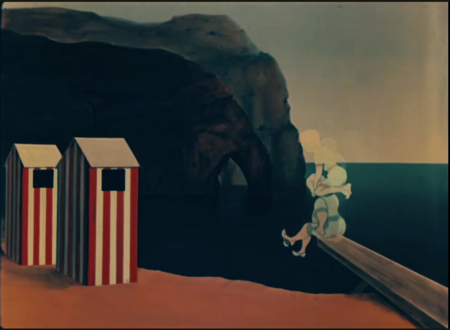
Emile Renoir: «Clown and His Dogs» (1892); «Around a Cabin» (1894)