Concept. Hiroshi Hamaya and his vision of Japan
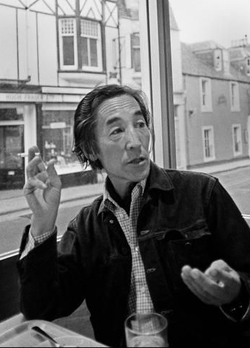
Hiroshi Hamaya (1915–1999) — a Japanese documentary photographer whose work holds an important place in the history of 20th-century Japanese photography. Hamaya is best known for his images of traditional life in Japanese villages, natural landscapes, and social events in post-war Japan.Hiroshi Hamaya was born in Tokyo. He developed an interest in photography during his teenage years, taught himself the techniques, and later worked as a professional photographer. During his career, he studied under Yoshio Watanabe (1907–2000), who was one of Japan’s most respected photographers. Initially, he was drawn to the urban environment, but over time, his interest shifted toward rural Japan, particularly the northern regions of the country.
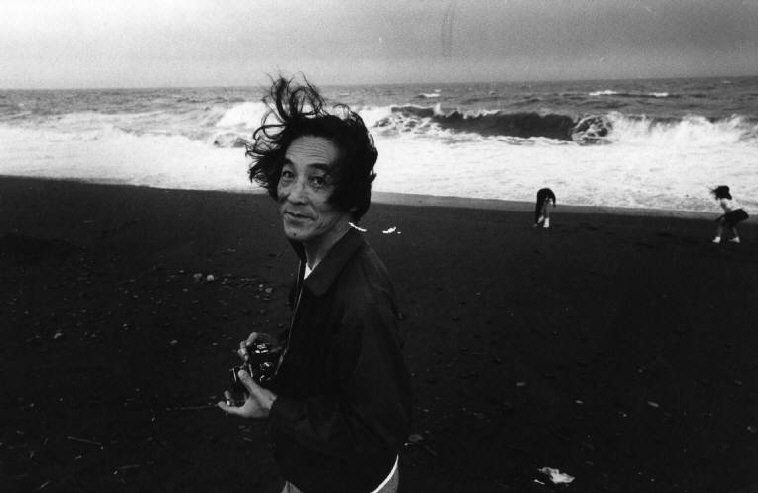
Hiroshi Hamaya
The photographic legacy of Hamay is shaped around several major themes: urban photography dedicated to the daily life of Tokyo; ethnographic photography documenting the traditions and rituals of rural settlements; capturing the natural landscapes of Japan; documenting agricultural labor and the lives of regional communities; and social and political photography focused on the post-war era.
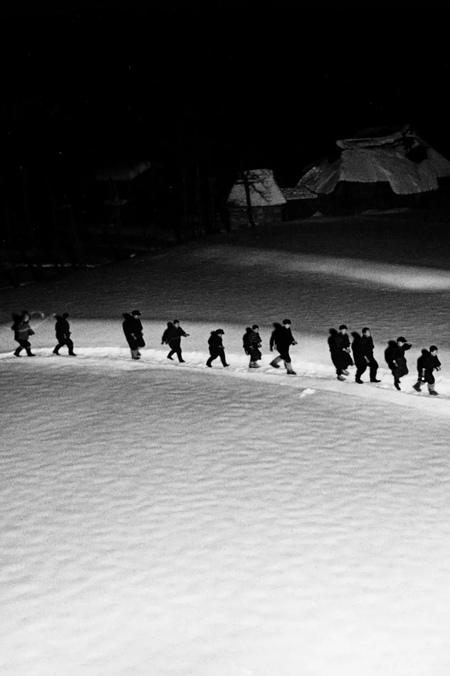
A special place in his work is occupied by the series «Snow Land (Yukiguni), ” on which the photographer has been working since 1940. It is dedicated to the life of small settlements in Niigata Prefecture, where prolonged snowfalls for several months altered the customary way of life.
What especially interested me was the fact that the series can be viewed simultaneously as a work of art and as an exploration of ethnography and the character of the people. It includes photographs with interesting composition and carefully arranged frames, yet the series itself documents the life of a small village in Niigata Prefecture.
Some view Hamaya primarily as a nature photographer, while others see him as a documentarian and ethnographer. In my view, separating these approaches is not entirely accurate. In his work, nature and humanity are constantly interacting, so to view them separately would mean losing a crucial part of the author’s intention.
This is precisely why I set out to analyze Hiroshi Hamaya’s creative trajectory, focusing particularly on the series «Snow Land (Yukiguni)» to identify its characteristics using specific photographs that confirm the connection between documentary practice and art in the photographer’s work.
Chapter 1. The Formation of Hiroshi Hamaya’s Photographic Method
1.1. Early Period: Urban Photography
Early in his career, Hamaya primarily photographed Tokyo. These images offer a glimpse into a Japan undergoing rapid transformation under the influence of modernization. His early works, however, already contained a characteristic that would later appear in his rural series: a tendency toward the romanticization of the depicted reality. Researchers note that the photographs of socially vulnerable Tokyo residents did not always convey the full severity of the conditions in which they lived. This selectivity later manifested in his depictions of rural life as well.
1.2. Transition to Rural Japan
The turning point came when Hamaya met with the Niigata Prefecture in 1939. He initially traveled there to photograph military ski exercises. During his trip, the photographer met ethnographers and grew interested in local customs.Ethnographer Shinji Itikawa and researcher Keizo Shibusawa had a particular influence on him. It was they who helped Hamaya formulate his own perspective on depicting rural settlements—a synthesis of both research and artistic objectives.The photographer began to return regularly to the mountainous regions of Niigata. Hamaya articulated his approach as the necessity of «walking, seeing, and feeling.»
Chapter 2. Snow Land (Yukiguni): The Main Photography Project
2.1. History of Series Creation
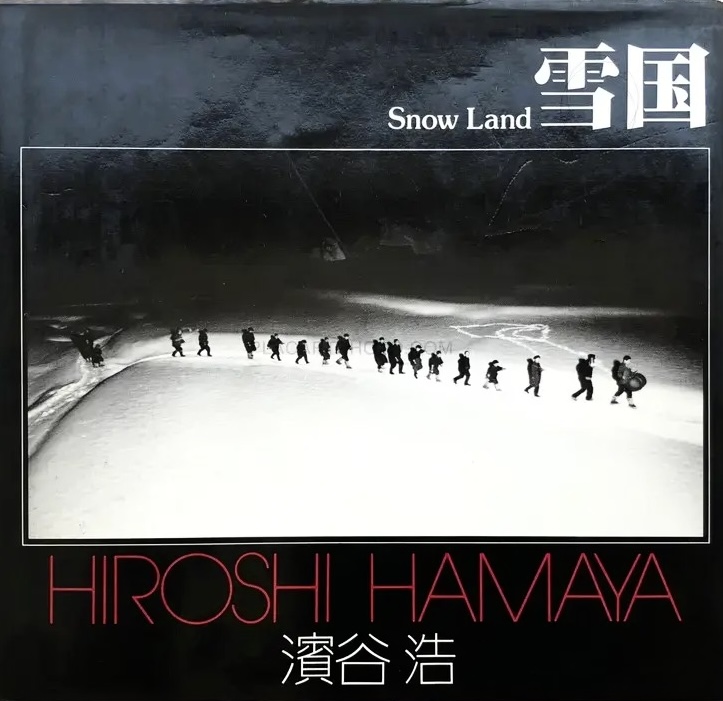
The «Snow Land» series is considered one of Hiroshi Hamada’s most important works. The photographer began it in 1940, and the main period of work on the project lasted about ten years. Subsequently, he returned to the theme of snowy regions and expanded his observations. The book was first published in 1956 and was later reissued.The filming took place in the mountainous regions of Niigata Prefecture along the Sea of Japan coast. This area is known for heavy snowfall and a prolonged winter. In some villages, the snow became so deep that it effectively isolated the residents from the outside world. Such conditions defined almost every aspect of daily life.
It is important to consider the time period when the photographs were taken. A significant portion of the material was shot during the years of World War II and the post-war reconstruction of Japan. However, the series itself contains virtually no direct references to military events, destruction, or the consequences of the war. Ross Tanny notes this characteristic in his study, «Imaging the Rural: Modernity and Agrarianism in Hiroshi Hamaya’s Snow Land Photographs.» In his opinion, Hamaya’s photographs convey a nostalgia for a vanishing way of life while simultaneously presenting an idealized vision of rural Japan.
2.2. Nature as a Defining Element of Life
In this series, snow is present almost everywhere. It is particularly interesting how Hamay handles the relationship between the human figure and natural space. Thanks to the vibrant contrast, the variety of the composition becomes especially noticeable, allowing one to appreciate how the photographer depicted rural life—simultaneously revealing an aesthetic perspective on what surrounded him and making an observation about reality.
Chapter 3. Idealized Rural Japan: Nostalgia and the Problem of Documentation
Chapter 4. Uranihon: Rural Japan Beyond the Snowscape