Concept
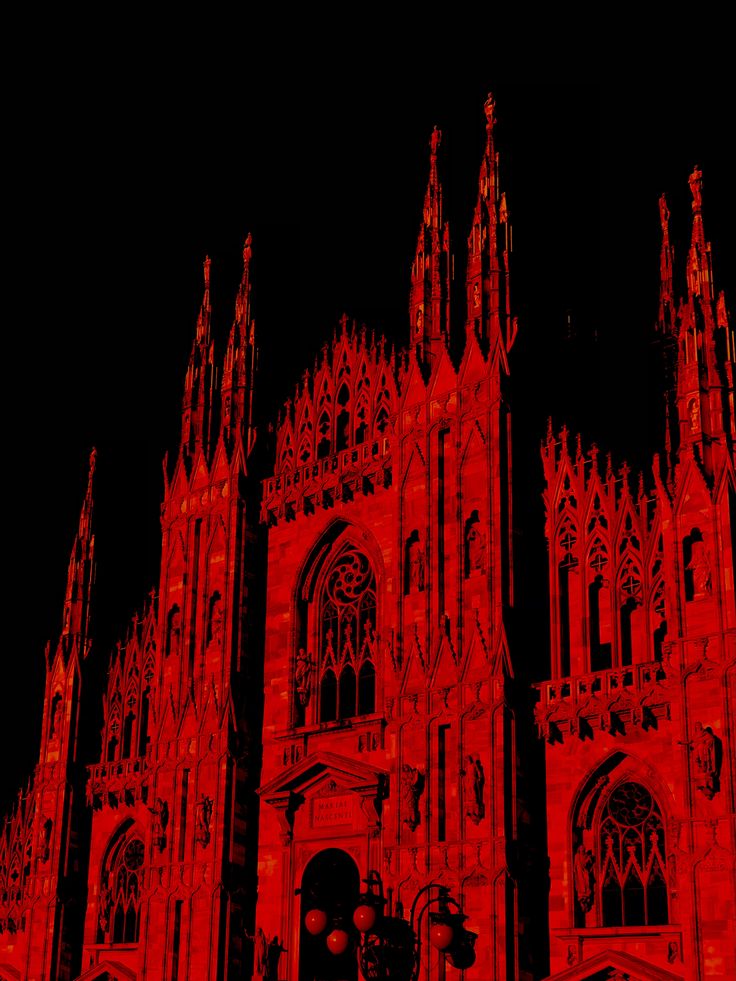
If one compares two images—the bright 12th-century Abbey of Saint-Denis and the gloomy Dracula castle from the 1931 film—it might seem that they have nothing in common. However, the similarity lies in the fact that they are united by one architectural style: Gothic.
I chose this topic because it harbors a cultural paradox. I am struck by how the same architectural system traversed the path from a symbol of «heavenly light» to a universal sign of horror over several centuries. This is not a mere coincidence, but a complex, slow cultural process that can be traced specifically through the analysis of artworks. I am interested in studying this process of «re-coding, ” demonstrating that the meanings of architectural forms are not eternally fixed, but are created and altered by culture.
I will not be selecting every possible work, but rather key pieces that marked turning points in the transformation of Gothic architecture. This approach allows me to maintain analytical depth without getting lost in a flood of information.
The key question of this study is: through which visual means and specific works was Gothic architecture transformed from a symbol of divine order into the primary spatial image of horror narrative?
I propose that Gothic architecture was not inherently «spooky.» Its transformation into a «haunted place» was the result of the deliberate efforts of several generations of artists, writers, and directors who, utilizing the aesthetic categories of Romanticism, progressively reinterpreted its key visual codes—verticalism, lighting systems, and grotesquerie—infusing them with new, unsettling content.
The principle of this research is structured around the logic of three sequential stages that reveal the transformation of perception of Gothic architecture. The study begins with an introduction, where the central cultural paradox is formulated: how architecture, originally created as an embodiment of divine light and faith (Saint-Denis Abbey), transformed into a universal symbol of horror and the supernatural (Dracula’s Castle).
1. The first section analyzes the original «code» of Gothic architecture, where creators used stained glass, verticality, the structural logic of medieval cathedrals, and light to convey closeness to God.
2. The second section traces a key turning point—the romantic recoding of Gothic in the 18th and 19th centuries, wherein the aesthetics of Burke’s Sublime and an analysis of works by Friedrich and engravings by Hugo reveal the transformation of Gothic into an image of melancholy, mystery, and sublime terror.
3. The third block examines the final canonization of the image in 20th-century cinema through an analysis of visual techniques in Murnau’s Nosferatu and Browning’s Dracula, where Gothicism is definitively established as a ready-made décor for narratives of horror through the use of chiaroscuro, distorted angles, and grotesque elements.
The Idea of Gothic Cathedrals
Saint-Denis Basilica, built in the mid-12th century in the suburbs of Paris, France.
Gothic architecture emerged in France at the beginning of the 12th century as an extension of the Romanesque style. Initially, Gothic was considered a barbaric, «strange» style that differed from the classical art of ancient Rome and Greece.
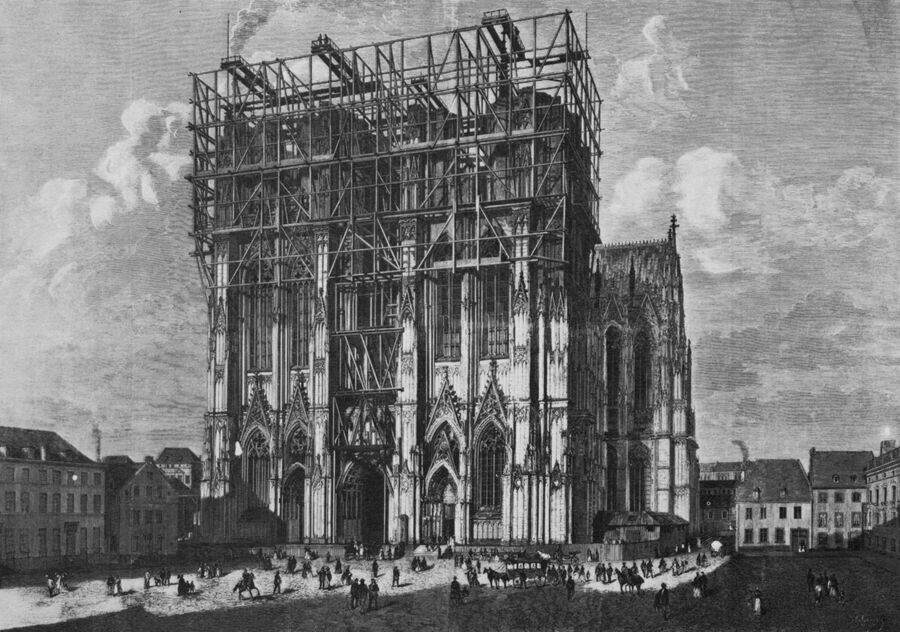
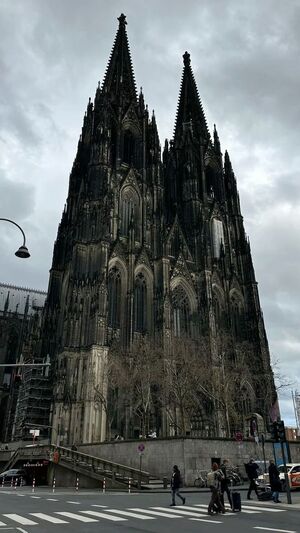
Cologne Cathedral, construction was completed in the 19th century in Germany
The core principle driving the development of the Gothic style was the technical innovation of the time: the skeletal system, the system of exterior supports, and the enlargement of window openings.
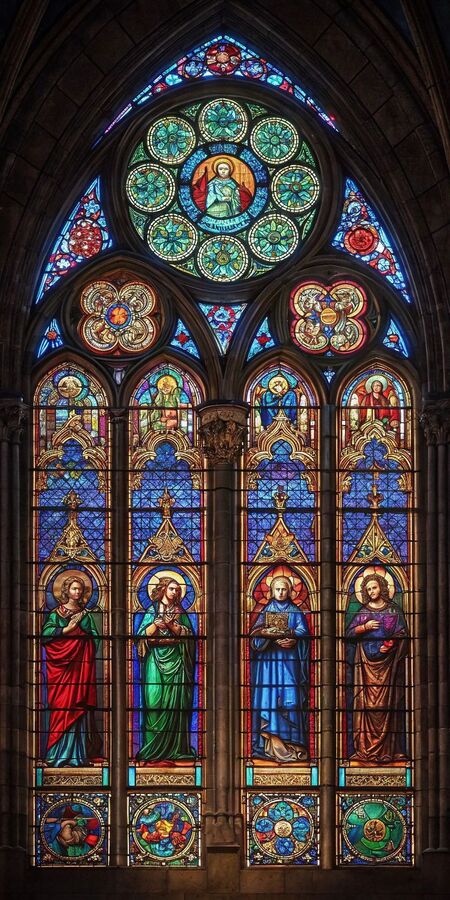
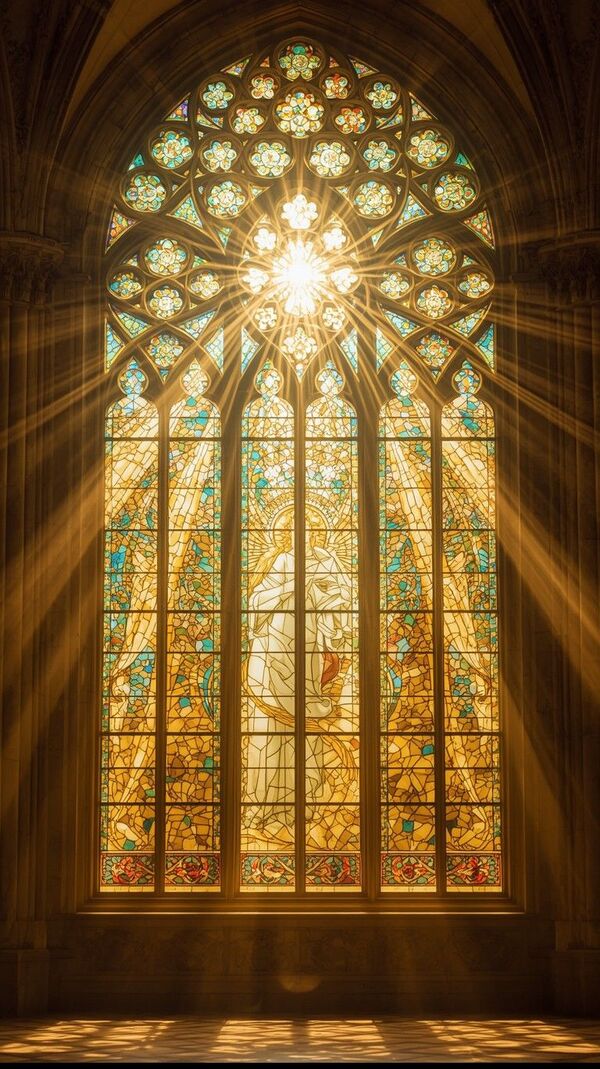
Notre Dame Cathedral in Paris was completed in the 14th century in France / St. Stephen’s Cathedral was built in the 16th century in Austria
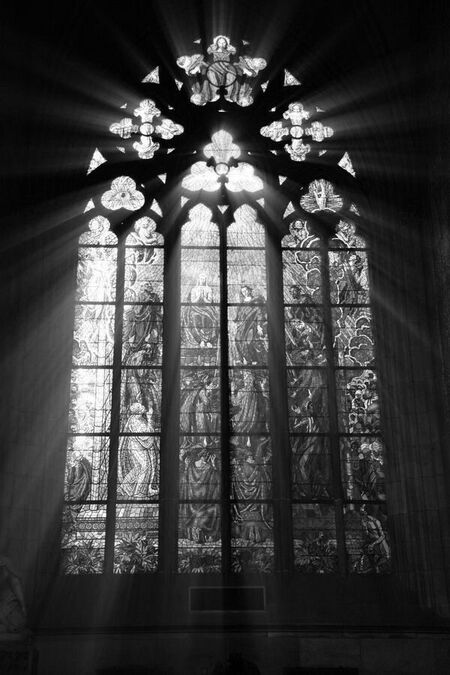
A crucial component of Gothic architecture is stained glass, which reached its peak of development precisely during the Middle Ages. Practically every decorative element in the Gothic style held deep religious significance. Monks devoted their efforts to interpreting the symbolism within the details of the cathedrals, drawing parallels with sacred scripture. For this reason, stained glass served not only an aesthetic function but also acted as a means of spiritual enlightenment.
«Abbot Suger—the author of the first significant church (Saint-Denis Basilica in Paris) built in the Gothic style—wrote that luminous windows were necessary to illuminate the human mind so that people might travel while understanding the light of the Lord.» [1]
Stained glass windows were believed to possess the power to illuminate the human soul and guard it against evil. Upon entering the cathedral, the believer was meant to experience a sacred ambiance.
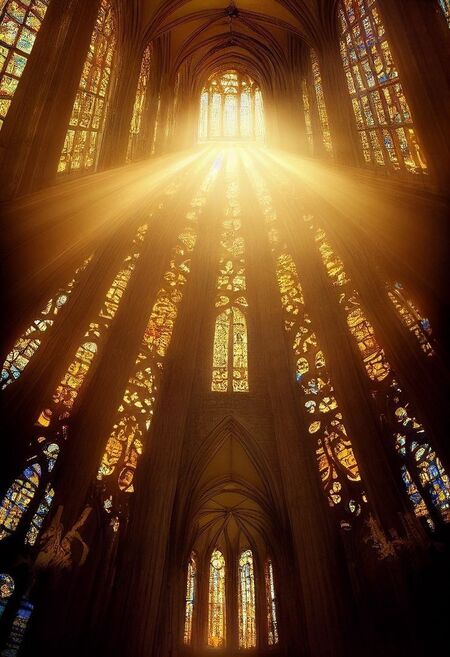
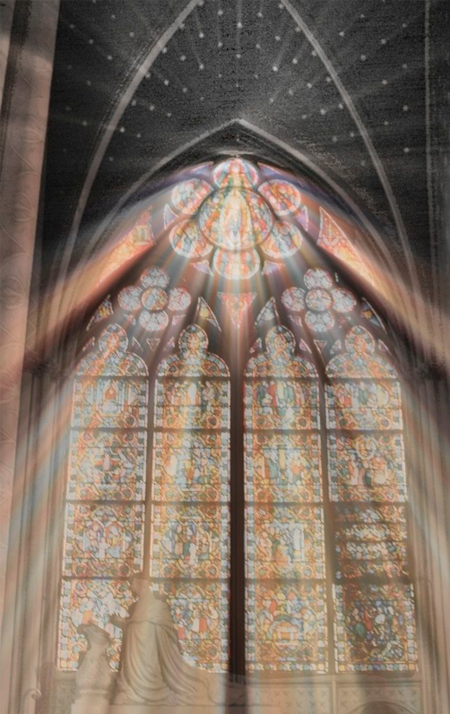
Saint-Chapelle was built in the 13th century in France / Notre-Dame de Paris was completed in the 14th century in France
«The Tabor Light—according to the texts of the New Testament, this is the mysterious Divine light present at the Transfiguration of Jesus Christ. The Tabor Light is described in all the Synoptic Gospels: 'and he was transfigured before them: and his face shone like the sun, and his clothes became white as light.'» [1]
The Romantic Transformation of Gothic
The Church of Notre-Dame-de-Laeken was built in Brussels in the late 19th century.
1. Philosophical foundation — Edmund Burke’s aesthetics of the Sublime.
Ruins, as a collection of visual cues (shadow, scale, emptiness) systematized by Burke and deliberately utilized by artists and writers to evoke a precisely calibrated emotion in the viewer—sublime terror.
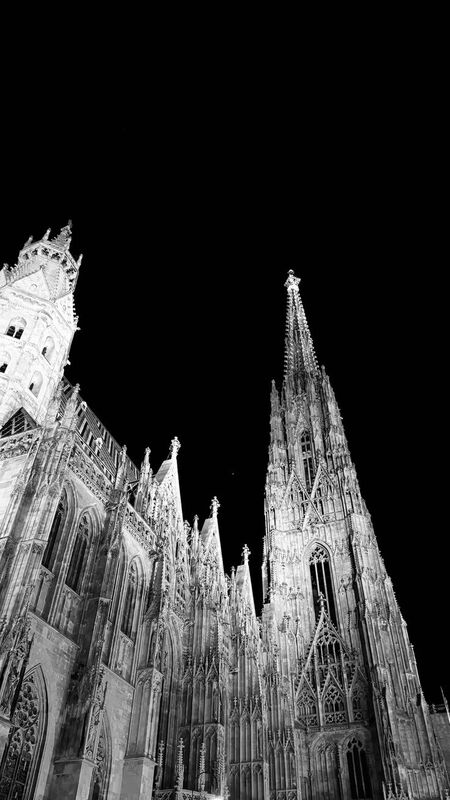
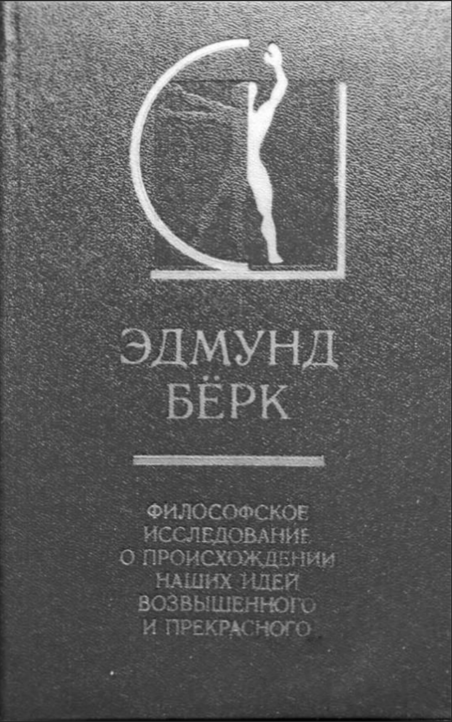
Cologne Cathedral, construction finished in the 19th century in Germany / Edmund Burke’s treatise «A Philosophical Enquiry into the Origin of Our Ideas of the Sublime and Beautiful, ” written in the 18th century
Burke provided a theoretical mechanism for «re-coding.» In his research, he wrote that the sublime is anything capable of evoking the idea of suffering and danger without posing a real threat. At the core of it lies terror—the most intense of all emotions.
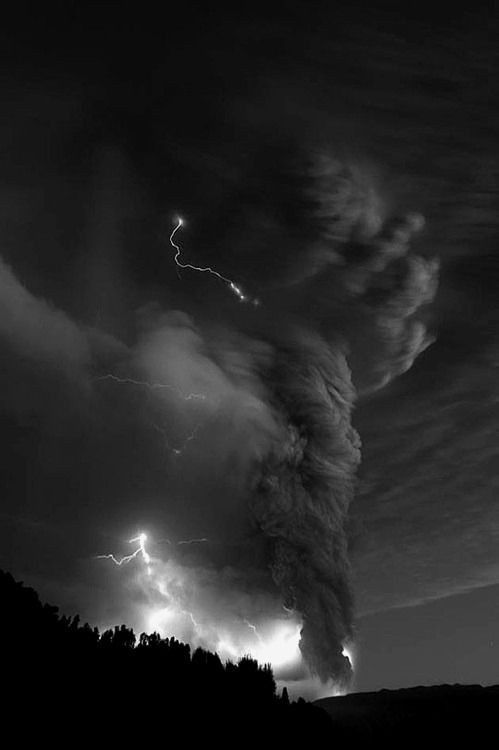
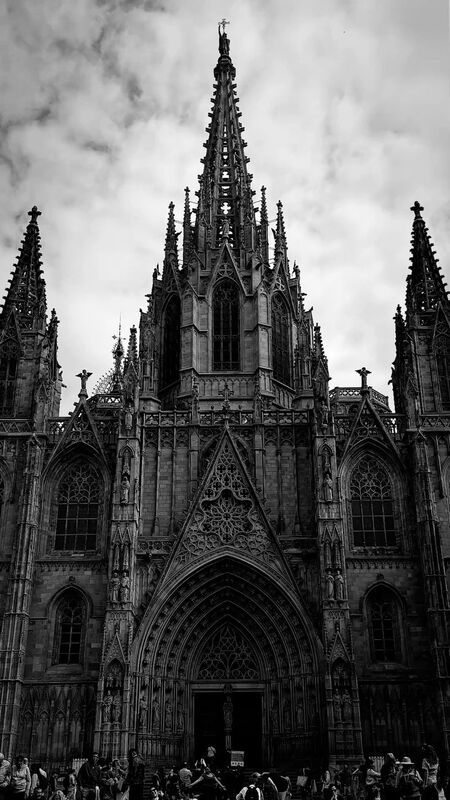
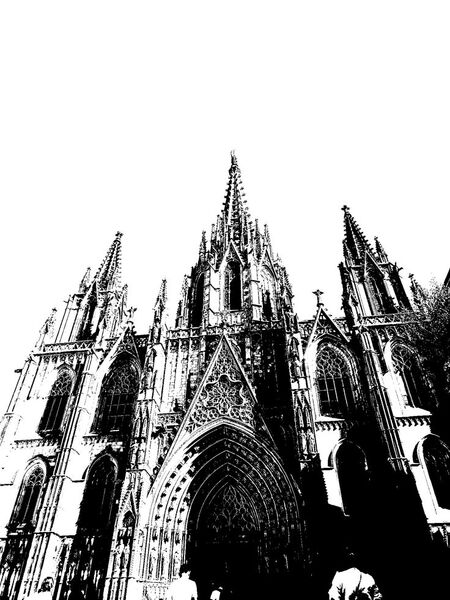
Burya as a sign of the terrible and sublime / The Cathedral of St. Cross and St. Eulalia was built in the 15th century in Barcelona
Key Principles of Philosophical Inquiry:
1. Source — Pain and Danger: The Sublime is born from anything in reality that can cause pain or destruction (the abyss, the storm, overwhelming force). 2. Mediation: For terror to transform into pleasure, we must observe it from a safe distance. We admire a storm by watching it from the shore.
The sublime evokes a mixture of awe and terror. It is rough, dark, massive, and rooted in the instinct for self-preservation.
The beautiful evokes pure love and affection. It is small, smooth, light, graceful, and rooted in the social instinct (procreation).