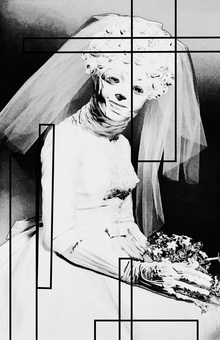
Concept
The beginning of the 21st century marked a period of significant cultural and visual transformation in Russia. The growth of the advertising industry, music television, glossy magazines, digital technologies, and mass culture led to the formation of a new visual language that was particularly reflected in cinema. During this period, film increasingly adopted principles of pop aesthetics: a vibrant color palette, spectacular visual impact, a music video rhythm to the narrative, conspicuous stylistic presentation of imagery, and visual excess.
The image ceases to be merely a tool for storytelling and acquires an independent value, becoming an object of the viewer’s attention.
Pop aesthetics in Russian cinema of the 2000s are primarily interesting as a reflection of the societal processes of that era. The films express ideas about a new way of life, consumer culture, success, the urban environment, and the role of media in daily life through their visual solutions. The study aims to identify the characteristic features of pop aesthetics and analyze how these features shape the visual image of the noughties. Particular attention will be paid to the interaction between cinema and the aesthetics of advertising, television, music videos, and other forms of mass culture that influenced how screen imagery was created and perceived.
Hypothesis
Pop aesthetics in 2000s Russian cinema serve as a mode of representing a new cultural reality. Influenced by advertising, television, and the evolving digital environment, cinema adopts their visual strategies; consequently, spectacle, stylization, and emotional expressiveness become more significant than the pursuit of realistic depiction. Thus, pop aesthetics functions as one of the key tools for shaping the visual image of the era.
Methodology
The research is based on methods of visual and comparative analysis. In the first stage, a corpus of film materials pertaining to Russian cinema of the 2000s will be compiled. Next, the study aims to identify and systematize characteristic elements of pop aesthetics: color schemes, lighting specifics, frame composition, editing rhythm, principles of spatial arrangement on screen, costume design, urban environment, and digital effects. The resulting materials will be compared to reveal recurring visual patterns and stable aesthetic principles. Furthermore, there are plans to examine the relationship between cinematic imagery and the visual culture of the era—advertising, music videos, television, and glossy media. This approach will allow for the exploration of pop aesthetics as a complex cultural phenomenon and help define its role in the development of early 21st-century Russian cinema.
Contents
- Concept
- The City as Attraction
- Gloss and Consumer Culture
- Cinema as Music Video
- Digital Aesthetics and Media Overload
- Conclusion
The City as an Attraction
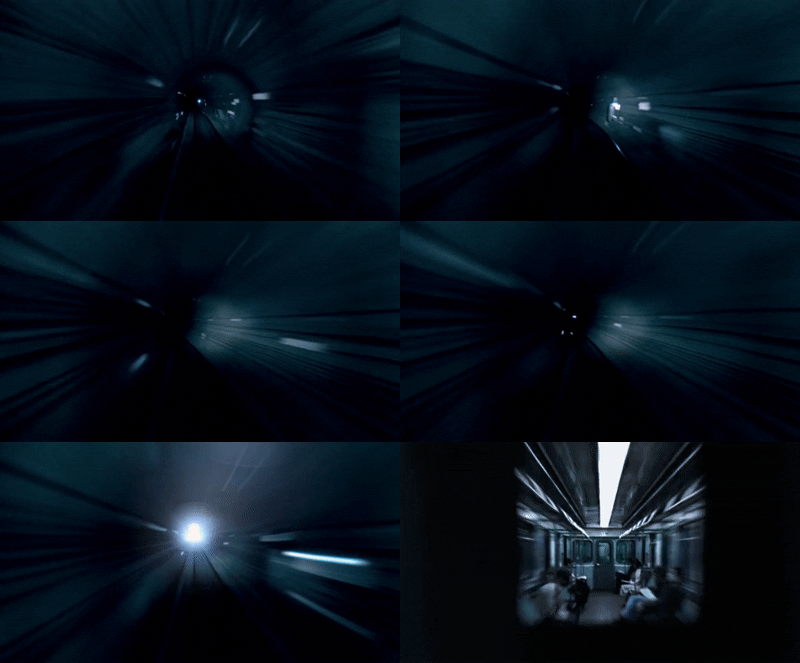
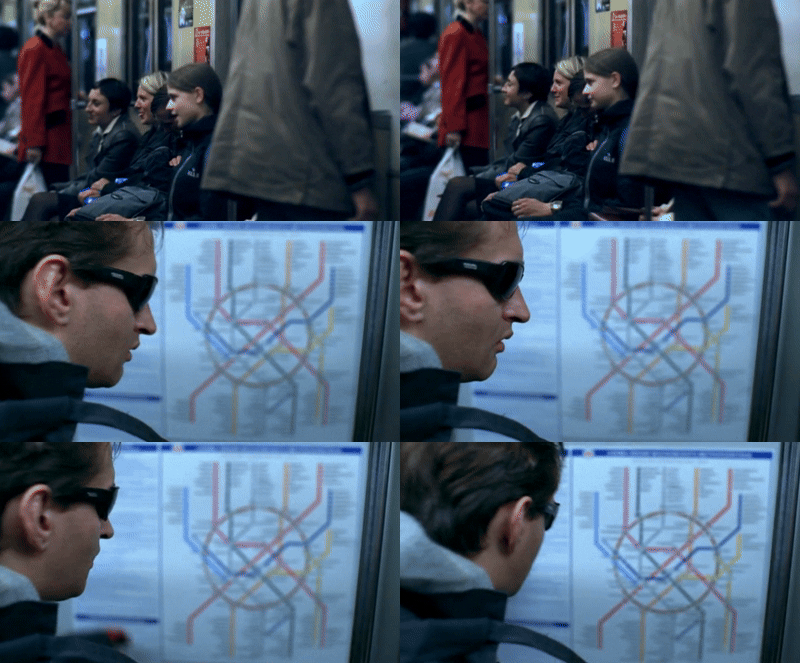
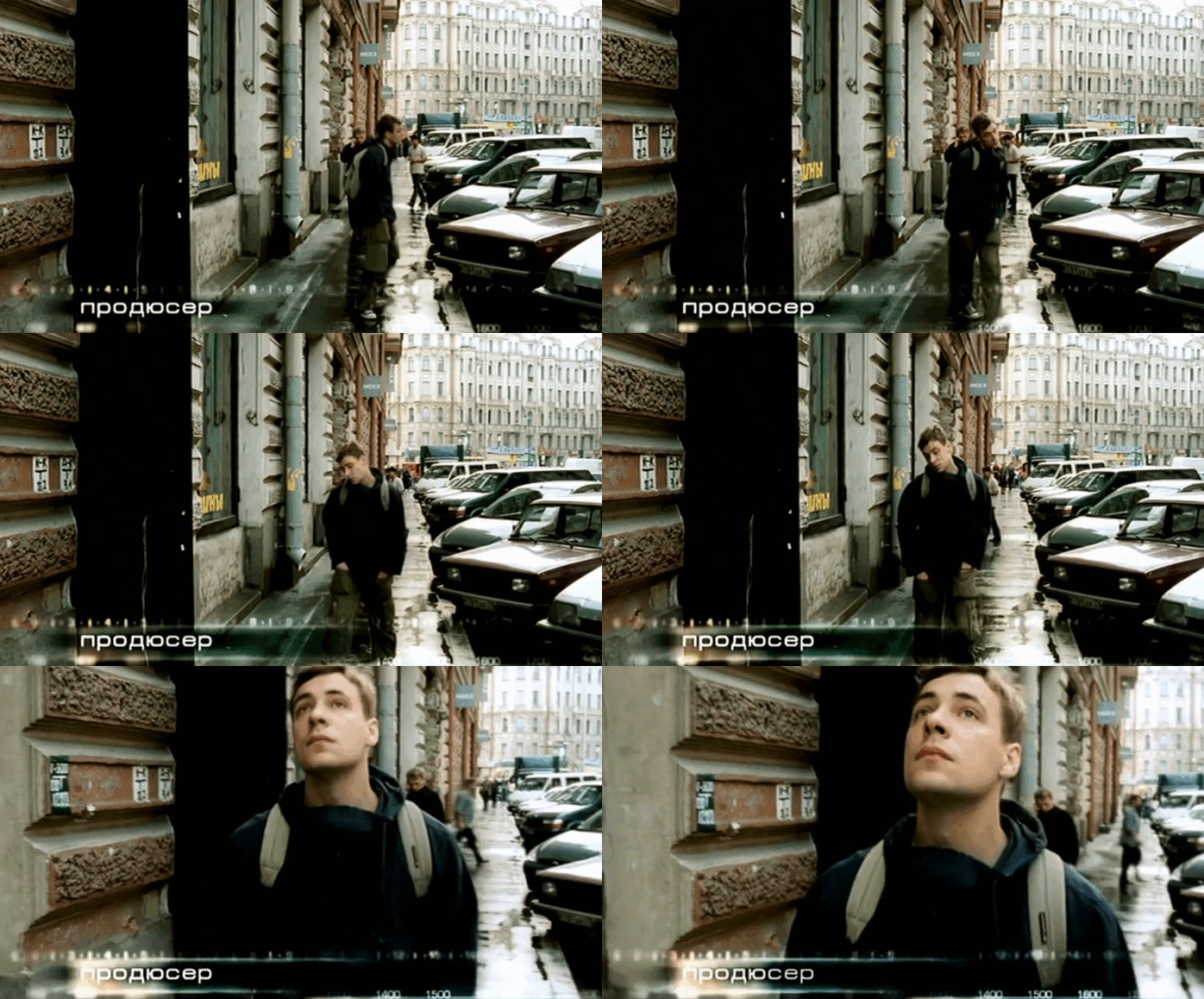
In Russian cinema of the 2000s, the city ceases to be merely a backdrop for action and transforms into a distinct visual spectacle. In «Night Watch,» Moscow is portrayed as an overloaded media environment, constructed from neon, motion, advertising, light, and digital noise. The metro, roads, tunnels, and night streets are depicted through motion blur, sharp camera movements, and saturated color grading, causing the city to resemble a continuous flow of information. In contrast, in «Peter FM,» Saint Petersburg becomes a romanticized space of everyday life: the city is filled with soft light and a more tranquil street rhythm. Despite these divergent visual approaches, in both films, the city transcends the role of a simple setting and becomes an essential component of the viewer’s emotional and visual experience.

«Night Watch, ” 2004, directed by Timur Bekmambetov

«Night Watch, ” 2004, directed by Timur Bekmambetov
«Night Watch, ” 2004, directed by Timur Bekmambetov
The subway in the film is depicted as a fluid space, devoid of stability or tranquility. Techniques employed include blurs, abrupt passes, motion blur, acceleration, and distorted perspective. The train begins to resemble a digital tunnel or interface. This imagery creates a sense of hyperreality characteristic of 2000s pop aesthetics.
Visually, the transport scenes are built upon a cool color palette, lens flares, reflections, and artificial lighting. The metallic surfaces of the carriages, windows, and glass amplify the technological nature of the space. Combined with rapid editing, the transport becomes an integral part of the film’s overall clip-like dynamism. The space constantly slips away from the viewer, transforming into a stream of light, noise, and motion.


«Night Watch, ” 2004, dir. Timur Bekmambetov


«Night Watch, ” 2004, directed by Timur Bekmambetov


«Night Watch,» 2004, directed by Timur Bekmambetov
In «Night Watch,» the space is constructed upon the principle of visual overload. Transportation, neon light, advertisements, and the movement of trains and cars create a continuous flow of imagery within which the viewer almost loses the sense of a stable space. The streets are depicted through blurs, sharp camera passes, flashes of light, and rich color grading, causing the city to resemble a digital interface or a music video more than a realistic environment. The image constantly strives to capture the viewer’s attention, creating a feeling of informational saturation.
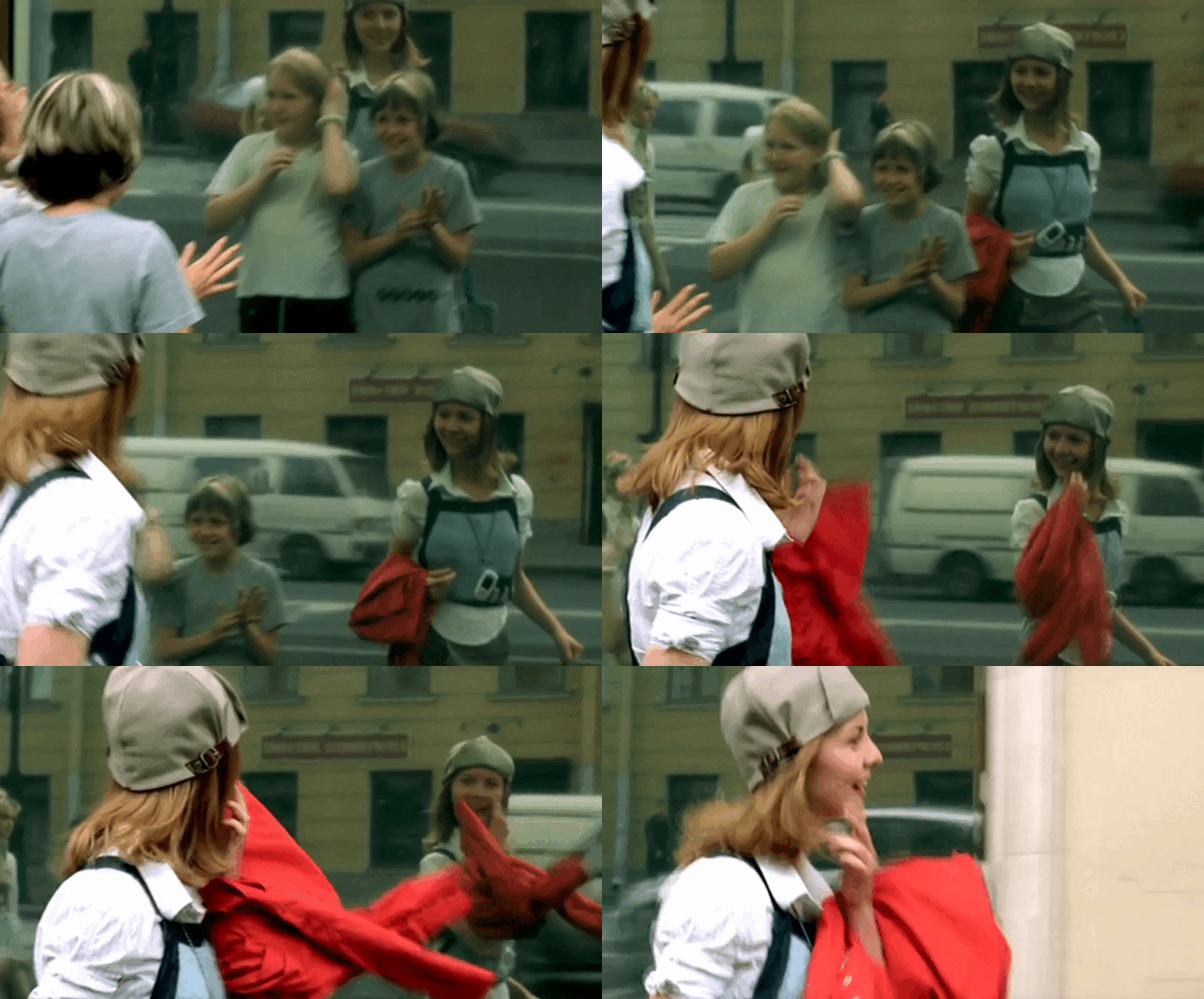
In contrast, «Piter FM» portrays the city as a romanticized, everyday setting. St. Petersburg in the film is filled with soft light, empty streets, bridges, courtyards, and long walks. The camera frequently captures the atmosphere itself—reflections, trams, random pedestrians, and architectural details. Unlike the aggressive visual style of many 2000s films, here the city exists as a tranquil space, and the feeling of a slow life rhythm plays a crucial role.

«Piter FM,» 2006, directed by Oksana Bychkova


«Piter FM,» 2006, directed by Oksana Bychkova
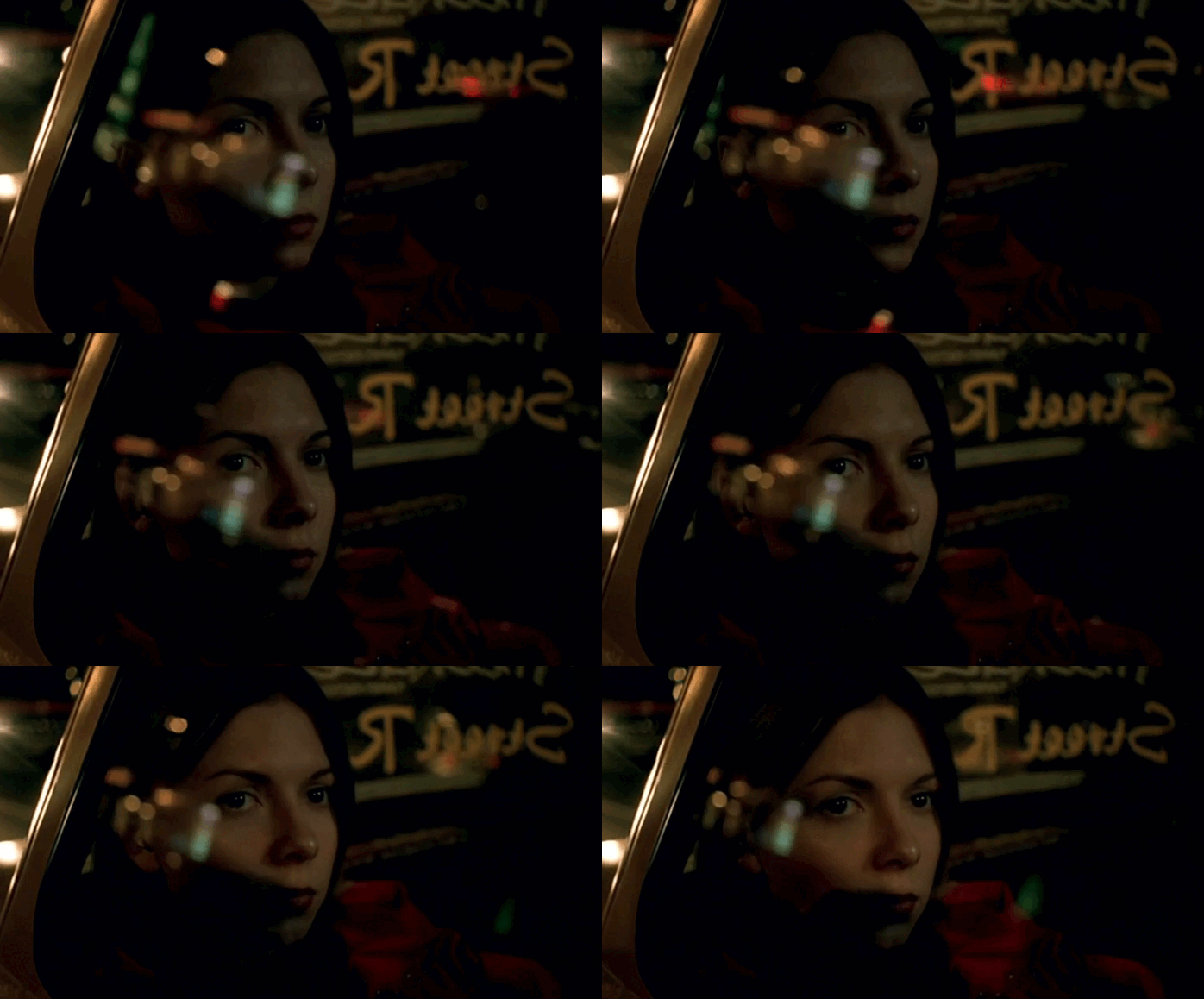
«Piter FM, ” 2006, directed by Oksana Bychkova
In «Piter FM,» musicality becomes one of the core elements structuring the entire atmosphere. The rhythm of the editing, the movement of the characters, and the very structure of the film are closely tied to the music and the radio broadcast. The city seems to exist within a continuous soundtrack. Because of this, everyday scenes acquire a kind of music video lightness and emotionality. The music in the film shapes how the city is perceived, transforming ordinary urban life into an aestheticized and romanticized space.
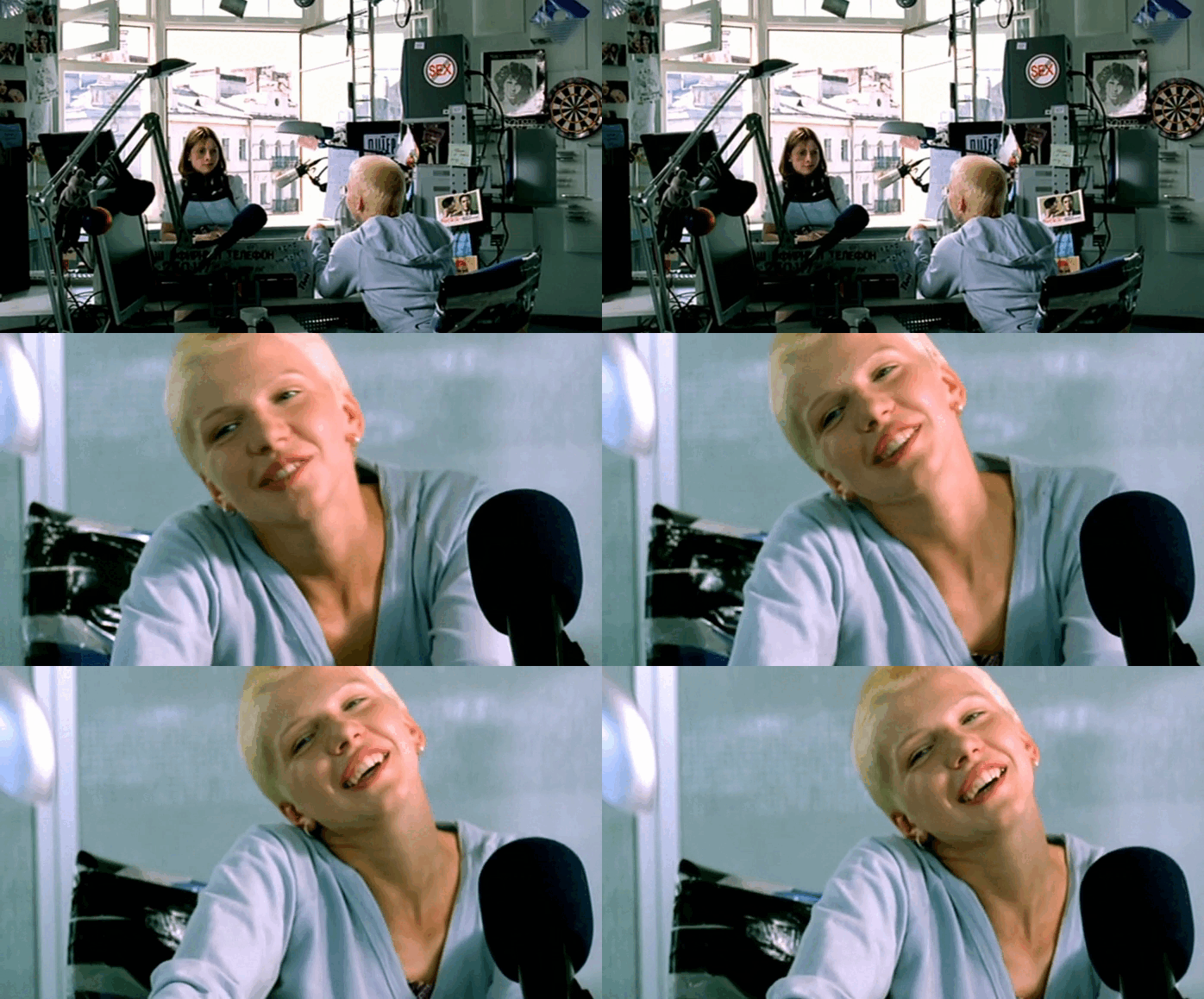

«Piter FM,» 2006, directed by Oksana Bychkova


«Peter FM,» 2006, directed by Oksana Bychkova
Gloss and Consumer Culture
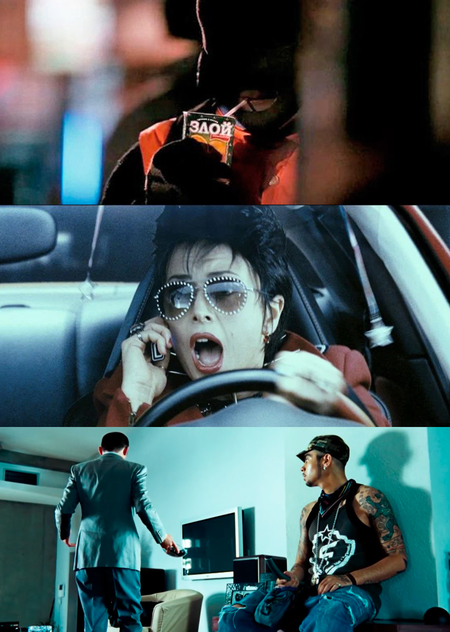
In Russian cinema of the 2000s, gloss becomes a means of representing a new consumer culture. The frame’s space begins to be built around an aesthetic of luxury. Imagery increasingly functions according to the rules of fashion photography or advertising, where spectacle takes precedence over realism. This aesthetic reflects the shifts within Russian society at the beginning of the 21st century, when consumption, media, and status display become an important part of the culture.
This is particularly noticeable in films associated with the image of a glamorous urban environment. The camera focuses on details of clothing, makeup, accessories, and the sheen of glass and metal, creating a sense of an artificial space. At the same time, the gloss in 2000s cinema is often dualistic: on one hand, it showcases the appeal of a new culture of success, but on the other, it emphasizes its superficiality.

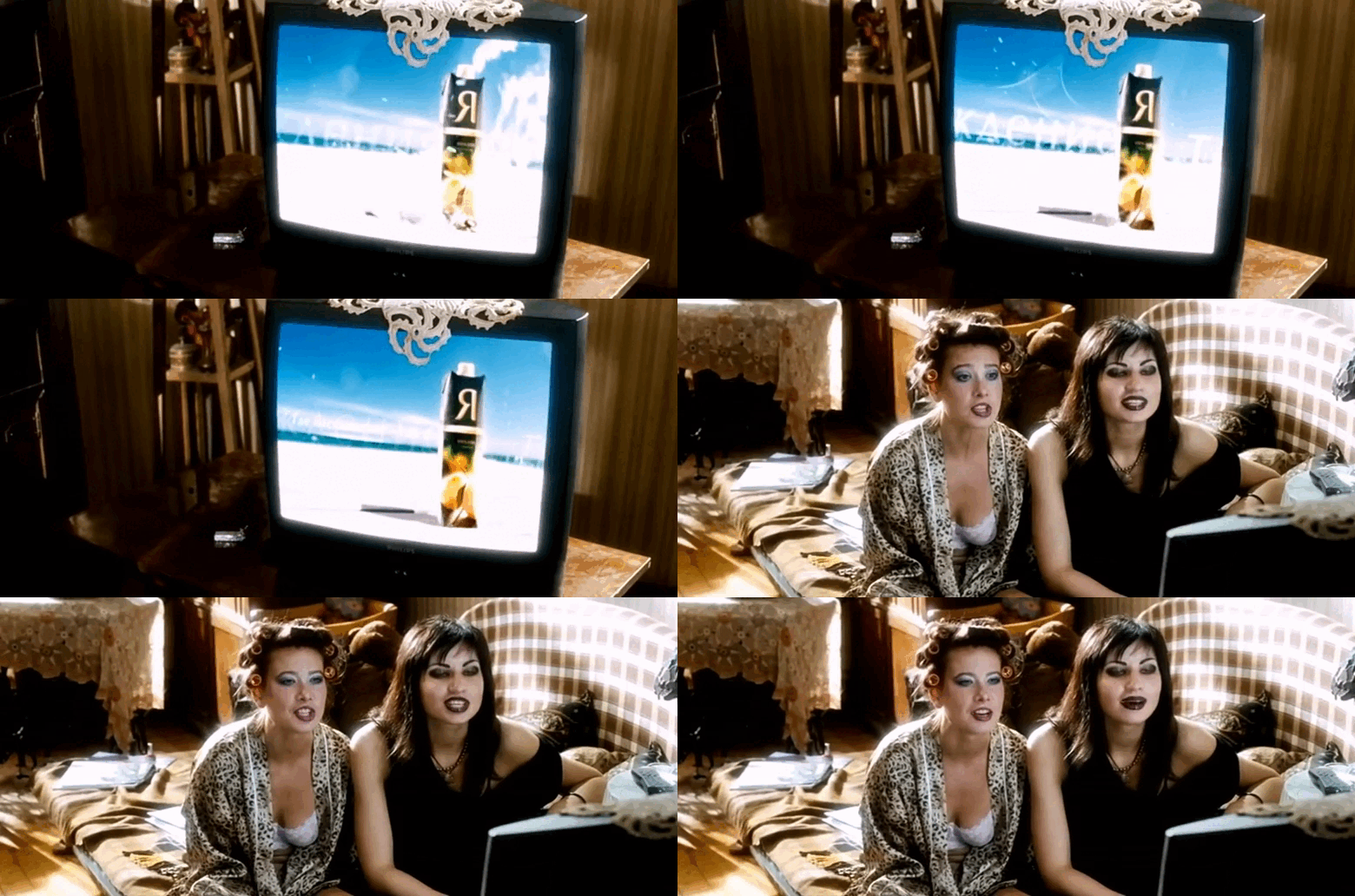
«Gloss,» 2007, directed by Andrei Konchalovsky


«Glossy,» 2007, directed by Andrei Konchalovsky