Who I Am
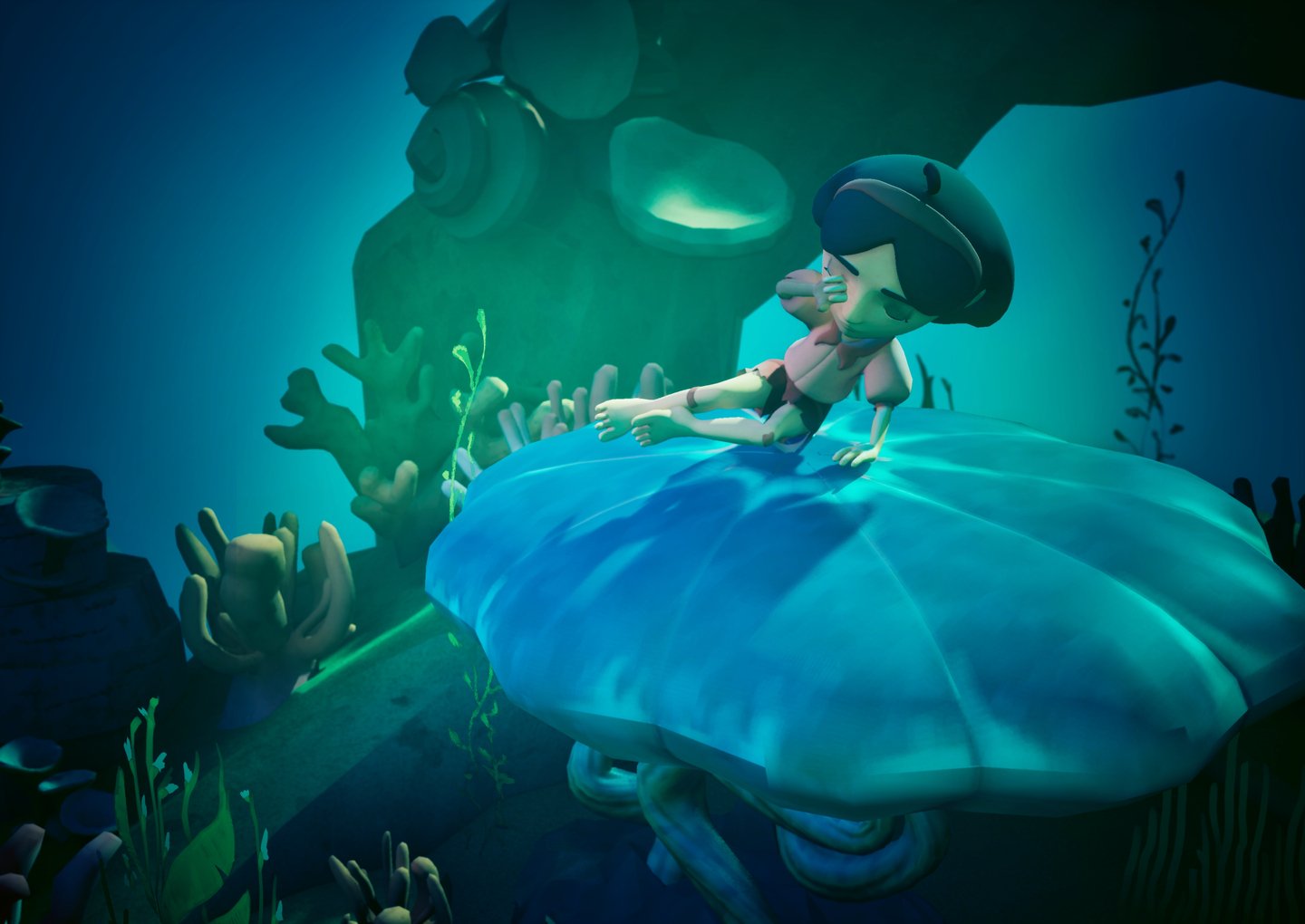
My name is Mark. I’m a 3D character modeler, 3D rigger, and animator for the underwater adventure game «Oraya.» I’ve been working on this game for a year now.
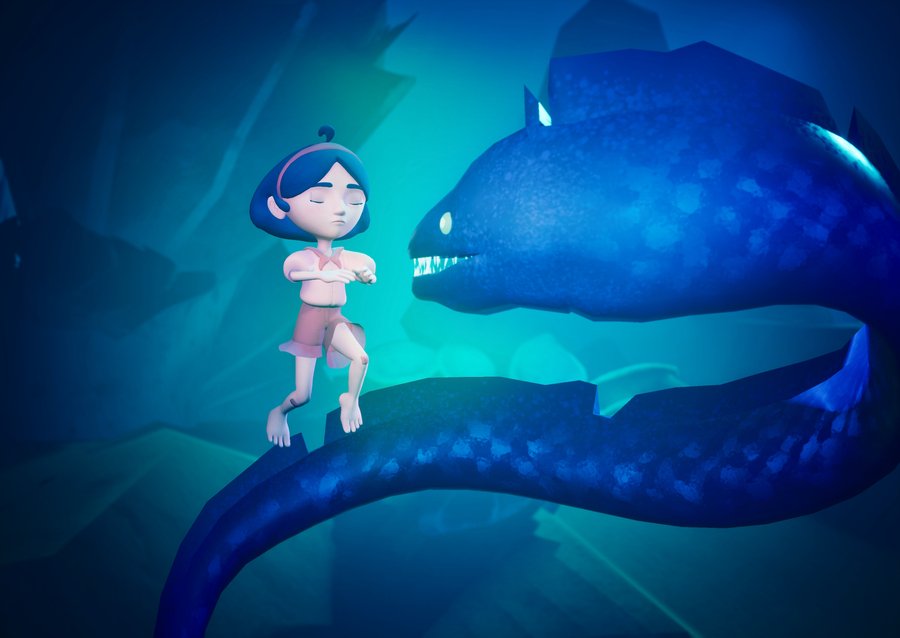
I put a lot of attention into building rigs, and I’d like to share my experience as a rigger and animator in Orya.
How do I know what movements a character will require?
If I already have concept art or a 3D character model, as a rigger and animator, I can predict how the character will move and where it needs to bend. To make it even clearer, I also consult my lead and art lead regarding their plans for the character. This gives me additional information to plan the rig with.
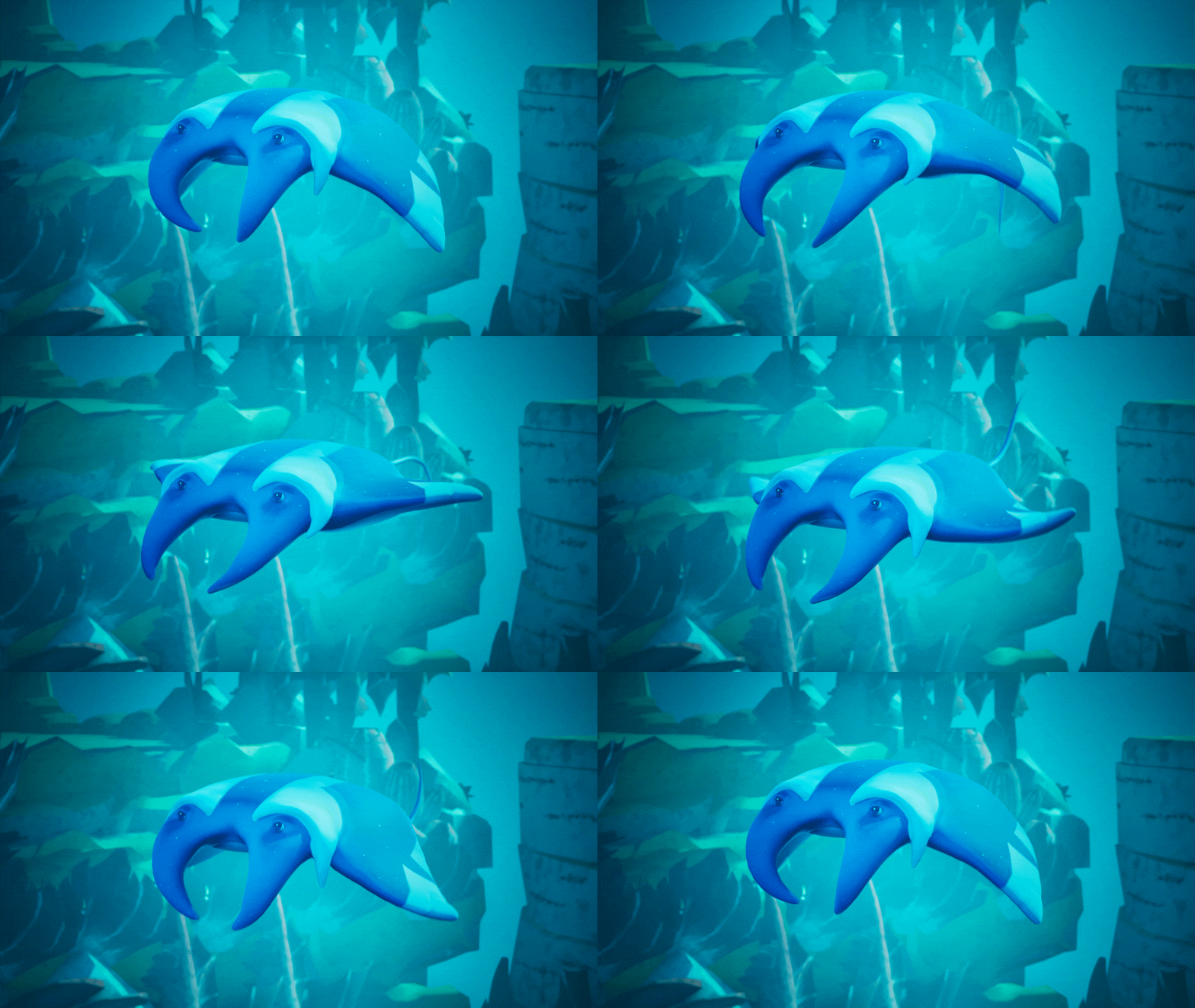
Bringing a character to life starts with placing the primary bones. When doing this, I always pay close attention to the character’s anatomical joints. If the mesh lacks anatomical joints, or if their location is unclear or unimportant, I predict the best possible bending pivot and position the bones accordingly.
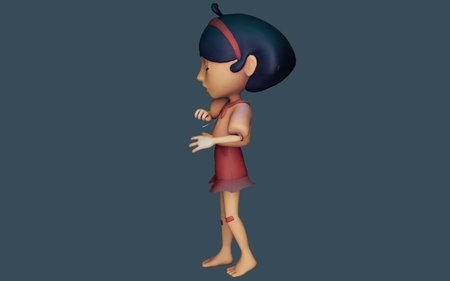
Many characters have hair and clothing. Most of the game skeletons do not have separate bones for these elements, but if they do, that usually makes the animations look much more alive.
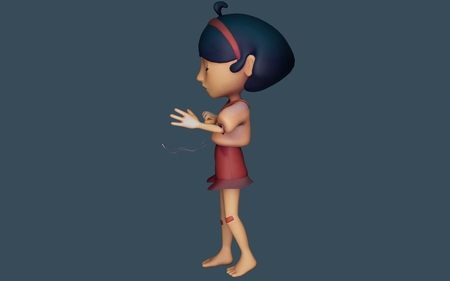
Characters often also have to hold items in their hands, and these items sometimes need to move either with the hand or independently of it. This is also an important consideration for me as a rigger when creating rigs.
So, a character’s shape and additional elements can tell me a lot about the character’s movements—what parts can move and how they should move.
Why is having a high-quality rig important?
The quality of a rig defines an animator’s quality of life during the working process. Animating the primary bones is mostly inconvenient; they are not flexible enough to allow an animator to work comfortably.
Creating a skeleton alone isn’t enough if I want a character to have high-quality animations. A rig has to have controls for all bones, and the basic ones are forward kinematic controls, or FK for short.
Most characters, especially humanoid figures, require their rigs to have both forward kinematic (FK) and inverse kinematic (IK) controls for arms, legs, and spine, along with the ability to switch between and match them. This significantly simplifies animating actions like walking, holding, and touching.
Bone chains for hair and clothing, or for long characters such as snakes and eels, additionally need to have spline IK controls that can move the middle parts of the bone chains without affecting the start and end bones of these chains.
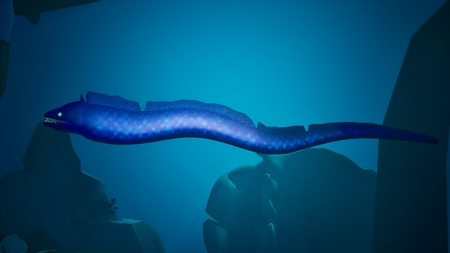
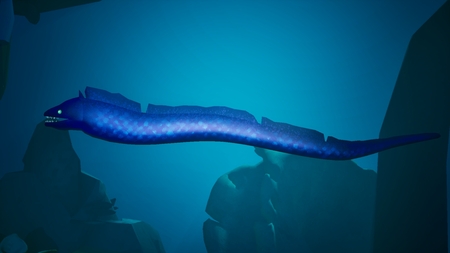
Examples of O’raya’s character rigs and animations
Let’s start with the main character—a girl named Agidelle.
Not only does she have all the necessary controls for a humanoid, including facial controls, but I also added extra bones and controls for hair and clothing.
That allowed me to animate her hair and clothing movements. While these movements might not be as prominent as the main body motions, they add a layer of life and interest to the overall appearance.
The next peculiar example is the octopus. Animating tentacles is not the simplest task, so I implemented FK controls and spline IK controls to allow for the maximum flexibility to move several points of each tentacle individually.
He also has a hat, a scarf, and three puppets that he can attach to his tentacles. All of these items must have the possibility of being animated individually, so I added that feature.
I also added bones for the puppets' eyes so they can be animated.