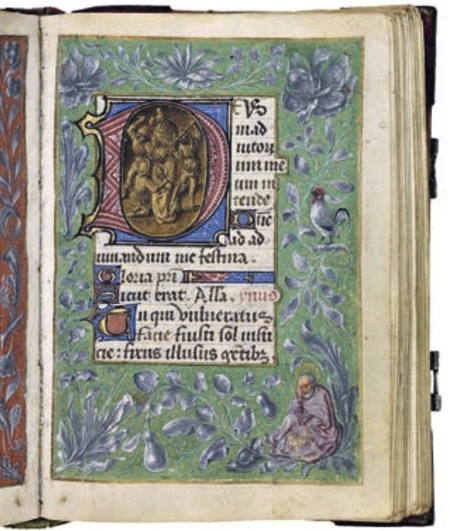
Marginalia—these are drawings, inscriptions, and ornaments that decorate the margins of medieval manuscripts. The word marginalia comes from the Late Latin marginalia—literally, «that which relates to the margins.» Original marginalia might have contained scribal notes and annotations, but in the Early Middle Ages, the book margins were actively filled with decorative motifs—floral, geometric, zoomorphic, and fantastic. For instance, in the Codex Durlach, the page margins are richly decorated with botanical ornamentation—swirling acanthus leaves and grapevines (see illustration). This floral pattern evolved in the West (Gothic) into drolleries—humorous marginalia that are scarcely related to the text and serve purely as entertainment decoration (1, pp. 1–4).
Types of Marginal Ornamentation.
In Western European manuscripts (11th–15th centuries), the margins were primarily decorated with vegetal motifs: delicate grape leaves, floral garlands, intertwined ribbons, and curling grapevines. Curly scrolls and acanthus tendrils were often found surrounding frames and initials. Geometric ornamentation (diamonds, interlacing patterns) was typically used in Eastern books and under the influence of Byzantine traditions, as well as in manuscripts from the Muslim world (floral arabesques, radial designs). In addition to vegetal patterns, zoomorphic and fantastic figures were common—birds, mythical beasts, sea creatures, and chimeric figures (such as anthropomorphic animals)—all of which became part of the marginalia. The ratio of these elements varied depending on the time and place of the book’s creation. During the 13th–14th centuries, drolleries—whimsical and often comical images in the margins—held a prominent place, and in the 15th century, naturalistic floral borders developed in Southern Netherlandish manuscripts (1, pp. 2–4; 2, pp. 267–285).
Animalistic and fantastical ornamentation.
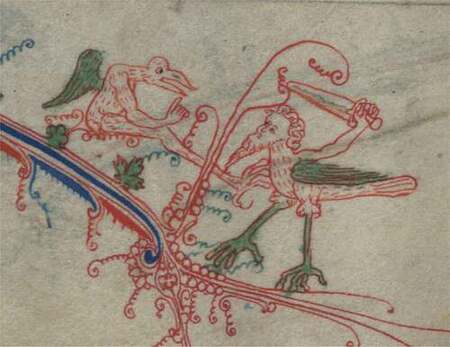
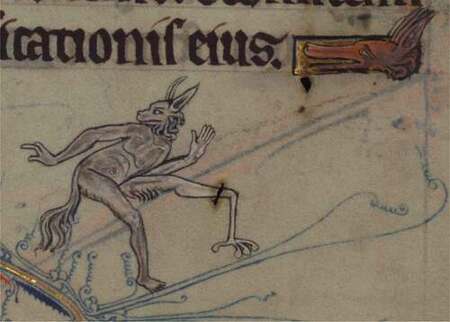
Starting in the 13th century, drôleries (from the French drôlerie—"prank,» «quirk») spread throughout Western European manuscripts. These were satirical, unconventional, worldly (or even irreverent), humorous, and sometimes frankly disrespectful images that broke established norms. Between 1200 and 1350, this new marginal decor—which first developed in Parisian workshops before spreading to Northern France, England, and eventually to Italy, Spain, and Germany—gained increasing independence within books, primarily those of religious content (such as psalters or hours). All these motifs were typically incorporated as part of the page ornamentation—bushes, ribbons, and plants adjacent to small animals gradually spilling out from the borders or initial letters (1, pp. 3–4).
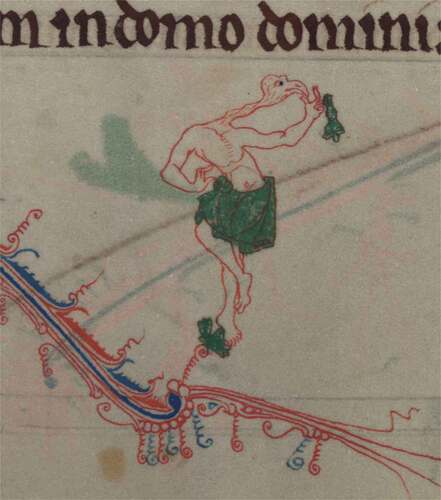
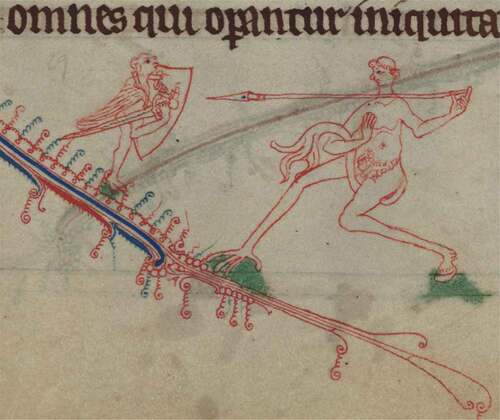
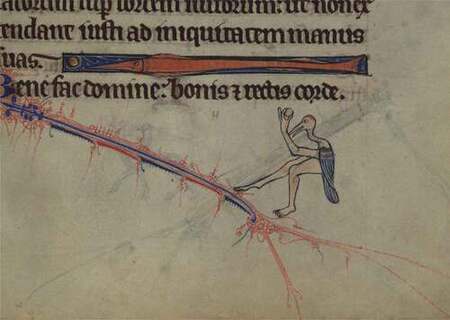
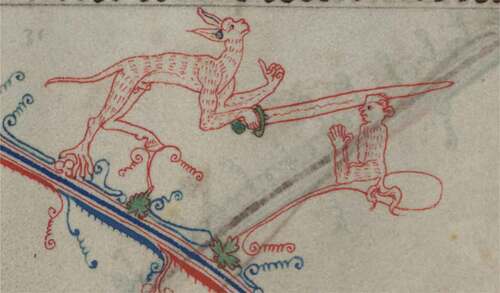
However, even the boldest doodles should not be taken too seriously—it is time to stop reading sexual undertones everywhere, particularly in every rabbit depicted in the margins. J. U. and his co-authors remind us of the necessity of acknowledging the element of nonsense, which allows us to avoid over-interpretation driven by an obsessive desire to explain and make everything comprehensible. «The probability of an allusion existing is inversely proportional to the frequency of occurrence of both the iconographic motif and the textual motif it is presumably connected to.» The obsession with systematically studying the relationship between text and image—“forcing amusing details to correlate with the text they decorate» in an attempt to imbue them with meaning—is regularly criticized. J. U. (JW) clarifies that it is also necessary—if not foremost—to investigate the possible dialogue or connection between the images themselves: between those placed in different parts of the page (top or bottom), and between the initial letters and the marginalia. The meaning of any given motif can only be established by analyzing various instances of its appearance (1, p. 2).
In Jean Virta’s research, scenes built upon the parody of religious acts are examined. For instance, one of the described images features a fox in monastic robes and a candle standing before a pig participating in a scene resembling a religious ritual. The comedy arises from the mismatch between the conventional form of the ritual and the depicted characters (1, pp. 3–4). Such scenes might have been meant to mock human frailties and societal customs, but not every one of them should be considered a direct critique of the Church.
Drolleries have been highly popular since the early 13th century; however, in the 14th century, their popularity declined or they fell out of fashion, yielding space in manuscript borders to increasingly common «neutral botanical motifs.» Thus, around 1200, marginal decoration began to emancipate itself from initials. The culmination of this process appears to have been reached in the workshops of Tours and Ghent, as evidenced, for example, by Margaret de Beaujeu’s Calendar. (1, pp. 2–3).
Botanical Ornamentation.
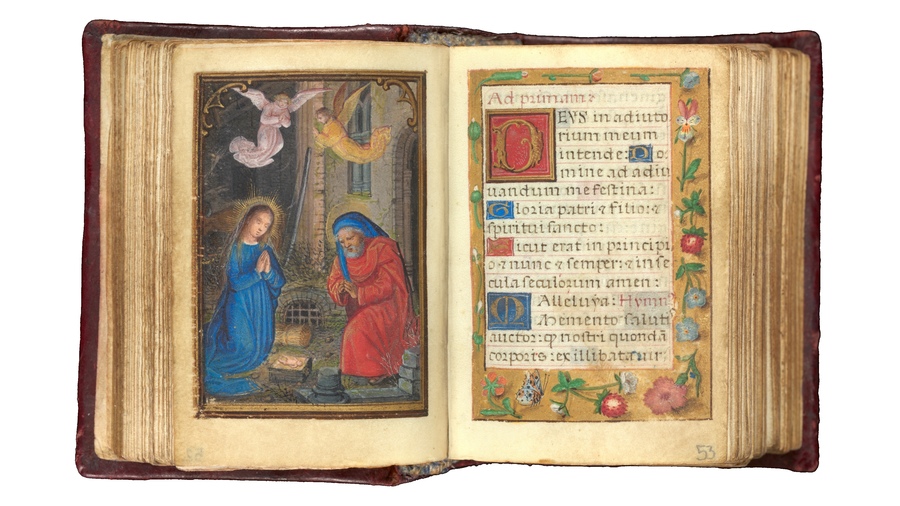
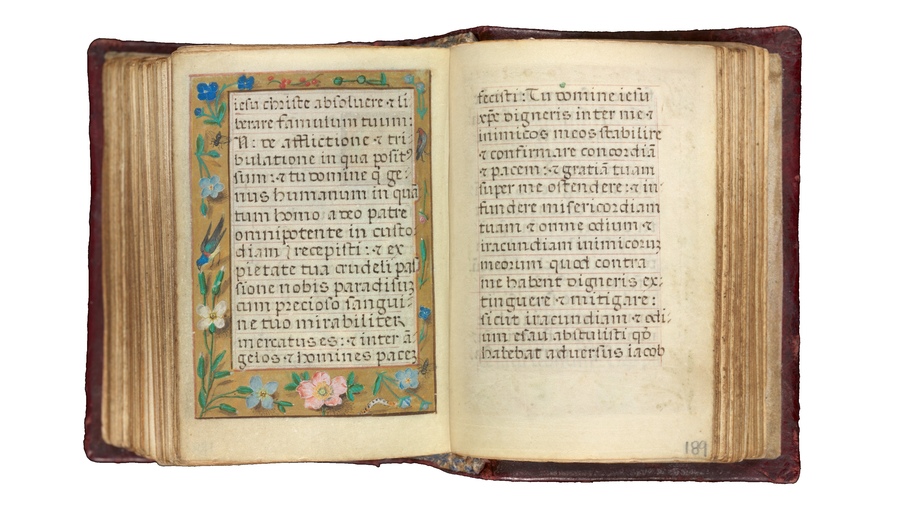
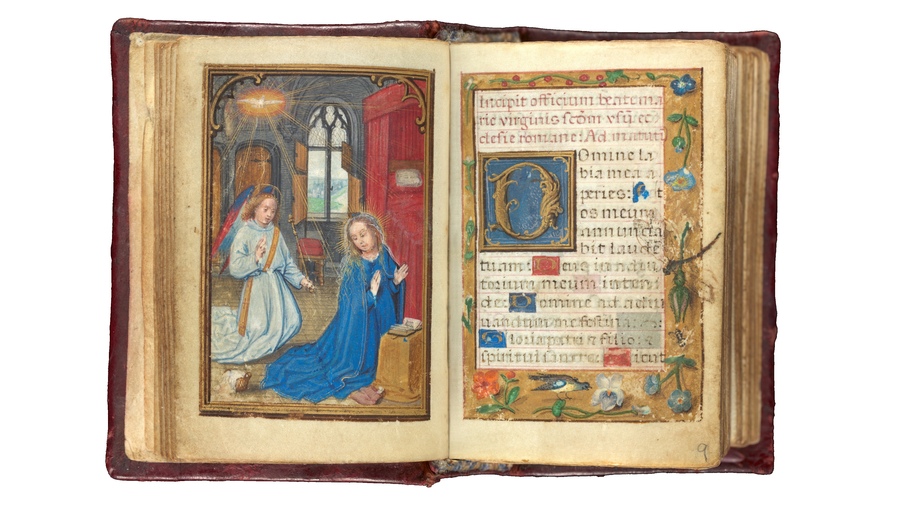
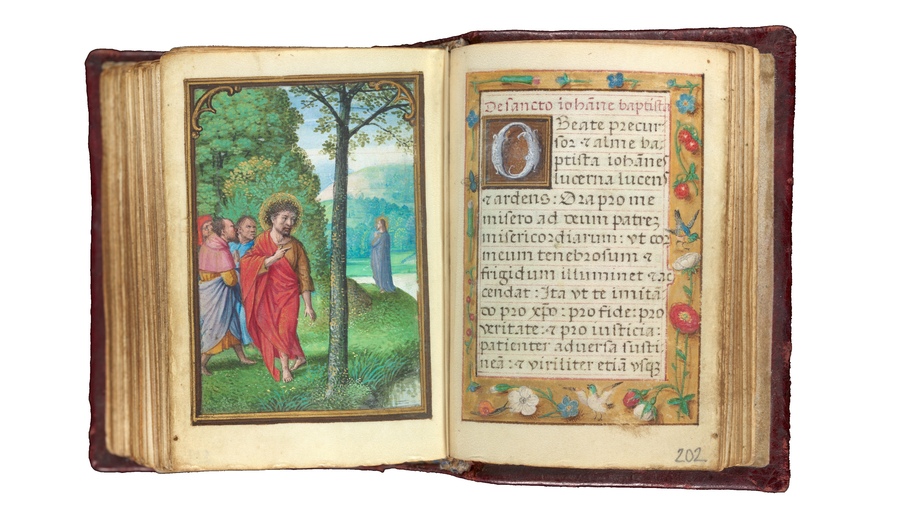
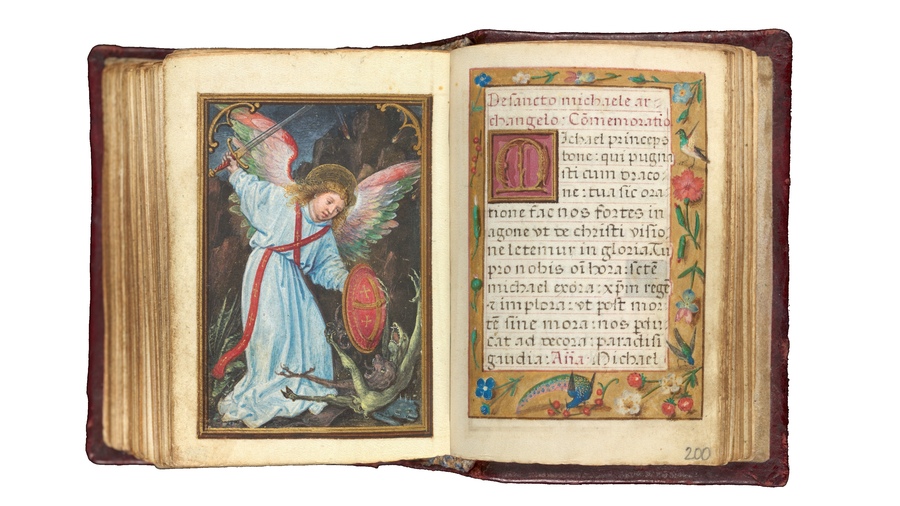
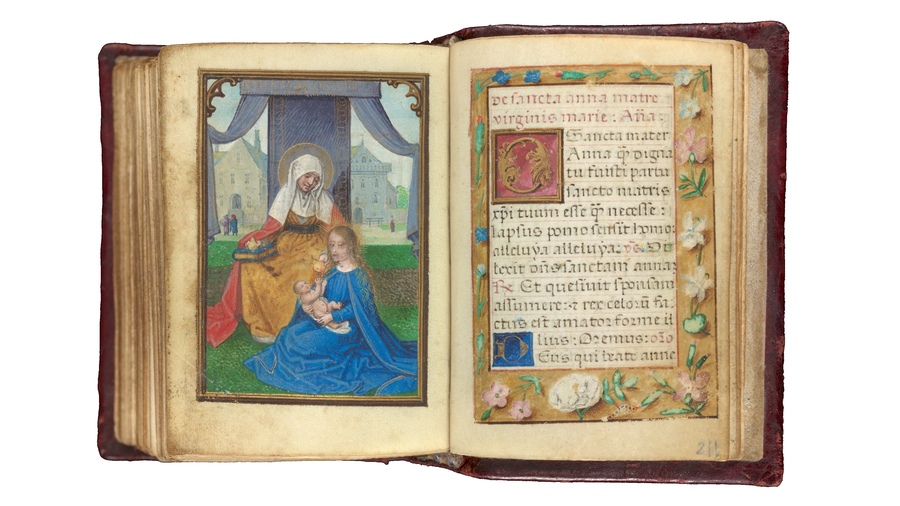
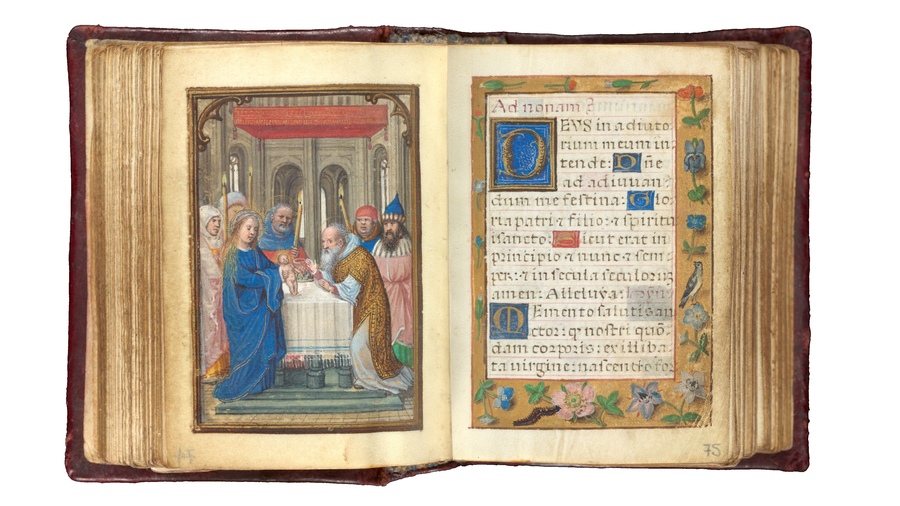
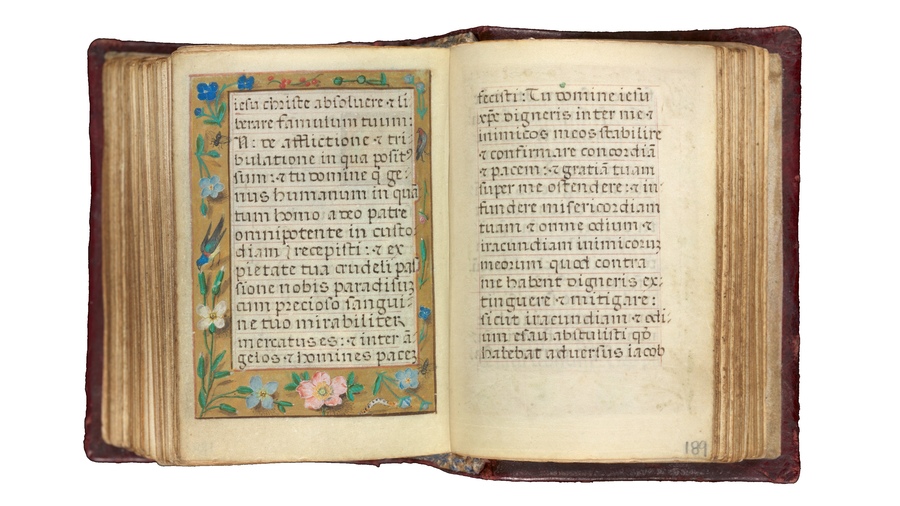
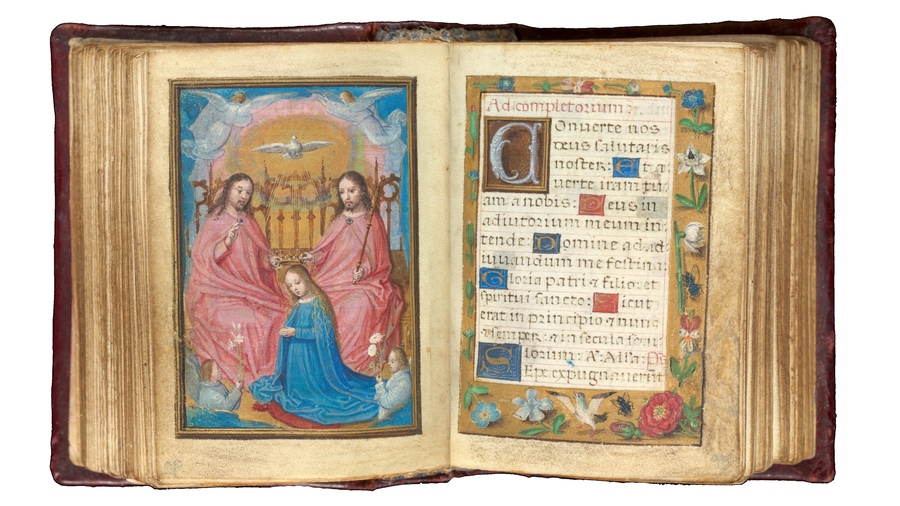
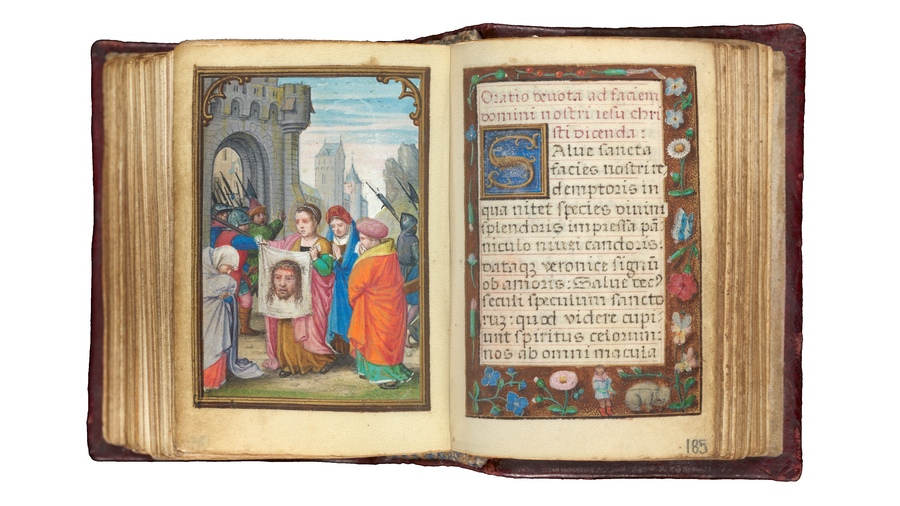
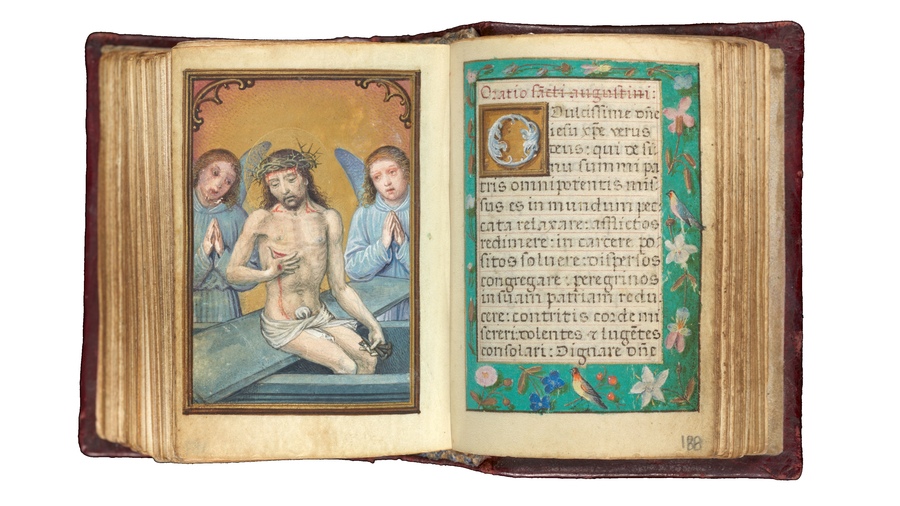
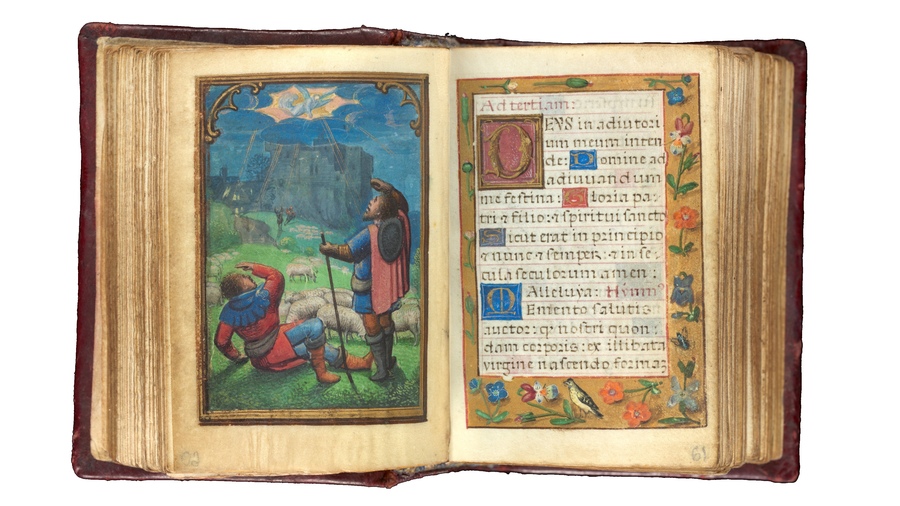
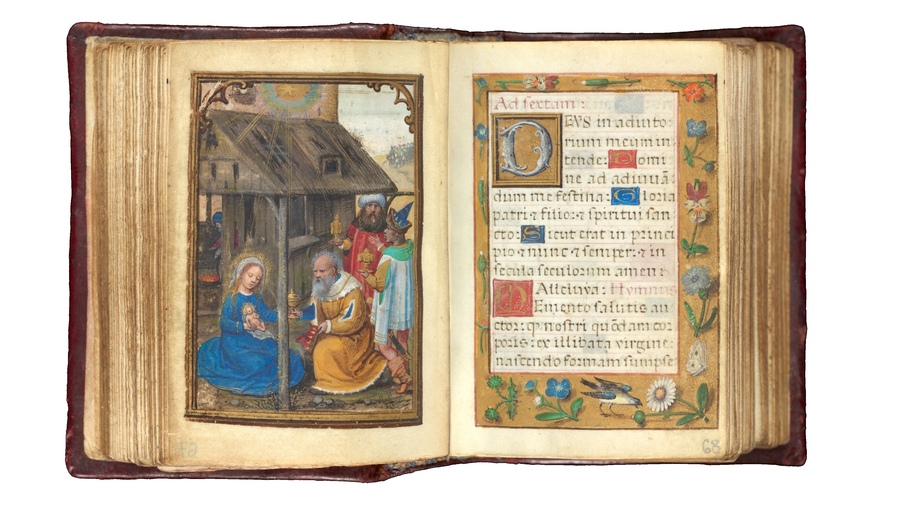
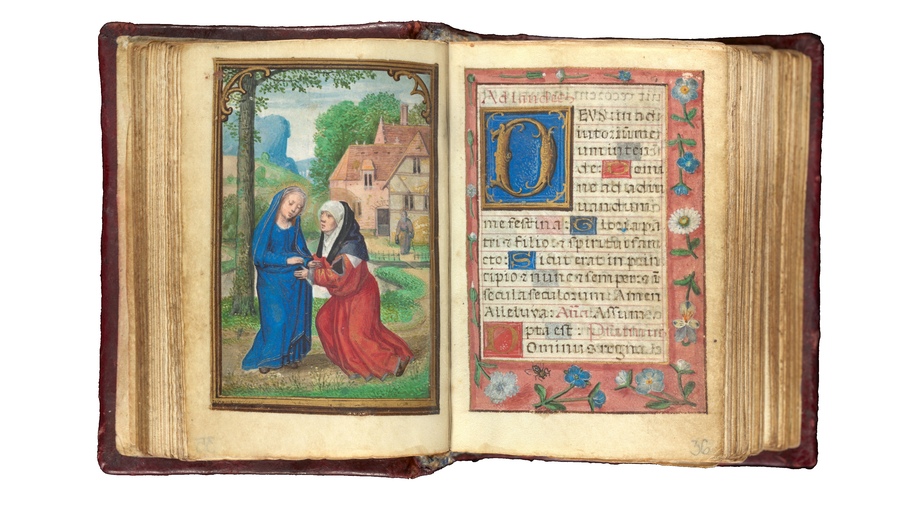
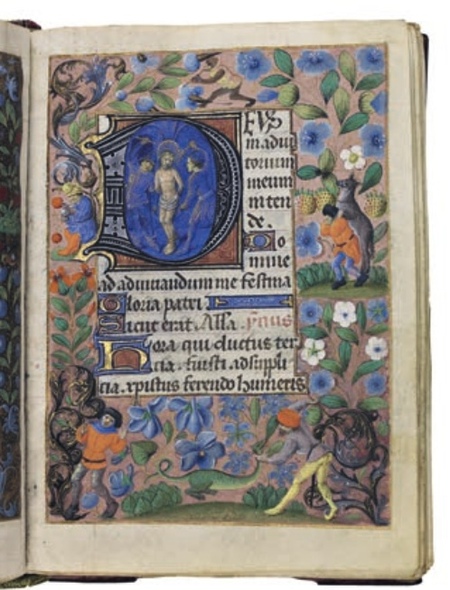
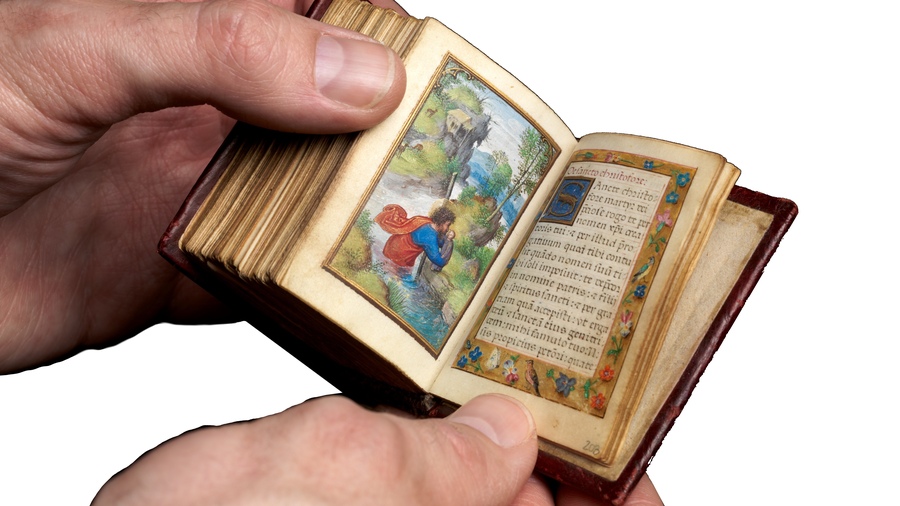
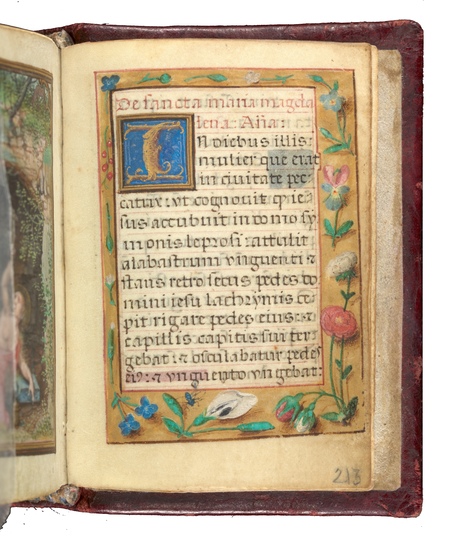
In Western medieval illumination, acanthus leaves, grapevines, flowers, and intertwining stems were widely used. In early versions of this decoration, the plants were often stylized, but later artists began paying greater attention to their natural form, volume, and placement on the page. This was especially evident in 15th-century Southern Netherlandish manuscripts (2, pp. 267–270).
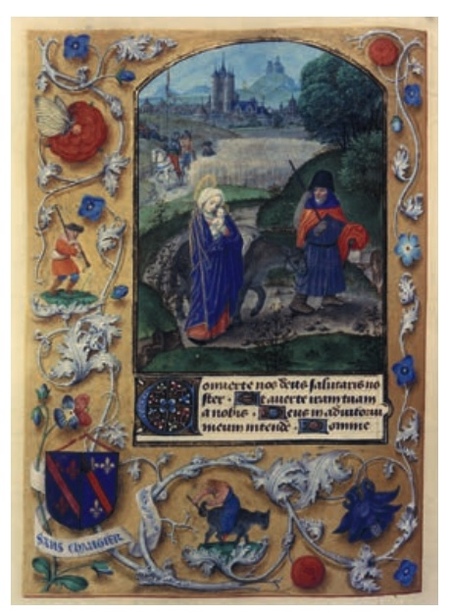
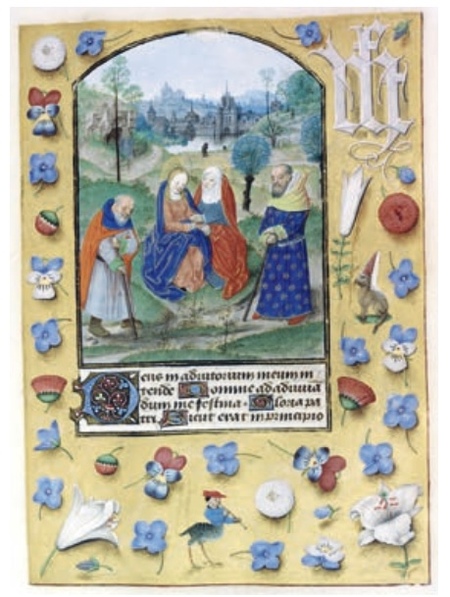
In Jean de Carpentant II’s Hours of Jeanne, created in Bruges around 1470–1475, the flowers appear as if scattered across the page surface. This decorative style is known as strewn-flower borders—floral borders depicting individual plants against a background. On leaf 76v, the flowers are combined with a religious miniature, and the chiaroscuro creates a sense of volume. Furthermore, the naturalistically depicted plants could coexist with insects and other elements that were not necessarily realistic (2, pp. 267–268, 277–278).
Geometric and Interlaced Ornamentation.
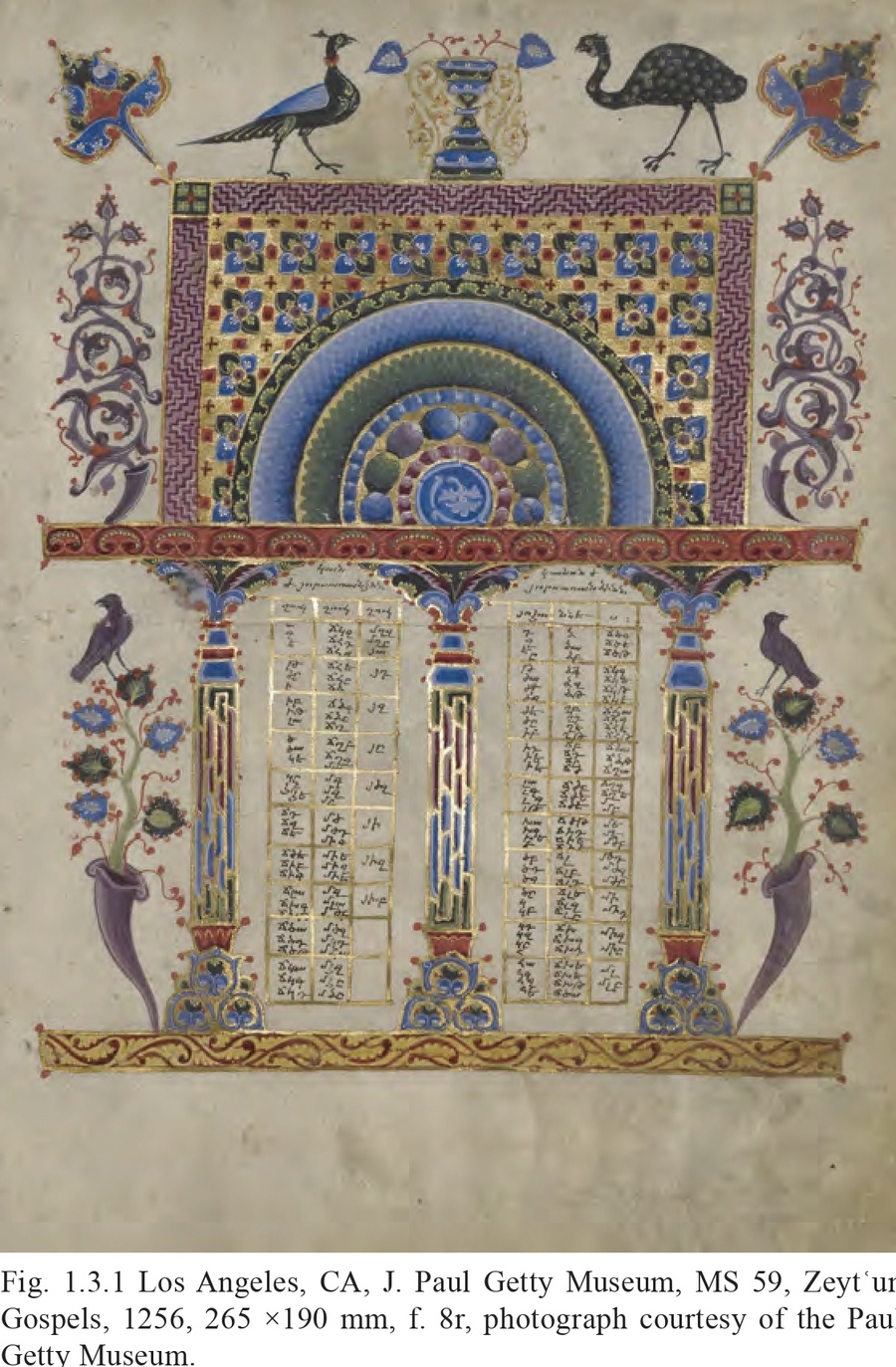
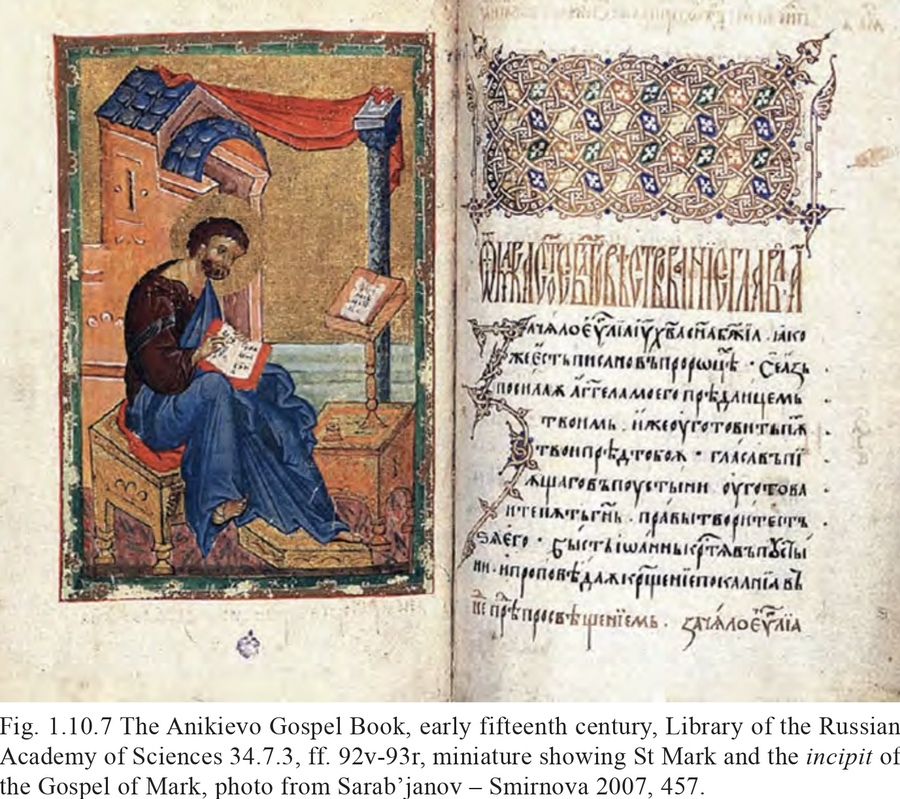
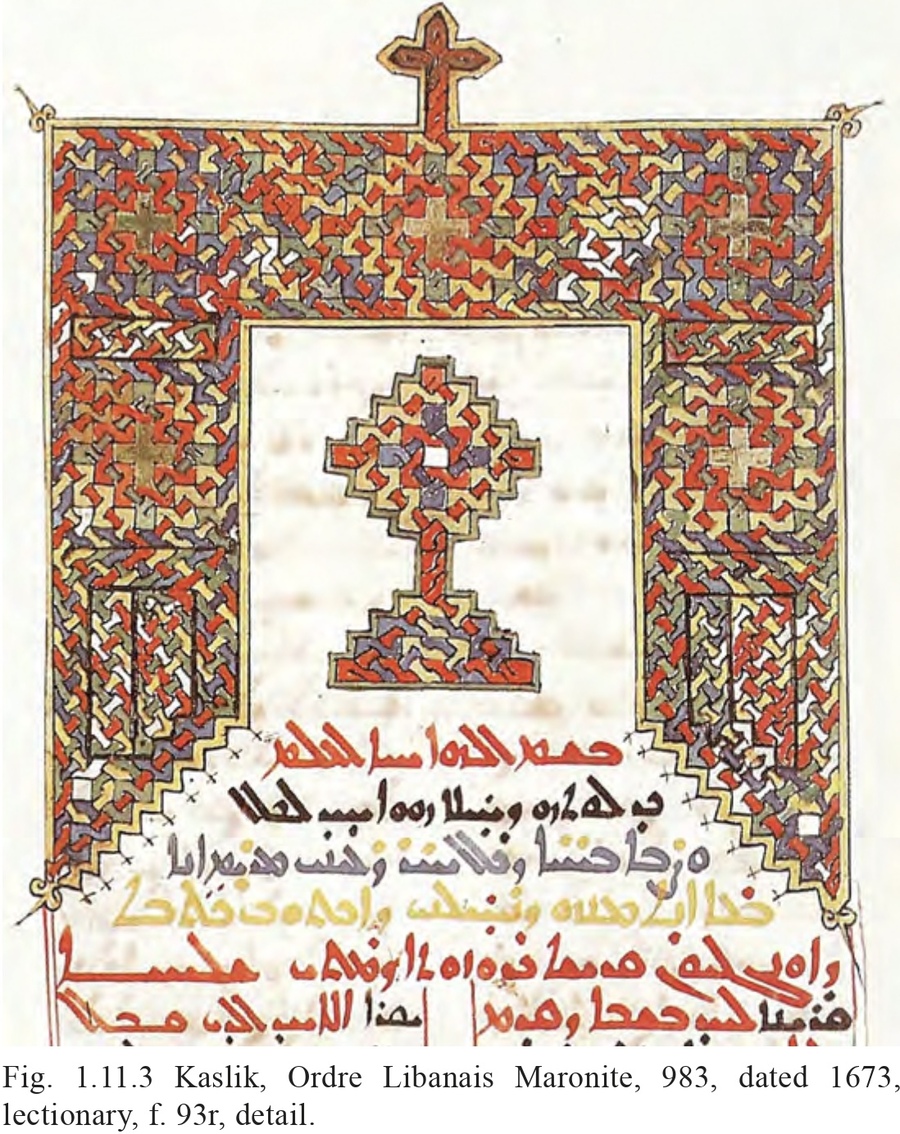
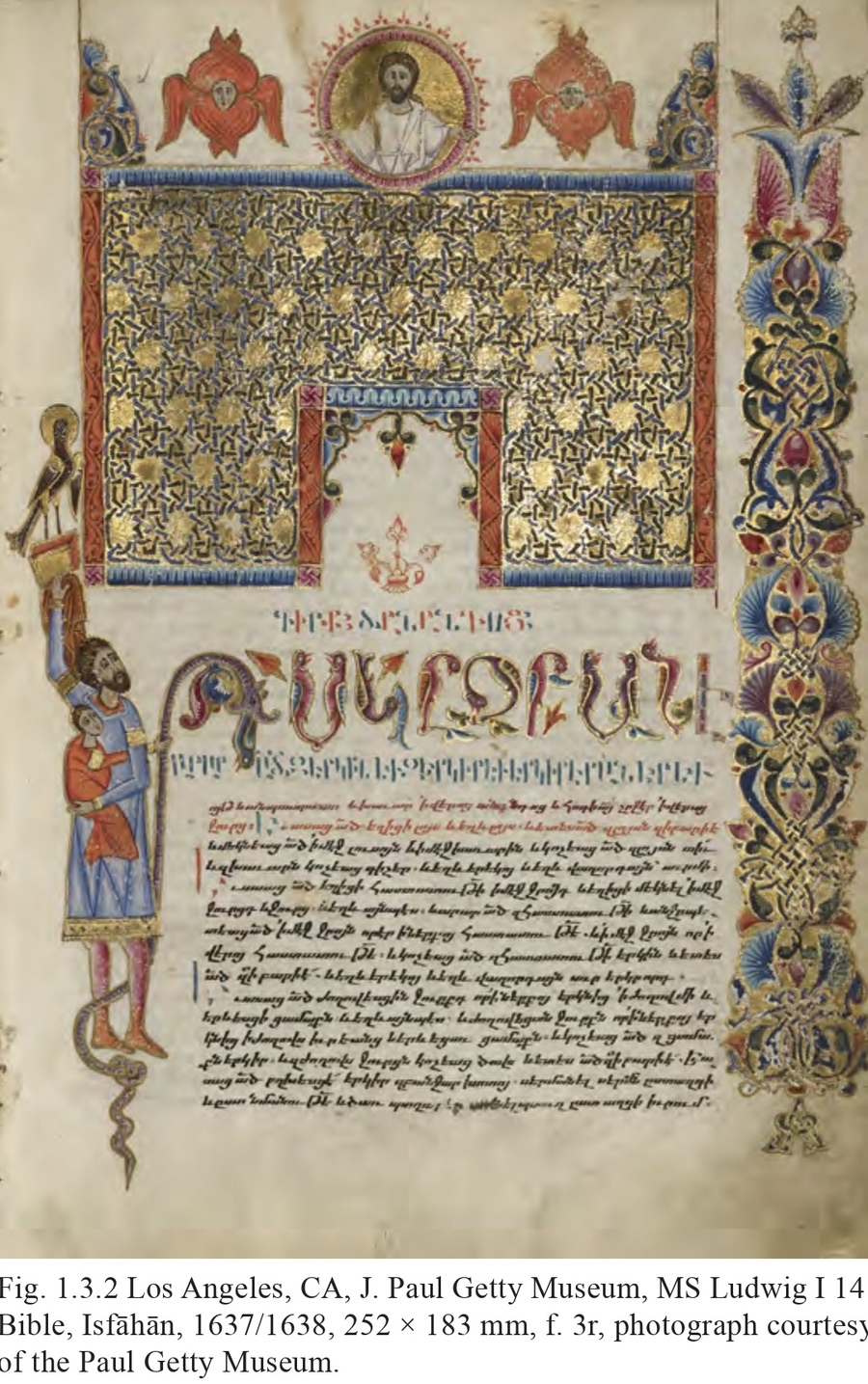
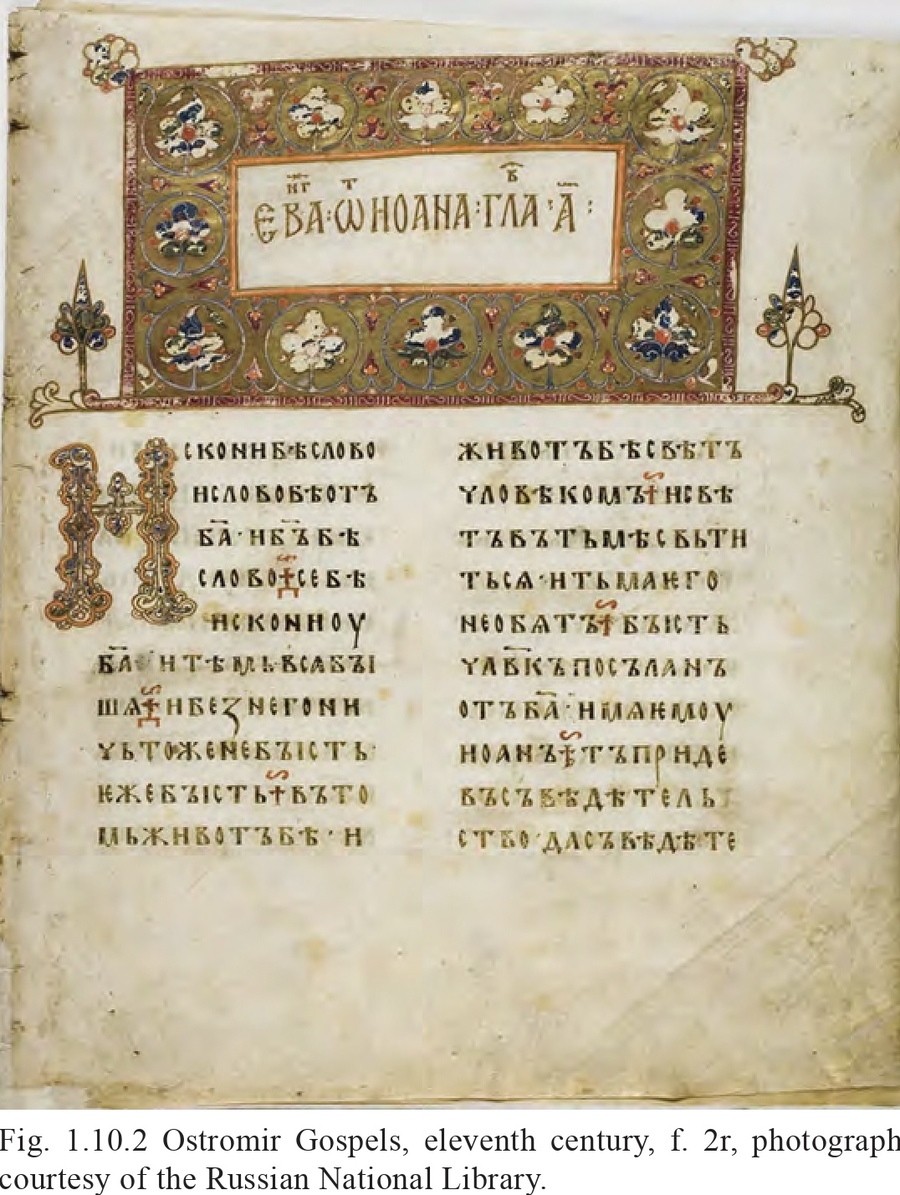
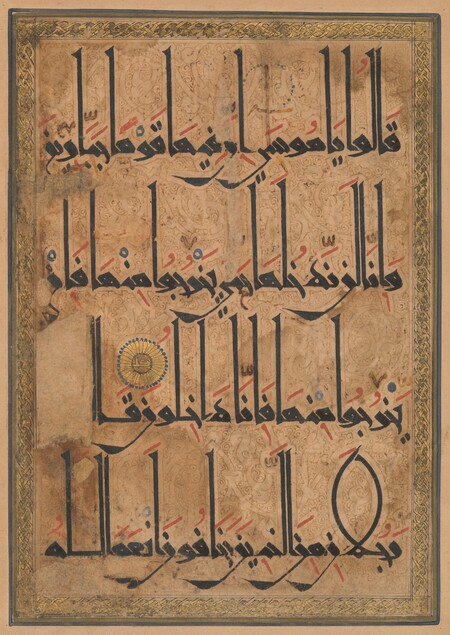
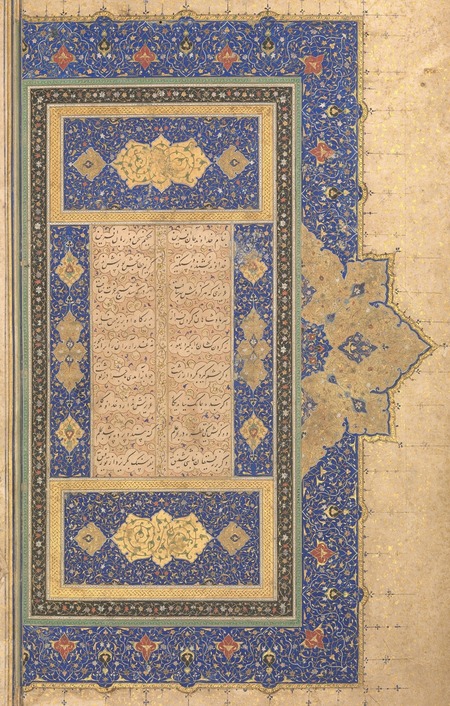
In Eastern (Byzantine and Islamic) manuscripts of the 12th–14th centuries, abstract «makar» (decorative patterns) were popular—regular motifs that filled borders and margins. These could take the form of strict geometric tessellations, arabesques, or meander lines, often executed in gold. In Old Russian book art, ornamental elements could be combined with botanical and zoomorphic motifs. A manuscript from the first third of the 13th century shows connections between Old Russian book ornamentation and Balkan artistic traditions, as traditional Byzantine ornamental forms gradually transformed (3, pp. 10–13; 4, pp. 10–13).
The Spassky and Arkhangelsk Gospels, along with Serbian and Bulgarian manuscripts, illustrate the diversity of ornamental solutions and the interaction of artistic traditions. (3, pp. 10–13).
Regional Specifics.
Marginal decoration varied according to region and time. In Western European manuscripts from the 13th–14th centuries, fantastic and comic scenes are particularly noticeable, while 15th-century South Netherlandish miniatures developed complex botanical borders featuring naturalistic depictions of flowers. However, these trends did not exist in isolation; in the floral fields of the 15th century, grotesques and other fantastic figures continued to appear (1, pp. 2–4; 3, pp. 267–285).
Western European tradition.
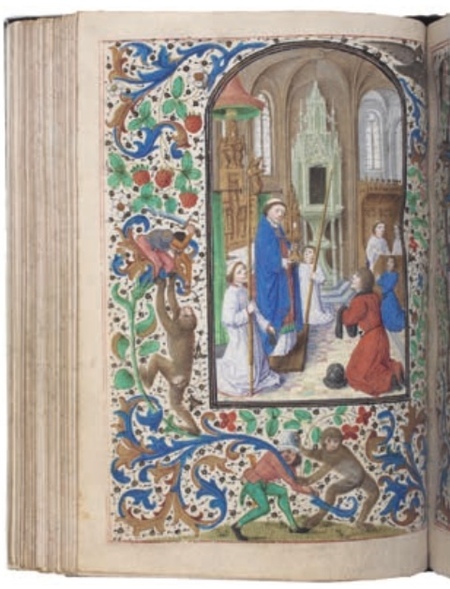
In manuscripts from the 13th to 15th centuries, vegetal decoration was often combined with figural imagery, including fantastic and comedic scenes. These compositions became particularly diverse in Gothic psalters and hours. However, the degree of their connection to the text varied: they could feature independent grotesque figures alongside images that engaged in a semantic dialogue with the miniature or the prayer’s content [1, pp. 1–4].
In 15th-century Southern Netherlandish illumination, naturalistic floral borders occupied a prominent place. As-Wevers examines their development using specific manuscripts, including the Trivulzio Hours—a book created in Ghent and Antwerp around 1470. It features miniatures by Lieven van Lathem combined with the marginal decoration from his workshop. On fol. 76v, there is a miniature featuring a chalice and a floral decoration, where individual light-colored flowers are highlighted through tonal modeling [3, p. 277].
Another example is the Prayer Book of Charles the Bold («Prayer Book of Charles the Bold»), decorated by Livinus van Lathem and the Viennese master Maria of Burgundy between 1469 and 1471. This manuscript features both traditional frames with acanthus leaves, rendered in gold and blue tones, and decorative compositions set against a dark background. Furthermore, As-Wevers emphasizes that the botanical decoration and drolleries within these compositions are not always paired with naturalistic depictions of flowers—various design approaches coexisted within the same manuscript [3, pp. 274–275].