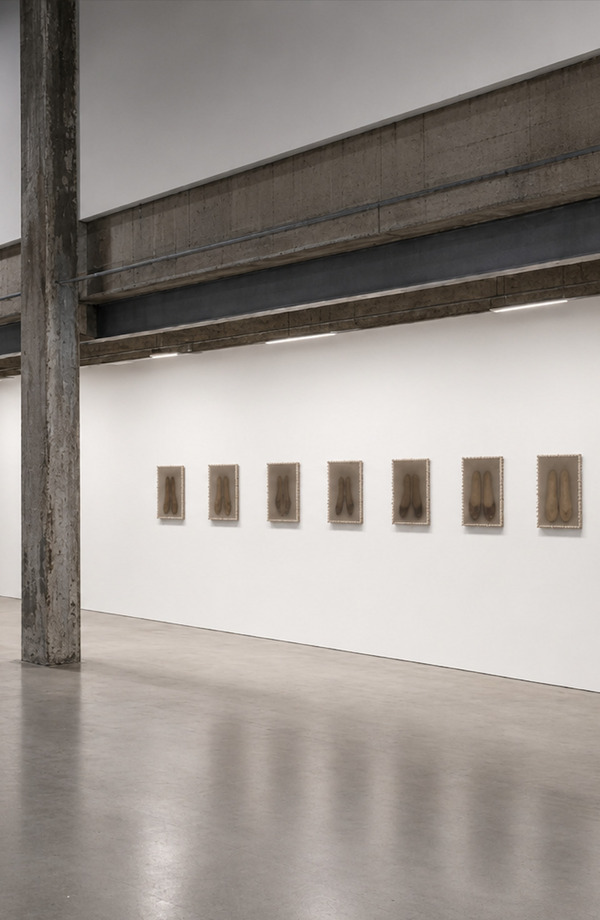
The exhibition «Forms of Memory» examines how the form in which Doris Salcedo holds onto memories of violence—memories that remained witnessless, nameless, and officially unrecognized for years—is transformed.
In the artist’s works, created from the late 1980s to the present day, memory travels a path—from object to space and to collective action. Initially, it is an artifact bearing the trace of a lost person. Then, it becomes the environment where that trace cannot be bypassed. Finally, it is a shared endeavor where memory is produced collaboratively. Along with the form, the viewer’s position shifts: from a witness observing someone else’s loss to a participant without whom the work cannot happen. The exhibition is structured as a journey from the intimate to the expansive, and the brief curatorial texts in each zone pose a question rather than offering a ready-made answer. Thus, the exhibition invites viewers to observe in Salcedo’s work a sequential investigation into what it means to remember: alongside an object, within a space, and together with others.
Doris Salesedo
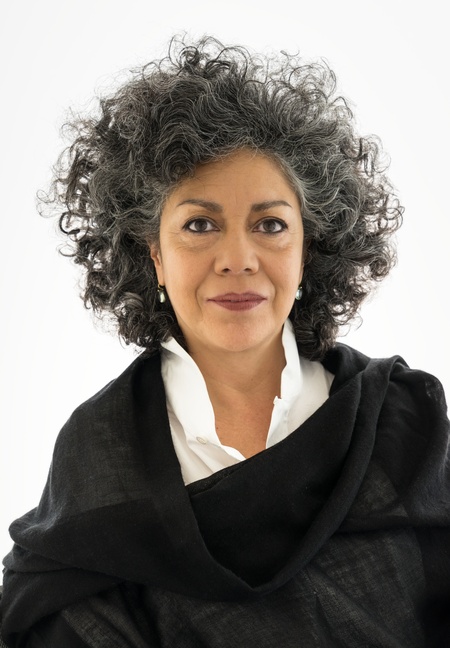
Doris Salcedo (b. 1958, Bogotá) is a Colombian artist who works with sculpture and installation. The central theme of her practice is the memory of violence, particularly in the context of armed conflict in Colombia. She takes everyday objects that bear the trace of human life—such as furniture, shoes, clothing, petals, and earth—and transforms them into a testament to absence. Over time, the scale of her work has grown: from intimate objects to spatial installations and public actions involving many people. Among her awards are a Guggenheim Fellowship, the Velázquez Prize, the Hiroshima Prize, the Nashar Prize, and the Praemium Imperiale.Today, Salcedo remains timely because the question of how to remember violence has not lost its urgency: witnesses pass away, archives close or become inaccessible, and public attention to traumatic events quickly fades. Her works offer a way to remember without fossilizing loss into a fixed image; memory, for her, is rebuilt anew every time, and the viewer becomes part of that process. Therefore, her experience is relevant beyond Colombia: the pain she addresses is recognizable in any country with disappearances, silenced victims, and unmourned losses.
Exhibition Venue
Palais de Tokyo, Париж: Galerie basse
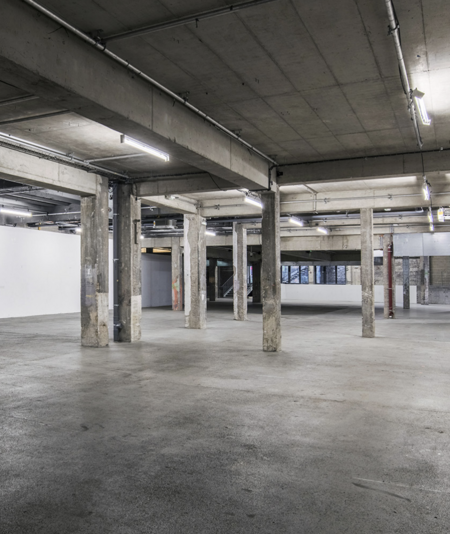
The Palais de Tokyo was constructed for the 1937 International Exposition as a monumental structure in the spirit of severe Art Deco. Today, its west wing houses one of Europe’s largest centers for contemporary art. Following renovation by the firm Lacaton & Vassal, the interiors were intentionally left «unfinished»: exposed concrete, raw structures, and a lack of finishing. The architects drew inspiration from the Jemaa el-Fna square in Marrakech—a place of constant motion where the visitor chooses their own route. The space here does not dictate a mode of viewing; rather, it remains open to artistic gesture.For the exhibition «Forms of Memory, ” the lower levels of the building—Galerie basse and Sous-face—were selected. Galerie basse covers approximately 1,300 square meters. This space is underground, characterized by changes in level and slopes, possessing a raw, almost cave-like atmosphere. Such an environment aligns with the nature of Salcedo’s work, where memory is linked to what is concealed, displaced, and lies beneath the surface. Descending downward becomes part of the experience: the viewer literally moves away from daylight and finds themselves in a space where objects, silence, and scale speak louder than words. The concrete walls and unadorned texture make the hall itself a „material of memory“: the traces of time are not hidden, just as they are not hidden in Salcedo’s work, where concrete, wood, fabric, and earth preserve the imprint of loss.*Interior photograph from the official 2022 brochure.
Exhibition Structure.
Выставка выстроена как путь из трёх зон.
Display
Memory as Object.
Here, the object serves as the carrier of memory: footwear, furniture, a chair. The works by Atrabiliarios, La casa viuda IV, Thou-less, and Disremembered demonstrate that an object, divorced from its owner, becomes a witness. The viewer remains an observer, looking at another’s loss from a distance.
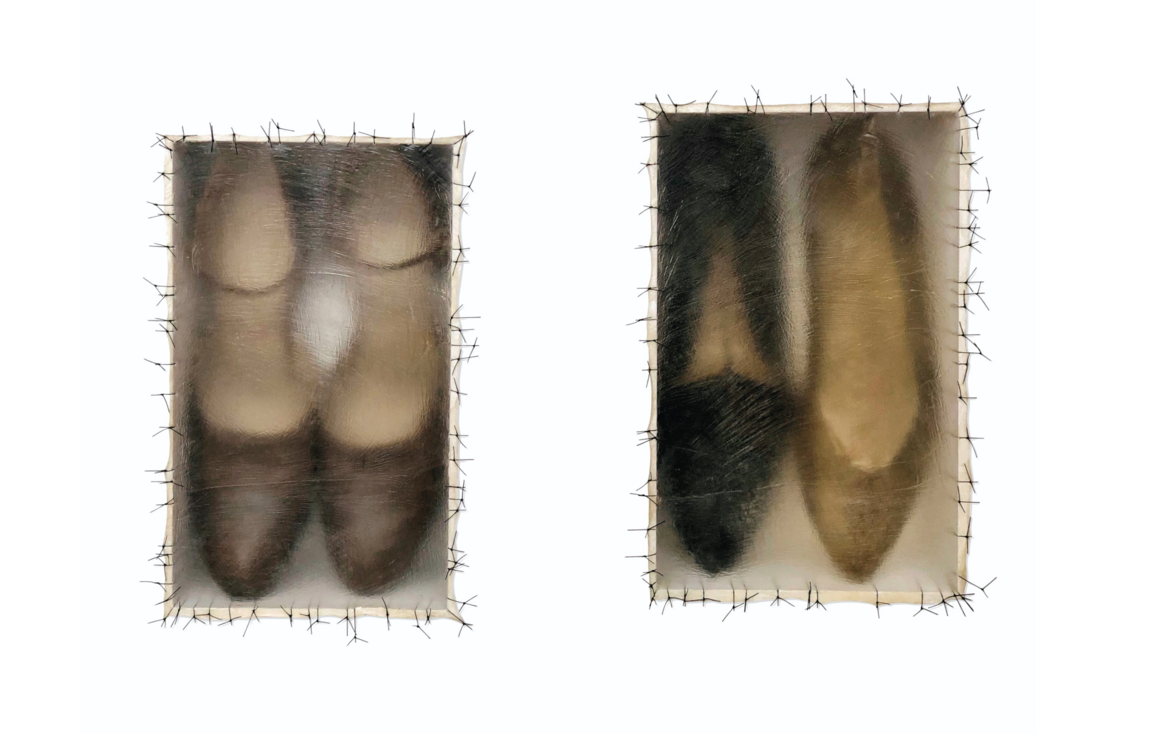
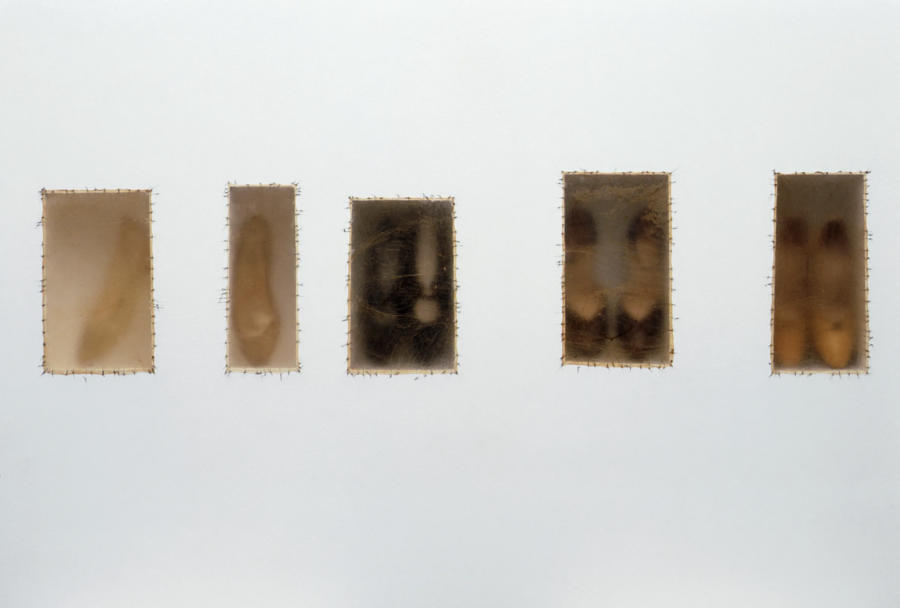
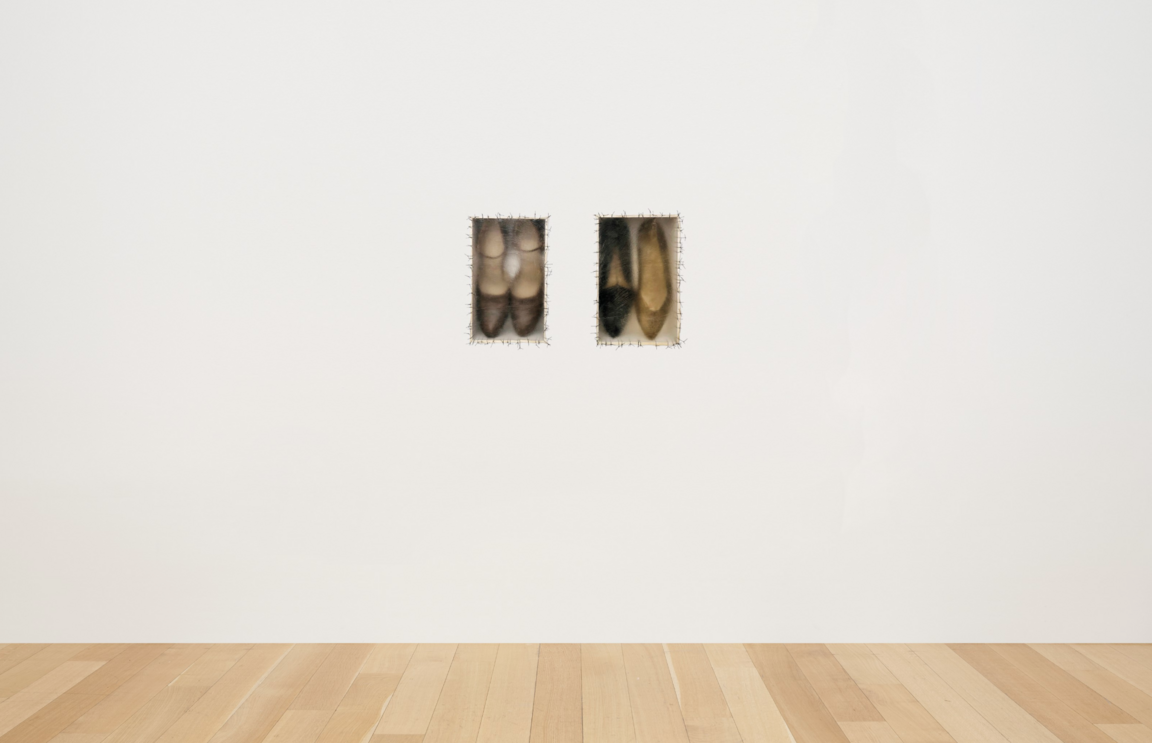
«Atrabiliarios, ” 1992–2003, Doris Salcedo
Zone 1 Visualization
Memory as Space.
Memory ceases to reside within an object and begins to occupy a physical space. Plegaria Muda, Noviembre 6 and 7, and A Flor de Piel engage with the scale and rhythm of the environment. The viewer enters, walks around, stands nearby, and the sense of distance disappears.
Memory as a Collective Act.
Sumando Ausencias arises from the labor of many individuals and a multiplicity of names. Memory here does not belong to the author; rather, it is constructed through shared effort, and the viewer becomes a participant.