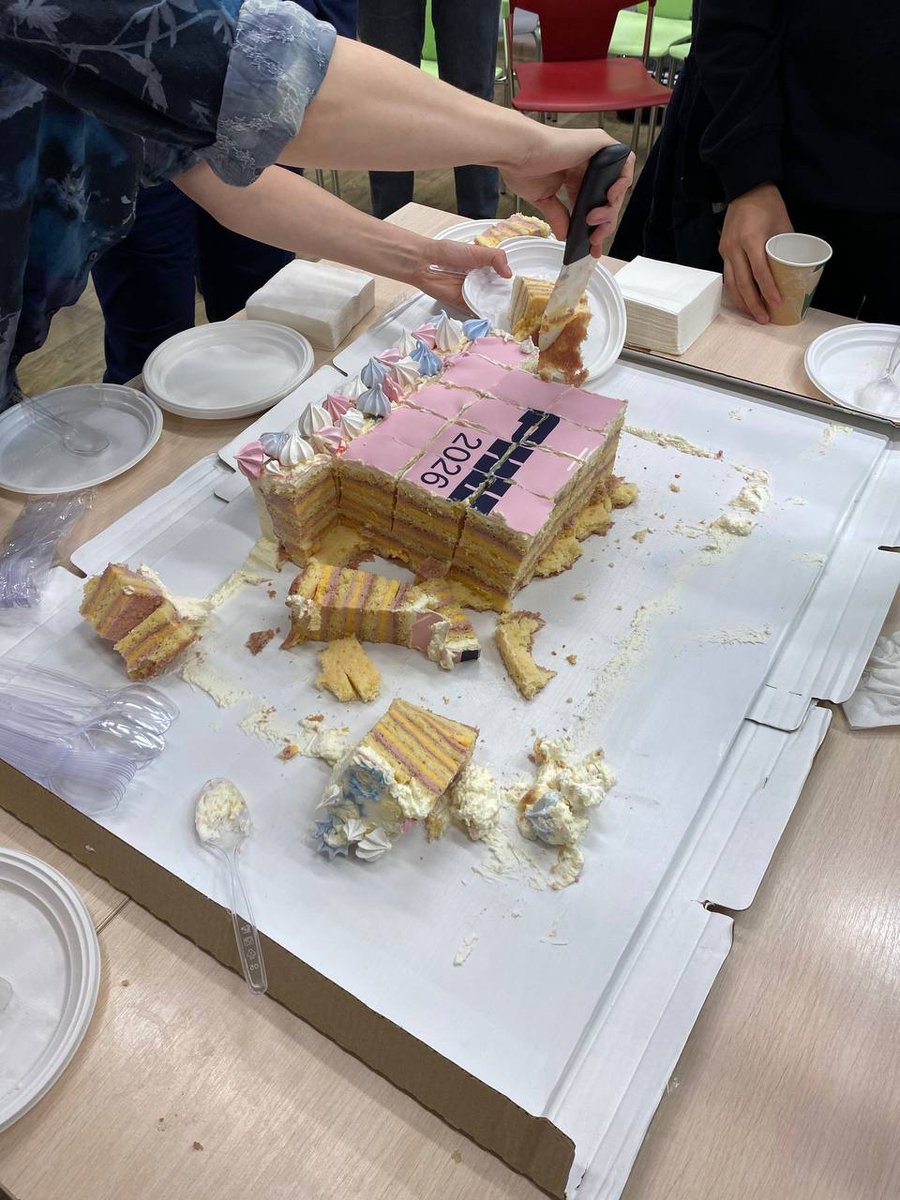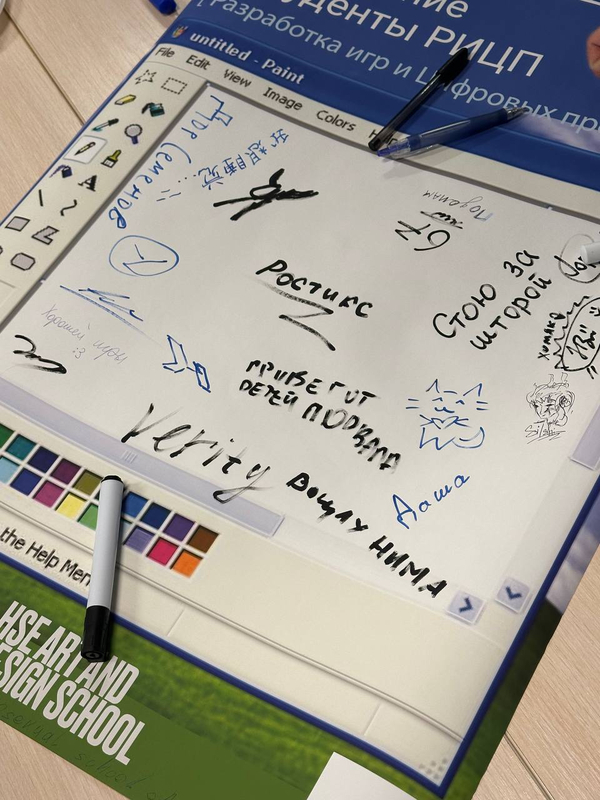
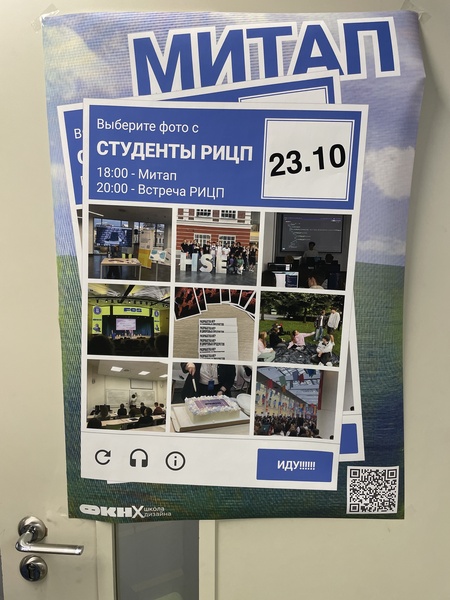
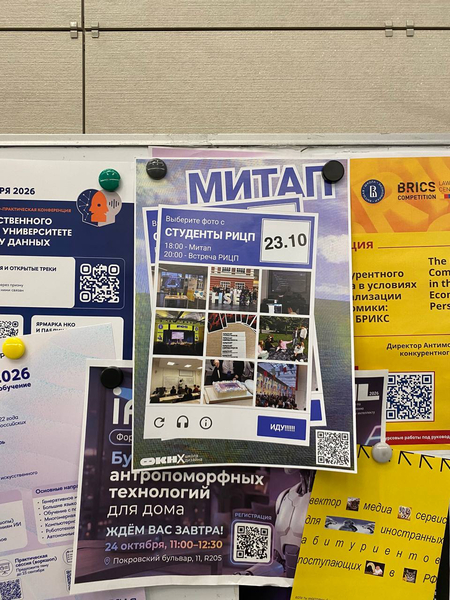
On October 23rd, a meetup titled «Dive into GameDev!» was held in the building on Pokrovsky Boulevard (Room R505). This is an annual event hosted by the PIKI project group for anyone interested in exploring the world of game and digital product development. Traditionally tied to the enrollment of students in the «Game and Digital Product Development» program (RICP), this year the event evolved beyond a simple industry introduction—it became a genuine platform for dialogue about the initial steps, exciting projects, and what it’s like to build a career in game development as a woman.
What Was Discussed at the Roundtable
The main discussion of the evening took place in the format of a roundtable titled «How Can Women Thrive in Game Development?» The focus was on a long-standing topic in the industry: women in game development. Students from the program, curators, and invited experts spoke frankly about the challenges one might face at the start, where to find initial projects, and how to maintain motivation when it feels like everyone around you is steeped in «not for you» stereotypes. However, the emphasis was not on the problems, but on the opportunities: participants shared their stories about first hackathons, student teams, and how a small prototype can grow into a full-fledged project.
It was particularly valuable to hear that game development isn’t just about code and 3D modeling. It requires writers, UX designers, producers, analysts, and sound designers—and it is this multidisciplinary nature that brings student projects to life. At the meetup, it was frequently stated: «Your role on the team can be anything; the main thing is to participate and try.»
Why is this important specifically for students
A meetup isn’t about giving an «inspirational lecture just to check a box.» Its main goal is to provide a real entry point into the industry: to show that you can take your first steps right now, while still a student. Here, we don’t expect a perfect portfolio or five years of experience—we expect ideas, curiosity, and a willingness to collaborate in a team. For first-year students, it’s a chance to see what upperclassmen are working on right away, and for more senior students—it’s a chance to talk about their projects, gain a fresh perspective, and perhaps find new members for their team.
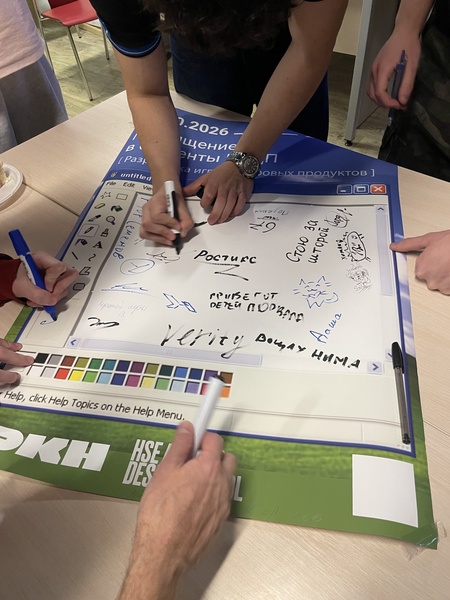
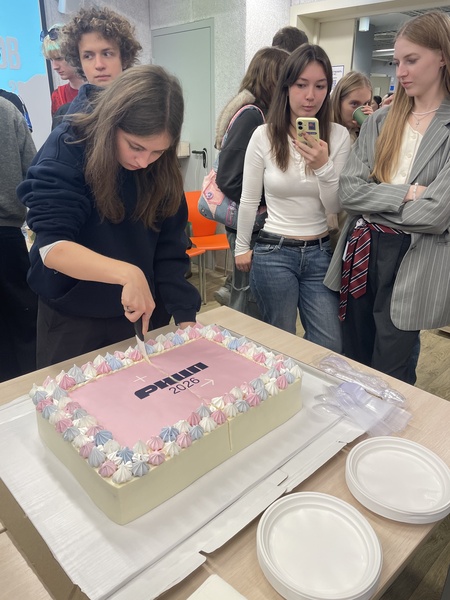
If you are just exploring game development or are already prototyping late at night—these meetings can help you realize you are not alone. They show that the journey from «I want to try it» to «we released a demo» is entirely achievable with a supportive community.
The educational program «Game and Digital Product Design»