Concept
Cats are marvelous creatures. They have long become a part of our lives. They live with us in homes, appear in stories, films, and books, and become characters in various works. Their behavior always brings a smile. Every cat is different, with its own habits and unique character. Each one possesses a vibrant individuality. Because of this, the cat has become an interesting subject for artists and animation creators.
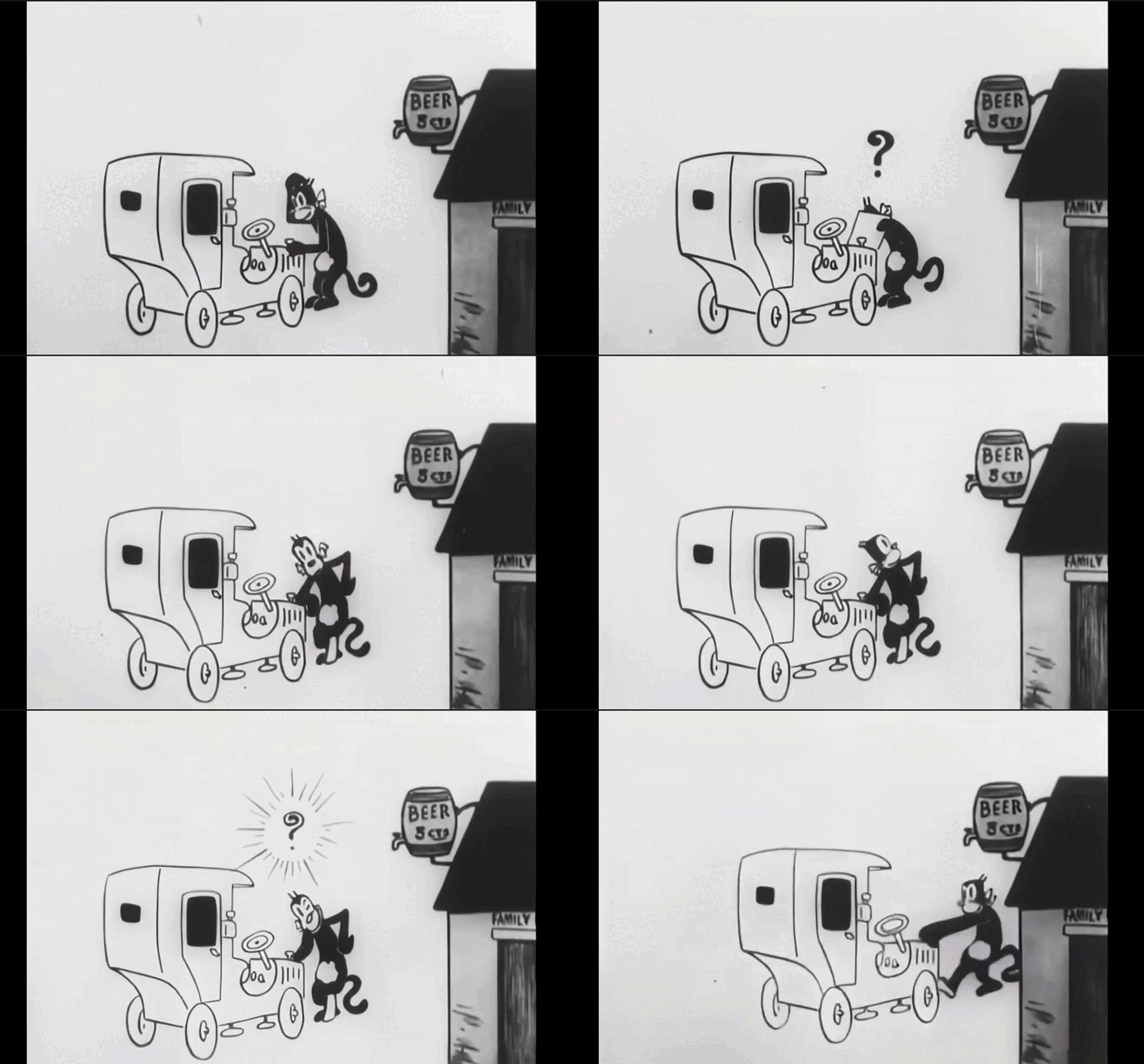
Krazy Kat Invalid (1916, dir. Gregory La Cava)
The first cats in animation appeared in the early 20th century. During the silent film era, short cartoons were often built around a single character and a small story. The cat fit perfectly into this format. It would independently set out on adventures and become the center of everything that happened. Gradually, the popularity of cats grew. Separate cartoons about cats emerged, and the characters became true public darlings.
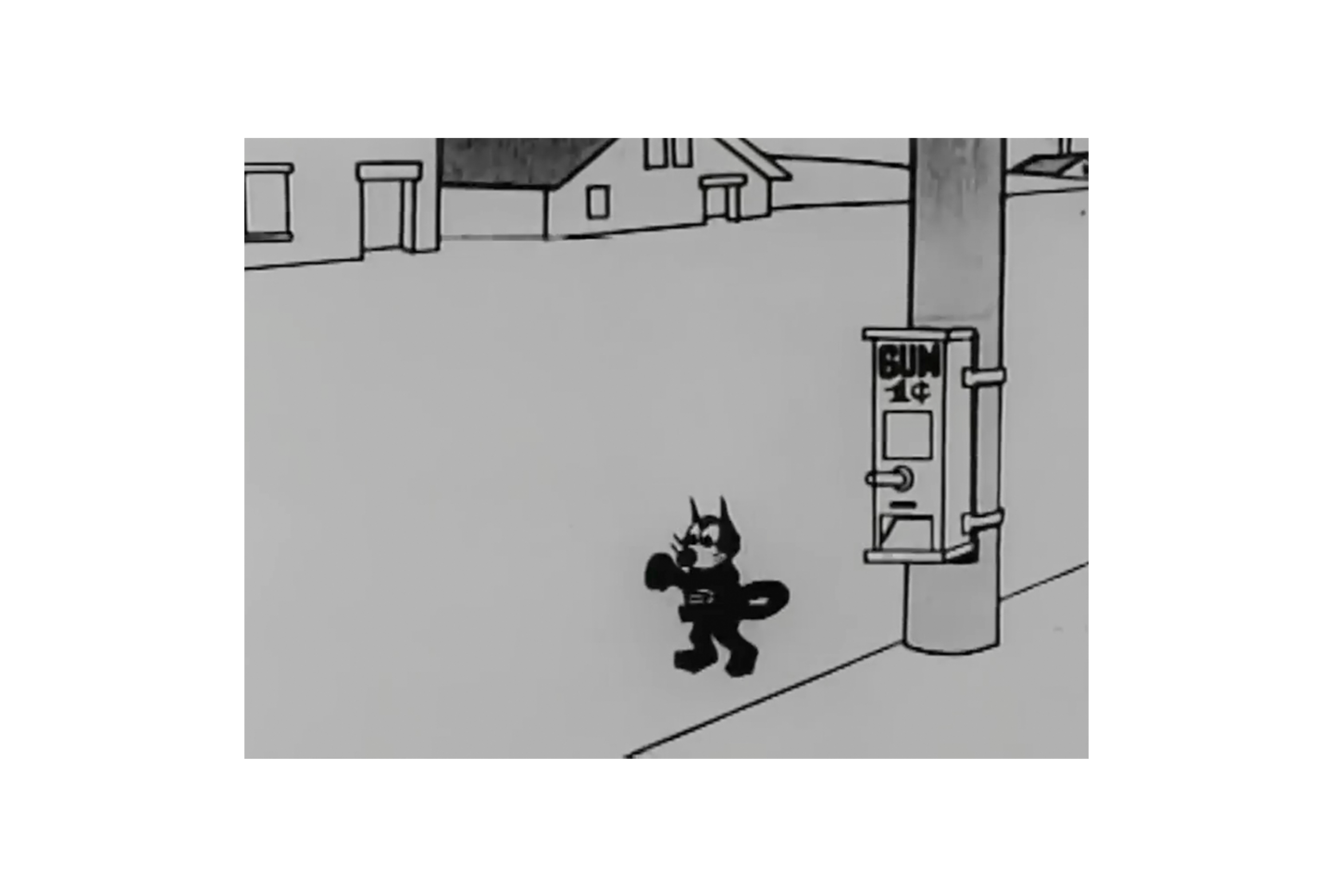
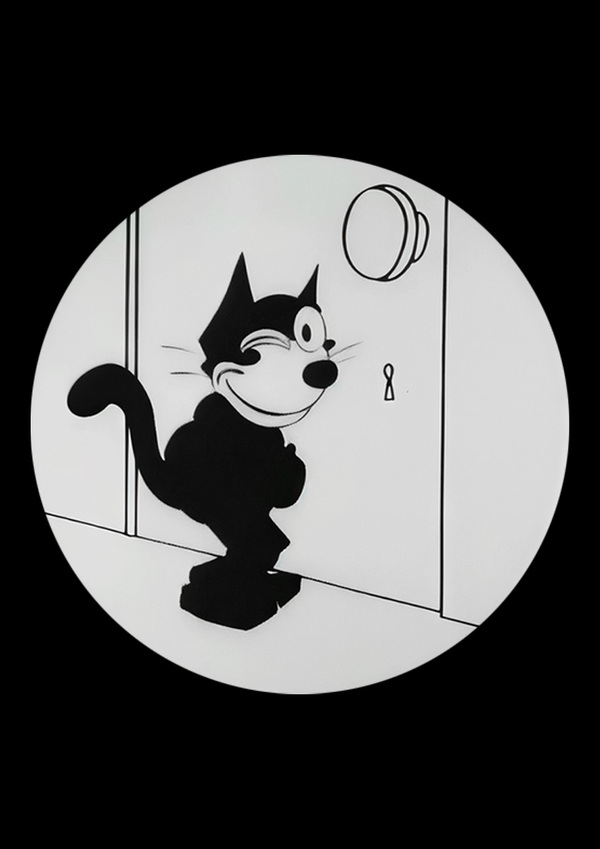
Felix in Hollywood (1923, directed by Otto Messmer)
The cat evolved into a fully realized character with its own personality. It learned to express its emotions, make plans, and dream—some even acquired human traits. At times, the cat was perceived as a person with its own unique story. Yet, naturally, it also retained the behaviors of a regular animal, complete with its instincts. The cat peacefully exists across various narratives.
Krazy Kat Goes A-Wooing (1916, Dir. Gregory La Cava)
In real life, and in animation, cats are hilarious creatures. Almost all comedic plots stem from ordinary feline activities—chasing a mouse, trying to steal food, taking a blissful nap, or exploring their surroundings. Any of these simple activities gain epic scope in animation. A minor prank can blossom into a massive adventure filled with a series of absurd situations.
Cats are perfectly suited for storylines where a character’s personality drives the entire narrative.
Three Orphan Kittens (1935, directed by David Hand)
In early animation, every cat had its own distinct look. Some featured a simple black silhouette with large eyes, while others sported cute, expressive faces with almost human-like expressions. The animators interpreted the image of the cat in varied ways. The technique used to create the animation also influenced the character’s appearance. Consequently, entirely different versions of the same animal emerged.
Felix in Hollywood (1923, dir. Otto Messmer)
Puss Gets the Boot (1940, directed by William Hanna and Joseph Barbera)
Cat characters have continued to appeal to audiences for generations. They are easily relatable—you can immerse yourself in them and smile at situations that every owner has surely experienced. This closeness to everyday life, contained within boundless animation, is what has given cats such enduring screen popularity. There is something truly special about a drawn kitten running toward grand adventures.
Where do the legs come from
In 1916, the black cat Krazy Kat was introduced. He became one of the first cats to receive a series of animated films. Krazy Kat was very interesting to people—a cat of character with a completely ridiculous love for the mouse Ignatz.The American artist George Herriman conceived Krazy and his story. The first cartoon in the series was the short story «Introducing Krazy and Ignatz Mouse,» which was released in February 1916.
Krazy Kat and Ignatz Mouse at the Circus (1916, directed by Gregory La Cava)
The cat becomes the main character with its own independent narrative, where its personality is revealed through its actions and interactions with other characters. It was a quite interesting example of how a unique plot can be created around a simple animal.
Krazy Kat Goes A-Wooing (1916, dir. Gregory La Cava)
The Crazy image came out almost caricatured, featuring expressive facial expressions and slightly peculiar posture. That was its uniqueness—it didn’t resemble a real house cat. There were no strict rules about how the animal should look here.
A self-sufficient character, imbued with distinct emotions and a uniquely particular view of the world, appeared before the audience.
Krazy Kat Goes A-Wooing (1916, Dir. Gregory La Cava) / Krazy Kat Invalid (1916, Dir. Gregory La Cava)
Krazy Kat Goes A-Wooing (1916, dir. Gregory La Cava)
Krazy Kat is the very first and most important example of how the cat took center stage in animation. Krazy demonstrated that a feline character possesses the power to hold an audience’s attention and draw them deeply into the unfolding narrative. It is from this precedent that the vast tapestry of the global animation story—centered on the cat—has grown.
Feline Appearance
The appearance of cartoon cats is incredibly varied. Some look like real, living felines, while others are composed of simple geometric shapes. Each artist brought their own perspective to how the cat should look and how it ought to be presented to the viewer.
Puss Gets the Boot (1940, directed by William Hanna and Joseph Barbera)
Three Orphan Kittens (1935, dir. David Hand)
Krazy Kat is an example using a conceptual animal illustration. It features a relatively simple silhouette, avoiding complex renderings of fur or minor details. Just a couple of strokes suffice to convey the feline form. Felix the cat also looks quite streamlined. A black body and large facial features—that’s all that’s needed to capture his image. However, he is more fluid than his predecessor, Krazy. He can change his body at any moment. Artists freely play with his silhouette.
Krazy Kat and Ignatz Mouse at the Circus (1916, dir. Gregory La Cava)