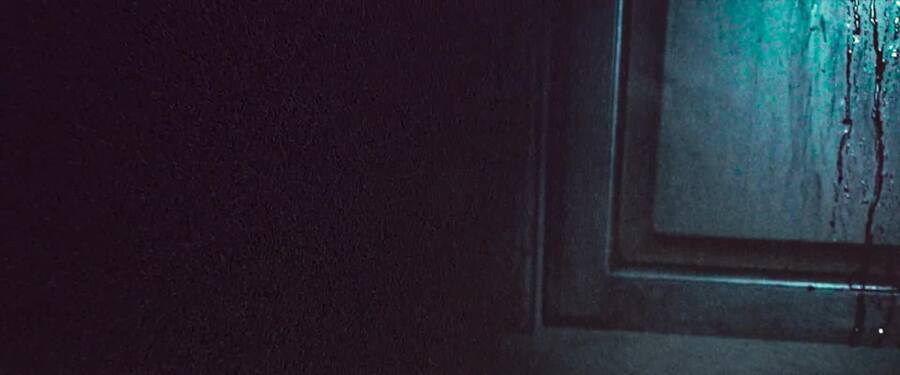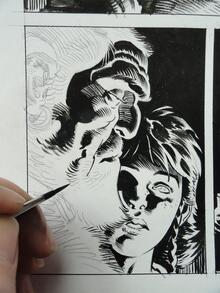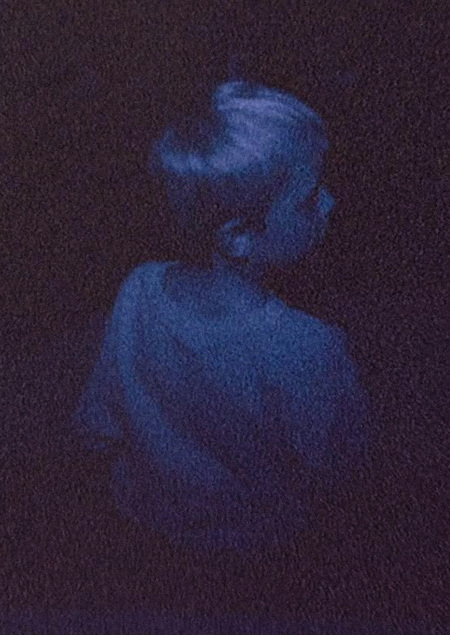

Concept
This visual study is dedicated to analyzing the visual narrative of the film Skinamarink (2022). The plot is extremely simple: two children wake up in the middle of the night and discover their parents are gone, and then the doors and windows vanish from the house, while someone’s voice begins to echo in the darkness. Since there are few events in the film, almost everything the viewer learns about what is happening is derived not from dialogue or action, but from how it is presented.Within the scope of this work, the visual narrative refers to the totality of expressive means—composition, mise-en-scène, color, light, texture, and the array of objects—that convey meaning and manage the viewer’s emotions while remaining subconsciously perceptible. The object of the study is how the fictional space created on screen—in this case, a very ordinary house—is transformed into a carrier of fear, and the subject is the techniques used to achieve this. This approach aligns with the concept of «speaking» design in cinema, where every element of the frame, from a room’s corner to the image grain, participates in telling the story.The analysis proceeds sequentially: from composition and mise-en-scène to light, texture, the array of objects, and the text in the frame. The effect these techniques produce collectively—the presentation of the familiar as unfamiliar—is examined separately. To describe this, the concept of defamiliarization, introduced by Viktor Shklovsky in the article «Art as a Device,» is employed; however, it serves merely as one analytical tool alongside the observation of light, composition, and image texture.
The research hypothesis is that the sense of dread in «Skinamarink» is not generated by a novel visual language, but rather by a limited set of techniques—each of which is individually quite familiar: low camera angles, dark frames, film grain, children’s toys, an old television set. What is unusual is the manner in which these techniques are applied: they are driven to the extreme, systematically depriving the viewer of familiar anchors—faces, doors, clear imagery—forcing them to construct the visuals themselves. It is also posited that the overall effect of this subtraction—the feeling that something familiar has become alien—can be described using the concept of estrangement.
This hypothesis is based on the director’s own observations: according to him, the most common nightmare recounted by his YouTube viewers repeated almost identically—a child between the ages of six and ten, their own house, dead or missing parents who cannot help, and a nearby threat that must be dealt with alone. Consequently, the film’s subject matter is familiar to the viewer on a visceral level, and the work focuses not on narrative novelty but on formal innovation. The study investigates whether the limitation of resources truly amplifies the effect or whether the techniques become exhausted quite quickly.
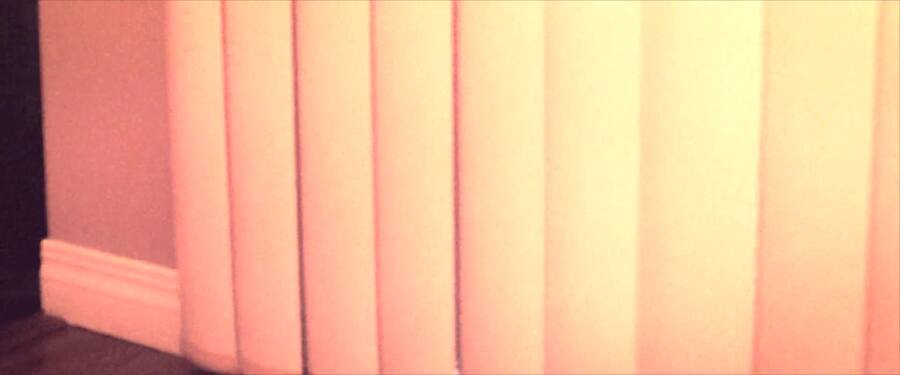
It is noteworthy that the director himself describes his method as working according to pre-established rules: even before writing the script, he set several inviolable conditions for himself—no showing faces, no lingering on people on screen, providing dialogue only off-camera, never leaving the confines of the house, keeping the curtains drawn, and foregoing music—and, he states, he found freedom precisely within those boundaries. Thus, the limited set of techniques in «Skinamarink» is not merely a consequence of a small budget, but a consciously constructed system.
«Ceiling Instead of Face»: Composition and Perspective
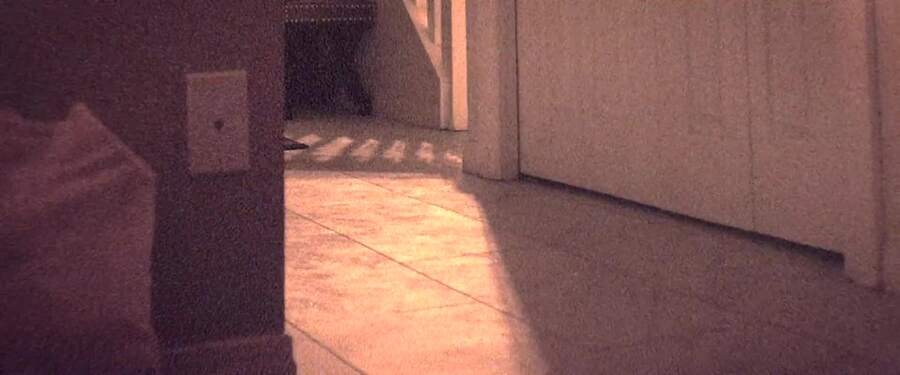
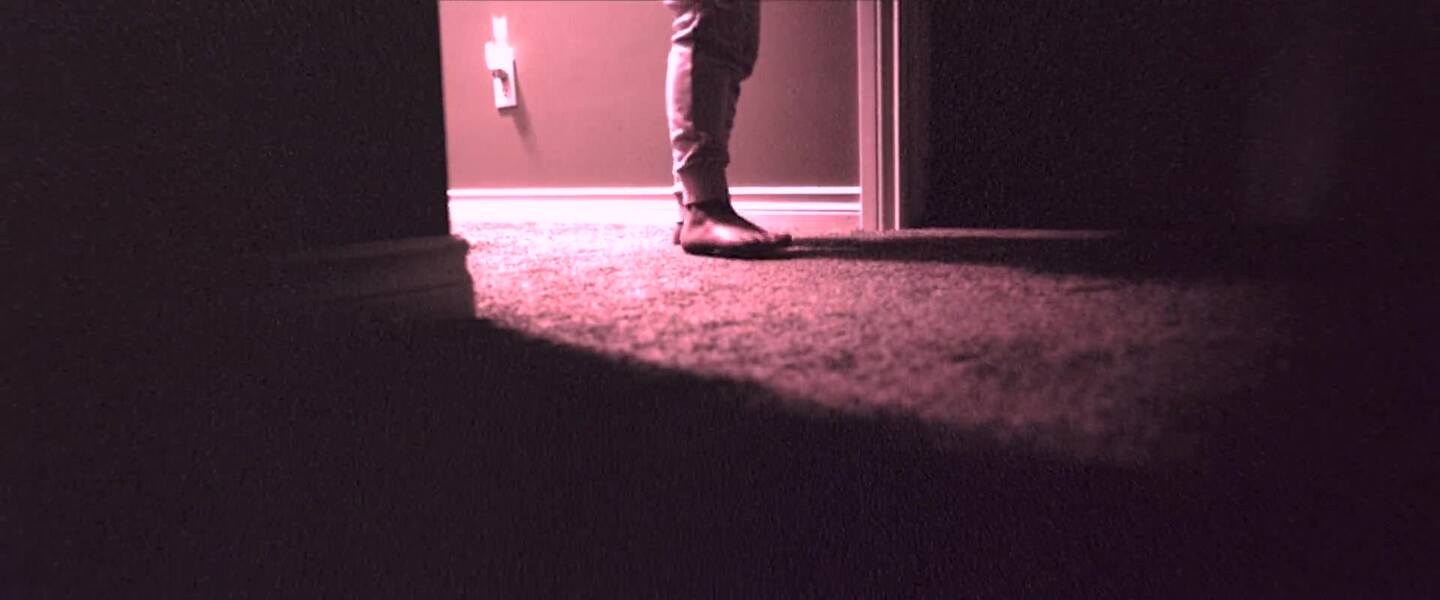
The composition is built on shifting the conventional focus: instead of the characters' faces, the frame features the ceiling, a corner of the room, a doorway, or the children’s feet. According to the director, «nearly every shot was consciously filmed at the height of a child, ” a rule he reminds us originates with Spielberg and Ozu. However, as Boll admits, in the ceiling-shot episodes, the viewer has the right to question whether they are seeing through a child’s eyes or simply looking at a room—and this duality itself becomes a source of anxiety.

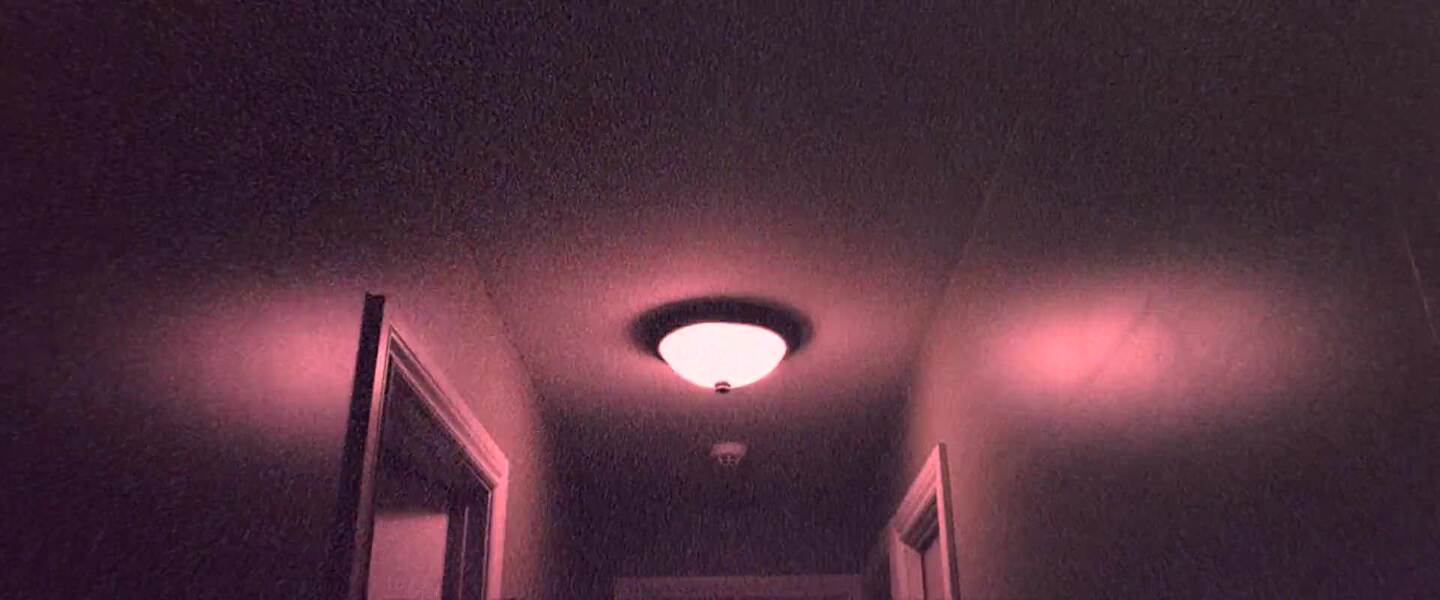
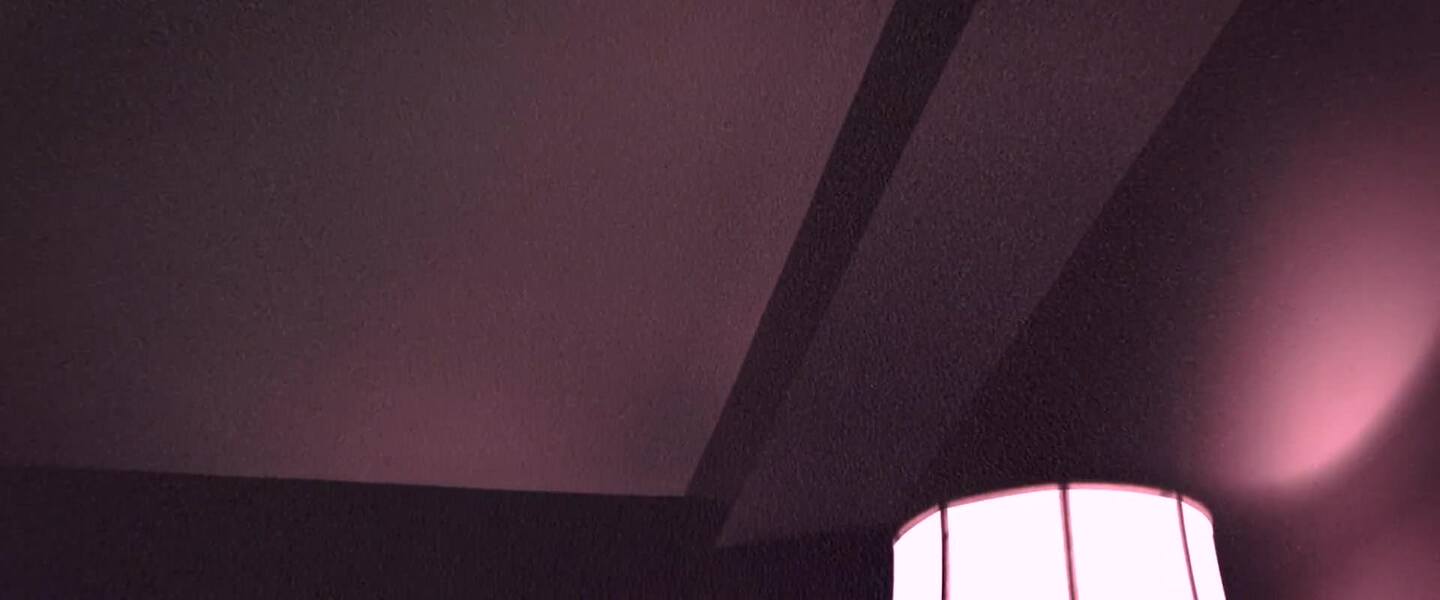
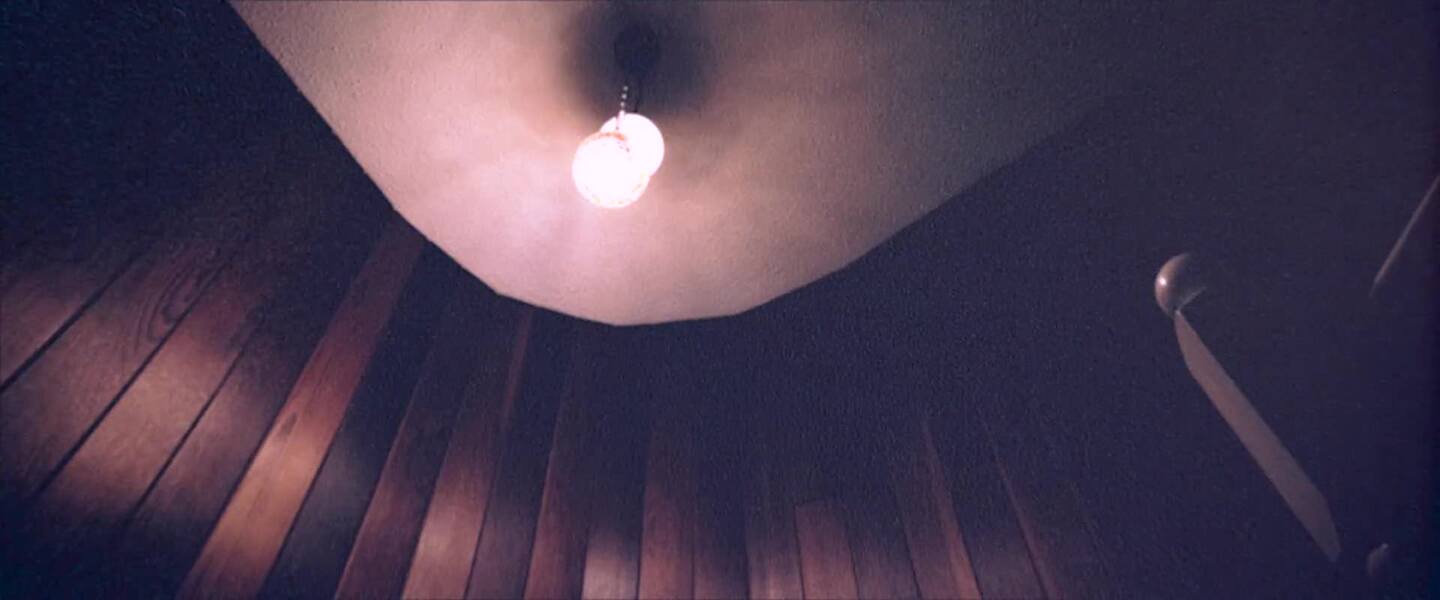
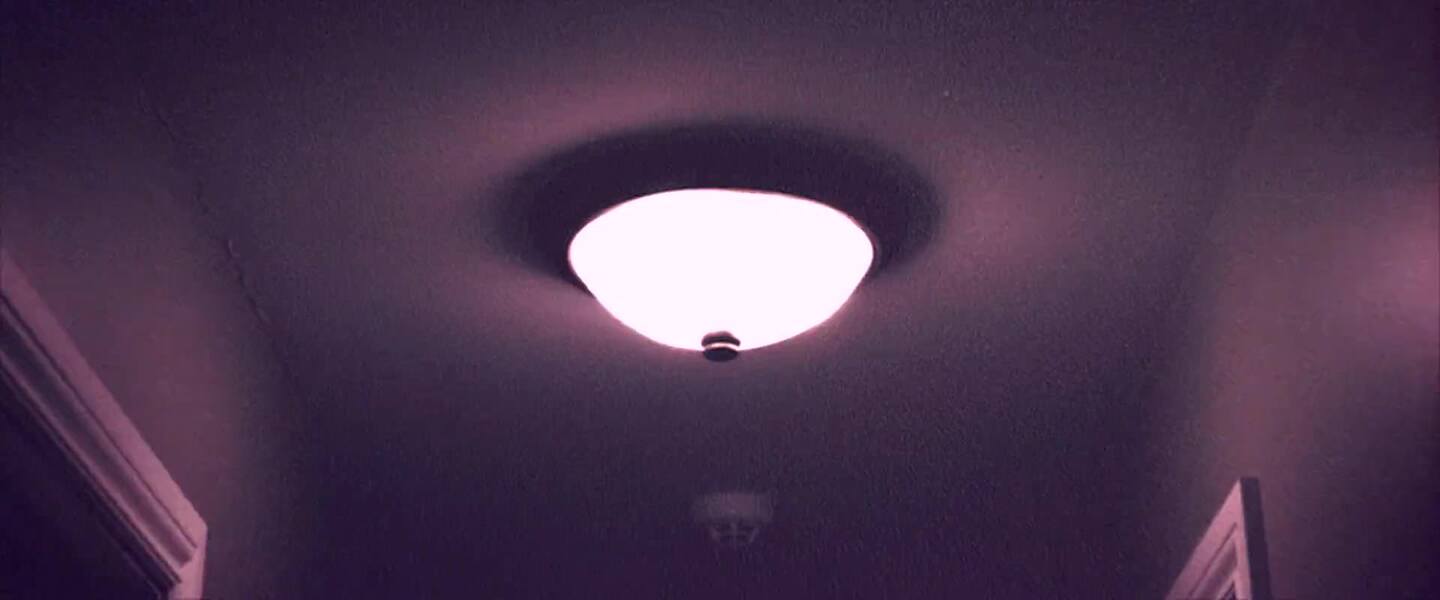
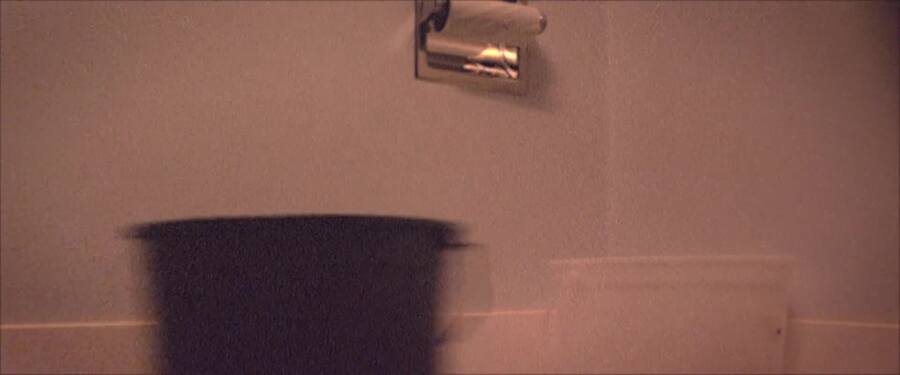
The absence of characters was built into the script from the outset and was explained by practical reasons—saving time during filming, the convenience of working with child actors, and the ability to change lines during voiceover. Nevertheless, within the confines of the visual narrative, this practical decision acquires a deeper meaning: the character transforms into a fragment, and the space becomes the main protagonist. The static camera and wide-screen framing make the film, as critic Daniel Gorman described it, almost a series of photographs, and the episodes where objects were suspended from the ceiling—and the director was subsequently removed from the frame through retouching—create a sense of inverted rooms.Thus, the composition serves two functions simultaneously: it conceals what is conventionally shown and compels the viewer to look where they would not usually look.

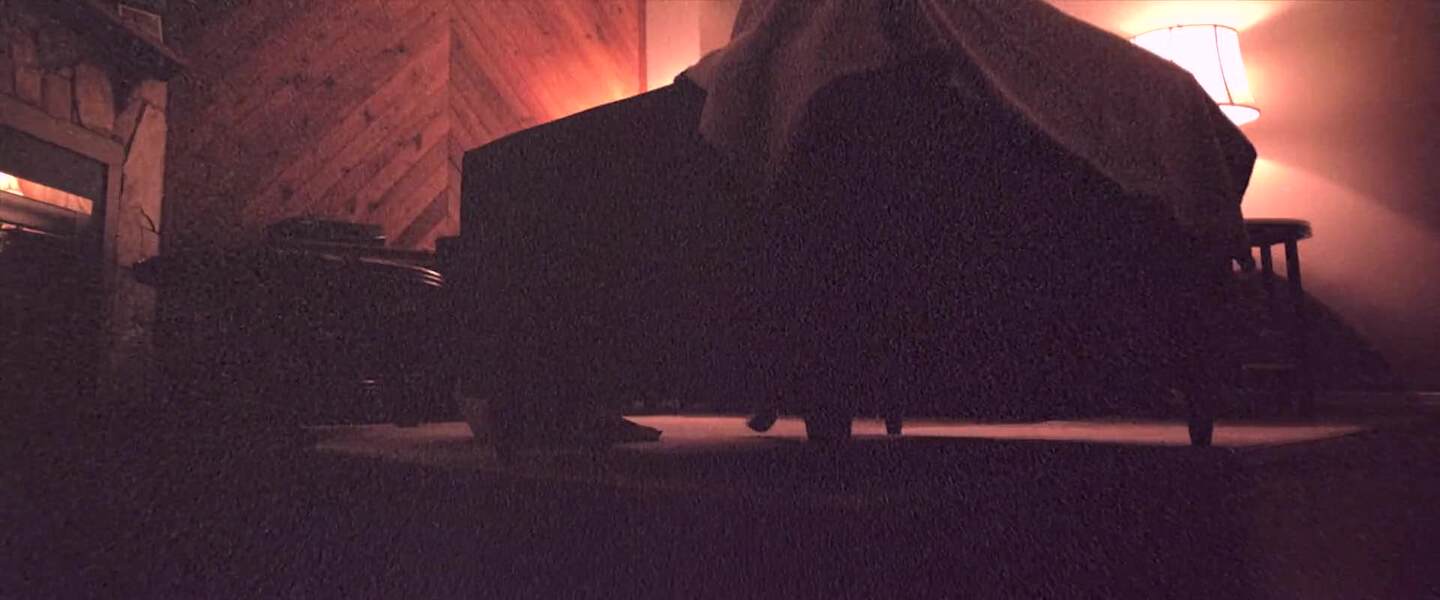

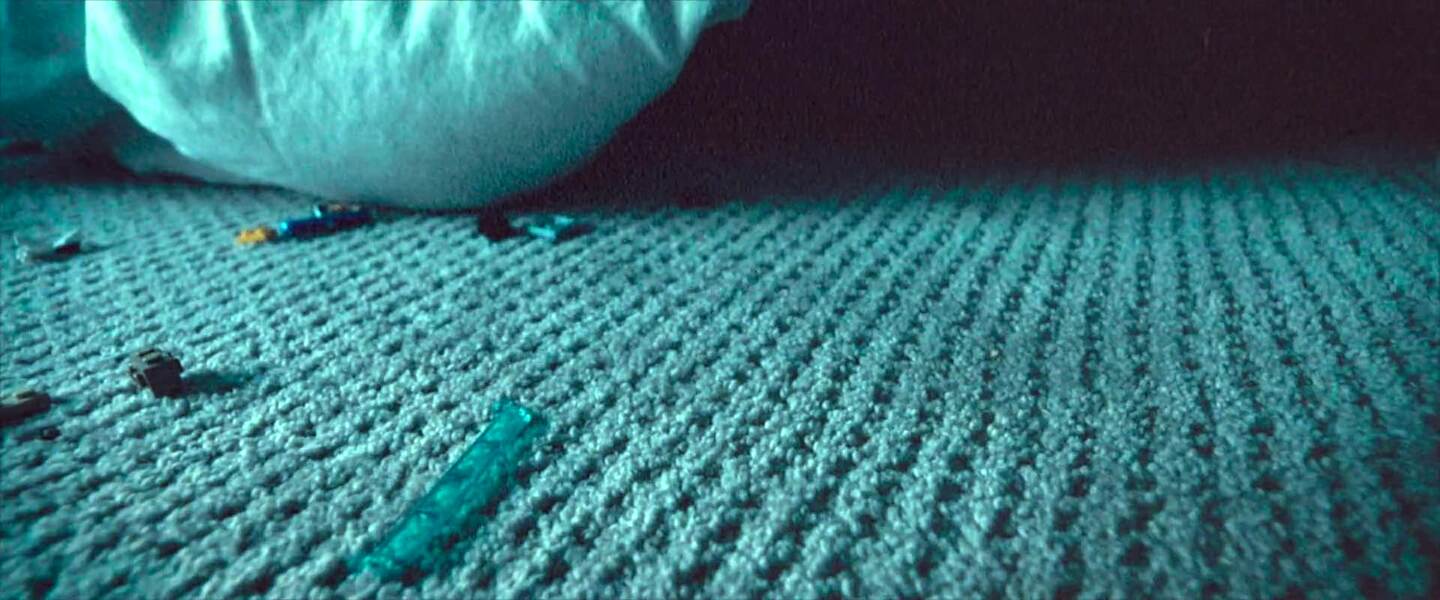
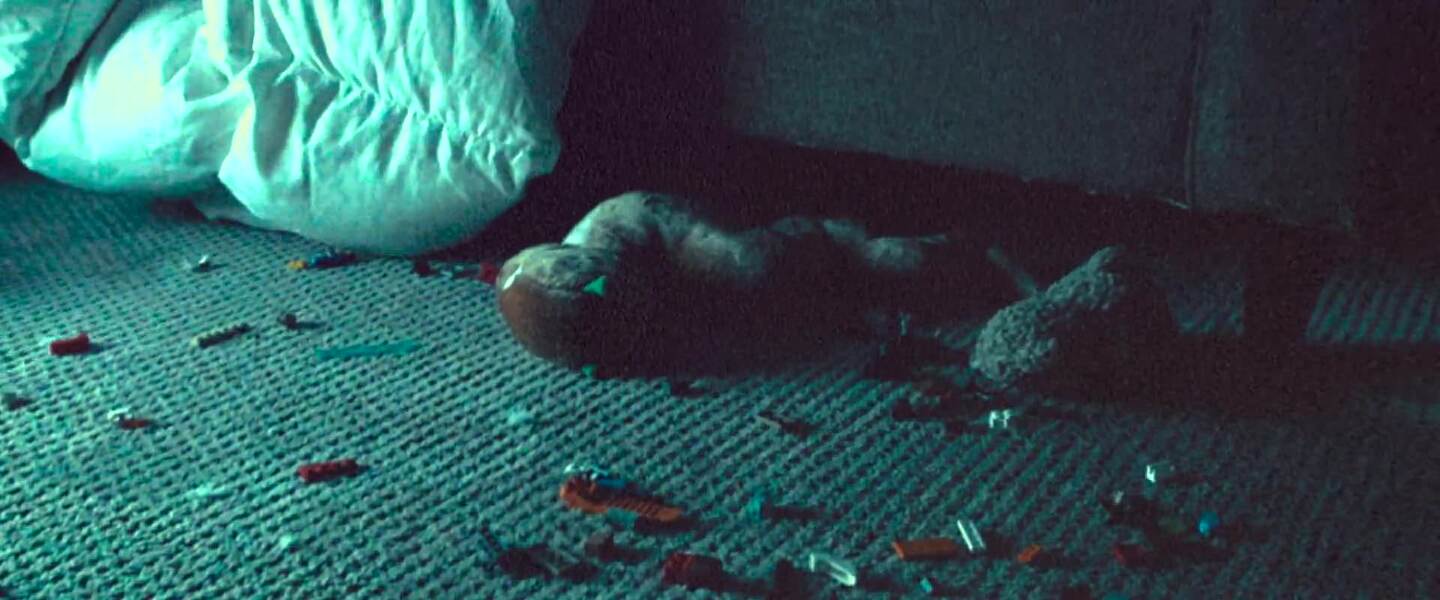
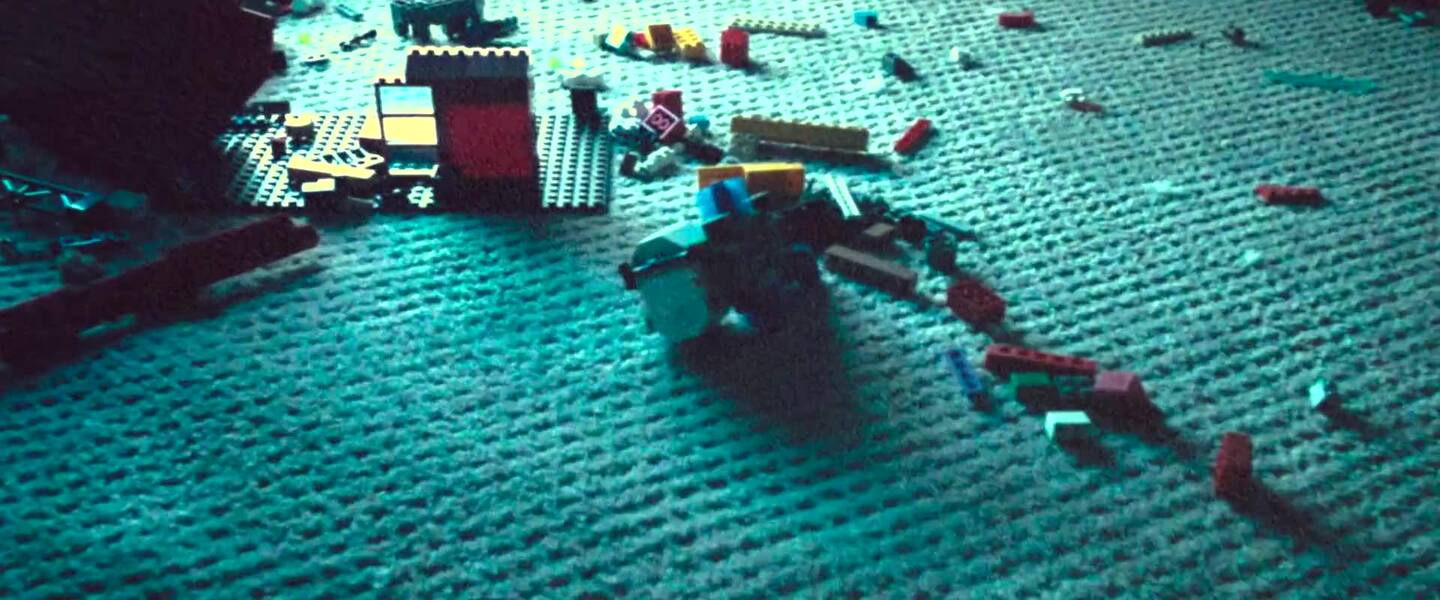
«The House with No Exit»: Mise-en-scène and Space
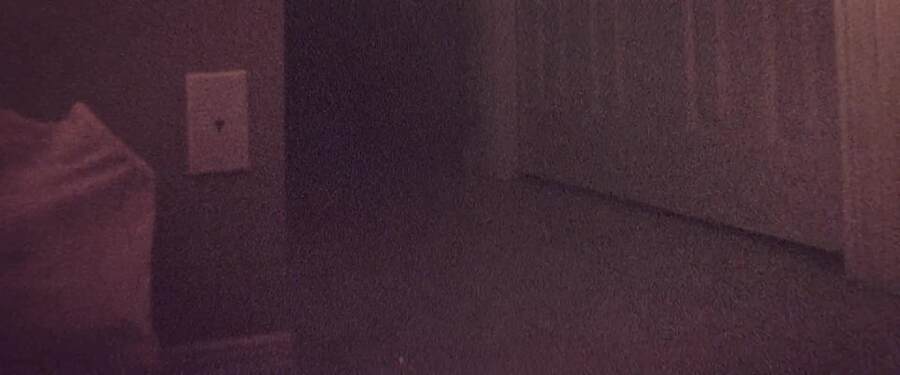
The film’s mise-en-scène is built not on the movement of characters within the frame, but on the alteration of the space itself: the main event becomes the disappearance of doors and windows, which are replaced by an empty surface using digital filling tools that account for the content. This technique can be called subtraction: the viewer manages to remember the normal house, and therefore, the absence of a door is more noticeable than any introduced object.

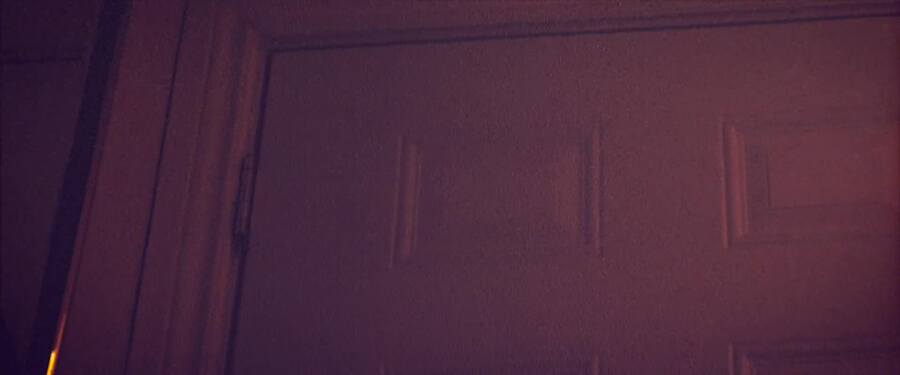

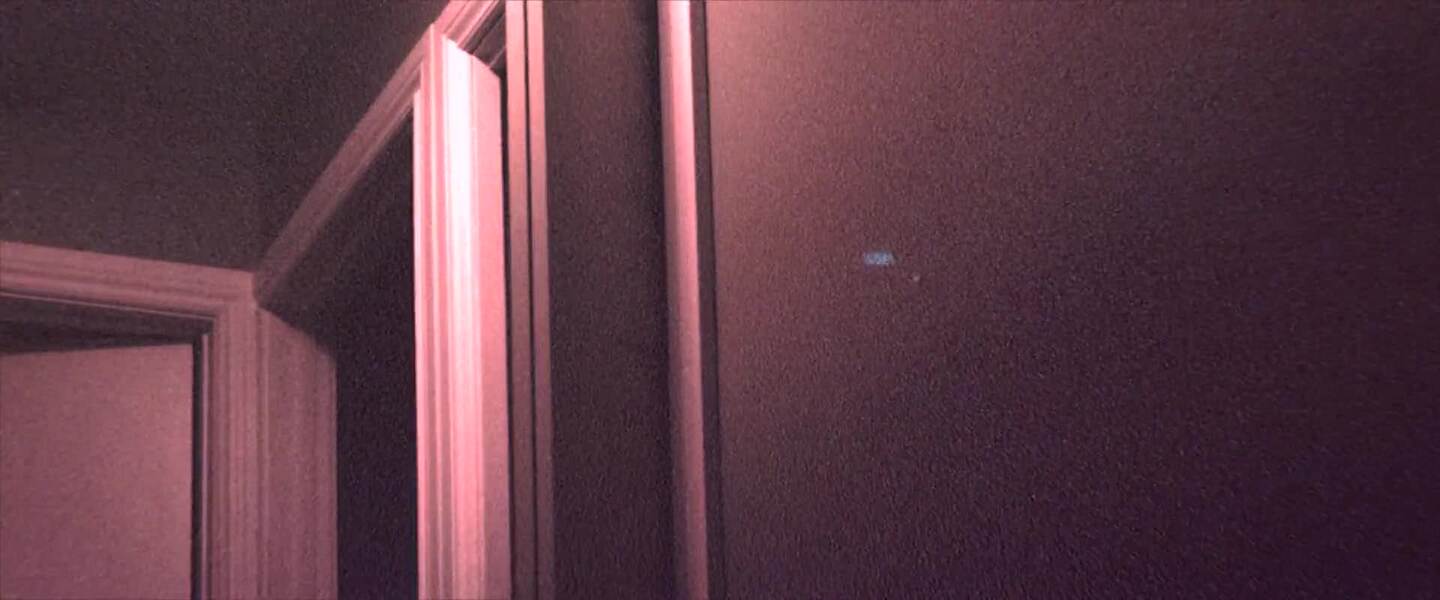
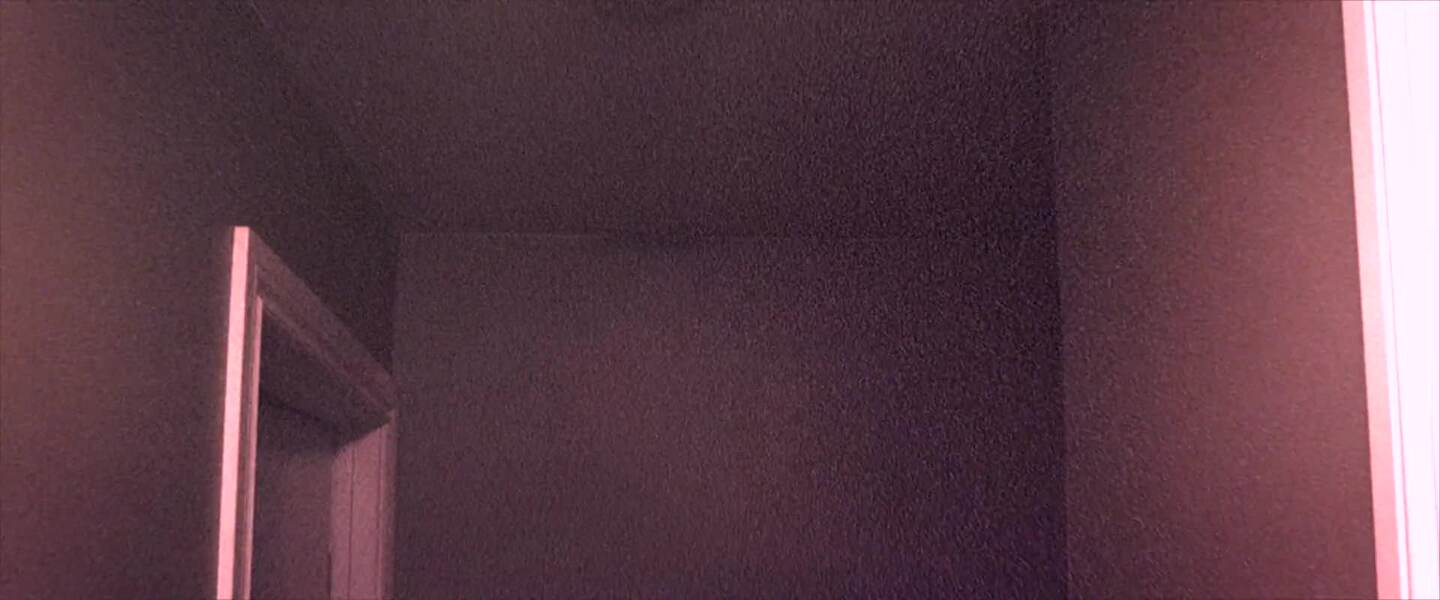
The principle of subtraction was also applied during the site preparation phase. Ball explains that many overly modern items had to be removed from the parents' home—and the more that was removed, the better the image worked. The kitchen, which could not realistically be made to look like the nineties, was either bypassed with the camera or kept in shadow. The staircase, the carpet, and remnants of wooden paneling, in contrast, were used as ready-made signifiers of the era. As a result, the house ceases to be a set piece in the conventional sense and instead becomes a collection of retained and excised details—that is, a space organized through selection. All recognizable signifiers have been eliminated from the frame—picture frames, family portraits, faces—allowing the viewer to find it difficult to distinguish the child’s nightmare from their own memory.
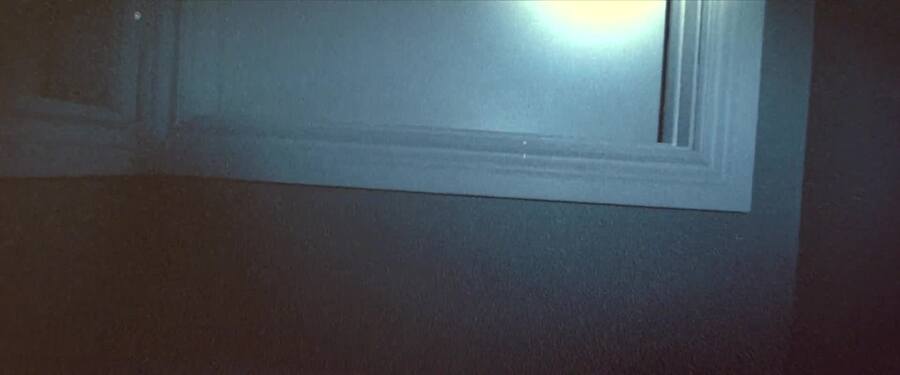
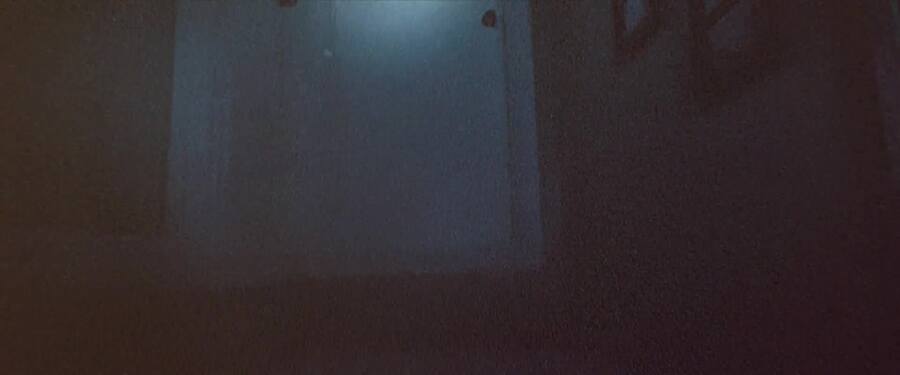
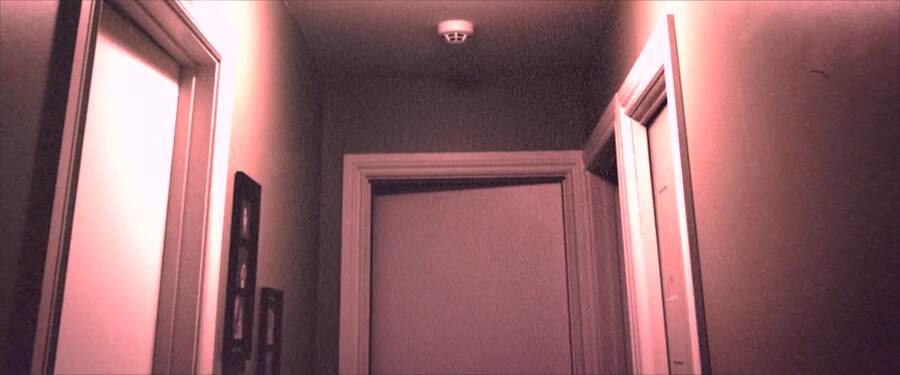
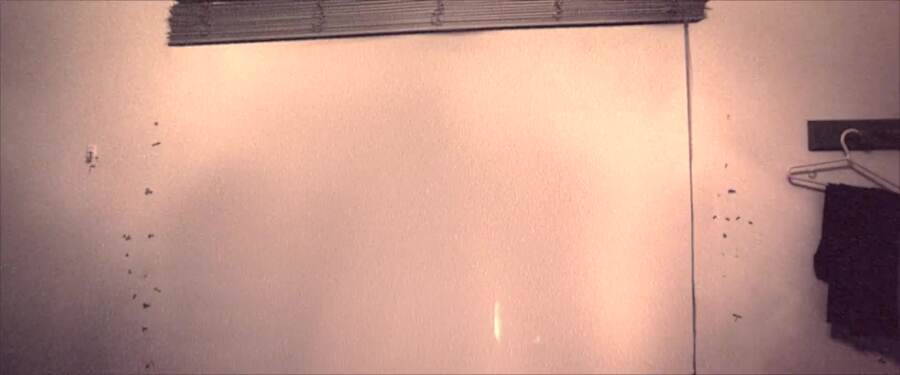

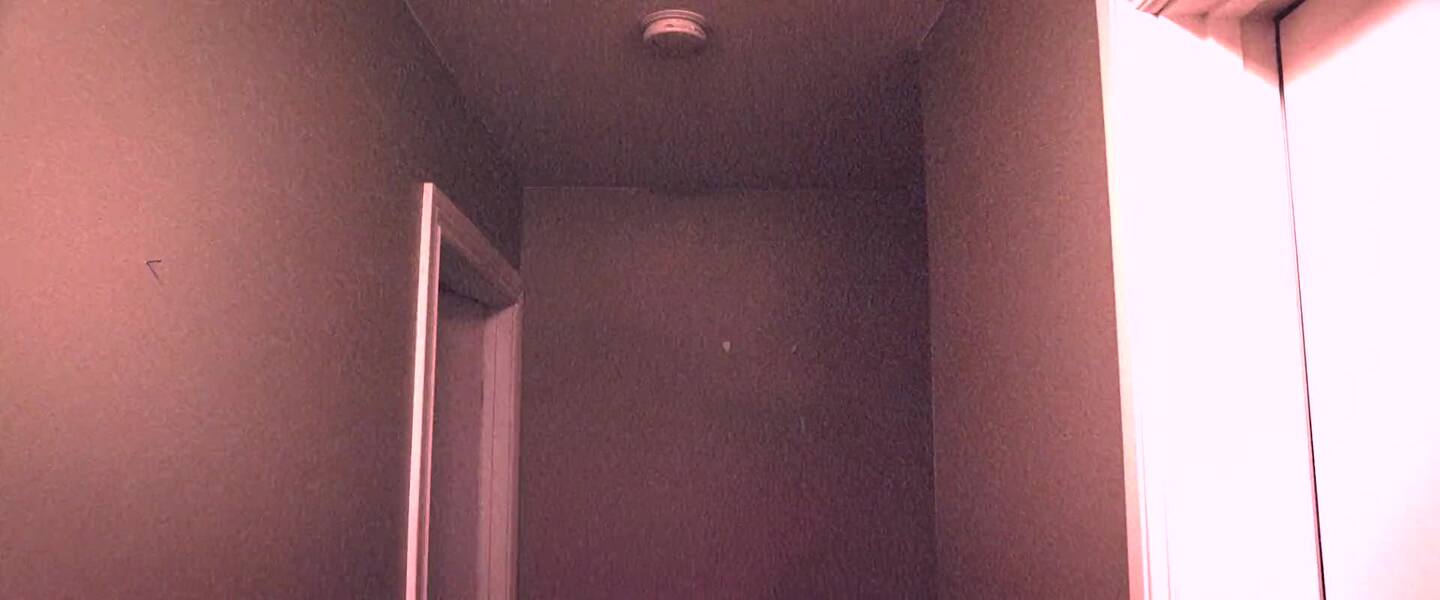
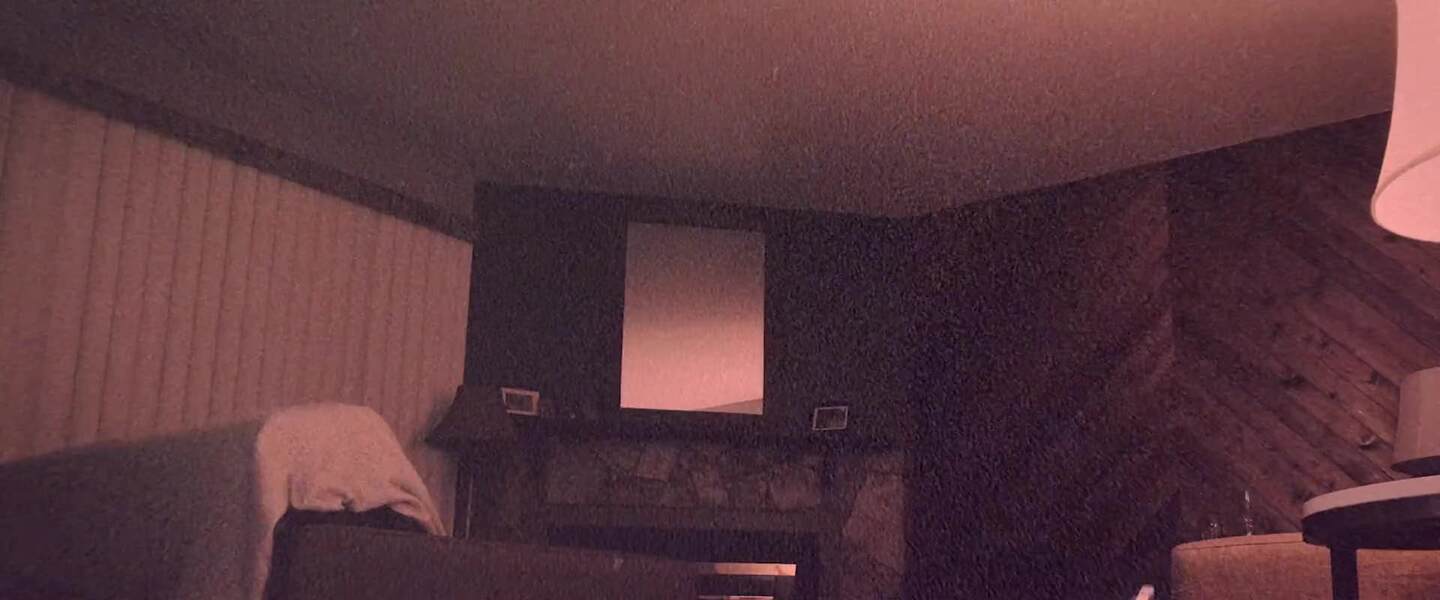
The space does not resolve into a cohesive map: the camera captures steps, thresholds, fragments of walls and ceiling, while landmarks like openings and hallways replace conventional domestic geography. As mentioned above, the character and the space switch roles—the house becomes the active subject that never reveals itself entirely.