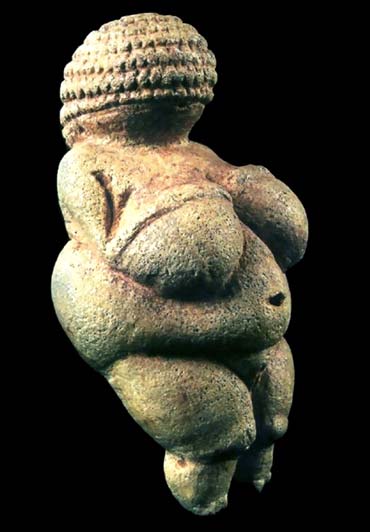
From the very dawn of art, the image of the woman was celebrated as a source of life. Even in the Paleolithic era, «Venus figurines» were created, the most famous of which is the Venus of Willendorf. In ancient art, the depiction of women underwent certain changes. To the celebration of life and motherhood, ideals of beauty and femininity were added. Women began to be represented through mythological figures. In modern art, the focus shifted. Artists began to pay attention not only to the physical body of women but also to their inner world, experiences, and emotions. In the «image of women» in art, the women themselves, rather than just their bodies, moved to the foreground. They became independent subjects telling their own stories.
Long before Ancient Greece and Ancient Rome, the female body was celebrated as a source of life. One can recall the so-called «Venus figurines» created during the Paleolithic era. The pinnacle of this, of course, is the Venus of Willendorf statue.
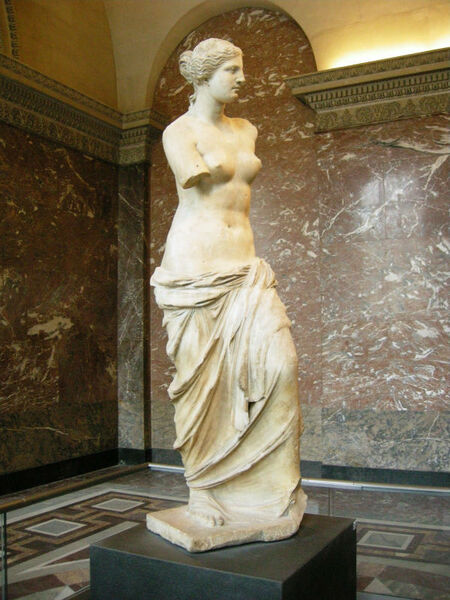
The primary research question of this study will be the evolution of women’s perception and representation in art, from antiquity to the present day. Examining the works of that era, one can observe that women were depicted through the lens of idealized femininity and the female body. Today, however, the image of women has become more individualistic and multifaceted. More attention is paid to each specific young woman, rather than to a single, universal ideal established by societal expectations. On the contrary, contemporary art strives to promote the idea that all women are unique and that each deserves to share her own story and be heard.
The feminine figure is one of the most enduring and significant forms in art. Over several centuries, artists have used female bodies to convey their own perceptions of beauty, the ideal, and human nature. Often, through these female figures, not only the opinion of a specific artist but also that of society was transmitted. Such works frequently became a reflection of social norms, cultural attitudes, and conceptions of the role of women. In contemporary female figures in art, we can observe reflections of pressing issues pertinent to all young women. Public opinion no longer holds such sway over the portrayal of women in modern art.
Regardless of how you look at it, the «ideal» female archetype for a long time was a combination of the ancient pursuit of harmony, situational fashion, and, of course, the medieval adoration of the Beautiful Lady—an imaginary image that correlated almost nothing with reality.
In this study, my objective is to trace how the image of women in art has evolved, from antiquity to the present day, and to examine the specific characteristics present in the depiction of young women across these two eras. The female figure in art initially celebrated the female body as a source of life, whereas today, through artistic works, we tell the story of a specific young woman, focusing on her thoughts, experiences, and emotions rather than her physical form.
Chapter 1. The Image of Women in Ancient Art
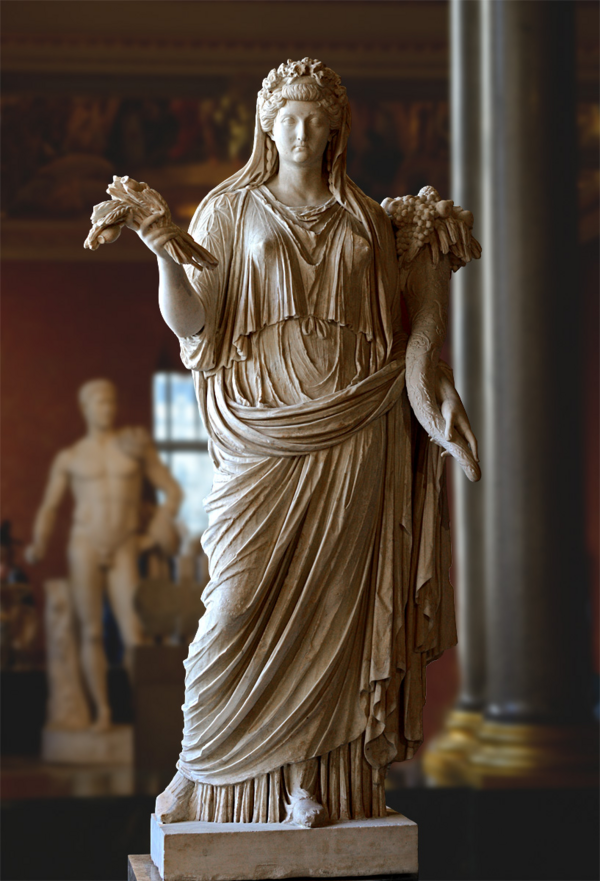
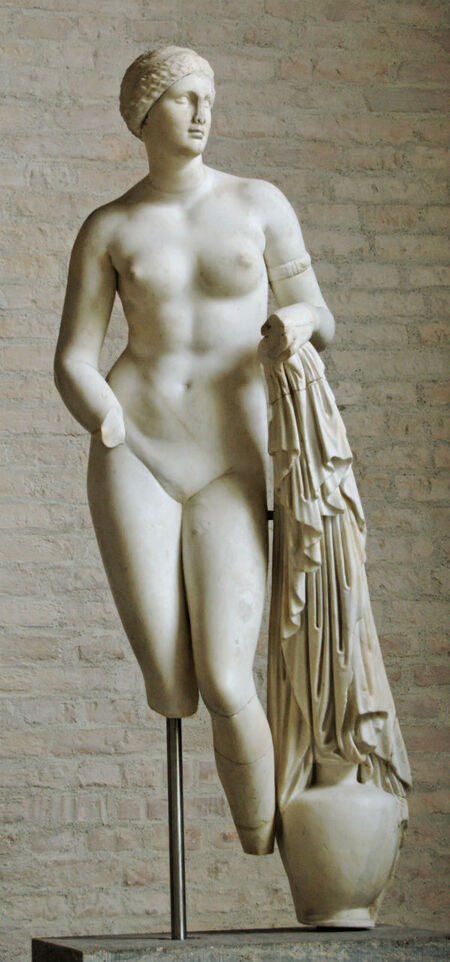
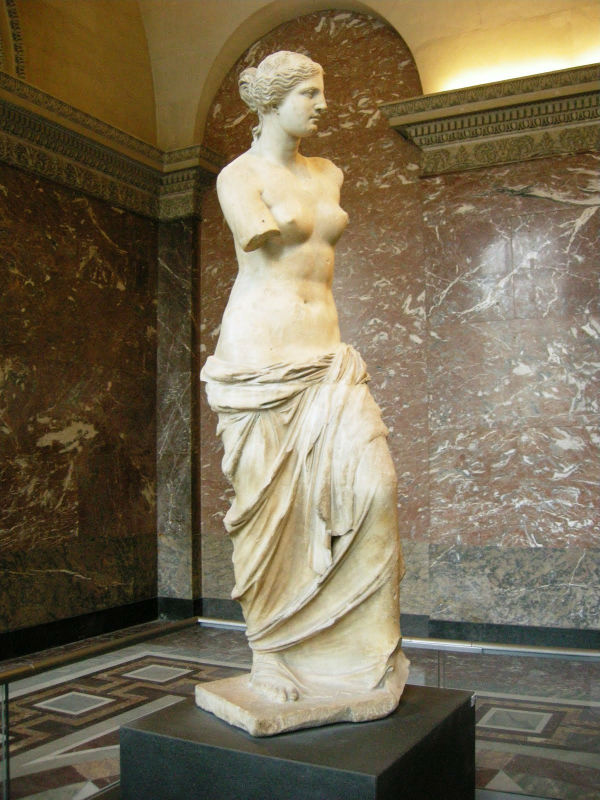
Statue of Demeter and Sculpture of Aphrodite by Braski
In ancient art, the female figure played a monumental role. Creators frequently depicted Goddesses in their works—personifications of love, wisdom, nature, fertility, power, and much more. Through the perfection of the female form, artists attempted to convey the ideal nature and flawlessness of the Gods.
Sculpture of Aphrodite of Knidos, created by Praxiteles
The Aphrodite of Knidos sculpture, created in the 4th century BCE, introduced something entirely new to ancient art, as the artist was the first to depict the Goddess nude.
Archaic female figure sculpture
There was another facet to female figures in ancient art—the archaic sculptures of the female form. In these works, the emphasis was not on the woman or her body, but on the ceremonial attire and overall presentation.
Korai from the Acropolis
Kora is a statue depicting the image of a young girl who embodies freedom and virtue. Their figures often also showcased beauty and social standing.
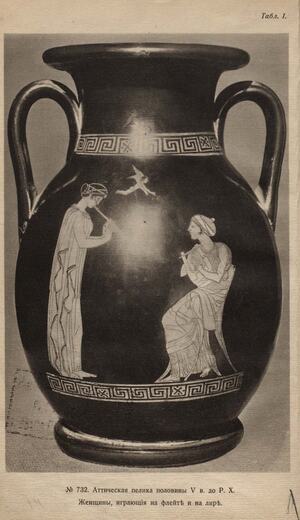
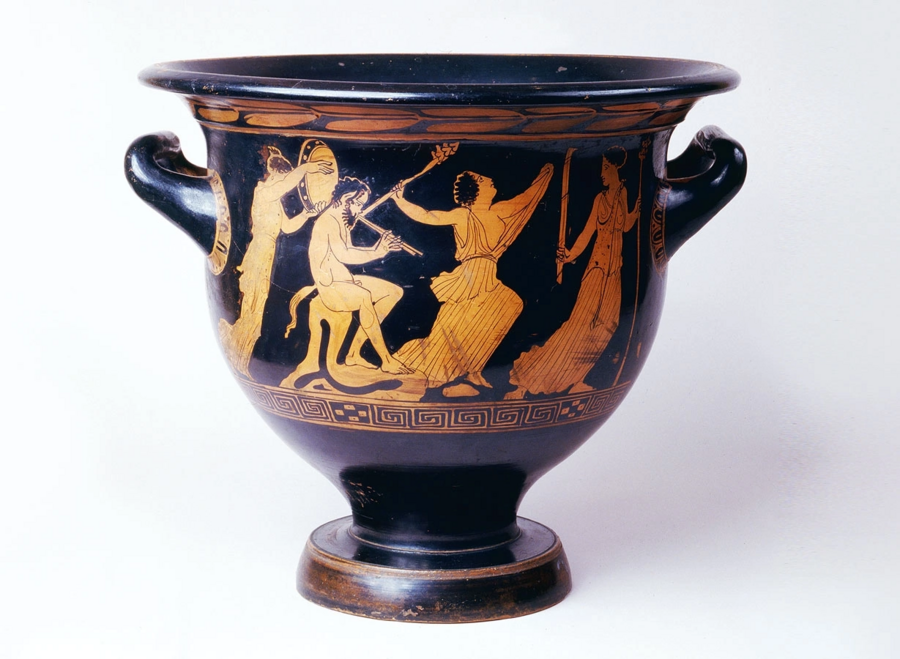
ancient vases
Ancient Greek vase painting allows us to see women not only through the lens of societal representation or the artist’s direct vision, but also within everyday life. Vases frequently depicted routine activities: housework, playing music, motherhood, and weddings.
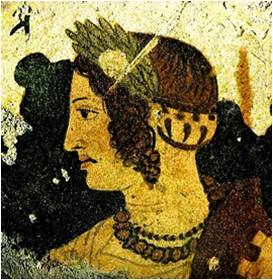
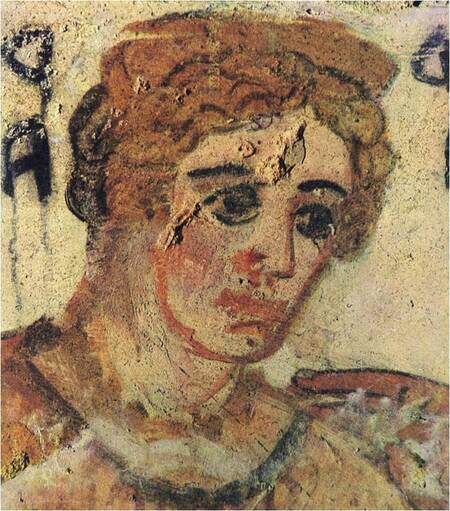
Mural painting of the Shitov tomb in Tarquinia. Fresco. c. 280 BCE, and painting of the Monstrous tomb in Tarquinia. Portrait of Velcha. Fresco. Early 4th century BCE.
In ancient Roman art, unlike Greek art, the depiction of women was more individualized. Special attention was paid to social standing and the display of personal status.
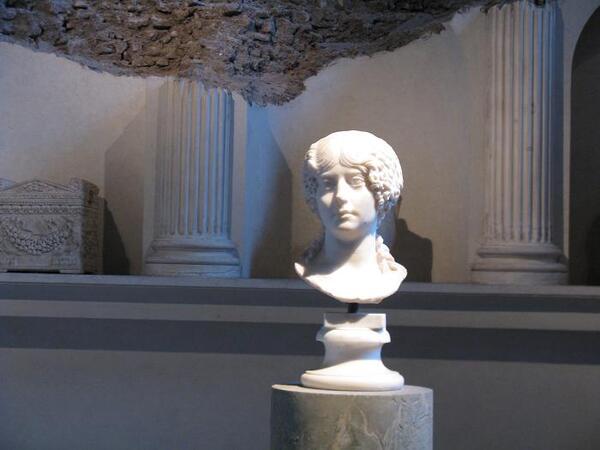
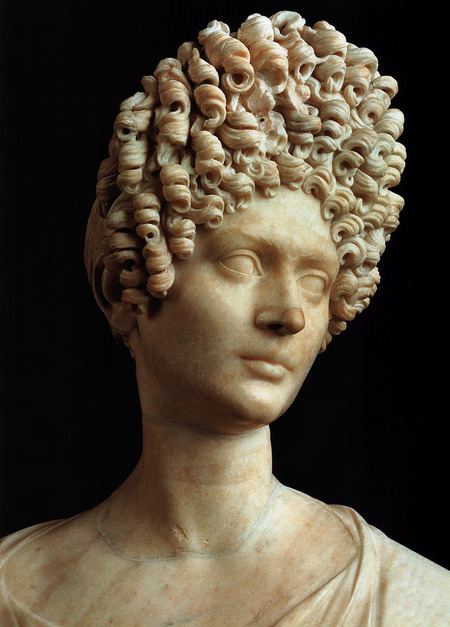
Female sculptural portraits in Ancient Rome
In Ancient Rome, when creating portraits, special attention was paid to hairstyle, facial features, and individual characteristics, unlike the generally accepted divine ideal in Ancient Greece.
Conclusion of Chapter 1
The depiction of women in ancient art is highly contradictory. She could embody beauty, fertility, and the source of life, yet simultaneously be a goddess. Art did not always reflect the reality of women’s standing in society. Ancient society established a generally accepted ideal of the female image, but this representation was not singular. It reflected daily life, although less frequently.
Chapter 2. The Image of Woman in Contemporary Art
In the 20th and 21st centuries, significant shifts occurred in the depiction of women in modern art. Artists began moving away from the divine and mythical portrayal of women toward a more realistic image connected to everyday life. Art started to focus more on the woman’s inner world rather than her physical body.
Historically, the female body has been an object of admiration—from ancient sculptures to Renaissance madonnas. But contemporary art has moved beyond a singular template.


Feminine portraits by Sergei Banityuk and Vadim Gusmanov
In contemporary art, female figures have begun to embody a greater sense of freedom. Women are now depicted more openly and with greater diversity.
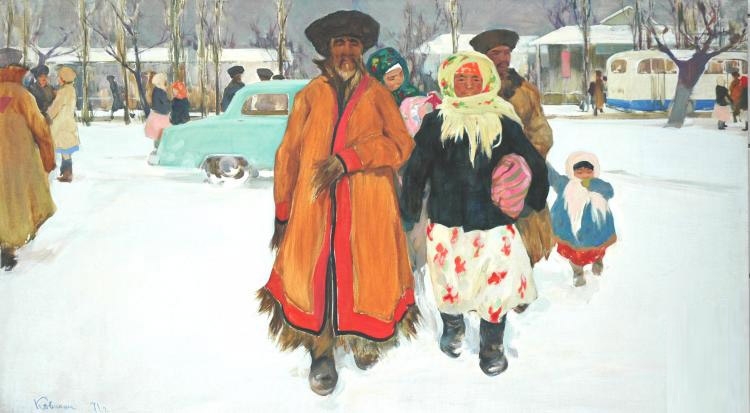
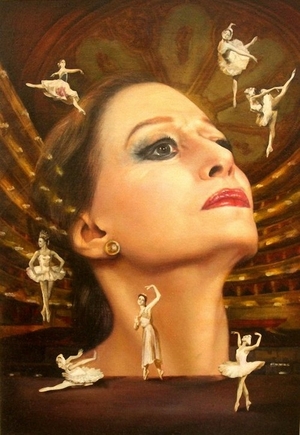
Valery Korovin, «On the Sunday Market. Karakalpakia, ” and Nikolai Safronov, „Maya Plisetskaya. Ballet is Life“
The focus began to shift toward the interests of women and the realities of life for women. Artists started depicting notable figures, emphasizing not their «idealness,» but their diligent labor and personal journeys.