1. CONCEPT
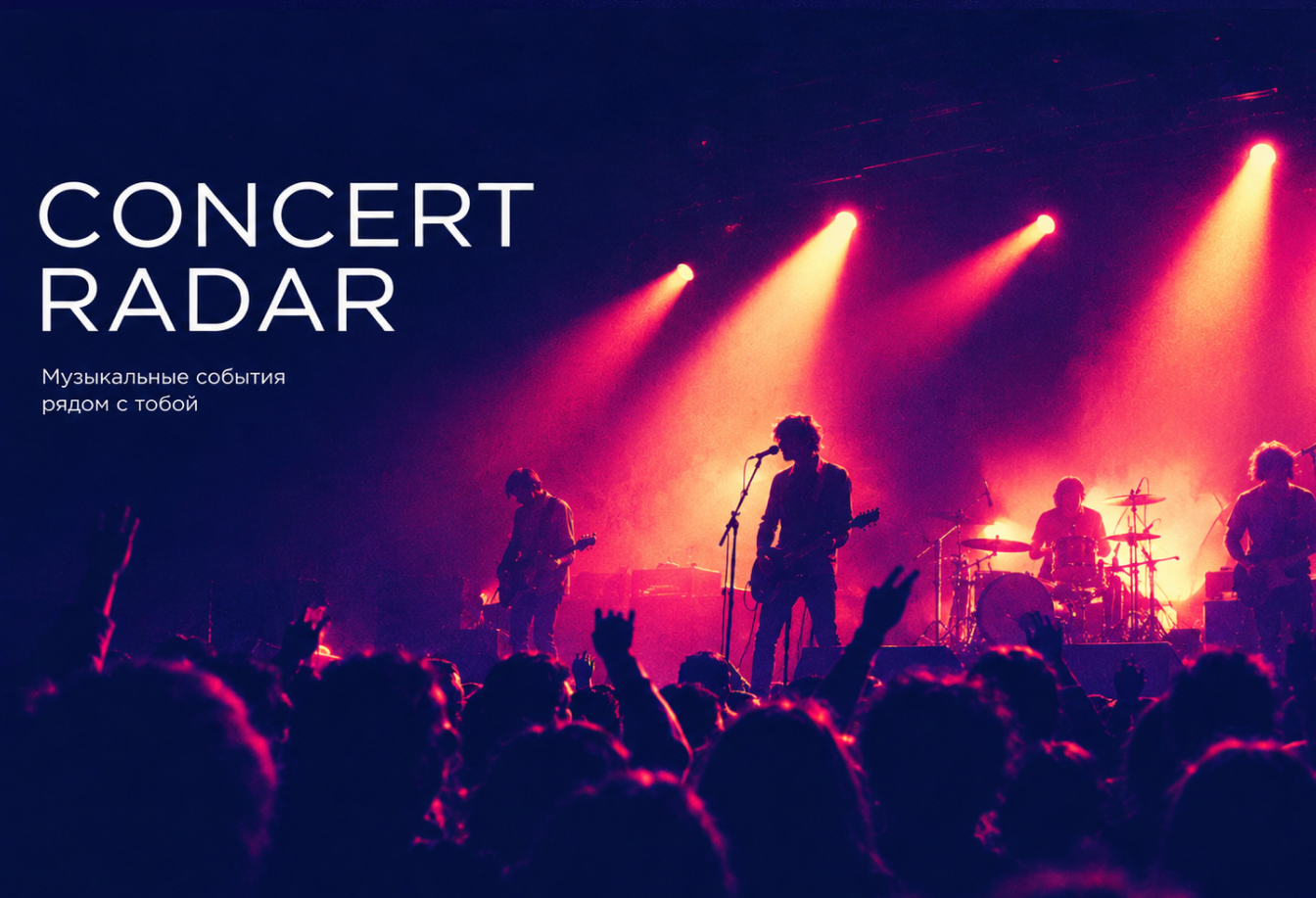
CONCERT RADAR — a music media platform for discovering concerts and music events for residents across various cities.
Today, concert information is scattered across ticketing services, artists' social media, club websites, and city listings. To choose a suitable event, the listener must independently gather information from various sources. CONCERT RADAR combines convenient event navigation with editorial curation. Our media doesn’t just report where and when a concert will happen—it explains why you should pay attention to it.
The main idea of the project is to help everyone find a concert that matches their musical interests, mood, and location.
2. SEMESTER THEMATIC PLAN
November — «Tune Your Radar»
The main goal for the month is to introduce the audience to CONCERT RADAR and demonstrate how this media differs from a standard concert listing. The primary focus is on finding music events that match individual preferences, familiarizing users with various editorial features, and sparking interest in live music.
The content discusses how to navigate concert listings, select venues, and discover performances outside one’s usual musical circle. Through polls and interactive posts, the editorial team learns which genres the audience listens to, which artists they want to see, and what concert formats interest them.
Key feature: «How to find a concert that matches your mood?»
December — «Music as a Gift»
December is dedicated to concerts as a way to gain new experiences and spend time with loved ones. The media proposes an alternative to typical gifts and illustrates how a musical event can become part of a personal story.
The posts explore different scenarios: how to choose a concert for a friend with unknown musical tastes, where to go for fans of various genres, and how to plan a musical evening. The theme is supplemented by selections of holiday performances, editorial recommendations, and reflections on musical discoveries.
Special attention is given to the emotional aspect of concerts: the atmosphere of the venue, the anticipation of a performance, and the memories that linger after the final note.
January — «Discover a New Sound»
The start of the year provides a perfect opportunity to venture beyond familiar musical tastes. The main idea for the month is to show that exploring a new genre or artist does not require specialized knowledge—it can begin with simple curiosity.
CONCERT RADAR publishes music guides for beginners, introduces artists from diverse fields, and offers short playlists to prepare for concerts. Readers will learn the differences between musical genres, how to choose artists for a first experience, and what to look for while listening.
A vital part of the content includes recommendations for lesser-known artists whose performances could lead to a surprising discovery. Instead of creating «best-of» rankings, the media offers personalized routes for musical exploration.
February — «Music Connects Us»
The focus this month is on the social aspect of musical events. A concert is not just a performance by a favorite artist; it’s also an opportunity to spend time with friends, meet like-minded peers, or gain new experiences independently.
This month’s features help readers navigate how to choose an event for a group with diverse musical tastes, feel comfortable in unfamiliar venues, and prepare for their first club visit. Through interviews with organizers and staff at concert venues, the media also reveals how the atmosphere of a music night is created.
The content blends practical advice, listener stories, and interactive pieces about concert habits. The core message is that you don’t need to be an expert or wait for the perfect crowd to experience live music.
March — «The City Sings»
March is dedicated to the city’s musical culture and the spaces where that culture thrives. CONCERT RADAR looks beyond large concert halls, focusing instead on independent venues, local artists, and smaller events.
The audience learns about the history of concert spaces, the unique characteristics of different stages, and the artists who shape the musical landscape. The visual component includes photo essays, short videos from the venues, and features on how music alters the atmosphere of urban spaces.
A special segment is dedicated to musical routes—tours connecting several locations or events under a common theme. These help viewers see the concert scene as an integral part of urban culture and discover new places through music.
April — «Preparing for the Summer of Music»
April introduces the topic of the festival season, helping the audience plan their musical summer in advance. The media covers festival formats, the specifics of open-air performances, and tips for selecting events based on musical preferences.
The content is built around thematic collections, guides to festival lineups, and recommendations for artists worth listening to beforehand. Practical articles focus on event preparation, choosing appropriate attire, hearing protection, and time management between performances.
CONTENT FORMATS
Text Posts/Publications: relevant music events and editorial recommendations.
Articles and Long Reads: in-depth features on artists, musical genres, concert culture, and independent venues.
Cards and Carousels: guides, music pointers, comparisons of concert formats, and themed collections.
Photo Stories: photographs of concert venues, artists, spatial details, and narratives about the music scene in various cities.
Short Videos: pre-concert tips, venue introductions, visual guides, and reportage snippets.
Interactive Posts: polls, audience Q&As, recommendation gathering, and personalized music route creation.
Practical Guides: advice on selecting concerts, preparing for performances, and attending festivals.
3. CONTENT SAMPLES
Example 1. «Tune Your Radar»
Type: Image/Branding Introduction Post.Objective: To introduce the media, explain its concept, and engage prospective readers.This publication introduces the audience to CONCERT RADAR—a music media platform designed to help people find concerts, discover new artists, and navigate the city’s music scene. The post explains the project’s core idea: music becomes more accessible when you know where to look for interesting events and performers.The post details the content the media will publish: concert roundups, artist recommendations, venue reviews, music guides, and listener stories. Finally, readers are encouraged to follow the project and stay updated.
Sample 2. «Weekend Radar»
Type: Card carousel.Goal: To help the audience select a music event for the upcoming weekend.This is a regular selection of relevant concerts and musical events. Each issue brings together several options for diverse interests—from small performances by independent bands to jazz nights and electronic events.Each event has its own card featuring the artist’s name, date, venue, and a brief description of the musical genre. The selection helps readers not only learn about the events but also determine which one matches their mood.Structure: a cover with dates, event cards, short descriptions, venue information, and links to the official event pages.
Sample 3. «Behind the Sound»
Type: Conversational Interview Podcast.
Objective: To invite musicians, organizers, sound engineers, and representatives from concert venues to explore the music scene from the inside.
Each episode focuses on one guest and their unique experience. The host discusses their creative journey, performance preparation, musical development, and behind-the-scenes processes that often go unnoticed by the audience.
Structure: Guest introduction, history of their journey, key professional questions, personal insights, and recommendations for listeners.
Example Episode Description: «What happens to music before it hits the stage? In this episode, we chat with a musician about early rehearsals, finding their signature sound, concert preparation, and the unexpected challenges of the creative process. We learn how song ideas are born and what helps an artist transform them into a full-fledged live performance.»
Sample 4. «Unfiltered»
Type: Artist profile.Goal: To introduce readers to the performer and prepare them for attending their concert.The article is dedicated to one musician or band. The core of the piece focuses on the unique aspects of their creative work, their sound, important releases, and the best way for a reader to begin discovering the artist.Instead of a dry biography, the publication offers the reader a musical journey. This includes several key tracks, a recommended album, and information about upcoming shows, if confirmed. The material is particularly useful before a concert—it helps the listener better understand the music they are about to experience live.Structure: A brief introduction to the artist, a description of their sound, three tracks for first listening, a key release, and performance information.Visual Style: Artist portrait, release artwork, prominent quotes, short musical notes, and listening links.
Sample 5. «Sounds Like Me»
Type: interactive post with user-generated content.Goal: to prompt readers to share music associated with a specific memory, person, place, or event.The editorial team sets a theme, and the audience responds in the comments by naming a track and briefly explaining why it is significant. The responses can then be used to compile themed playlists, publish subscriber stories, and create community playlists.Example post: «If your last summer had a soundtrack, what song would be in it? Write the title and tell us what moment it’s connected to for you. We will compile a playlist of music stories from CONCERT RADAR readers.»
Sample 6. «Before the Lights Go Out»
Type: Feature Article + Photo Essay
Objective: To capture the concert experience through the eyes of the people who create its atmosphere. The piece documents the venue’s preparations for the performance—stage construction, lighting and sound setup, the work of the organizers, and the moments just before the artist takes the stage. The article reveals the secrets of the amount of work behind a single evening of live music.
Content: Photographs of the space before the concert, short comments from the team, details of the preparations, and a final shot of the packed venue.
Sample 7. «Before the First Chord»
Format Type: Practical advice carousel post.
Goal: To help those who rarely attend concerts understand how to prepare for the event.
This post answers common questions: how to verify venue information, when it’s best to arrive, what to consider when choosing a seat, and where to find entry rules. The advice should be universal, while the specifics should align with the requirements of the particular event.
Structure: A short introduction, several tips, a checklist of things to verify in advance, and a reminder to save the post.