КОНТЕНТ-ПЛАН
блога дизайнера интерьеров
MEDIA: INTERIOR DESIGN BLOG
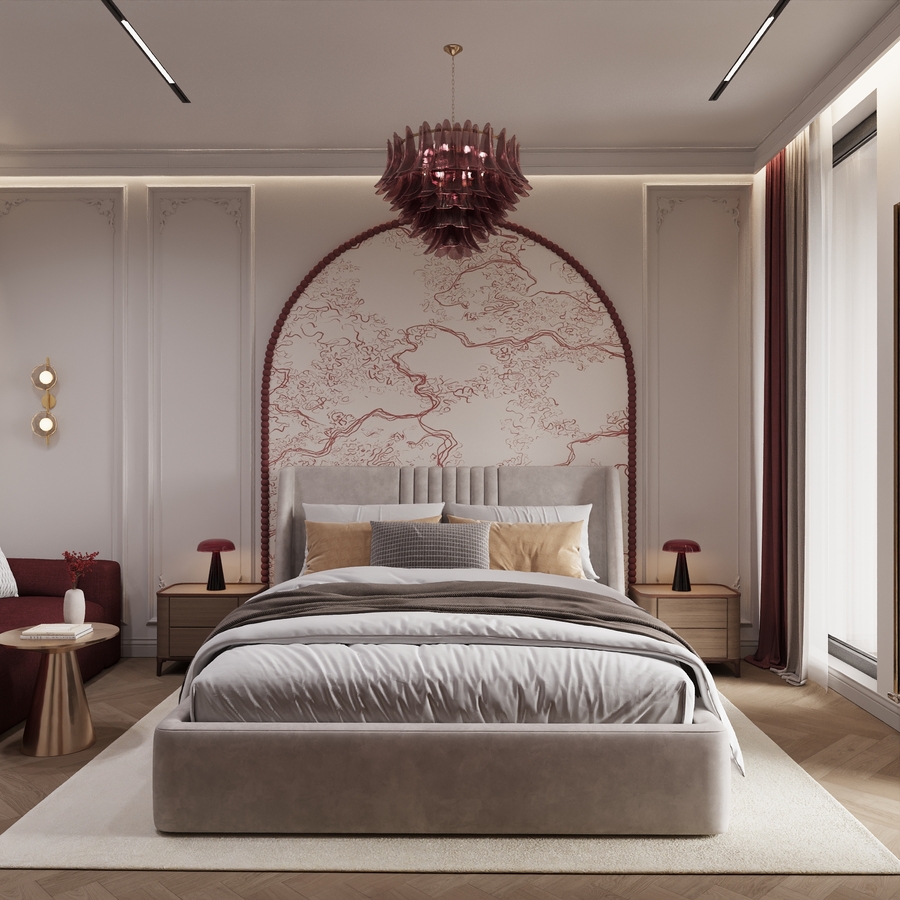
A media platform about interior design that dissects beautiful spaces into specific design techniques, materials, colors, compositions, and layout solutions, while also showcasing designer projects and broadcasting their creation processes.
The blog is written in the first person: as a practicing interior designer, I independently create content and share my professional experience and knowledge in the field of design. The main idea of the blog is not simply to showcase beautiful interiors, but to explain which decisions make them harmonious, functional, and aesthetically pleasing.Several permanent segments are planned for the channel, exploring different aspects of interior design. These include analyses of Pinterest interiors, explaining the techniques used, analyzing color palettes, materials, and composition, practical advice for home furnishing, dissecting common mistakes, and sharing stories about my own projects and the process of working on them.The blog combines visual inspiration with professional analysis: readers will not only find interesting ideas but also better understand the logic behind design decisions, learn to notice details, and apply favored techniques in their own interiors. In this way, the channel will become a platform for developing design literacy, acquiring practical knowledge, and familiarizing oneself with my approach to working as an interior designer.
Six-Month Blog Thematic Plan
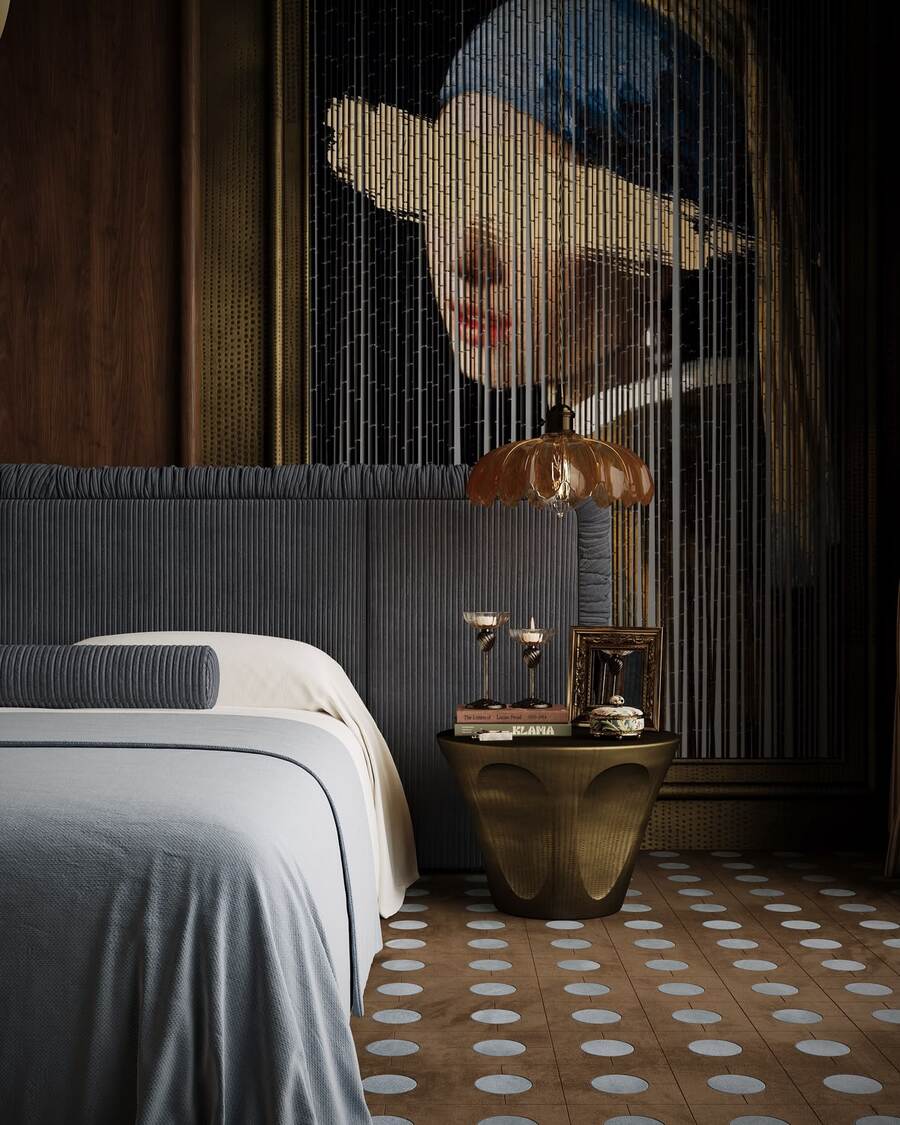
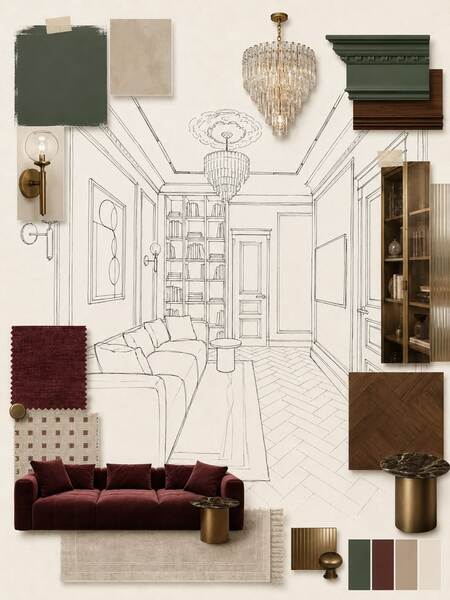
For the first two months, the main focus will be introducing the audience to the blog’s concept: regular analyses of interiors, simple design techniques, and practical advice. This will help establish a recognizable publishing style and demonstrate how the designer’s perspective differs from a typical collection of references. In the third and fourth months, the theme is planned to expand to include more detailed analyses of layouts, materials, lighting, and common mistakes. Concurrently, there will be posts about my own projects and the work process, allowing the audience to get acquainted with my professional approach.
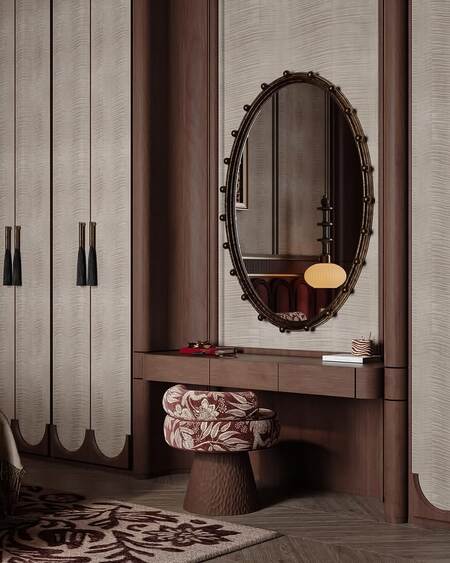
During the fifth and sixth months, the plan is to increase content that engages the audience in discussion—such as analyzing subscribers' interiors, comparing two design solutions, hosting polls for decor options, and answering readers' questions. We could also host themed series of posts dedicated to a single room or a specific problem, for instance, organizing a small kitchen, selecting lighting, or creating a harmonious color palette.
Throughout this period, expert articles, visual collections, personal observations, and materials about my own projects will alternate. This will allow me to maintain a balance between inspiration, practical value, and the development of my personal brand as an interior designer.
Content Samples
The content will consist of several recurring features that allow us to explore interior design from multiple perspectives—from visual inspiration to the practical application of design solutions.
1. «Pinterest Deep Dive»
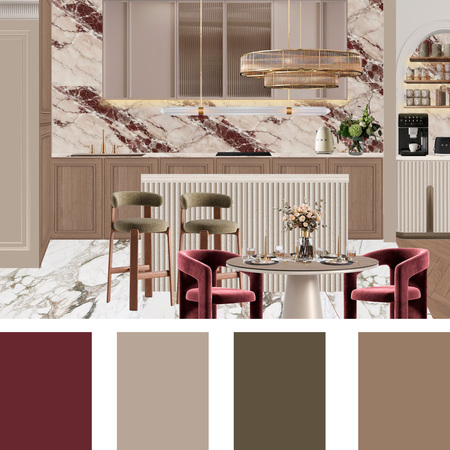
A column analyzing interesting interiors sourced from Pinterest and other inspirational platforms.In these posts, I will deconstruct why an interior design appears harmonious, how color palettes, lighting, composition, textures, and decor function. We will also analyze controversial design choices—why certain techniques look striking in photographs but might prove inconvenient in real life. The goal of this column is to teach readers to look at interiors more closely and understand what contributes to their visual appeal.The primary format will be image-based posts and original collages. Each publication will feature the original interior image, over which annotations, arrows, highlights, and explanations for specific design decisions may be overlaid. For example, we could dissect the color palette, furniture composition, texture pairings, or the placement of light sources. Furthermore, image carousels will be used: the first slide will show the original interior, and subsequent slides will provide a detailed breakdown of its elements. This format will not only inspire the audience but also visually explain how the space is organized.
2. «One Approach—A Different Interior»
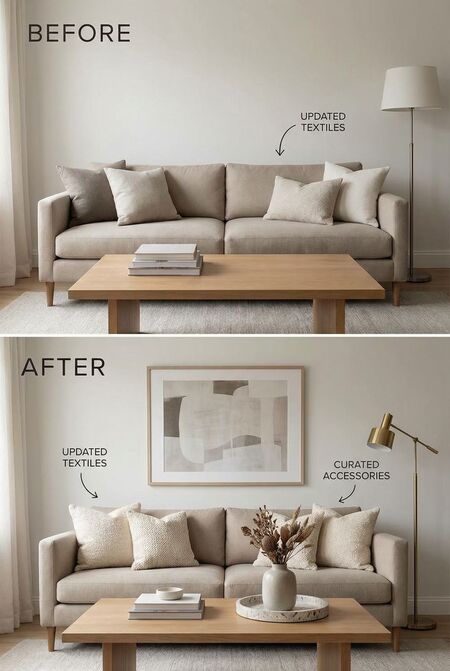
Short articles about specific design techniques that can alter spatial perception.
For instance, using an accent color, combining different textures, working with symmetry, visually increasing ceiling height, or creating focal points with lighting. This segment can feature examples of one technique applied across various interiors, explaining when and why it is appropriate.
The primary format will be visual «before and after» posts demonstrating how a single design element transforms the perception of a space. For example, we could show an interior before and after adding an accent color, compare a room under different lighting scenarios, or illustrate how a space changes when furniture is rearranged. The posts will use paired images, collages, and brief explanations that unveil the essence of the change and explain why the chosen technique is effective. This format will visually demonstrate the impact of specific decisions on interior design and give readers actionable ideas they can apply to their own spaces.
3. «Designer Explains»
Practical tips and answers to common questions about interior design and renovation.Topics covered include typical mistakes in space planning, material selection, storage organization, lighting different zones, coordinating furniture and finishes, as well as common design myths. Special attention will be paid to non-obvious solutions that make an interior not only beautiful but also comfortable for daily life.The main format is a «talking head» style video, where I personally discuss practical interior design issues. To keep the videos from feeling monotonous, dynamic editing will be used: changes in shots, inserts featuring interior examples, photographs, text highlights, and brief visual comparisons. For instance, in a video about choosing lighting, the address to the camera can be alternated with examples of different lighting scenarios. For simpler questions, text posts with images, diagrams, and brief recommendations will be suitable.
4. «What Constitutes a Project»
A column about my professional practice and the process of creating interiors.I will share insights into my personal projects—from understanding the client brief and developing the floor plan to selecting materials, creating visualizations, and preparing technical drawings. I can also present alternative solutions, explain the rationale behind the chosen design, and discuss the challenges that arise during the process. This will allow readers to gain a deeper understanding of the designer profession and see the sheer amount of work that goes into a finished interior.The format will involve photographs, video clips, and short videos within Telegram circles, featuring both finished projects and aspects of my workflow. Through these, I can showcase the stages of interior design, discuss current tasks, demonstrate material samples, layout solutions, and project details. For example, in a circle focused on a specific site, I can highlight an area of the space and explain the work currently underway and what remains to be done. More complex stages, such as floor plan development or material selection, will be covered in separate posts accompanied by visualizations, drawings, and detailed explanations.
5. «Interior Design Flawlessly»
Analyzing unsuccessful or controversial interior design choices, complete with explanations of why they may not work and how to correct them.These issues could include inconvenient layouts, insufficient lighting, excessive decor, poor furniture proportions, or mismatched materials. This segment will not be based on criticism for the sake of it, but rather on finding alternatives and demonstrating how small changes can enhance a space.The main format will be short videos dissecting mistakes and showcasing alternative solutions. Each video will begin by presenting the problem, followed by an explanation of why the original design may be inconvenient or unsuccessful, and a proposal for how to fix it. For clarity, we will use examples of interiors, comparative images, and graphical annotations. For instance, we might show two kitchen layouts and explain which one offers a more functional workspace. Additionally, textual posts in a format of «mistake — root cause — solution» are possible.
6. «Design in Detail»
Publications covering furniture, lighting, decor, materials, and textures. In these, you can analyze interesting design finds, illustrate how details impact the overall perception of an interior, compare different finishing options, and explain what to look for when selecting items for the home. Additionally, you can create curated collections of interesting items and materials across various price points. The format includes visual mood boards, collages, and text posts featuring photographs of furniture, lighting, decor, and materials. For instance, you could prepare a collage of several lighting fixture options, explaining their differences, which interior styles they suit, and how they influence the perception of the space. You can also publish comparative collections of materials, texture combinations, and items across different price categories. Short videos demonstrating samples and close-up details are suitable for specific topics.
7. «Myths and Stereotypes About Interiors»
A section where I will deconstruct common misconceptions about design:
For instance, the notion that small rooms must exclusively be decorated in light shades, that beige interiors always look expensive, or that a stylish space requires a large budget. Each post will examine a specific claim, explaining what in it is accurate, what depends on the context, and providing examples.
The main format will be «talking head» style videos with dynamic editing, in which I address prevalent design myths. At the beginning of each video, a statement will be presented, such as: «You cannot use dark colors in a small room.» Then, I will explain why this is not always the case and show interior examples that support my perspective. Subtitles, photographs, comparisons, and short visual inserts will be used to enhance clarity. Additionally, I might publish polls, inviting the audience to vote for one option before viewing the analysis.
8. Visual Acuity
Selections and reviews of interesting interiors, designers, architectural projects, and interior trends. Beyond simply showcasing visual references, I will explain what ideas can be drawn from them, which techniques warrant attention, and how these relate to broader trends in design. This section will also feature reviews of current trends and reflections on which ones hold practical value and which might quickly become obsolete.
The main format will consist of visual collages and image selections accompanied by brief, critical commentary. For example, several interiors united by a specific technique, color palette, or style can be gathered, and then an explanation provided about what they share in common and which solutions deserve attention. Thematic selections of hotel, restaurant, exhibition space, and interesting architectural interiors are also possible. Individual posts may adopt a mini-research format: presenting several examples, highlighting recurring details, and drawing a conclusion about what these examples can teach a budding designer or someone interested in interiors.
9. «Designer on the Line»
Format — voice notes and short audio commentary where I share professional observations, answer subscribers' questions, and discuss topics that aren’t always easy to cover in a lengthy text post. For example, you could record a voice note about what I notice when first viewing an interior, how I decide between several finishing options, or why a particular solution might not suit a specific client. As needed, photos, references, or a brief textual summary will be added to the audio. For homework assignments related to these posts, students can prepare a textual transcript or a script for the audio message.
10. «A Designer’s Day»