ПО СОСТАВУ
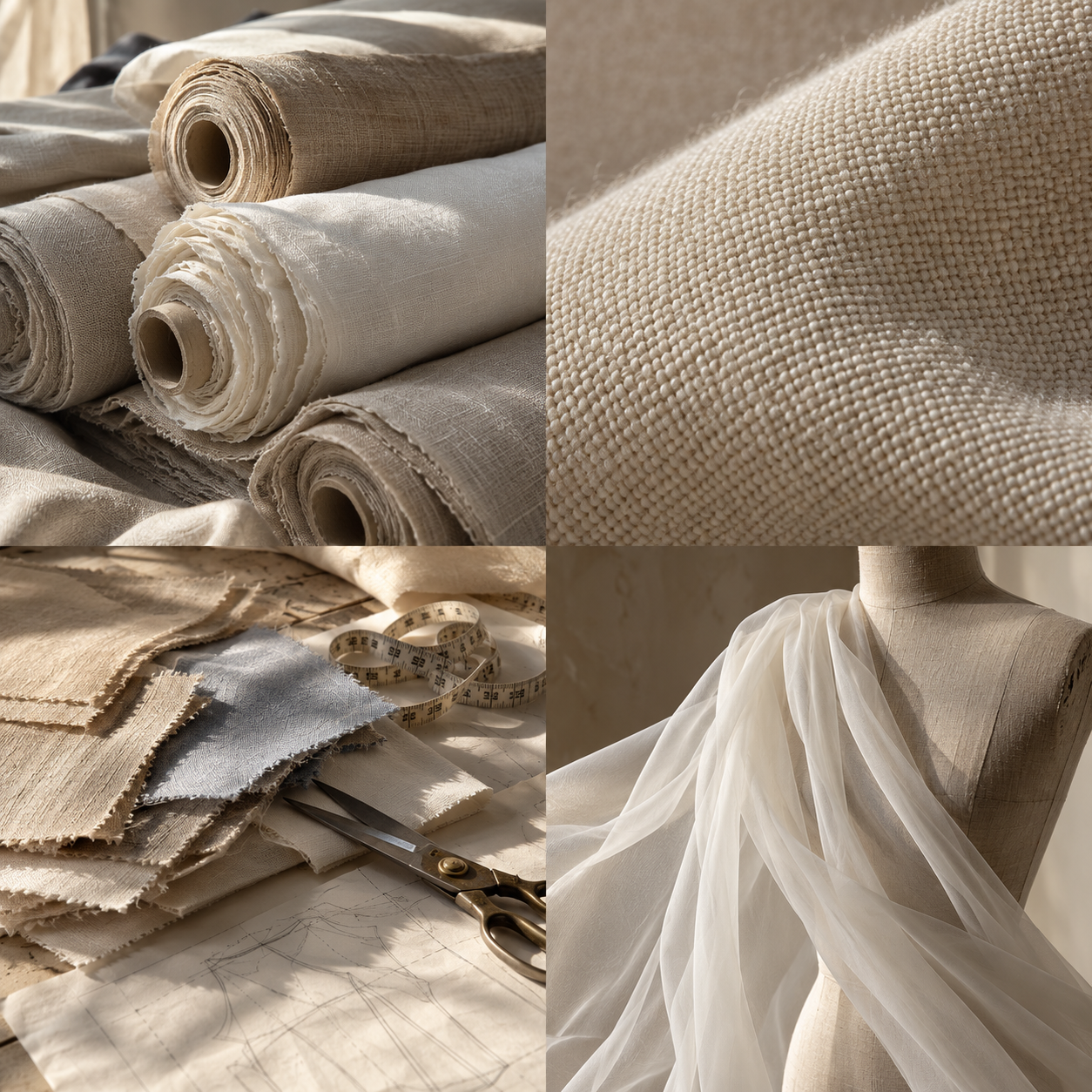
Медиа о тканях, материалах и их роли в создании одежды. От выбора образца до готовой коллекции.
COMPOSITION
Media on fabrics, materials, and their role in garment creation.From fabric selection to a finished collection.
Media Concept
What does «By Composition» mean?
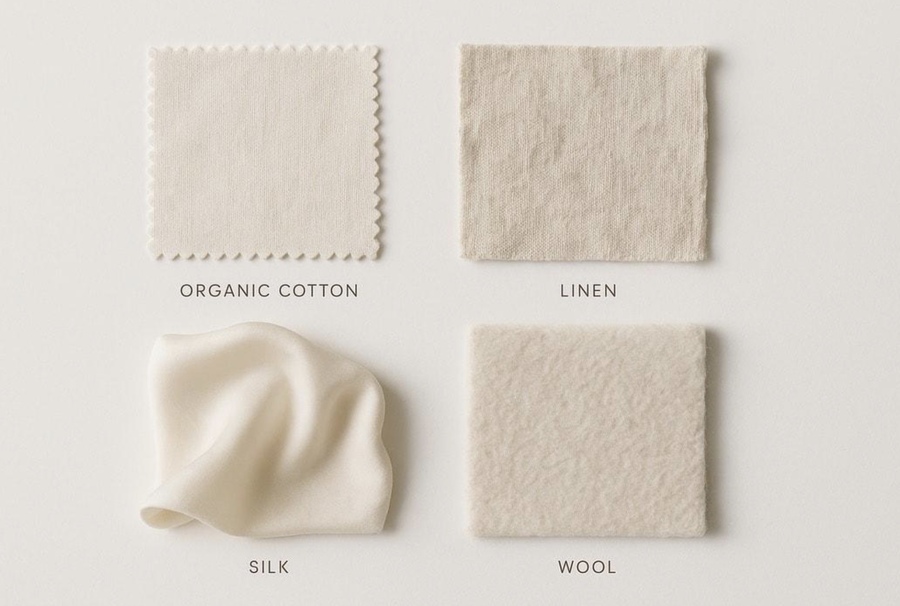
«By Composition» is an educational media resource dedicated to textiles for novice fashion designers and small, local brands. The project helps users understand material properties and learn to select fabrics not only based on appearance but also on their functional characteristics. The focus is on the relationship between the composition, density, texture, and structure of the fabric, and how it performs in a finished garment.
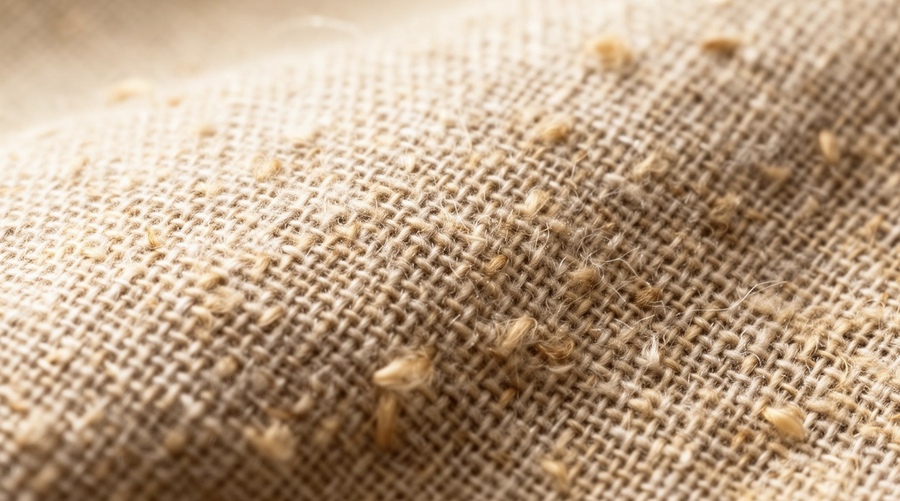
Main Idea: Fabric is not just a material to realize a design idea, but a complete tool for apparel design.
Target Audience
Who is this media created for?
The primary audience includes students in fashion disciplines, aspiring designers, founders of small brands, and individuals who create their own clothing.
Often, when developing a first collection, selecting the right fabric becomes one of the biggest hurdles. Information about material characteristics is scattered across supplier catalogs, and photographs don’t convey their true performance.
«By Composition» solves this problem through clear explanations, comparisons, experiments, and practical recommendations.
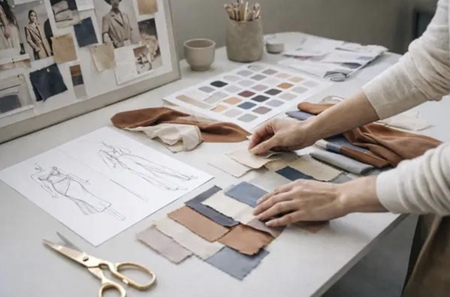
Project Value: To help readers avoid mistakes when choosing fabric, reduce unnecessary costs, and make production decisions with greater confidence.
Media Format and Sections
How is «By Composition» structured?
This project combines educational, analytical, and practical content.
Key sections:
- «Fabric in Detail”—a breakdown of the structure, density, and physical properties of materials.
- „What’s in the Mix”—an explanation of the characteristics of natural, artificial, and synthetic fibers.
- „For the Project”—selecting fabric for a specific garment.
- „Sample Testing”—experiments involving shrinkage, transparency, elasticity, and other characteristics.
- „Collection Cost”—fabric consumption, cost of goods sold, sourcing, and supplier relations.
- „Post-Sewing”—how materials behave during wear, washing, and use.
Main platforms: VK for publications and discussions, YouTube for short video experiments, and Pinterest for visual collections. In the future—a website with an archive of materials.
Semester Thematic Plan
General Strategy
Thematic Plan: November 2026 — April 2027
The curriculum builds from foundational knowledge of textiles to hands-on material work when creating your own collection.
Each month focuses on a major stage in a designer’s process: — November — Material introduction. — December — Fabric selection for garments. — January — Sample testing. — February — Sourcing and cost analysis. — March — Textile properties in use. — April — First collection creation.
Planned frequency: two VK posts, one short video, and two Pinterest pins weekly. Thus, the media combines theoretical knowledge, visual content, and practical instructions.
November — December — January
The first three months: introduction, selection, and experimentation
November. «Textile Alphabet»
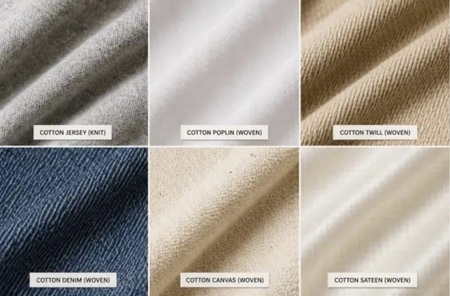
Goal: To familiarize the audience with the basic characteristics of materials.Publication topics: — How to read fabric composition labels. — The difference between woven fabric and knitwear. — What fabric density (g/m) signifies. — Cotton versus polyester: what sets them apart. — How the weave affects the look of the fabric.
December. «Project-Based Learning»
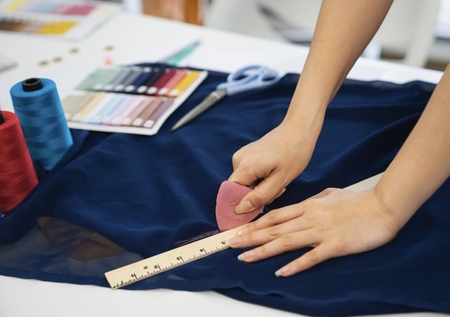
Goal: To teach how to select materials suitable for a specific garment.
Publication Topics: — Which fabric to choose for a T-shirt. — Poplin or linen for a summer shirt. — Fleece with a loop or brushed interior for a hoodie. — Which fabrics hold the shape of a jacket best. — Why identical dresses made from different fabrics look different.