РОССИЙСКИМ ВОДИТЕЛЯМ НЕ ХВАТАЕТ МОЩИ ГИБРИДНЫХ «КИТАЙЦЕВ»
ЗАКОНЫ ФИЗИКИ КРУЧЕ ОБЕЩАНИЙ ИЗ АВТОСАЛОНА
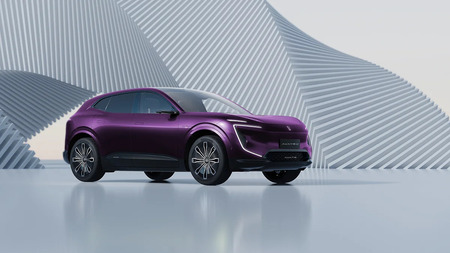
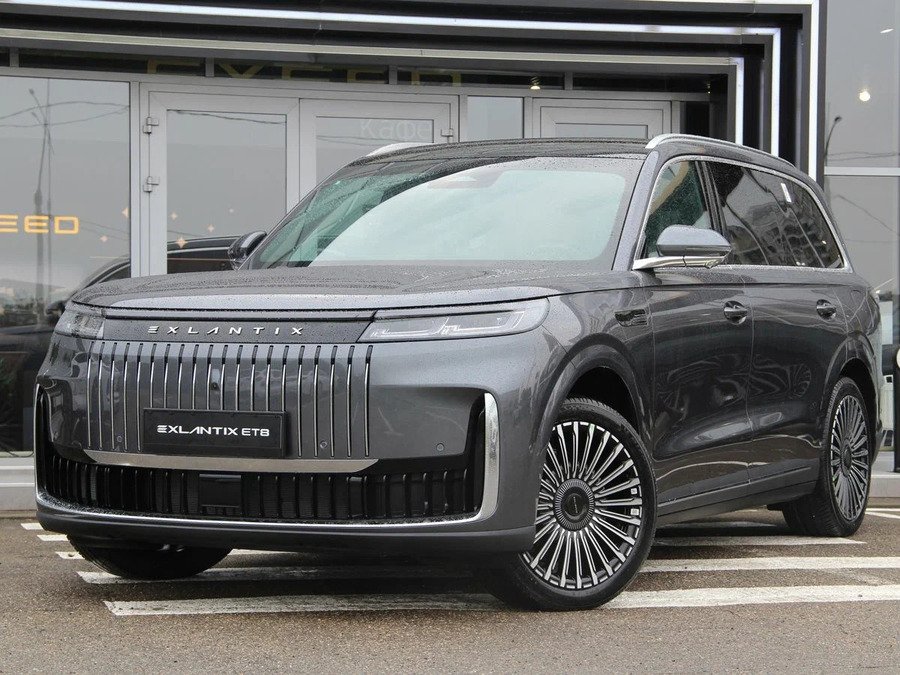
Owners of expensive Chinese hybrids—such as Esteo, Li Auto, and GAC—have suddenly encountered a harsh reality on toll highways. It turns out that their high-tech vehicles, for which they paid millions of rubles, drive excellently in the city but falter when facing Russian highway speeds. The main subject of this story is the Esteo Exlantix ET8, priced at 7.5 million rubles. The owner decided to test it on the M-11 «Neva» highway, where speeds of 130 km/h are permitted. The result was humiliating: after 80 kilometers, the car automatically switched to «Eco» mode, the battery was nearly depleted, and the generator simply could not handle the load. The dynamics vanished, the car seemed to «hesitate,» and the mode-switching buttons stopped responding entirely. For the car to begin charging again, the driver was forced to shamefully reduce the speed to 110 km/h.
The situation is the same with other brands. The owner of a Li Auto from St. Petersburg frankly admitted that on the highway, this car should not be driven faster than 120–140 km/h, otherwise, the battery seems to melt away. Another driver of a Li Auto L7, trying to maintain an «unfined» 150 km/h, was forced to slow down to 130 km/h just for the gasoline engine to generate any charge for the battery. The owner of a GAC from Krasnodar was also disappointed: instead of the advertised 200 kilometers on electric power, he only travels 145 km while maintaining 120–130 km/h.
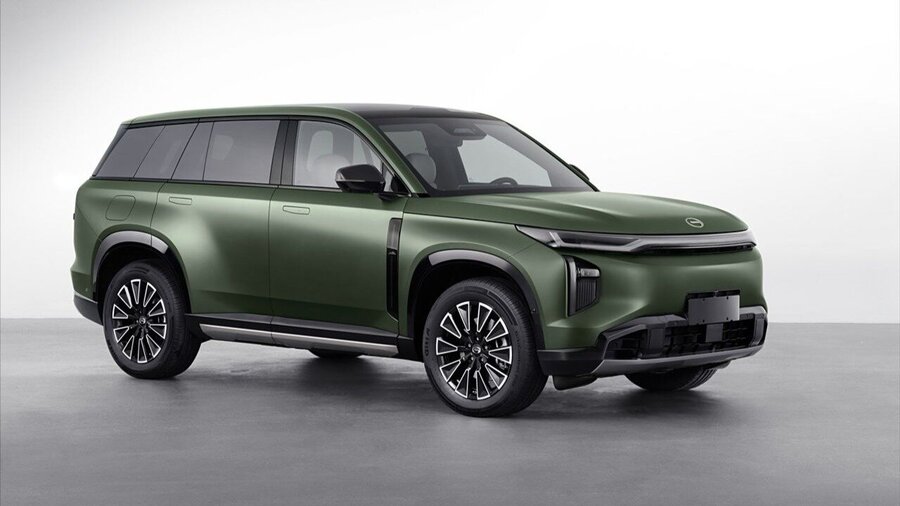
Brand representatives, naturally, defend their products. Esteo claims that according to their tests, the car should charge even at 130 km/h. Li Auto more honestly advises against driving fast and suggests choosing special modes where the gasoline engine is prioritized. But the core issue is the same: salespeople in showrooms remain silent about these problems. Experts, however, explain it more simply, without complex terminology. To travel at 130–150 km/h requires a tremendous amount of energy. In hybrids like this, there is a small gasoline engine that drives a generator. It is economical and quiet, but weak. Its power is sufficient to maintain movement at current speeds, but not enough to also charge a massive battery simultaneously.
Or perhaps the issue is that these vehicles were designed in China, where the highway speed limit is 110 km/h? Did Chinese engineers fail to factor in our local realities—the unticketed tolerance of +20 km/h? Regardless, one should not trust claims about an «unlimited range» or «charging at any speed.» Read more from specialized journalists, who have been writing for several years that the hybrid battery drains rapidly after 110 km/h.