MEDIA GOAL
Show insects as they truly are—amazing, diverse, beneficial, and vital to the entire ecosystem—through real photographs, clear explanations, and verified sources, so media can be trusted. Help people stop perceiving an unfamiliar insect as something unknown and scary, and instead learn to understand precisely what they are looking at.
SEMESTER THEME PLAN
Content Plan Concept Overview
«JUK Noticed» publishes three main articles each week. Over six months, 72 publications are planned.
Each month is dedicated to a separate theme, which is explored through the media’s ongoing columns. This approach allows the audience to gradually learn about insects, understand their behavior, debunk myths, and learn how to identify species independently.
The content combines real photographs, short popular science texts, practical guides, species comparisons, and subscriber observations.
In addition to the main publications, the channel features polls, discussions, and answers to audience questions. Topics may be adjusted based on the season, region, and photographs submitted by readers.
Editorial Grid
Publications are released three times a week—on Mondays, Wednesdays, and Fridays.
Monday. Meeting an insect. Features include «Bug of the Week» and «Who Can We See Now?» At the start of the week, material is published about a specific insect. Readers learn about its appearance, habitat, diet, and the role it plays in nature. The publication is based on an authentic photograph that includes the author, location, and date of the shoot.
Wednesday. Explanations and debunking myths. Features include «Myth or Fact, ” „Not a Beetle, ” and „Caution.“ In the middle of the week, materials are published to help readers address common fears, learn to distinguish between similar species, and understand when an insect may actually pose a danger.
Friday. Observations and reader interaction. Features include „Who Is It?“ and „What Does It Do for Nature?“ At the end of the week, we feature analyses of user-submitted photos, articles on the benefits of insects for the ecosystem, and practical tips for nature observation.
The features may shift positions depending on current topics. The most important thing is that each week readers receive new knowledge and the opportunity to participate in the life of the media.
FIRST MONTH
Introduction to the Insects Around Us
The first month is dedicated to insects that people can encounter in daily life. The main goal is to show that even the most familiar species can be interesting and beneficial.
The materials introduce students to the external appearance, behavior, and distinguishing features of insects. Special attention is paid to species that often cause fear or disgust.
Week One
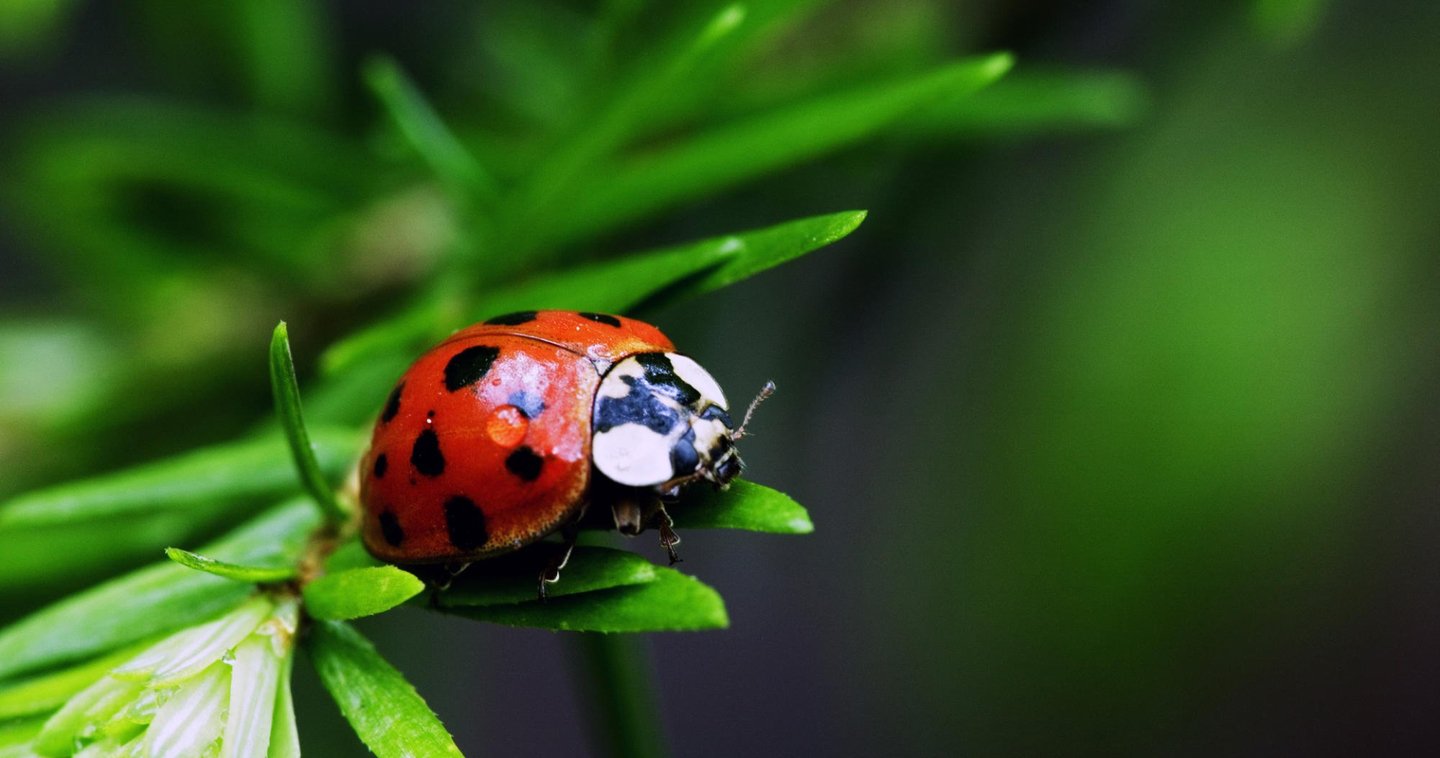
«Insect of the Week.» Ladybugs and their larvae. We show what the adult insect looks like, why the larva differs from it, and how ladybugs benefit plants.
«Myth or Fact.» Do all beetles bite? We explain why having mandibles does not mean the insect is dangerous to humans.
«Who Is It?» Who lives on the windowsill? We analyze a photograph of a small insect found at home and explain which features help identify it.
Week Two
«Insect of the Week.» Ants and their colonies. We discuss the organization of ant life and the interaction between individuals.
«Not a Beetle.» Why is a spider not an insect? We compare the body structure, number of legs, and main distinguishing features.
«What Does It Do For Nature?» How do ants participate in the ecosystem’s life? We explain their role in soil processes, seed dispersal, and food chains.
Week Three
«Insect of the Week.» Green Lacewing. We introduce readers to the green insect with transparent wings and show what its larvae look like.
«Myth or Fact.» Why do insects fly toward light? We examine common ideas about their behavior near artificial lighting.
«What Does It Do For Nature?» Why are predatory insects good for the garden? We explain how the larvae of lacewings and other predators help regulate the population of small invertebrates.
Week Four
«Insect of the Week.» Earwig. We show its structure, characteristic appendages at the end of the abdomen, and habitats.
«Myth or Fact.» Do earwigs really crawl into human ears? We analyze the origin of the fear and the insect’s actual behavior.
«Who Is It?» Identifying a subscriber’s find. Using a real photograph, we show what details allow for insect recognition.
First Month Outcome
Students are introduced to basic media topics, learn to spot common insects, and begin to distinguish them from other arthropods. At the end of the month, readers are invited to submit their own photographs for identification.
SECOND MONTH
Insects Around HumansThe second month is dedicated to situations where insects encounter people. This covers encounters outdoors, at home, during leisure time, and near food.The primary goal is to explain insect behavior and teach people how to react to them calmly, without ignoring real risks.Week One«Bug of the Week.» The common wasp. We discuss its appearance, diet, and its role in nature.«Myth or Fact.» Why are wasps attracted to human food? We explain the feeding behavior of wasps and the reasons for their presence near people.«Caution.» What to do if a wasp is flying nearby? We provide simple recommendations for safe conduct—avoiding sudden movements or attempts to strike the insect.Week Two«Bug of the Week.» The honeybee. We introduce the audience to its structure, lifestyle, and role in pollination.«Not a Bug.» How is a bee different from a wasp? We show distinguishing characteristics using real photographs.«Caution.» How to reduce the risk of a sting? We explain why one should not disturb insects or approach hives.Week Three«Bug of the Week.» The bumblebee. We talk about its appearance, behavior, and habitats.«Myth or Fact.» Why are bumblebees so fuzzy? We explain the function of their hairs in thermoregulation and pollen transport.«What It Does for Nature.» Why do bumblebees visit flowers? We demonstrate how pollination occurs and why bumblebees are vital to plants.Week Four«Bug of the Week.» The house fly. We examine this familiar insect from the perspective of its structure and behavior.«Myth or Fact.» Are all flies alike? We show the diversity of flies and explain why different species perform different ecological functions.«Who Is This?» We analyze a photograph of an insect found in an apartment. We explain what characteristics allow for its identification and when caution should be exercised.
Month Two Results
Readers receive clear recommendations for everyday situations. The materials help distinguish normal insect behavior from instances where caution is truly necessary.
THIRD MONTH
Who Helps Our Garden
The third month is dedicated to the insects you can find in the dacha, the garden, and near plants.
The main goal is to show that not every insect in the yard is a pest. Many species help plants by pollinating flowers or preying on other invertebrates.
Week One
«Bug of the Week.» Aphids on plants. We discuss what aphids look like, what they eat, and why some species can damage plants.
«Myth or Fact.» Why do aphids harm young shoots? We explain their feeding habits and the potential consequences for plants.
«What It Does for Nature.» Ladybugs versus aphids. We show how predatory insects help regulate aphid populations.
Week Two
«Bug of the Week.» Greenlacewing. We show the adult insect and discuss the characteristics of its life cycle.
«Who Is This?» How to identify the Greenlacewing larva? We compare it to other small plant dwellers.
«What It Does for Nature.» How beneficial are predatory larvae? We explain why some larvae help protect plants from pests.
Week Three
«Bug of the Week.”Ground Beetle. We introduce readers to ground beetles, many of which lead a predatory lifestyle.
„Myth or Fact.“ Why do some ground beetles hunt at night? We talk about their activity and methods of finding prey.
„Who Can We Spot Now?“ Who hides under stones and plant debris? We show insects that use these places as shelter.
Week Four
„Bug of the Week.”Hoverfly. We talk about flies that externally resemble wasps and bees.
„Not a Bug.“ How to tell a hoverfly from a wasp? We compare characteristic features using real photographs.
„What It Does for Nature.“ Who pollinates the garden besides bees? We show the role of hoverflies and other insects in plant pollination.
Three-Month Progress Report
Home gardeners and vegetable growers are learning to be more observant of insects on their properties. Instead of automatically destroying an unfamiliar species, they are developing the desire to first identify it and understand its ecological role.
FOURTH MONTH
Learning to Identify Insects
The fourth month is dedicated to independent insect observation. The main objective is to give readers foundational skills in species identification and teach them how to document their own findings. The materials explain which characteristics are important to note, how to properly photograph insects, and why identification from a single picture is not always accurate.
Week One
«Bug of the Week.» How is an insect’s body structured? We examine the main body parts using a specific species as an example. «Not a Bug.» Insect or spider? We compare the structures of different arthropod groups. «Who Is It?» We identify the animal based on the number of legs and other visible features.
Week Two
«Who Is It?» How to properly photograph insects. We show what angles help identify a specimen. «Myth or Fact.» Is one photograph enough for accurate species identification? We explain why some species cannot be distinguished without additional characteristics. «Who Is It?» Analysis of a subscriber’s photo. We demonstrate the identification process using a specific example.
Week Three
«Bug of the Week.» Hoverfly. We introduce the audience to an insect that is easily confused with a wasp or bee. «Not a Bug.» Why can different species look alike? We explain mimicry and other reasons for external similarity. «Who Is It?» Learning to compare features. We show which details to look at when identifying similar insects.
Week Four
«Who Is It?» How to use iNaturalist? We explain how to upload observations and receive identification assistance. «Myth or Fact.» Can artificial intelligence make mistakes when identifying insects? We discuss why an automated suggestion requires verification. «Who Is It?» Observation of the Week. We publish a subscriber’s photograph with a description of the location and the identification result.
Month Four Results
Readers learn how to take identification-quality photographs and understand why it isn’t always possible to determine a species accurately from a single image.
At the end of the month, a small challenge is held. Subscribers photograph an insect, record the location and date of the encounter, and submit their observation to the channel.
FIFTH MONTH
Myths, Fears, and Real DangersThe fifth month is dedicated to common misconceptions about insects.The main goal is to show how the fear of the unknown is formed from myths, unusual appearances, and lack of information.At the same time, the media does not claim that all insects are safe. The materials separately explain the real risks and rules for cautious behavior.Week One«Bug of the Week.» Earwig. We introduce readers to its appearance and lifestyle.«Myth or Fact.» Does the earwig climb into human ears? We examine a common misconception.«What Does It Do for Nature?» What are the earwig’s pincers for? We explain how these appendages are used in its behavior.Week Two«Bug of the Week.» Wasp. We discuss the diversity of wasps and the specifics of their behavior.«Myth or Fact.» Are all wasps aggressive? We explain why wasps might defend themselves and in which situations the risk of a sting increases.«Caution.» How to behave near a wasp nest? We provide recommendations to lower the risk of a dangerous encounter.Week Three«Bug of the Week.» Drone Fly. We show an insect with coloration resembling a wasp.«Myth or Fact.» Are all yellow and black insects dangerous? We explain why coloration does not always allow us to judge a species' danger level.«What Does It Do for Nature?» How does mimicry work? We discuss why some harmless insects resemble species capable of self-defense.Week Four«Bug of the Week.» Wild Cockroaches. We show that the diversity of cockroaches is not limited to species living near humans.«Myth or Fact.» Do all cockroaches live in unsanitary areas? We explain the differences in the lifestyle of individual species.«Who Is It?» We address subscriber questions about insects that cause fear or disgust.
Month Five Outcome
The classroom allows students to reconsider their preconceived notions of insects.
Readers learn to distinguish real dangers from myths and understand that unusual appearance does not automatically make an insect dangerous.
SIXTH MONTH
Why Insects Matter to NatureThe sixth month synthesizes the knowledge gained over the previous months and illustrates the role of insects in the ecosystem.The main objective is to explain how insect life is interconnected with plants, soil, other animals, and humans.At the end of the month, the best observations from subscribers are published, and the media’s work is summarized.Week One«Insect of the Week.» Bumblebee. We discuss the specifics of its structure and behavior.«What Does It Do for Nature?» How does pollination occur? We showcase the interaction between insects and flowering plants.«Myth or Fact?» Why are bees not the only important pollinators? We explain the role of various insect groups in pollination.Week Two«Insect of the Week.» Dung Beetle. We introduce the audience to insects that utilize manure in their life cycle.«What Does It Do for Nature?» Who processes organic waste? We talk about the role of insects in organic decomposition.«Myth or Fact?» Why are insects the sanitation crew of nature? We explain why the breakdown of organic remains is vital for ecosystems.Week Three«Insect of the Week.» Ground Beetle. We feature one of the terrestrial predators among beetles.«What Does It Do for Nature?» How do insects regulate the population of other organisms? We discuss predation and food webs.«Myth or Fact?» What happens if insect populations significantly decrease? We explain why changes in their numbers can affect other animal and plant groups.Week Four«Who Is It?» Subscribers' Best Finds. We publish a collection of real photos submitted during the project’s run.«Myth or Fact?» Which misconceptions did we debunk? We revisit the audience’s most popular questions.«Insect Noticed.» Six-Month Wrap-up. We compile the most interesting species, photos, and observations into a final feature.
Six-Month Update
Readers begin to perceive insects not as random nuisances, but as participants in a complex natural system.
The final publication compiles the best photos submitted by subscribers and the most fascinating observations from the past six months.
CONTENT FORMATS
The primary format for publications consists of a short, popular science text accompanied by one photograph of an insect.Some materials feature two photographs if it is necessary to compare similar species or to illustrate the differences between the larva and the adult specimen.The visual design remains consistent, while the content shifts according to the topic. This approach maintains the media’s recognizable aesthetic and keeps the information easily digestible.
10 CONTENT EXAMPLES