CONCEPT
Film—art and mass media. It has undergone a significant evolution throughout the 20th century, spanning from silent films to auteur projects. This century reflects not only technological advancements but also shifts in the social, cultural, and political spheres, all narrated through cinema.
The evolution of 20th-century film is a multifaceted process that illustrates numerous transformations. Beginning with silent and black-and-white films, the film industry progressed through many stages, including the advent of sound, color, and new narrative forms. Cinema became a vital medium of mass communication, capable of shaping public opinion.
The selection of this topic is justified by the fact that a detailed study of 20th-century film evolution helps us gain a deeper understanding of how societal views have changed, how film has influenced the audience’s perception of the world, and how cinema itself has transformed as an art form. Film evolution also mirrors technological progress and shifts in visual trends, making this topic timely for study.
The material selection principle for this visual research will be based on the major evolutionary stages of cinema in the 20th century. The project will showcase the development stages of film, film examples, and aspects that significantly impacted the changes in the film industry.
The research’s categorization principle will be structured into the following sections:
- Concept
- Silent Film
- Sound Film
- The Golden Age of Hollywood
- Independent Cinema
- The Digital Age
- Conclusion
For the analysis of textual sources, various historical articles and documentary materials will be selected that reveal key moments in the history of film development.
How did the various changes in 20th-century technology, genres, and socio-cultural context influence the evolution of cinema as an art form and mass medium? This key question, posed above, will be explored in the research and will help deepen the study of the film industry.

The visual research hypothesis for this chosen topic is that the evolution of cinema in the 20th century was not merely a result of technological shifts but also reflected significant social and cultural changes occurring within society. Transformations in the film industry spurred shifts in public perspectives and the formation of cultural norms and values.
Thus, this project will allow us not only to analyze the stages of cinema’s development as an art form in the 20th century but also to understand its importance in shaping public viewpoints. The research will help us grasp the history of film and its influence on culture.
SILENT FILM (1895–1927)
The period in film history that spans from its inception in the late 19th century until the advent of sound cinema in the late 1920s. The silent film era laid the foundation for the further development of the film industry, shaped by both technological and artistic changes.
Silent film is a form of cinematography that lacks recorded sound accompaniment. From the moment film technology was invented, silent films were the only type of motion picture. Live music—performed by an orchestra or a solo artist—was used as the sound accompaniment for these films. Although silent films are no longer produced today, less than 25% of the silent films created during that era have survived.
Frame from the silent film «Gold Rush» (USA, 1925)
Film was born in 1895 with the invention of the apparatus for capturing and projecting moving images. The first films were very short, lasting only a few minutes, and often consisted of documentary or comedy pieces.
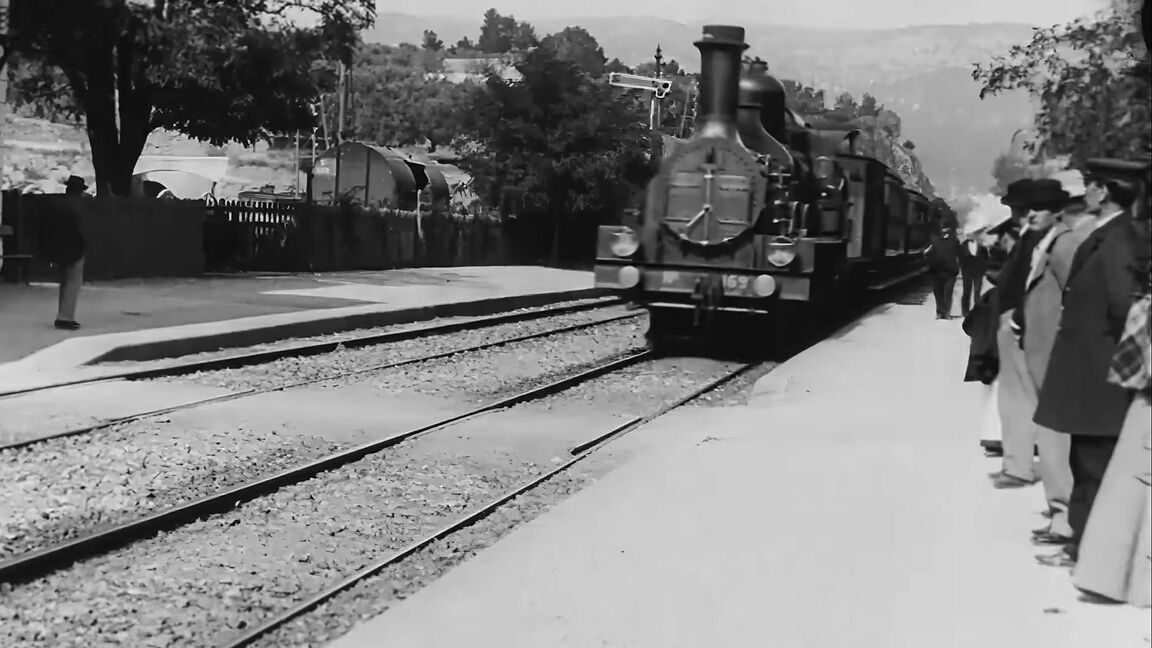
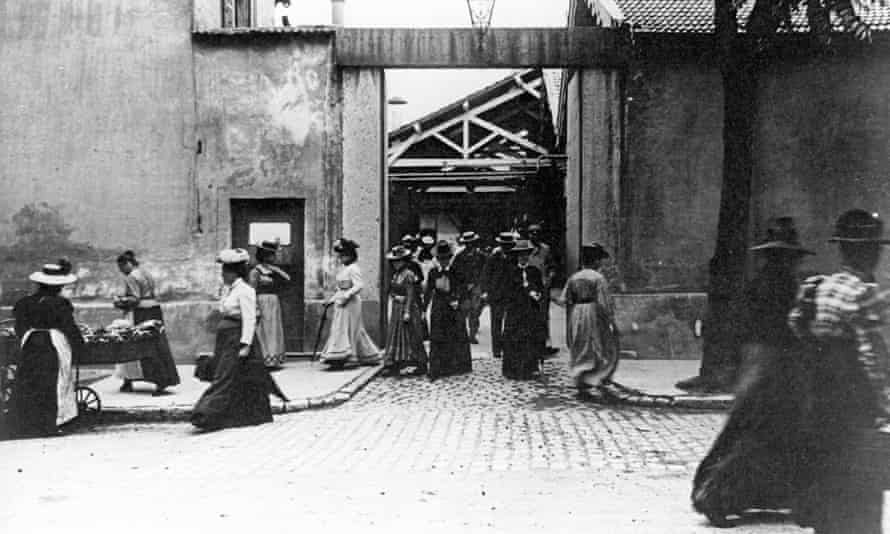
Stills from the films «Workers Leaving the Factory» 1895 and «Arrival of a Train at the Station» 1895
With the development of technology, numerous new possibilities emerged for creating more complex cinema. Filmmakers began experimenting with various visual techniques and narrative structures.
The advent of silent film preceded inventions designed for creating animated images: the zoetrope, the phenakistoscope, the zoopraxiscope, and the stroboscope.
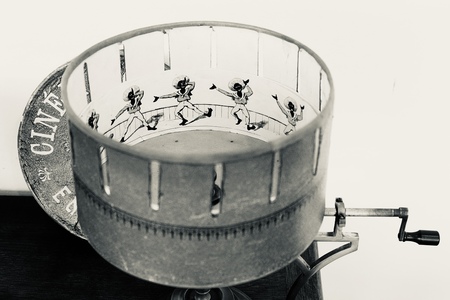
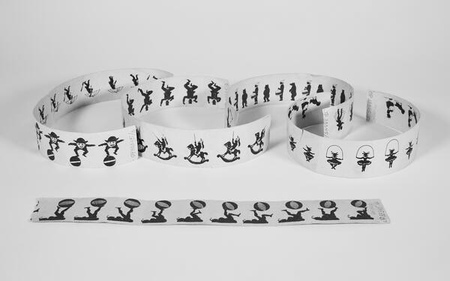
Zoetrope Camera Apparatus
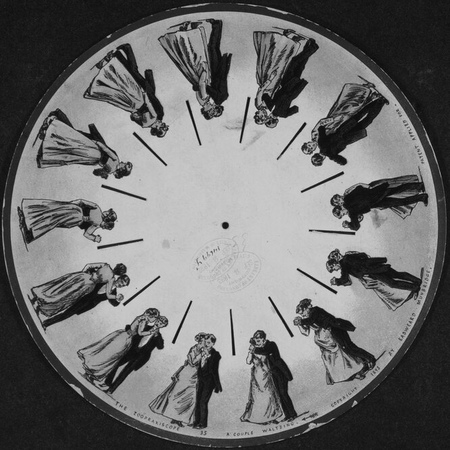
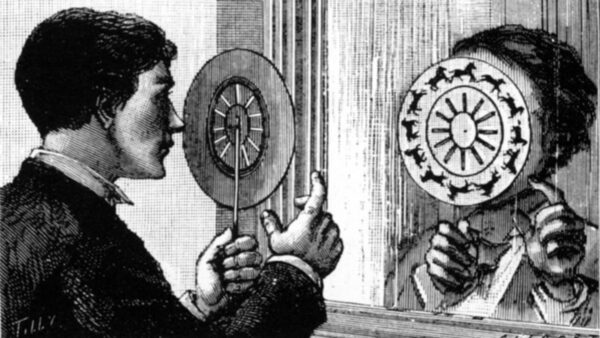
Phenakistoscope device
Zupraxiscope apparatus
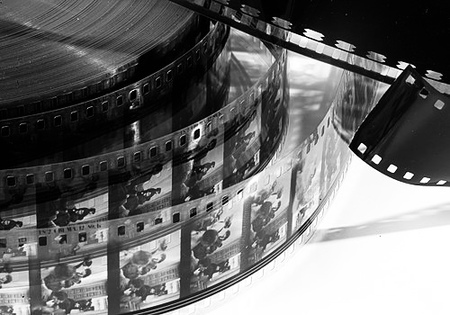
The first silent films were shot without editing, using only a single frame. The cinematographer would set up their camera so that all the established sets fit within the shot.
The length of these early films was approximately 15 meters, amounting to less than a minute of screen time. This brevity was due to the limited capacity of the standard «Edison-Kodak» film reel.
By 1908, film length had grown to 300 meters, equating to roughly 15 minutes at 16 frames per second. By the start of World War I, most films exceeded an hour in length.
The world’s first full-length film, 1225 meters long: «The True Story of the Kelly Gang» (Australia, 1906)
Visual devices and narrative characteristics:
Film characters were always filmed in full shots, close-ups, and wide shots. If an actor stepped beyond the designated boundaries and their legs were cut off by the frame, the take was considered defective. Actors also used special makeup. Before World War I, there were no professional actors in film, so workers from theaters, circuses, or vaudeville stages were invited for filming.
In the early years, sound stages did not use lighting equipment, relying only on natural daylight.
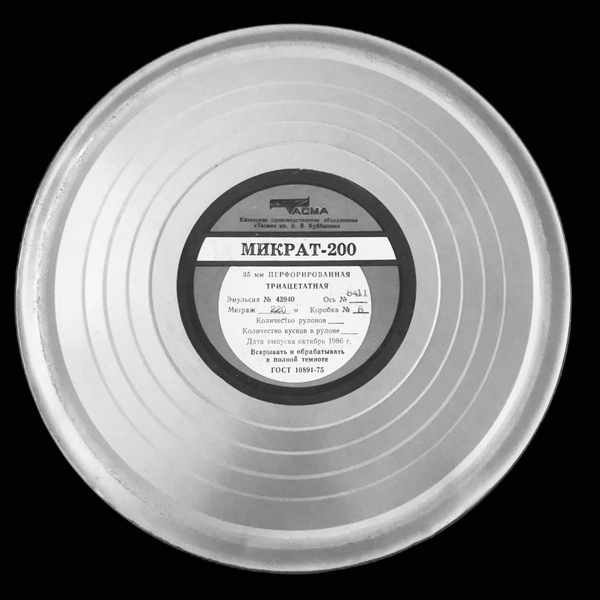
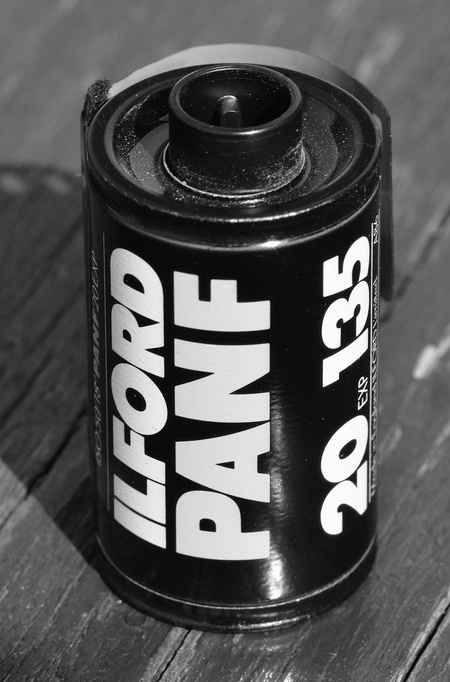
Orthorhromatic and Panchromatic Film Stock
Before the advent of sound film, orthochromatic film was used for shooting, and panchromatic film, which became available in the early 1920s, was used very rarely due to its high cost.
Because of all these constraints, a specific form of presenting a complex plot emerged, with pantomime becoming the primary acting technique.
By the mid-1920s, silent film had become on par with other forms of art. Changes in film equipment led to new cinematic techniques appearing in film scenes, such as close-ups, medium shots, camera movement, and angled shots. Film editing became more dynamic, and cinematographers evolved into full creative partners in film production.
The plots of the films were often simple and easily digestible. These could be comedies, adventures, or romance stories. Many film plots addressed various social issues, such as love and war.
Film examples:
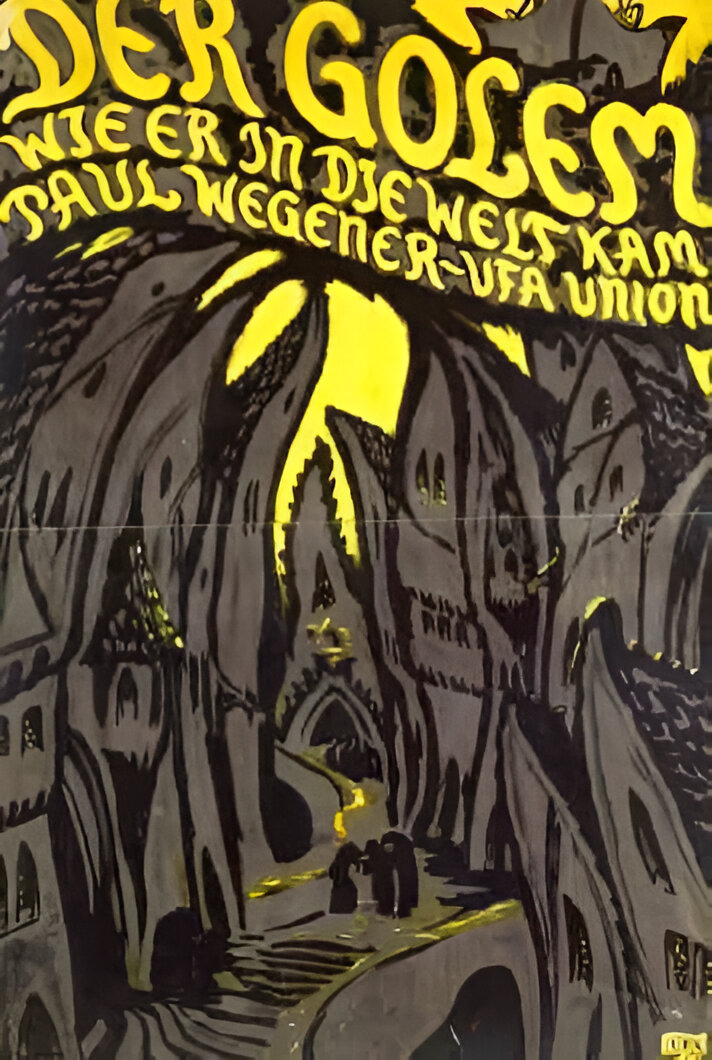
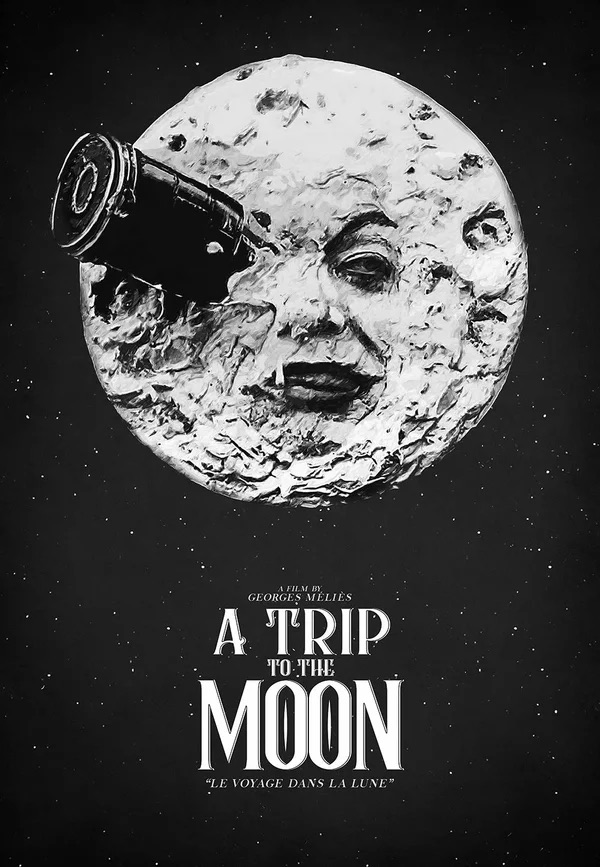
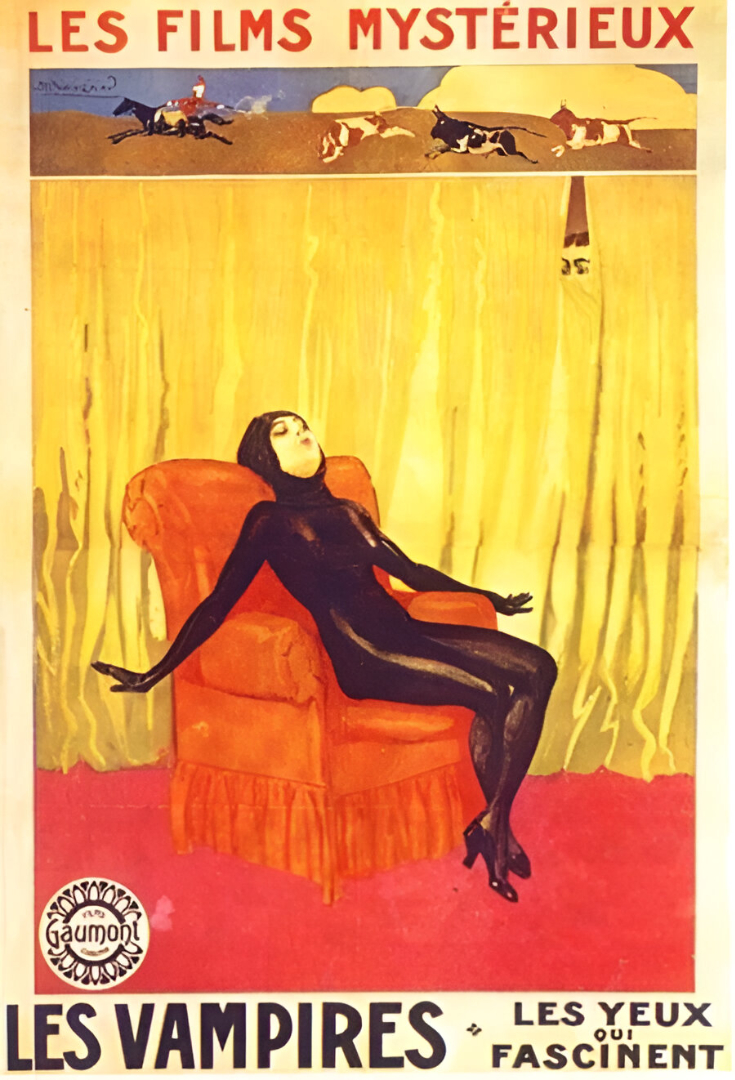
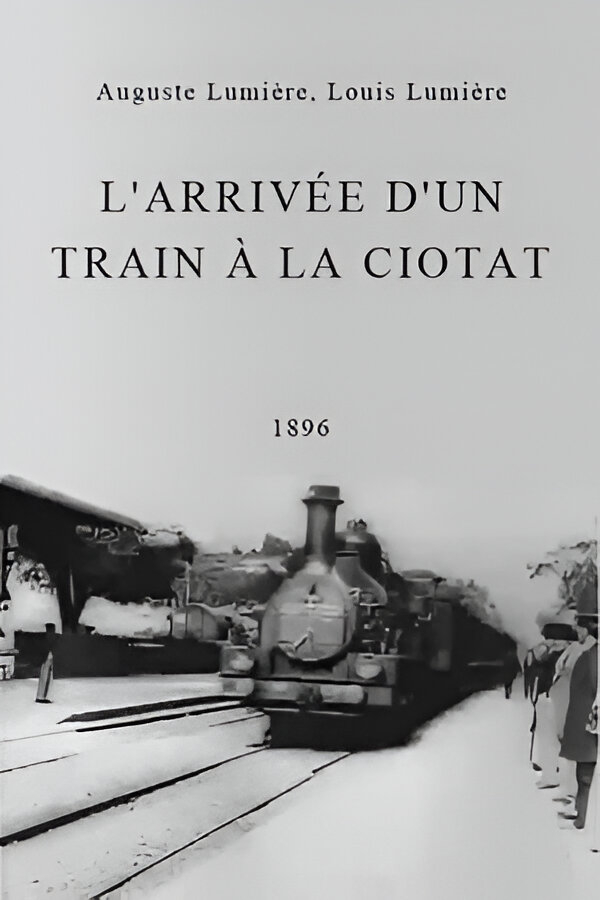
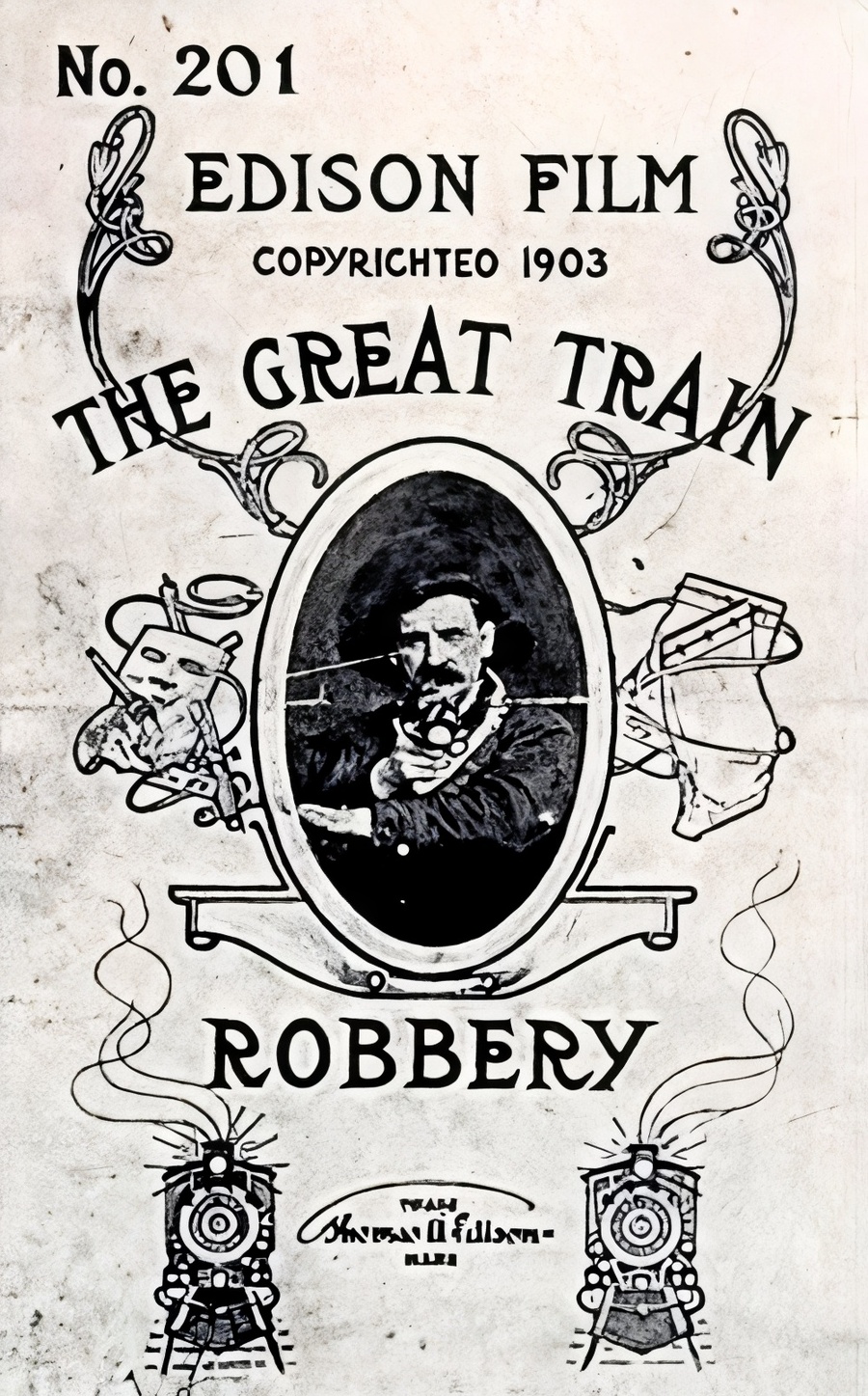
«Путешествие на луну» (Франция, 1902)
Silent film became the foundation for the initial development of cinema as an art form. During this period, various genres and styles were established, which continue to influence the contemporary film industry.
SOUND CINEMA (1927–1930)
The transition from silent to sound film was one of the most significant events in cinema history. This occurred in the late 1920s, influencing all the foundations of cinematic art—genres and technology.
Sound film is a variation of cinematography in which the image is accompanied by sound effects, such as music, ambient noise, or speech.
The first screening of a sound film took place in 1900 in Paris; however, sound film gained popularity only three decades later.
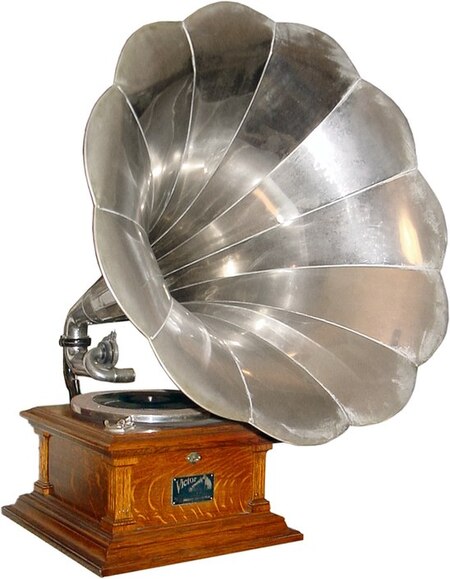
The first method for recording sound in cinema was the phonograph. Sound was preserved on a record, which was then synchronized with the film scenes.
The first sound film, «The Jazz Singer,» was created using phonograph sound. Most of the scenes were shot in wide or medium shots, which did not require precise synchronization, and intertitles were used instead of dialogue.
The available recording duration at the time did not exceed two to three minutes, which was insufficient for one half of the film, which ran for about 15 minutes.