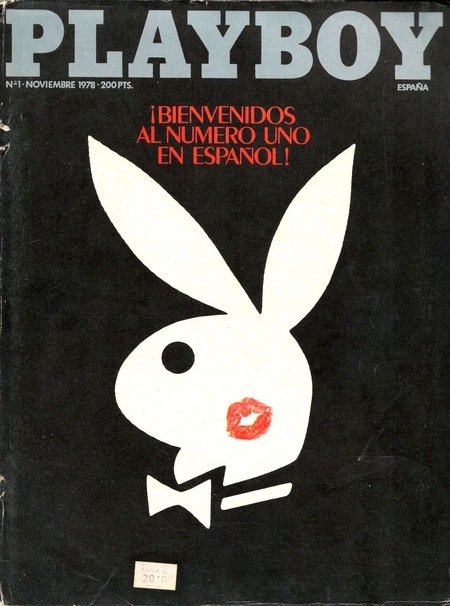
Playboy—one of the most renowned American magazines of the 20th century that profoundly influenced mass culture. The first issue was published in Chicago in 1953 under the direction of Hugh Hefner. It immediately caused a sensation, all thanks to the nude Marilyn Monroe on the cover.
Covers hold a special place in the magazine’s history. The photography, composition, signature logo, and featured stars created a recognizable visual identity that evolved over time. This happened amidst the development of photography, shifting public perceptions of female attractiveness, and the publication’s transition toward mass market appeal. Moving beyond the aesthetics of the mid-20th century, the covers transformed into more diverse visual expressions—from a simple street girl to Brooke Shields. Covers are not merely a decorative element of the magazine; they are a reflection of cultural shifts.
This study examines the evolution of Playboy covers from 1953 to 2016. The research aims to determine how the aesthetic of the covers changed and which visual techniques allowed Playboy to maintain brand recognition over many years.
Theme and Problem
The research explores the techniques employed in designing Playboy magazine covers to establish a recognizable visual identity. A separate focus is to examine how the portrayal of women integrated into communication with the intended male readership and how perceptions of attractiveness and gender evolved.
Relevance
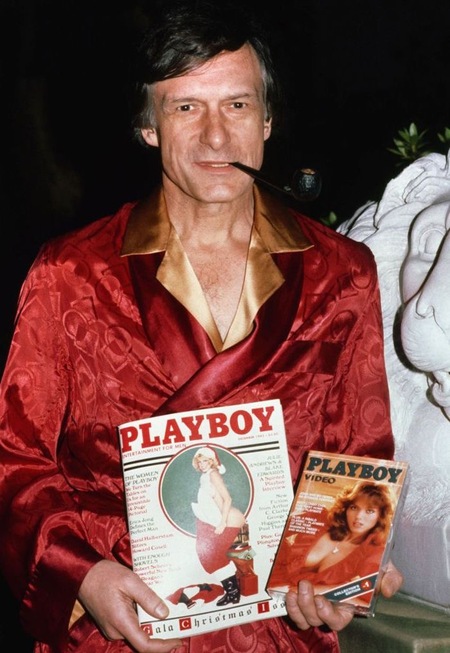
A cover is a symbiosis of design, photography, advertising, and mass culture. It must stand out among competitors and maintain the publication’s recognizability. People should want to read the magazine without even opening it. Hugh Hefner achieved this effect with his publication. Playboy became a notable part of post-war American culture; researchers link it to consumer lifestyles, masculine identity, and concepts of leisure.
Research Question
How did the visual language of Playboy covers change from 1953 to 2016, and what elements ensured the continuity of the brand’s image? How did the visual organization of the cover define the viewer’s position and present women—as celebrities, fashion figures, or objects?
Hypothesis
Playboy’s visual solutions evolved alongside photographic practices, fashion, and perceptions of gender, yet their recognizability was maintained by recurring elements of the brand’s identity: the name, the rabbit emblem, and accumulated brand associations. However, design continuity does not equate to an unchanging feminine archetype.
Object and Subject
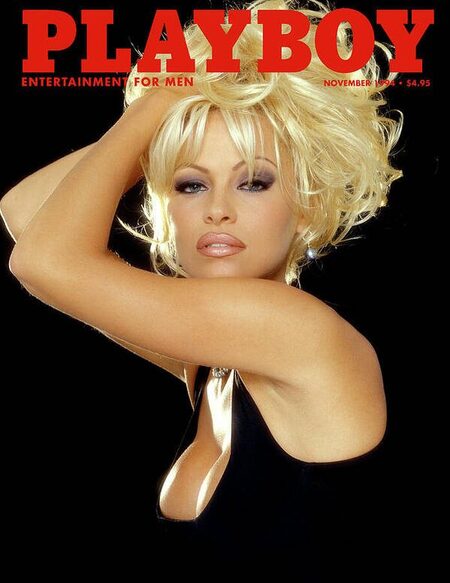
The subject is the covers of the American magazine Playboy from 1953–2016 as artifacts of mass visual culture. The object of study is the logo, typography, composition, text, and methods of representing the female image.
Sample for the study
Key covers from the American edition of Playboy, spanning 1953 to 2016, reflecting major shifts in aesthetics, photographic techniques, and the portrayal of the model.
The Formation of the Canon and Graphic Experiment (1950s–1960s)
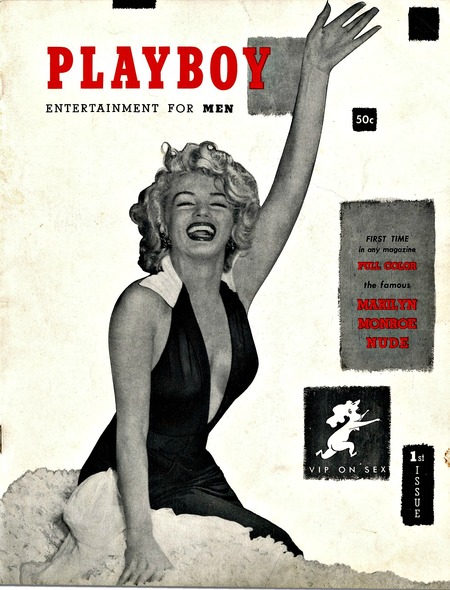
The Formation of the Canon and Graphic Experimentation (1950s–1960s) The first issue of Playboy was released without a date or issue number because Hefner was uncertain about the project’s success. The red background accent, minimalist poster font, and black-and-white photograph of Marilyn Monroe waving construct the spirit of joyful celebration. The celebrity image is used here as the primary visual «magnet.»
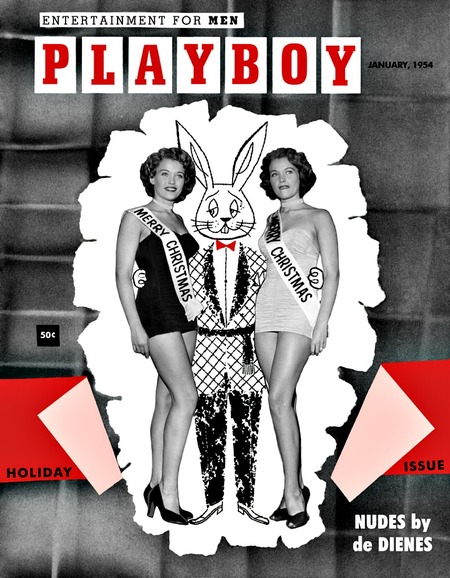
The Invention of the Rabbit by Arthur Pole (1953–1954) Art Director Arthur Pole developed a legendary logo—a silhouette of a rabbit in a butterfly. The rabbit became an ironic graphic symbol of playfulness, refinement, and elegance, forming the visual language of the magazine.
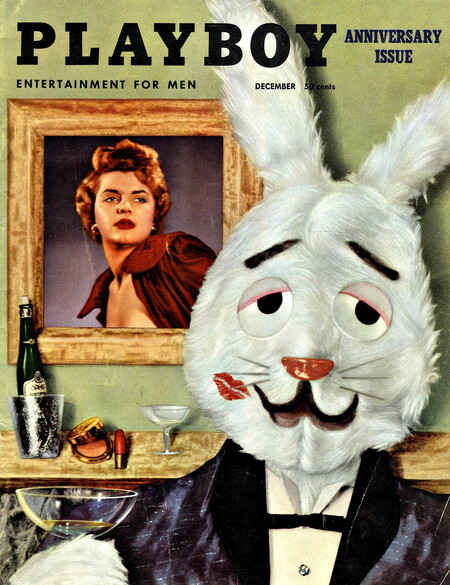
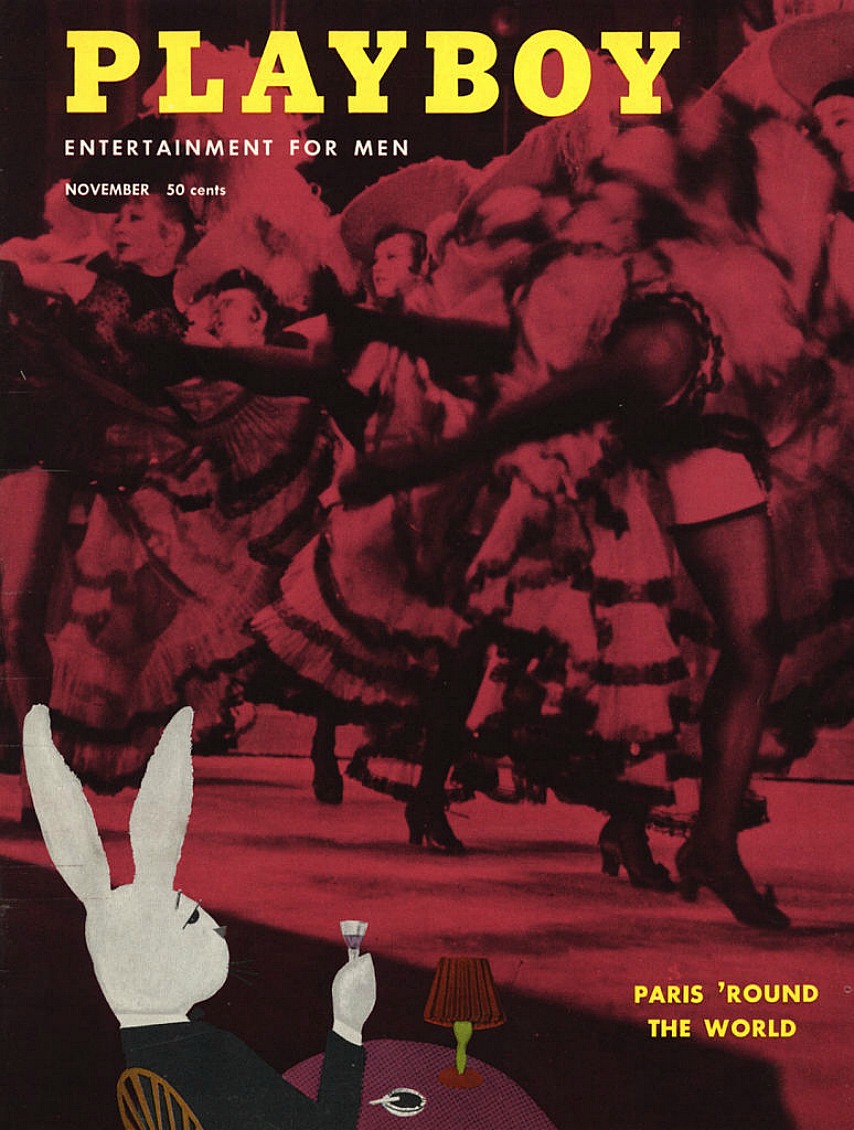
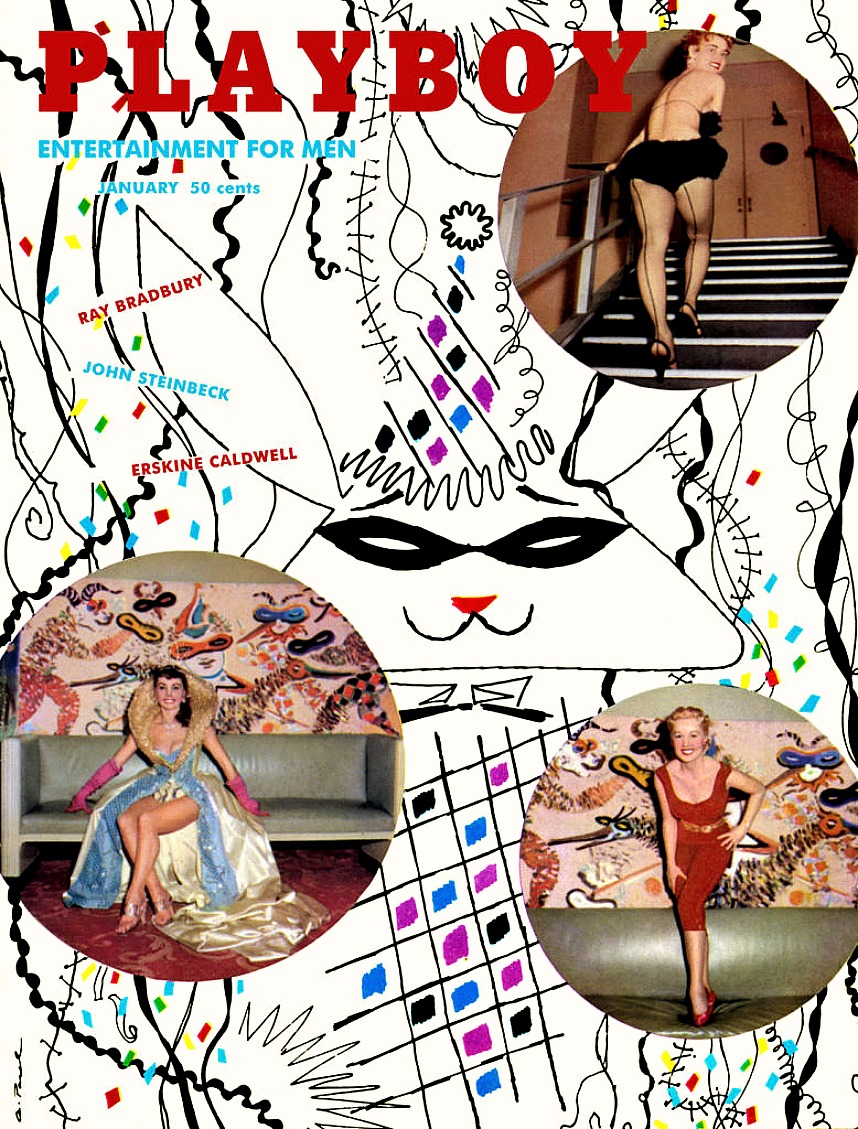
Minimalism and Illustrated Covers (1955–1957) In the 1950s, Playboy covers frequently referenced graphics and illustration in the spirit of modernism and Swiss design, rather than relying solely on photography. Viewers were invited to play a «find the bunny» game, transforming the cover into an interactive visual puzzle.