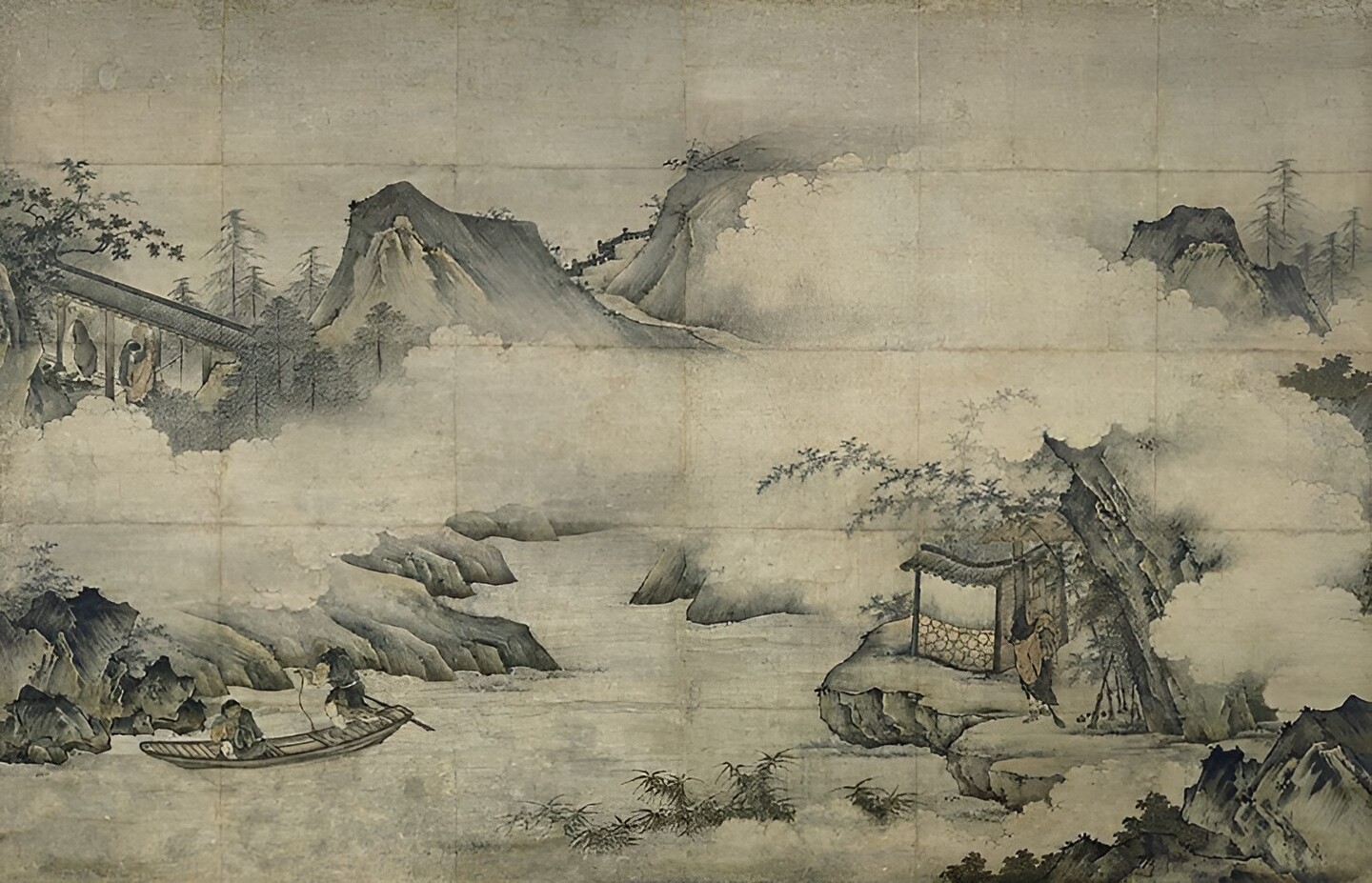
Concept
- Rationale for Topic Selection The selection of this topic stems from a personal interest in Japanese art and its history. Particular attention is drawn to the Muromachi period (1336–1573), which was one of the most crucial stages in the formation of Japanese artistic culture. It was during this time that, thanks to the Kano school, various painting styles gained wide popularity, new techniques developed, and Chinese and Japanese artistic traditions merged.2. Material Selection Principle The primary principle for selecting material is its historical and artistic significance in studying the development of the Kano school and its influence on Japanese art. Specifically for this research, the works of two key representatives of the early period of the school—Kano Masanobu and Kano Motonobu—are examined. Their works allow for tracing the main stages in the formation of the school’s artistic style.3. Research Structuring Principle The research is structured according to chronological and thematic principles. Initially, the historical context of the Muromachi period is examined. Subsequently, the creative works of the school’s founders are studied, as is the formation of characteristic artistic techniques and stylistic features, comparing them with the works of contemporary artists.
- Principle of Selecting and Analyzing Textual Sources When selecting textual sources, priority is given to museum catalogs, art historical research, and scholarly-artistic articles. Special attention is paid to the accuracy of the information and the presence of verified details regarding the provenance, dating, and artistic characteristics of the works under consideration.
The analysis of textual materials aims to reveal the characteristics of the artistic method of the early leaders of the Kano school and the significance of their work for the development of Japanese painting. When examining contemporary artistic movements, particular attention is paid to comparing traditional and modern techniques, as well as the degree of preservation of the historical heritage.
- Key Research Question and Hypothesis Key Question: How did the formation of the Kano school during the Muromachi period influence the further development of Japanese art and subsequent generations of artists?
Hypothesis: The formation of the Kano school was one of the most crucial stages in the shaping of Japan’s artistic traditions. By integrating Chinese techniques of monochromatic painting with Japanese decorative aesthetics, its founders created a recognizable artistic style that significantly influenced the development of painting in later eras. It is hypothesized that individual principles and techniques of the Kano school remain relevant in contemporary Japanese art, continuing to exist in the form of traditional methods that contemporary artists actively use and transform.
Historical Context
In Japan, the Muromachi period began in 1336 when the Ashikaga family seized power from the shoguns and established their headquarters in the Kyoto area—Muromachi. This period is considered the dawn of a golden age for Japanese art, during which the Kano school originated, founded by the highly renowned artist of the time, Kano Masanobu, and later passed to his son, Kano Motonobu, for leadership.Masanobu painted landscapes, Buddhist subjects, and figures, primarily members of the nobility. His skills were recognized by the Ashikaga family, which appointed him as a court artist for the shogunate. However, only a small fraction of his work has survived to this day.Motonobu, as Masanobu’s son and successor, fused Chinese painting with the traditional Japanese decorative style of «Yamato-e.» It was he who succeeded in popularizing the Kano school and cementing its place among other artistic workshops in Japan.
Works by Kanomasanobu
Masanobu’s work is often characterized by monochromatic ink painting, also known as «Suibokuga,» or simply sumi-e. In his compositions, large empty spaces frequently appear as a distinct element.
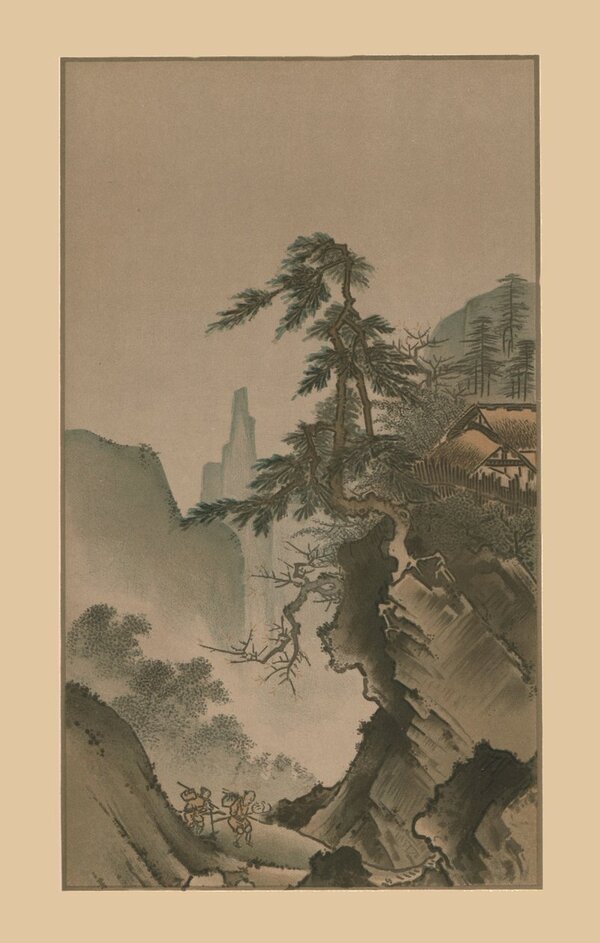
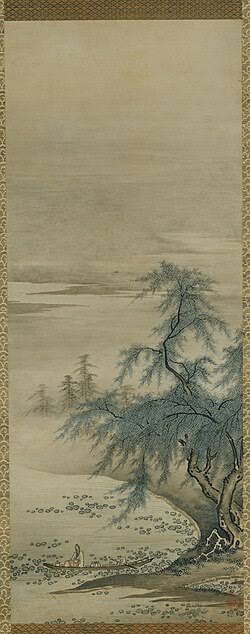
Kano Masanobu, «Chinese Landscape» (left), «Zhou Maoshu Admiring Lotus Flowers» (right), 1490–1520
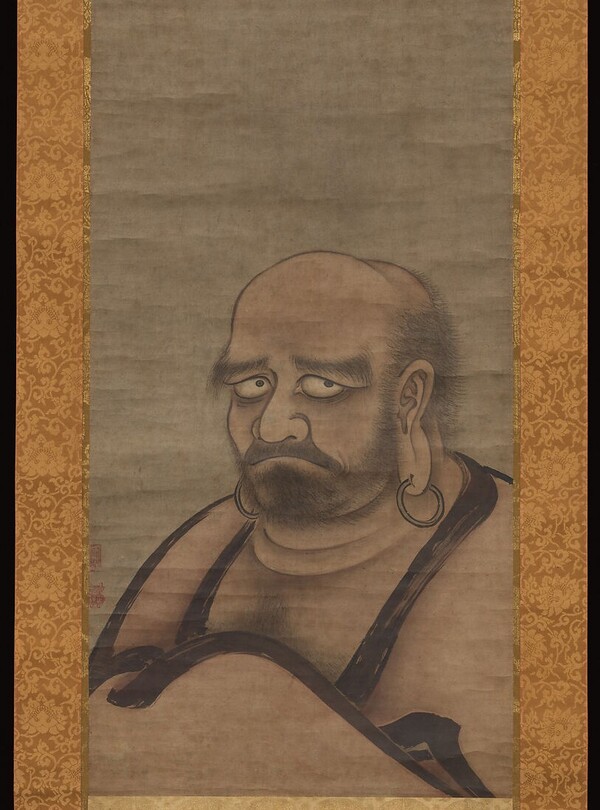
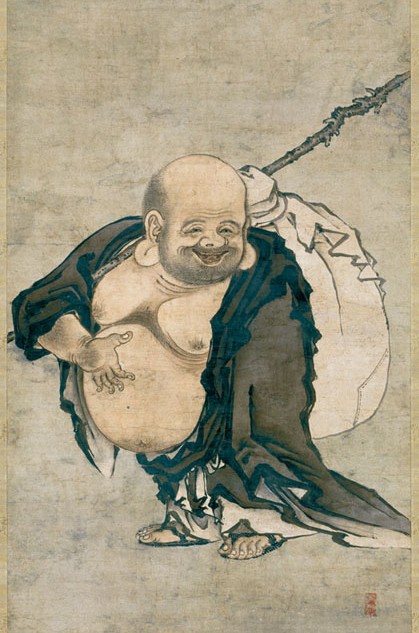
Kano Masanobu, «Bodhisattva in Red Robes» (left), «Hotei» (right), 1480–1500
Kano Masanobu, «Landscape,» 15th Century.
Kano Masanobu, «Monochrome Landscape, ” 15th Century.
Madoka Yokoyama, «Landscape, ” official date not published
Madoka Yokoyama, «Asakusa Kaminarimon Gate,» official date not published
Madoka Yokoyama, «Tokyo Sky Tree and Sushi,» official date not published
For comparison, we present black-and-white paintings by contemporary artist Madoki Yokoyama, which exhibit similarities to Masanobu’s technique: a minimalism in expressive means, the contrast between light and dark areas, and expressive brushstrokes.
Toko Shinoda, who specialized in abstract contemporary art, used similar techniques in her work.
Toko Sinoda, «Arriving Wind B», 1975
Toko Sinoda, «Blessing C, ” 1984–1998
Works by Kano Motonobu
In Motonobu’s works, there is a much greater use of color, yet the style and painting technique are preserved, and in some ways, even improved.
Kano Motonobu, «Flowers and Birds of the Four Seasons,» 1513
Compositions of this nature are called «Katyo-ga, ” which literally means „paintings of colors and birds.“
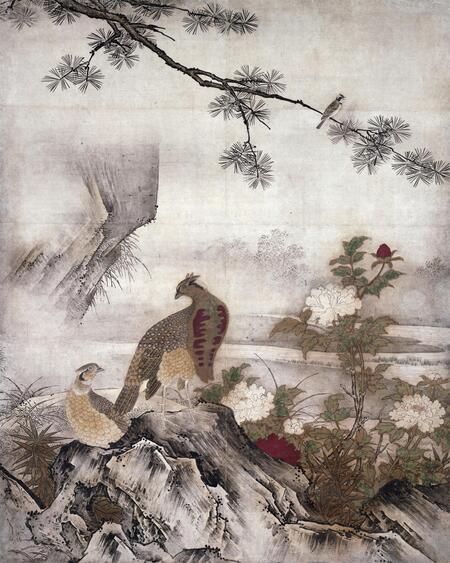
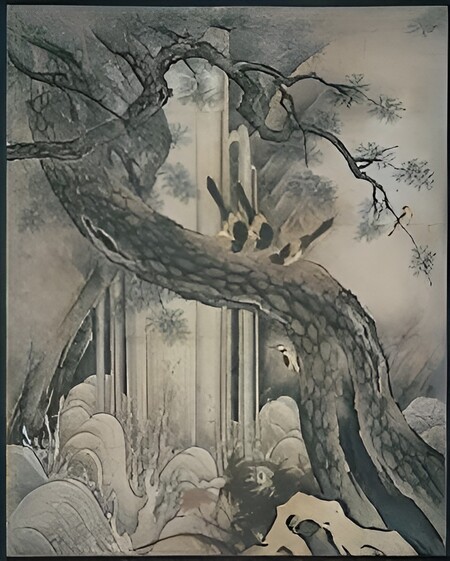
Kano Motonobu, «Flowers and Birds of the Four Seasons,» 1513
His works adorned folding screens called «Byobu» and fans. They themselves preserve the ink wash technique used by Kano Masanobu. The aforementioned empty spaces and the washing of ink with water to achieve various tones are visible.
Kano Motonobu, «Street Performance, ” 15th Century.
Kano Motonobu, «Landscape,» date unknown