As long as I live, I will control my essence.
Navigator
I. Concept II. Sophonisba Angissola III. Lavinia Fontana IV. Artemisia Gentileschi V. Conclusion
Concept
Introduction
For a long time, art history viewed the Renaissance exclusively through the lens of male genius—from Giotto to Raphael. However, despite strict social restrictions, lack of access to anatomy classes, and legal prohibitions against owning a workshop, outstanding female artists existed in the 16th and 17th centuries. Their path into the profession was either facilitated by enlightened artistic families, where the father acted as a mentor, or through aristocratic lineage, which afforded private education. Women were denied the opportunity to work on monumental painting and frescoes, which were considered the pinnacle of mastery; consequently, portraiture, as well as intimate religious and mythological scenes, became their primary focus. Nevertheless, it was they who first began to transform the portrait genre, imbuing it with psychological depth and vivid emotion.
Rationale for Topic Selection
Many still diminish the achievements of women in art, forgetting that influential female artists have always existed, even centuries ago despite prohibitions and difficulties. My goal is to remind people of the great female artists of the Renaissance.
Principle for Material Selection for Research
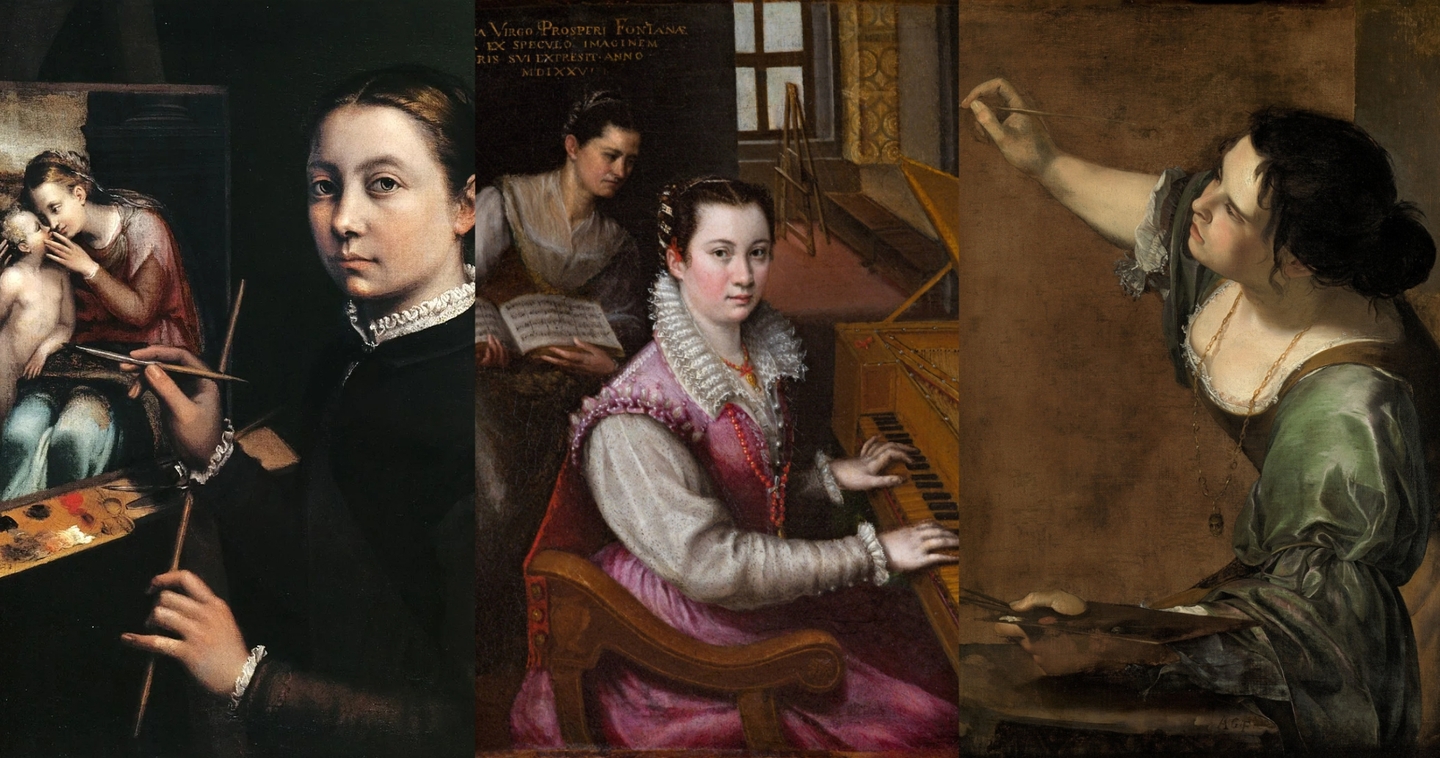
For my research, I analyzed the biographies and artworks of three of the most renowned Renaissance painters: Sofonisba Anguissola, Lavinia Fontana, and Artemisia Gentileschi. My focus was on the innovations these artists introduced into their works.
Research Structuring Principle
I divided my research into three parts to examine the works of three of the most renowned Renaissance female artists in detail and to identify what each contributed to art through their creative output.
Principle for Selecting Textual Sources
As textual sources, I selected books and articles that provide information on the biographies and artworks of female artists from the Renaissance period.
Research Hypothesis
In my research, I aim to confirm or refute the hypothesis that despite women being prohibited from pursuing art professionally, the Renaissance era gave rise to great female artists who not only achieved mastery but also managed to create something new for their time.
Sophonisba Angissola (c. 1532–1625)
Аристократка и придворный живописец
Sophonisba, the daughter of a Cremonese nobleman, became the first great female artist of the Renaissance. Her father, Amilcar Anghisola, held progressive views and hired the best tutors for his daughter, including Bernardino Gatti. Michelangelo Buonarroti became her primary mentor in the epistolary genre; recognizing her talent, he sent her drawings to copy and offered advice on composition.
Lavinia Fontana (1552–1614)
Первая универсальная художница Болоньи
Lavinia, daughter of the Bolognese Mannerist Prospero Fontana, was his primary student and assistant. Unlike many of her contemporaries, she did not come from the high aristocracy, yet she managed to build a brilliant social career.
Artemisia Gentileschi (1593–1656)
Голос женской силы и караваджизм
The most dramatic figure in the history of 17th-century art. Artemisia, the daughter of the Roman artist Orazio Gentileschi, a follower of Caravaggio, was in the studio from childhood.
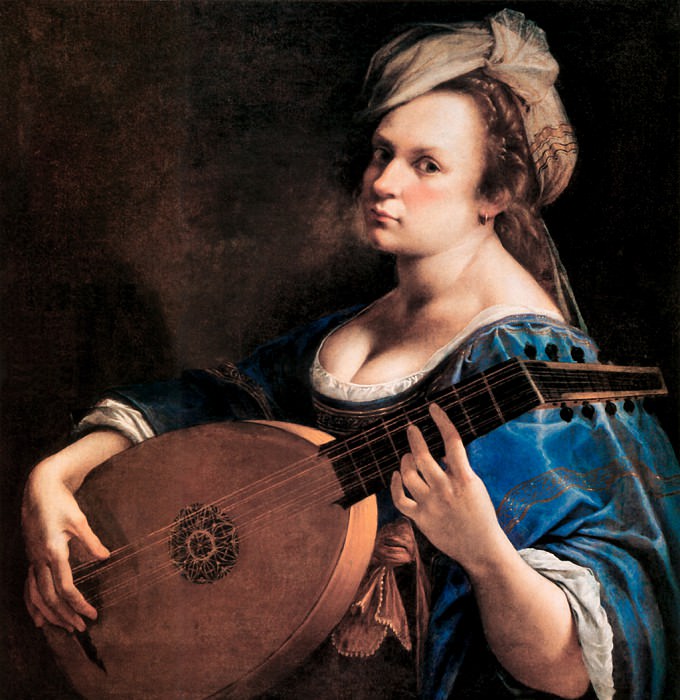
Self-Portrait, circa 1615–17