Concept
Woman Through the Ages is a visual study of the image of woman across the history of art, culture, and society. For millennia, the feminine image has remained one of the central themes of human creativity. It has been depicted in sculpture, painting, mosaics, frescoes, decorative arts, and other artistic forms. However, the perception of woman—her role, beauty, and significance—has continuously evolved alongside the development of civilization.
The goal of this study is to trace how the image of woman has changed from ancient times up to the 14th century, what meanings artists and sculptors of different eras ascribed to her, and how historical, religious, and cultural specifics influenced her formation.
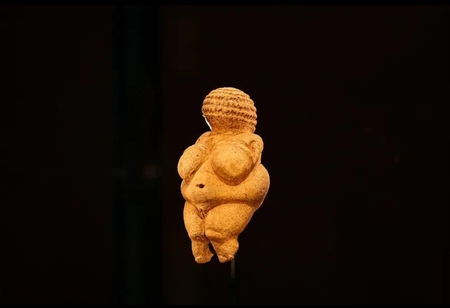
The research begins with prehistoric art, where the female figure was often linked to fertility, motherhood, life continuation, and the forces of nature. Small statuettes with emphasized body forms reflected the ancient understanding of birth, abundance, and well-being. Woman was perceived as a symbol of life and creation.
In the cultures of Ancient Egypt and Mesopotamia, the feminine image acquires new meanings. It becomes part of the religious system, mythology, and social life. Goddesses embodied love, beauty, fertility, power, and protection. Women were depicted not only as mothers but also as divine forces possessing a special place in the world.
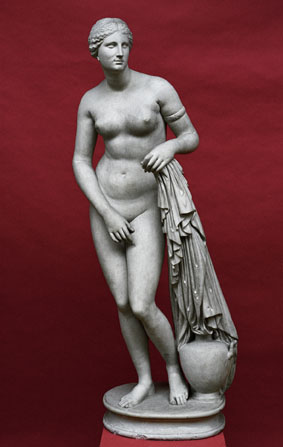
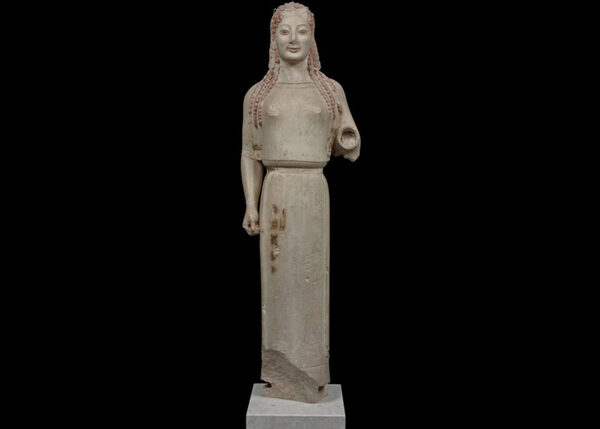
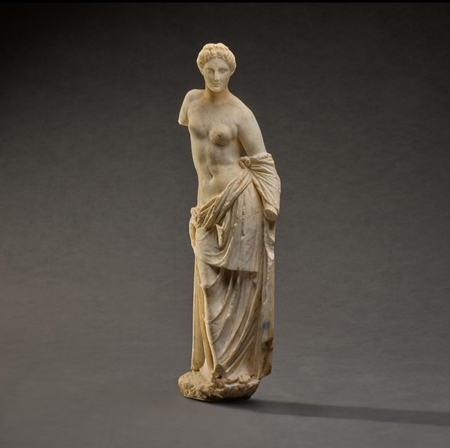
Ancient art witnesses a significant shift in the concepts of female beauty. Ancient Greek sculptors strived to convey the harmony of proportions, the naturalness of movement, and the idealized perfection of the human body. The female figure becomes the embodiment of an aesthetic ideal. In Ancient Rome, the image of woman also acquires individual characteristics: sculptural portraits conveyed features of appearance, hairstyle, clothing, and social standing.
The study pays particular attention not only to the external appearance of women but also to their symbolic meaning. Through female figures, one can trace society’s relationship with motherhood, beauty, power, religion, nature, and the human body.
Thus, the «Woman Through the Ages» project offers a journey through various historical epochs, where every artwork becomes a witness to its own time. By comparing images from different civilizations, it becomes clear that the image of woman was never static—it reflected the values, ideals, and worldview of society.
Research Objective
To trace the evolution of the female image in art history from prehistoric times to the 14th century, identify the specific characteristics of its depiction, symbolism, and cultural significance across different historical epochs.
Research Tasks
1. To study the earliest depictions of the female figure in prehistoric art.
2. To examine the representation of women in ancient world cultures.
3. To investigate concepts of female beauty in classical art.
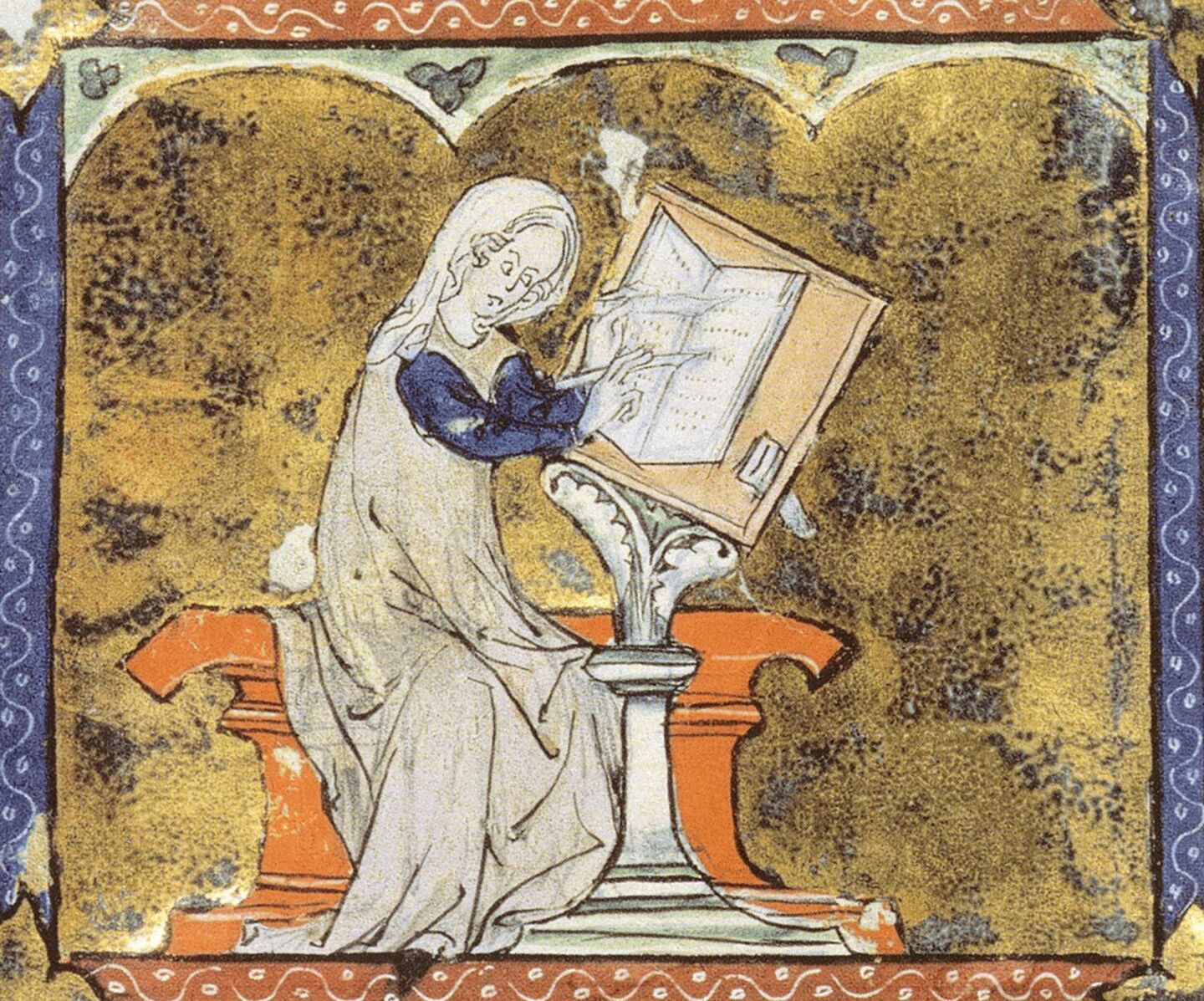
4. To trace the images of the Virgin Mary, saints, and ordinary women in medieval art.
5. To compare images across eras and determine the factors that influenced the change in the female image.
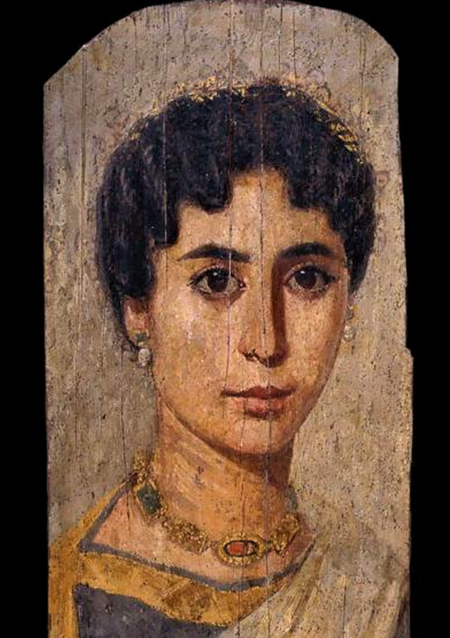
The Female Image as a Reflection of the Era The female image holds a special place in art history. Throughout the centuries, artists depicted women in various ways, reflecting their era’s perceptions of life, beauty, motherhood, nature, faith, goodness, and social standing.In different historical periods, the image of woman took on distinct significance—from a symbol of fertility and divine origin to an embodiment of beauty, spirituality, and earthly ideals.The evolution of the female image allows us to trace how the culture, worldview, and values of human society have changed. Image Caption: A beautiful portrait of a woman from the 2nd century AD from Roman Egypt. The painting is executed on wood and placed on an Egyptian mummy.
The image of woman has never been static. Across different historical epochs, it has reflected society’s perceptions of beauty, life, spirituality, and a woman’s purpose. • Primitivism — woman as a symbol of life, motherhood, and fertility. • Ancient Egypt — beauty, harmony, power, and high social status. • Antiquity — the ideal female form, perfection of proportions, and natural beauty. • Byzantium — spirituality, sanctity, and the image of the Mother of God. • Middle Ages — a religious ideal of purity, modesty, and virtue. Each era cultivated its own portrayal of woman, reflecting not only the aesthetic ideals of the time but also its culture, beliefs, and societal values.
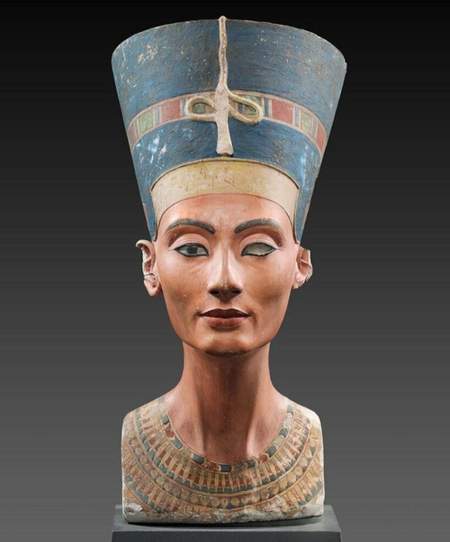
The Woman as a Symbol and Image in Art Throughout history, art has utilized the female figure not just to depict physical beauty, but also to convey significant societal ideas, beliefs, and perspectives. • Symbol of Life — Woman personified motherhood, fertility, and procreation. • Symbol of Beauty — In antiquity, the female form became the embodiment of harmony and perfection. • Symbol of Spirituality — In Byzantine art, the image of the Mother of God conveyed holiness and faith. • Symbol of Morality — In medieval art, the female image was associated with modesty, purity, and virtue. The female figure in art has always reflected not only a woman’s appearance but also the values, ideals, and worldview of her era.
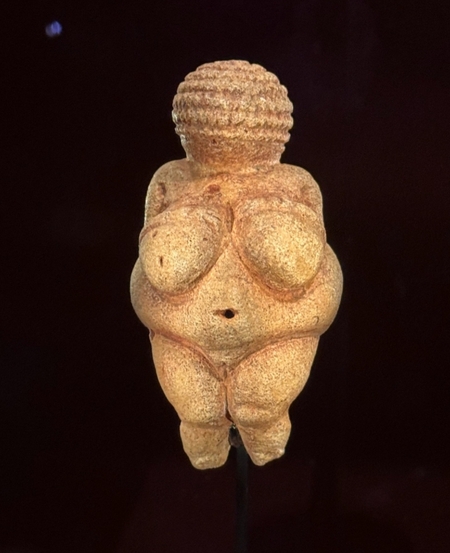
The Body as Artistic Symbol In prehistoric art, the human body was not depicted for the sake of external likeness. Forms were intentionally simplified and exaggerated, acquiring symbolic meaning. Particular attention was paid to the volume, proportions, and plasticity of the body. Through these features, humanity expressed concepts of fertility, procreation, and well-being.
The Ideal of Female Beauty in Ancient Egypt In Ancient Egypt, female beauty was perceived as a combination of harmony, youth, and elegance. In art, the female body was depicted according to specific canons: a slender silhouette, delicate facial features, smooth lines, and restrained posture. Adornments, hairstyles, and clothing held particular significance, as they emphasized the woman’s status and position in society. The female image became a symbol of beauty, nobility, and perfection.
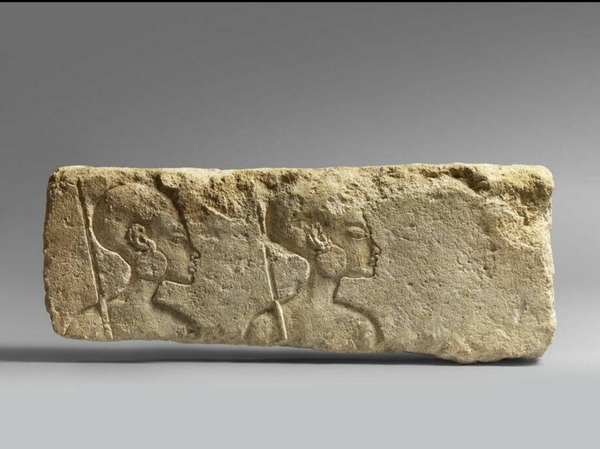
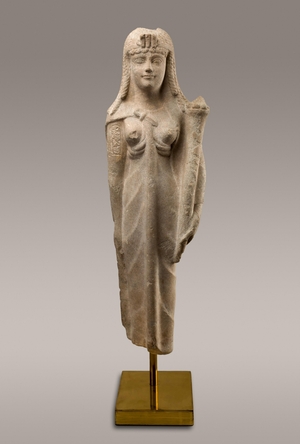
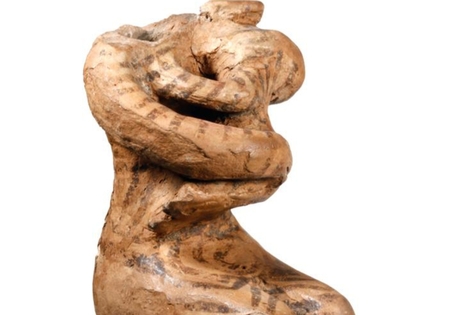
Woman—a symbol of motherhood and the continuation of life In the Neolithic era, the image of woman took on a new meaning. She was depicted not only as a symbol of fertility but also as the embodiment of motherhood, care, and the continuation of life. Images of pregnant women and mothers with children hold a special place. Through these figures, ancient people expressed reverence for the gift of life. Motherhood becomes one of the most important themes in the history of representing the female body.
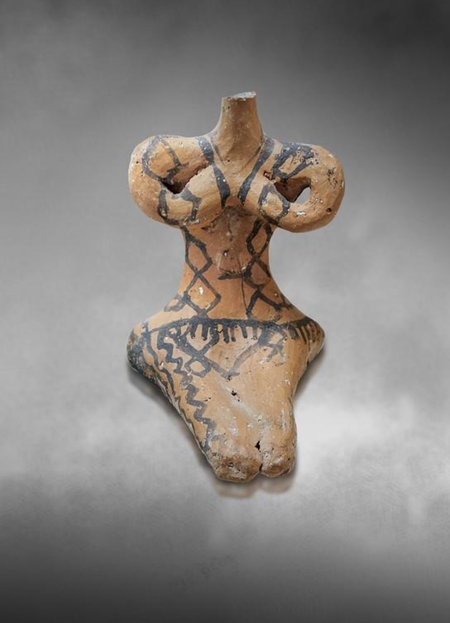
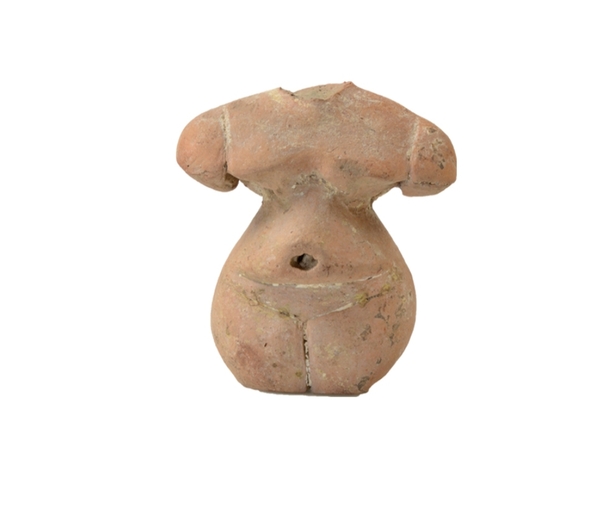
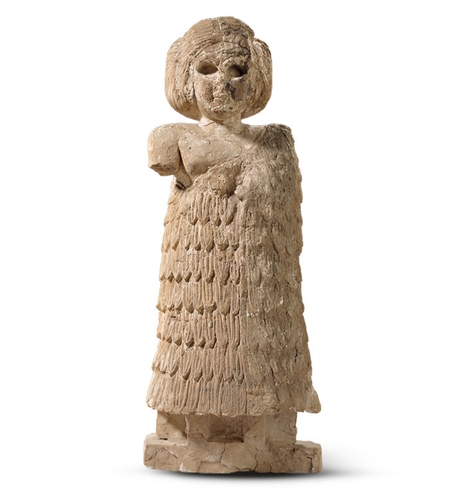
The Female Body in Mesopotamian Art In Mesopotamian art, the female body was frequently associated with fertility, motherhood, and religious rituals. Female figurines were crafted from clay and terracotta. Artisans emphasized the shapes of the breasts, abdomen, and hips, imbuing the body with profound symbolic significance. Unlike the idealized forms of Ancient Greece, the female figure in Mesopotamia more often functioned as a symbol of vital force, devotion, and procreation.
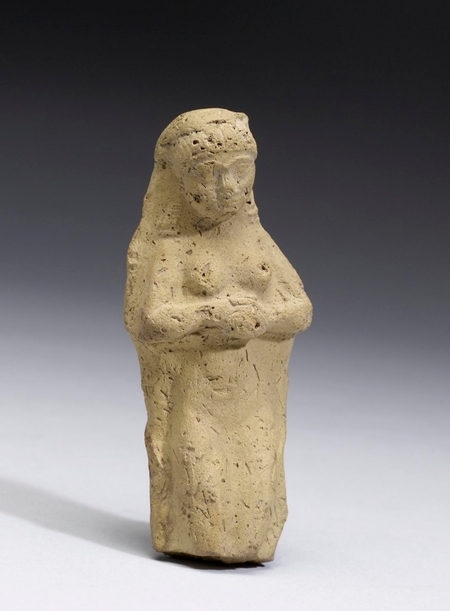
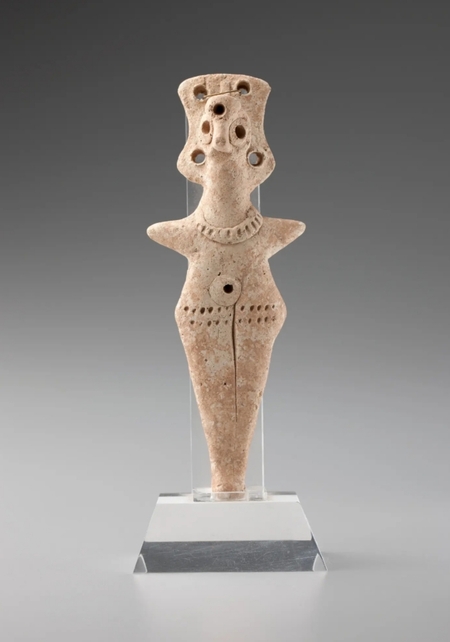
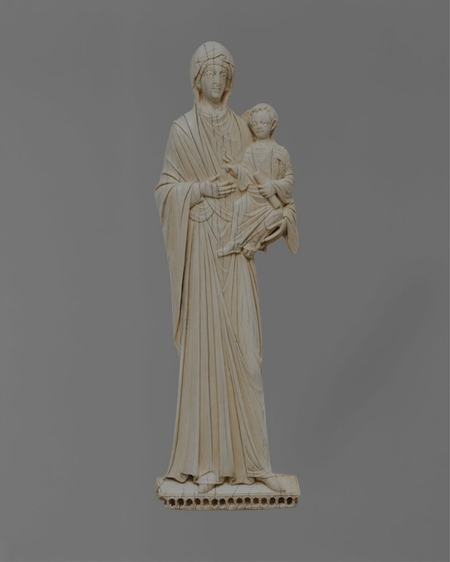
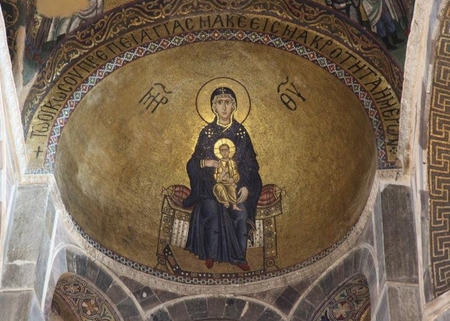
The Female Image in Byzantine Art The transition from the idealized physical beauty of antiquity to the spiritual image of women. In Byzantine art, the female image is primarily associated with the Virgin Mary, motherhood, faith, and spirituality. Beauty is conveyed not through bodily features, but through facial expression, symbolism, gold, and the solemnity of the image.
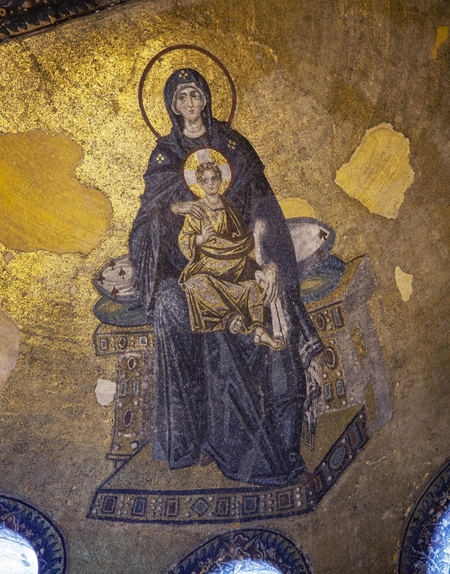
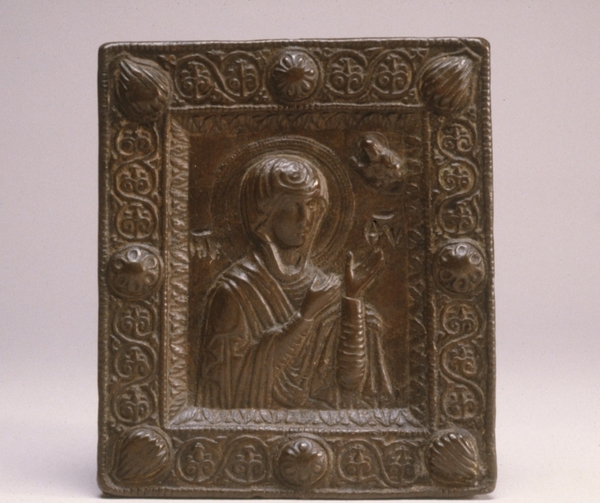
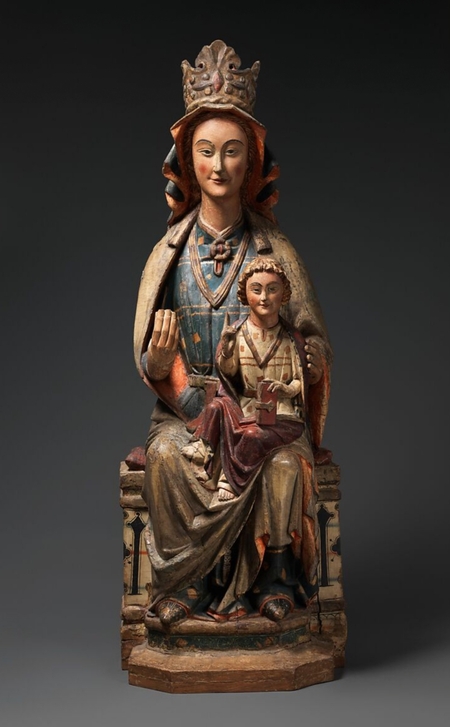
The Feminine Figure in Medieval Art • In medieval art, the female figure primarily assumes religious significance. The Virgin Mary holds a central place—a symbol of motherhood, mercy, purity, and spiritual strength. • Artists and sculptors depicted women in a reserved and solemn manner, emphasizing their connection to the divine world. Gradually, the icon of the Mother of God begins to show more human tenderness: the mother interacts with the child, and her figure becomes more plastic and natural. • During the Middle Ages, feminine beauty was perceived not only as external perfection but also as a reflection of spirituality.
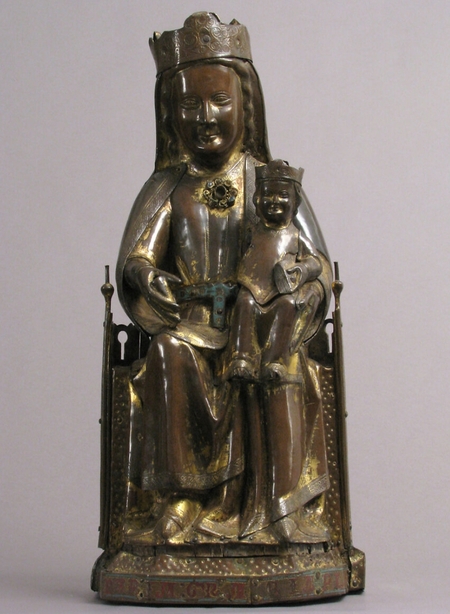
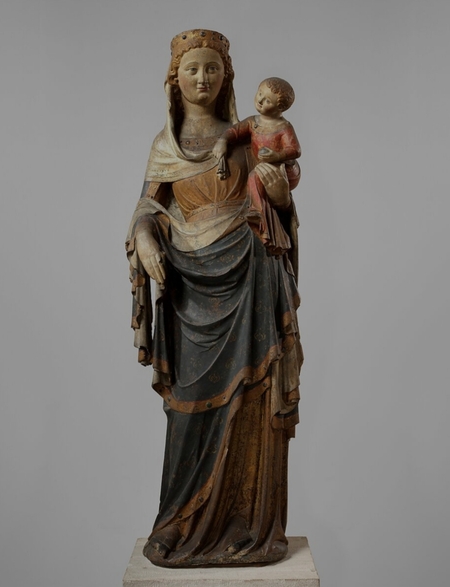
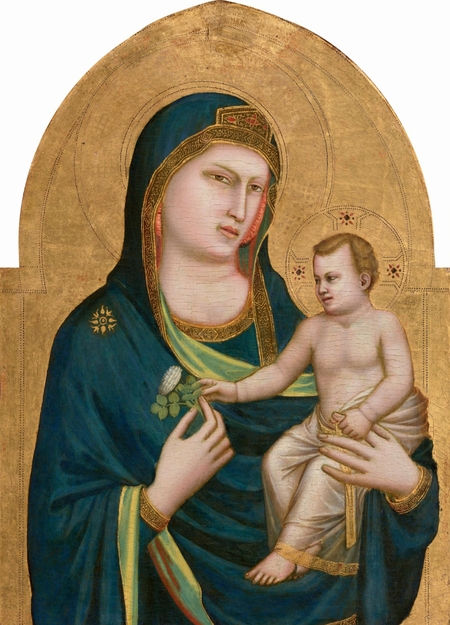
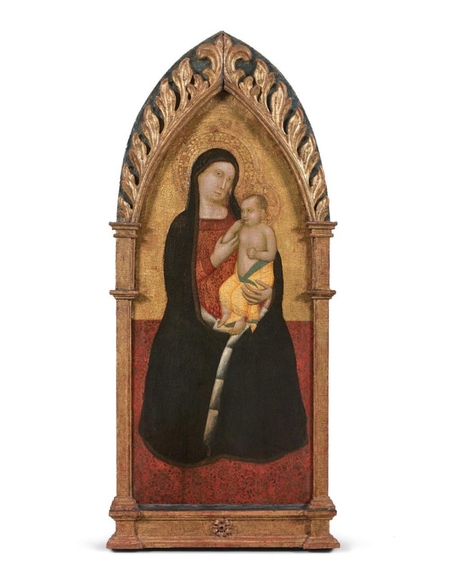
The Female Image in Gothic Painting (14th Century) • In the 14th century, the female image in Gothic painting becomes more emotional and expressive. Artists begin to pay attention not only to religious meaning but also to human sentiment. • In the works of Simone Martini and Giotto, the depiction of women acquires a particular tenderness, elegance, and plasticity. The gold background retains its symbolism of sanctity, while the gestures, faces, and folds of clothing bring the characters to life. • The female image gradually gains human characteristics while retaining its spiritual significance.
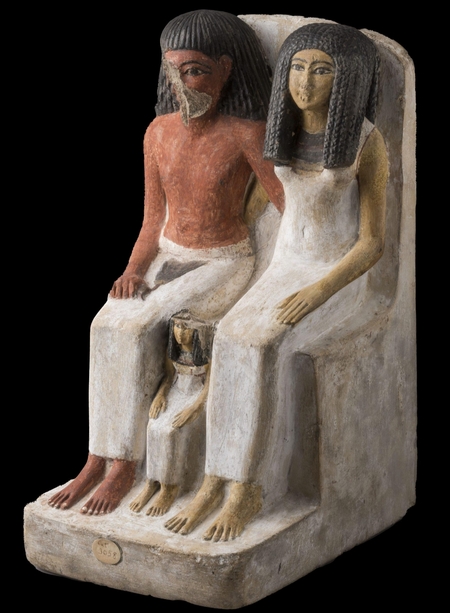
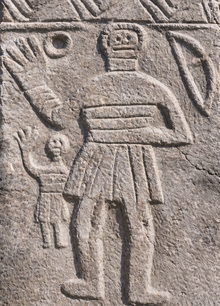
Woman and Man: Family, Relationships, and Procreation • In ancient art, the female figure was depicted not only through beauty and divinity but also through family life. Men and women were portrayed together, emphasizing their relationship, marriage, motherhood, and procreation. Such works allow us to see the significance of family in the life of ancient society.
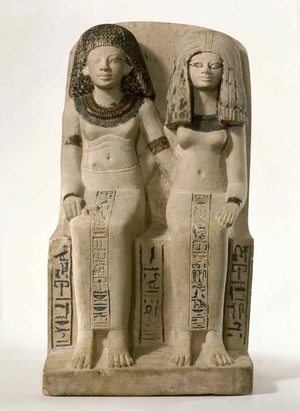
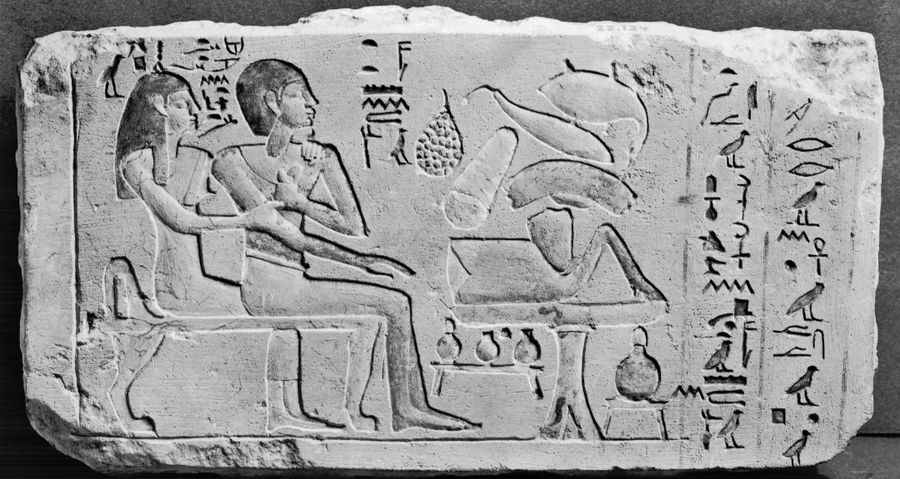
Women in Daily Life in Ancient Greece • In Ancient Greece, a woman’s life revolved around the home and family. She was responsible for raising children, weaving textiles, and managing the household. In art, this image was conveyed through scenes of daily life, wedding rituals, and family relationships.
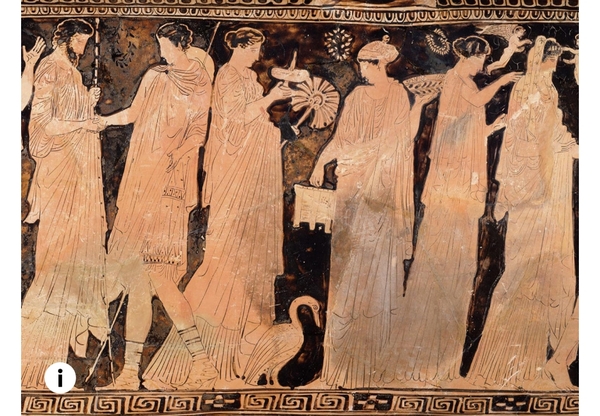
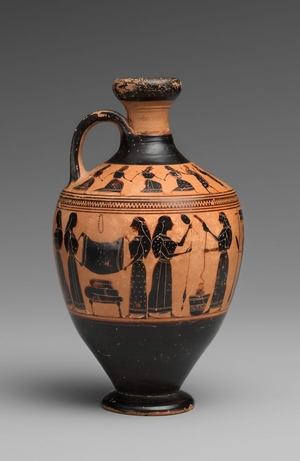
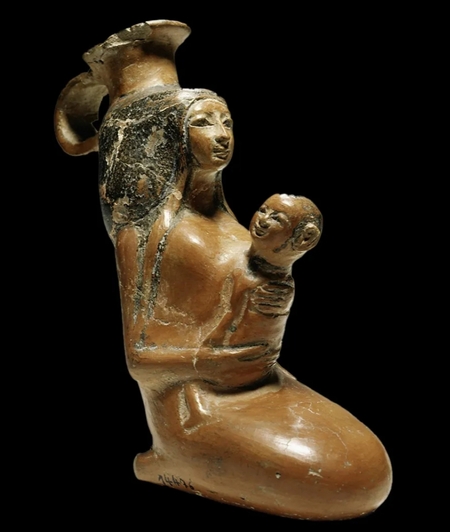
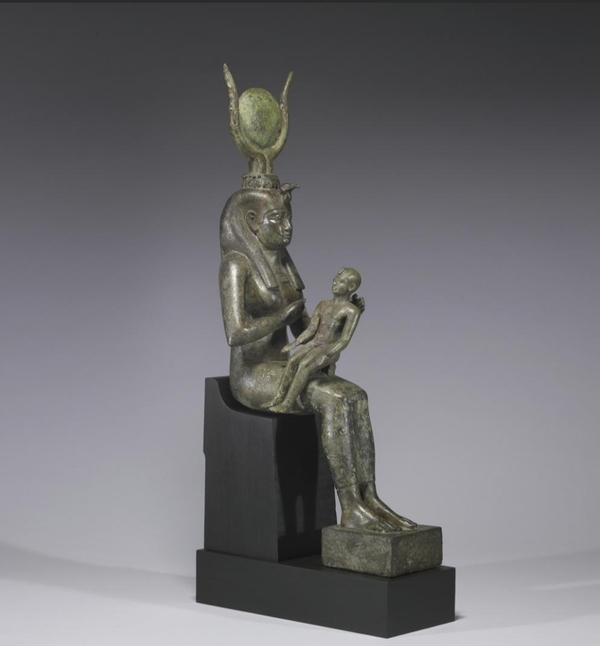
Motherhood: The Image of Woman and Child in Ancient Art • Motherhood emerged as one of the significant themes in ancient art. Women were depicted holding children, emphasizing their role as mothers, keepers of life, and continuers of the lineage. Through sculptures and reliefs, artists conveyed tenderness, care, and the bond between generations.• Motherhood became one of the key and most revered themes in the art of ancient civilizations. • Women were most frequently depicted holding a child or having the child on their lap, highlighting their great role as mothers, guardians of the hearth, and inheritors of the family line. • In Ancient Egypt, this subject was often associated with the goddess Isis and the infant Horus, lending a sacred meaning to earthly motherhood. • Through the flowing lines of sculpture and the delicate plasticity of the reliefs, masters conveyed deep tenderness, protection, care, and the unbreakable connection between generations.
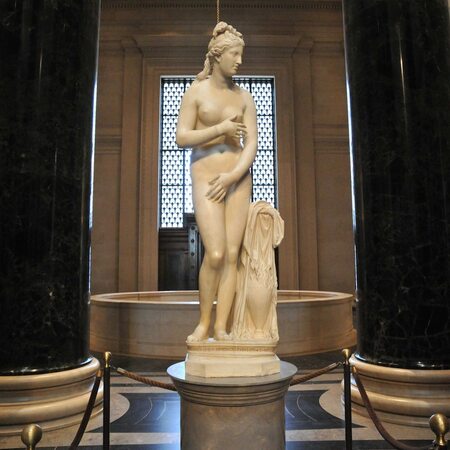
The Female Ideal of Beauty in Ancient Greece • In Ancient Greece, female beauty became a central theme in sculpture. Artists strove to capture the harmony of proportions, the naturalness of movement, and the idealized form of the human body. Through the depictions of goddesses and young women, a conception of the aesthetic ideal of woman was shaped.