[1] Концепция медиа
Ten people
Project Concept
When was the last time we gathered friends just because—without a birthday, New Year’s, or some other special occasion? Today, it’s much easier to arrange a meet-up at a café, go to the movies, or just chat on social media than it is to independently organize an evening for friends.It seems like throwing a good party requires too much effort. You have to figure out what to do to keep guests entertained, prepare food, choose music, decorate the space, and ensure everyone feels comfortable. This is especially challenging when some of the invitees don’t know each other.
But a great evening doesn’t necessarily require renting an expensive venue, hiring an organizer, or cooking a complicated dinner. Sometimes, all it takes is one large table, a handful of interesting people, and a simple idea that brings everyone together.
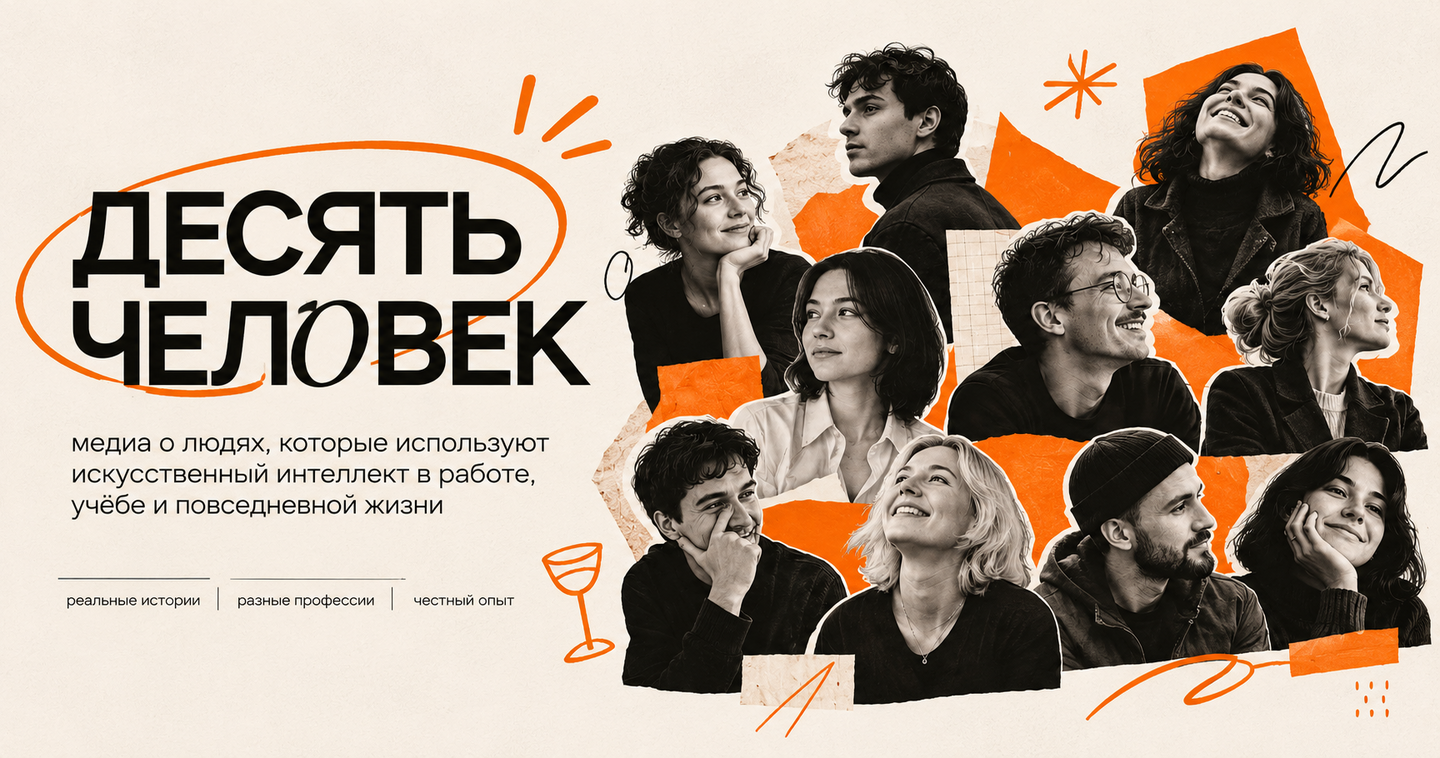
«Ten People» is an independent media outlet focusing on intimate gatherings, showcasing how ordinary get-togethers can be transformed into small events.
At the heart of the project is a single creator who independently conceives, organizes, and hosts evenings for groups of 8 to 15 people. The media documents the entire process—from the initial idea and guest list curation to space preparation, the event itself, and the lingering impressions afterward.The project combines a personal blog, exclusive events, and ready-to-use scenarios that readers can replicate themselves.«Ten People» isn’t about large-scale celebrations, professional catering, or perfect Pinterest photos. It’s about atmosphere, attention to detail, and the joy of quality time spent together.
Media Objective
The primary goal of this project is to make the culture of intimate, home gatherings more accessible and engaging. Currently, there is a wealth of material on how to plan a celebration. However, these resources are often just isolated collections—recipes, decorations, or entertainment ideas. Individuals must assemble all these elements themselves and devise how to turn them into a complete evening.«Ten People» proposes a different approach. Instead of offering discrete tips, the reader receives a complete event concept and the opportunity to see how it is executed in practice.
The media will assist people who wish to gather with friends more often but do not know where to begin. It will also be useful for those who already enjoy hosting but are seeking new formats and unique scenarios.
Another crucial objective of the project is to demonstrate that meaningful social connection doesn’t always require grand events. People can meet simply because they want to spend time together.
After reviewing the content, the reader should not only be inspired by a beautiful atmosphere but also understand how to independently organize a similar evening.
Topic and Audience
Segment: leisure, hospitality culture, offline interaction, and organizing intimate events.Core Theme: creating and hosting small, themed parties for groups of 8 to 15 people.The media is primarily aimed at young adults aged 20 to 35 who enjoy spending time with friends, meeting new people, and organizing unique gatherings.Primary Audience — students, young professionals, creative individuals, and anyone who prefers small groups over loud mass events.Aspiring Hosts. People who want to invite friends over but are concerned about organization, budget, or potential awkward situations.Home Party Enthusiasts. Those who regularly host groups and are looking for new ideas for menus, decor, music, and entertainment.Individuals Seeking Real Connection. People who want to expand their social circle and spend more time away from social media.Aesthetes and Detail Lovers. Readers interested in table settings, interior design, lighting, music, and the visual atmosphere of events.Core Media Topics
Party Scenarios. Ready-made ideas for themed evenings, event sequencing, entertainment, and ways to engage guests.Preparation and Organization. Grocery lists, budget planning, time management, venue selection, and guest list creation.
Food and Drinks. Simple menus for large groups, potluck dishes, appetizers, and ways to host a dinner without hours of cooking.
Atmosphere and Decor. Lighting, music, table settings, decor, and the small details that make an evening special.
Socializing and Mingling. How to introduce guests to one another, avoid awkward silences, and create a comfortable atmosphere.
Author’s Personal Experience. Organizing real events, mistakes, unexpected situations, impressions, and takeaways from every party.
Project Highlights
The main characteristic of «Ten People» is that the media doesn’t exist separate from the events—it evolves alongside them.The creator doesn’t just propose ideas; they independently test them in practice.
Every party becomes a small experiment. First, a concept is developed, then a script is created, and music, menu, and decor are selected. After the event, the creator discusses what worked, what difficulties arose, and what could be changed next time.
Thus, the reader observes not only a beautiful result but the entire organization process.
In the future, the project will feature three interconnected areas:
1. An authorial media platform offering free publications, scripts, and tips.
2. Private, intimate events available for sign-up.
3. Ready-to-go party kits for self-organization: script, menu, playlist, shopping list, and decoration recommendations.
This will allow the audience to interact with the project in various ways: simply by reading materials, independently organizing meetings, or attending events as guests.
Platform and Formats
Telegram will serve as the main media hub. This format is ideal for regular posts, short personal notes, photographs, video clips, and reader engagement.
The Telegram channel will feature party scripts, checklists, music playlists, decor ideas, event announcements, and behind-the-scenes stories. The channel will also allow for running polls, enabling subscribers to choose themes for future parties, and gathering feedback.
A secondary platform will be a landing page website. This site will host the schedule for private events, an archive of completed scripts, author information, and a way for users to purchase a kit for organizing a party themselves.
Core Content Formats:
• Author notes and stories.
• Practical guides and checklists.
• Ready-made scripts for themed parties.
• Photo collections and visual cards.
• Short event preparation videos.
• Playlists and music selections.
• Polls and interactive posts.
• Announcements for closed meetings.
• Reviews of past events.
Publications will be released several times a week. The main focus will be on materials that you can save and utilize when organizing your own event.
Visual Style
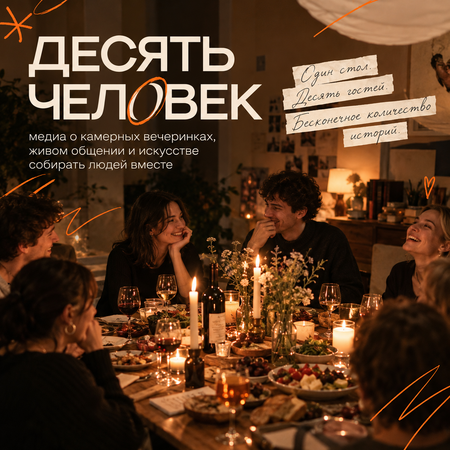
The media’s visual concept is built around the atmosphere of intimate gatherings.The core elements will include photographs of long tables, warm lighting, candles, tableware, interior design, and subtle preparatory details.
The aesthetic will feature muted tones, natural textures, minimalistic typography, and photographs that evoke a sense of genuine presence.
It is crucial that the visual materials do not look like advertising for expensive events. The project must maintain a feeling of accessibility, domestic comfort, and naturalness.
The main idea of the visual language is to showcase not a perfect party, but an evening one genuinely wants to be a part of.
[2] Тематический план на полгода
Six Months at the Same Table
Month 1: The Art of Gathering
The first month is dedicated to familiarizing yourself with the project and the concept of intimate gatherings. We discuss why small meetings can be more engaging than large-scale events, how to stop waiting for a special occasion, and what you need to organize your first gathering.
The main goal of this month is to demonstrate that hosting a great event is much simpler than it seems.
Publication Topics
1. «Hi! This is 'Ten People'». An introduction to the project, its idea, and future formats. 2. «Why exactly ten people?» Reflections on why a small group is ideal for comfortable conversation. 3. «You don’t need a reason to gather friends». How to stop postponing social gatherings until holidays or major events. 4. «First night: where to even start?» A simple guide to hosting a home party. 5. «Who to invite if you want to gather an interesting crowd?» How to curate a guest list and bring together people with diverse interests. 6. «Five mistakes I never want to repeat at my parties». An author’s note on preparation and common organizational challenges.At the end of the month, we can conduct a survey to learn how often subscribers invite friends over and what prevents them from doing so more frequently.Month 2. Atmosphere Makes the Difference
The second month is dedicated to the visual and emotional aspects of parties. We explore how space affects guests' mood and why even small details can completely transform the impression of an event.
We discuss lighting, music, tableware, décor, and ways to create an atmosphere without major expenses.
Publication Topics
1. «One Table — Three Completely Different Evenings.» How to change the mood of a space using light, tableware, and decor. 2. «Why Can Overhead Lighting Ruin the Atmosphere?» Simple ways to organize cozy lighting. 3. «A Beautiful Table Without Expensive Tableware.» Styling ideas using affordable items. 4. «Music That No One Notices, But Everyone Feels.» How to select a playlist for different stages of the evening. 5. «What to Buy for Parties Once and Use Forever?» A selection of universal decor and useful items. 6. «Party in a Regular Apartment: How to Prepare the Space?» Organizing a small room for a group of ten people.Throughout the month, you can publish visual collections and ask readers to vote for their favorite design options.Month 3: Everyone at the Table
The third month is dedicated to people and social interaction. Even the most beautiful party won’t be successful if the guests feel uncomfortable. Therefore, it is important to think in advance not only about the menu and decor but also about how people will interact with one another.
We explore how to introduce strangers, maintain conversations, and create an atmosphere where everyone feels they have a place.
Publication Topics
1. «How to bring together people who have never met before?» Preparing a mixed group and making first introductions. 2. «What to do if the guests are silent?» Ways to start a conversation without awkward games. 3. «Do you need seating arrangements for a home party?» How the placement of guests affects conversation. 4. «Five questions more interesting than the usual ‘How are you? ’» A selection of conversation starters. 5. «Phone-free party: experiment or inconvenience?» How to host an evening with minimal gadget use. 6. «What to do if one guest dominates all the attention?» How to maintain a comfortable atmosphere for the entire group.At the end of the month, you can encourage subscribers to share stories of their most unusual party encounters.Month 4: Themed Events
The fourth month is dedicated to thematic parties. You don’t have to come up with an elaborate program every time. Sometimes, one interesting idea is enough—an idea around which you can build the menu, the décor, and the social interaction.
We’ll show you how to create complete event scenarios and adapt them for different companies.
Publication Topics
1. «Potluck Dinner». A ready-made script for a communal gastronomic evening. 2. «Dinner Detective». How to organize a small party featuring a mystery and assigned roles. 3. «Evening of Memories: Photos, Music, and Old Stories». A script for a gathering dedicated to shared memories. 4. «Movie Dinner: Cooking Food from a Favorite Film». How to combine movie watching with a themed menu. 5. «Ten Guests—Ten Musical Stories». A party where each guest contributes one significant song. 6. «Hostless Night: Can the Program Run by Itself?» How to create a script that does not require constant oversight from the organizer.This month, subscribers can vote on a script that the author will attempt to implement at a real event.Month 5: Behind the Scenes
The fifth month is dedicated to the real organization of events. We show the preparation of events from the inside: budgeting, purchasing, venue selection, menu planning, and solving unexpected problems.
The main objective is to demonstrate that there is always hard work behind beautiful photographs—but that this work can be made clear and manageable.
Publication Topics
1. «Can you throw a ten-person party for 5,000 rubles?» A budget example calculating major expenses. 2. «What to cook for ten people without spending all day at the stove?» A simple menu for a large group. 3. «Three Hours Before Guests Arrive» A video covering the final stages of event preparation. 4. «What to do if a guest cancels an hour before the start?» How to manage unexpected changes. 5. «The Shopping List That Saves the Party» A universal checklist for the organizer. 6. «What would I do differently next time?» An analysis format for a completed event, including conclusions and recommendations.Throughout the month, you can publish short preparation videos, photos of the workflow, and polls regarding menu selection or decor.
Month 6. More Than a Party
The final month of the first thematic cycle is dedicated to project development and community building. We discuss why certain gatherings leave a lasting impression, how traditions emerge, and what makes a small group truly intimate.
We also introduce the audience to upcoming private events and curated party kits.
Publication Topics
- «Why do some evenings fade while others are remembered for years?» Reflections on impressions and the emotional side of gatherings.
- «How to turn ordinary get-togethers into a tradition?» Ideas for regular dinners and small rituals.
- «What remains after the last guest has left?» An author’s note on concluding an evening.
- «A complete evening in one folder.» Introducing the format of kits for self-organizing events. 5. «How to get into the private ‘Ten People’ evening?» Describing the future format of meetings and participation principles.
- «Six months at the same table.» A summary of the first thematic cycle, highlighting top ideas and project development plans.At the end of the month, a large survey can be conducted to find out which materials were most interesting, which scenarios readers would like to try, and whether they are willing to participate in private events.
[3] 10 образцов контента
Media Publications