Block 1. A Brief Overview of Media
Why does an empty corridor feel familiar? Why does a photograph of an unknown place evoke nostalgia? Why do certain frames from films or digital images feel like memories of events that never happened?

«A Place That Never Was”—an authorial media project exploring visual memory, uncanny familiarity, and spaces that never existed.
Media explores how film, photography, music videos, architecture, and digital visual culture evoke similar sensations. The focus is not only on the imagery itself but also on the viewer’s emotional response to it.
The primary goal of the project is to teach students to notice the visual techniques that influence perception: light, color, composition, perspective, space, textures, and recurring elements.
The core principle of media is: one image $\rightarrow$ one feeling $\rightarrow$ one visual analysis.
The main platform is Telegram, where posts combine images and text, short videos, selections, and discussions with the audience.
Media is geared toward individuals interested in visual culture—designers, film enthusiasts, and those drawn to atmospheric, strange, or nostalgic imagery. The project helps transform the intuitive feeling of «something about this hooks me» into a conscious understanding of visual language.
BLOCK 2. SEMESTER THEME PLAN
Publications are released 2–3 times a week. Each month is dedicated to a specific theme that explores one aspect of visual memory and perception.
Month 1. Strange Acquaintance
Topic: Why unfamiliar spaces can feel like memories.
The goal for the month is to introduce the audience to a key media phenomenon and demonstrate how familiar visual elements create a sense of familiarity even without a specific memory.
Publication Plan:
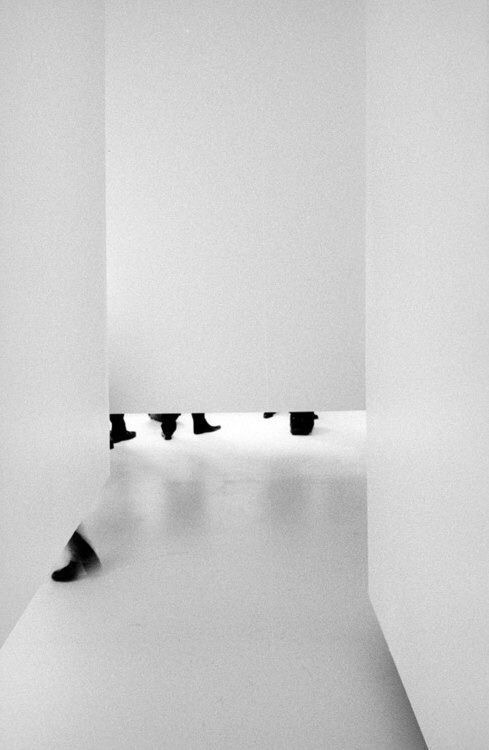
- «The Hallway You’ve Never Been In» — an analysis of perspective, repetitive doors, and lighting in an empty corridor.
- «Why Does a Waiting Room Feel Timeless?» — an analysis of neutral interiors and the absence of human presence.
- «One Technique: The Vanishing Point» — how perspective directs the gaze and creates a feeling of depth.
- «Places That Feel Like You’ve Already Been There» — a collection of atmospheric spaces with a prompt for the audience to share their associations.
Month 2. Nostalgia Without Memory
Topic: Why some images evoke a sense of the past, even if they aren’t tied to personal experience.This month’s objective is to explore the visual cues associated with memory, time, and nostalgia.Publishing Plan:1. «Why do faded colors feel like the past?» — the role of muted palettes and visual associations with old photographs. 2. «Film Grain: Trace of Time or Its Imitation?» — how texture influences image perception. 3. «A Photograph That Looks Like a Memory» — an analysis of soft focus, candid framing, and imperfect lighting. 4. «What Color Was Your Childhood?» — an interactive post about colors and images linked to personal memory.
Month 3. Architecture of Memory
Topic: How architecture and interior design shape the emotional perception of space.
The goal this month is to demonstrate how scale, repetition, perspective, and the absence of detail can evoke feelings of anxiety, loneliness, serenity, or uncanny familiarity.
Publication Plan:
- «Staircases Leading to the Unknown» — an analysis of vertical spaces and visual uncertainty.
- «Why Do Identical Doors Feel Uneasy?» — an analysis of repetitive elements and symmetry.
- «A Single Technique: The Empty Center» — how object placement influences visual perception.
- «Architecture Between Here and There» — a collection of transitions, stairwells, hotel corridors, and other liminal spaces.
Month 4. Cinema and the Sense of Presence
Topic: How cinema creates atmosphere through framing, light, and space.The goal for the month is to teach students how to notice visual choices that function independently of plot and dialogue.Publication Plan:1. «A frame where no one is present, but someone seems to be there» — the role of emptiness and traces of human presence. 2. «Light in a window as a promise of a story» — analyzing contrast and implied action outside the frame. 3. «How a slow shot changes the sense of time» — the influence of duration and stillness on perception. 4. «When space is more important than the character» — dissecting compositions where architecture becomes the scene’s primary expressive element.
Month 5. Digital Spaces and Non-Real Places
Topic: Why do video game locations and digital images sometimes feel like memories of places that never existed?
This month’s goal is to expand the exploration of visual memory beyond photography and cinema to include digital visual culture.
Publication Plan:
- «Why do game locations feel familiar?» — the role of architecture, lighting, and recurring spatial motifs.
- «The room that never existed» — an analysis of digital interiors that combine realistic details with impossible spaces.
- «One trope: overly clean emptiness» — the impact of sterile surfaces and the absence of traces of life.
- «Places that might have been dreamt» — a selection of digital spaces imbued with the atmosphere of a dream and uncanny familiarity.
Month 6. Personal Visual Memory
Topic: How personal experience influences the perception of images.
The goal for the month is to engage the audience in exploring their own associations and to provide an interim summary of the work of media.
Publication Plan:
- «What does your sense of familiarity look like?» — Collection of reader stories and visual associations.
- «One image—three different feelings» — Comparing possible interpretations of a single image.
- «Recurring motifs of visual memory» — A selection of visual techniques and spaces that most frequently appeared in the publications.
- «What have the places that didn’t exist taught us?» — A concluding piece on how to look at images more closely and understand one’s own reaction.
The thematic plan culminates over six months, progressing from an introduction to the phenomenon of the uncanny to a detailed analysis of specific visual mechanisms, ultimately engaging the audience in the independent exploration of their own sensations.
BLOCK 3. Ten Content Examples
1. «The Corridor You’ve Never Seen»
Sometimes an empty hallway feels like a fragment of a memory. The repeating doors, the cool light, and the perspective create a space that feels familiar, yet one that cannot be recalled in its entirety. Perhaps we recognize individual details, but we cannot place them in the location to which they belong.