НЕстолица
Контент-план медиа
Media Concept
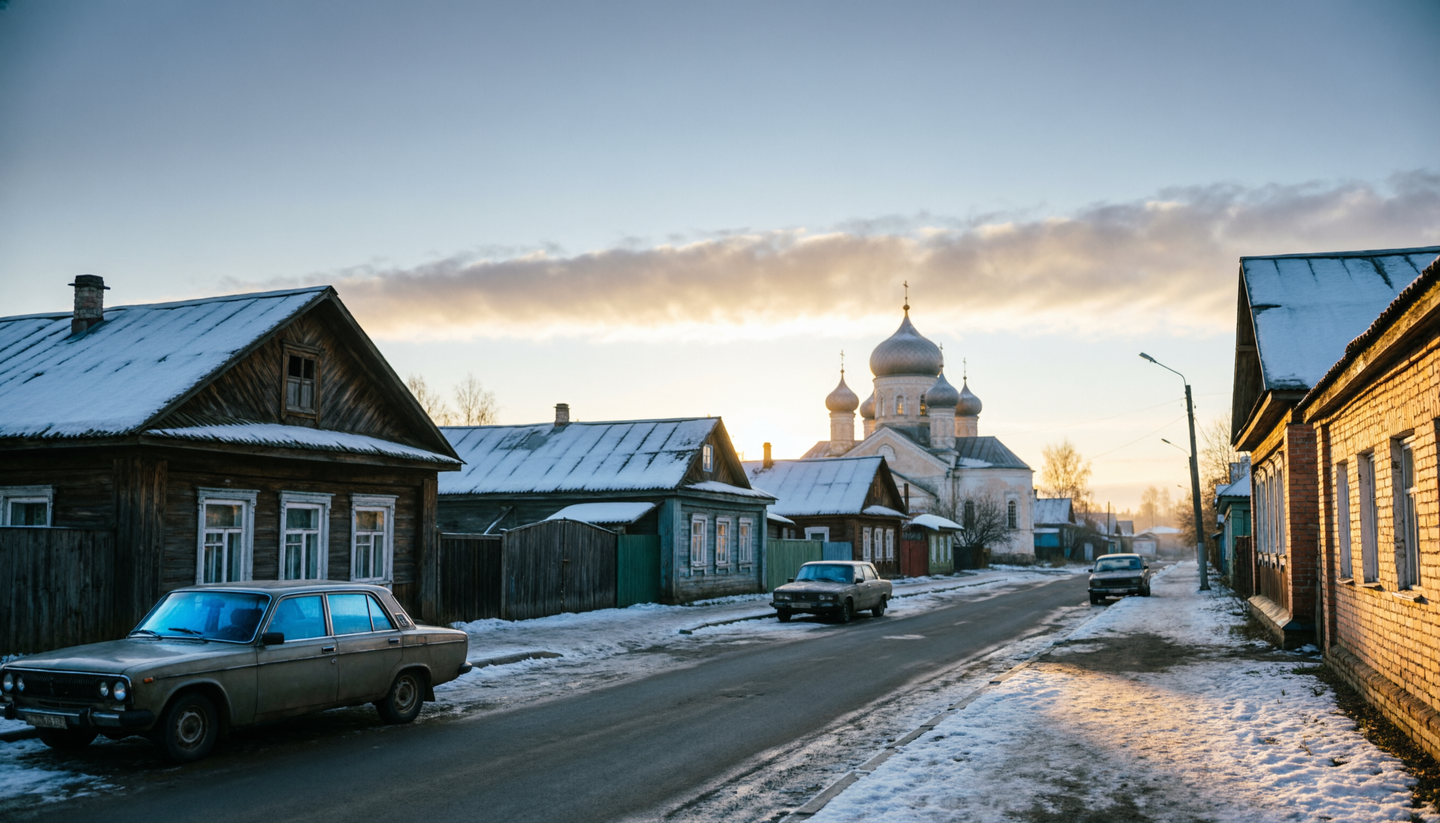
Nestorolitsa—a media outlet focused on the history, life, and daily routines of Russia’s smaller cities, seen through the eyes of the locals.
The media explores the lives of bakers, teachers, taxi drivers, photographers, and entrepreneurs from non-capital cities, delving into everyday life, local rituals, family archives, and how a city shapes a person’s character.
The project is built on a combination of a documentary approach and a warm, familiar atmosphere. This isn’t about recounting the news, nor is it about idealizing the «provinces»; instead, we examine how life truly functions outside of major metropolitan areas—what people eat, how they earn a living, what they dream about, why they leave, and why they return.
Half-Year Thematic Plan
Each month is dedicated to a specific aspect of small-town life. Different formats are used within the themes: author columns, interviews, photo essays, curated selections, archival materials, and analytical breakdowns.
November — Life in Small TownsThe first month is dedicated to people: we meet bakers, teachers, taxi drivers, photographers, and entrepreneurs from non-metropolitan cities. We explore how they live, what they earn, what they love, and what they feel is missing.Main formats: interviews, portraits, selections of new voices, short vignettes.December — Daily Life and RitualsWe investigate daily life: what people eat, how they celebrate holidays, how they spend their evenings, what traditions are maintained, and which ones are disappearing. We view this through the lens of cultural code.Main formats: photo essays, author columns, collections of recipes and rituals, visual materials.January — Places and MemoryWe talk about old houses, abandoned factories, local legends, and family archives. We show how a city preserves its memory and what happens to places that no longer exist.Main formats: archival photos, documentary stories, analyses, interviews with local historians.February — Work and the FutureWe examine how people earn a living in small towns, why they leave and why they return, and how local businesses build themselves and compete for attention. We discuss remote work, relocation, and the concept of «coming home.»Main formats: interviews, analytical deep dives, relocation stories, author columns.March — The City as a SetWe view the small town as a visual space: architecture, courtyards, markets, train stations, and signage. We explore how the environment shapes aesthetics and how photographers and artists engage with the local context.Main formats: photo essays, visual collections, photographer interviews, analyses.April — Non-Metropolitan Areas and TechnologyWe discuss how neural networks and digital tools are changing life in small towns: remote work, online education, local media, and digital archives.Main formats: analytical features, author columns, reviews of digital projects, discussion pieces.
10 Content Samples
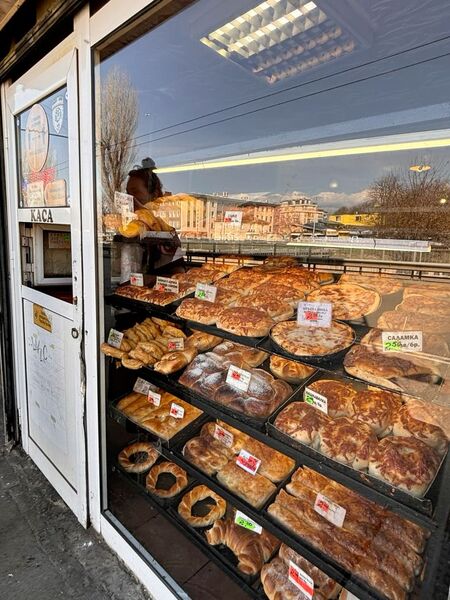
The Baker Who Returned
Sergey moved to Moscow at age 22—chasing a career and a feeling that an interesting life was happening somewhere else. He worked in IT for eight years, but at 34, he returned to his hometown and opened a bakery.
At first, it seemed like the idea wouldn’t work, but within six months, people were steadily lining up starting at seven in the morning. By autumn, he had hired two employees and opened a second location.
Sergey’s story is about how sometimes «leaving» and «returning» aren’t two separate decisions, but one long journey.
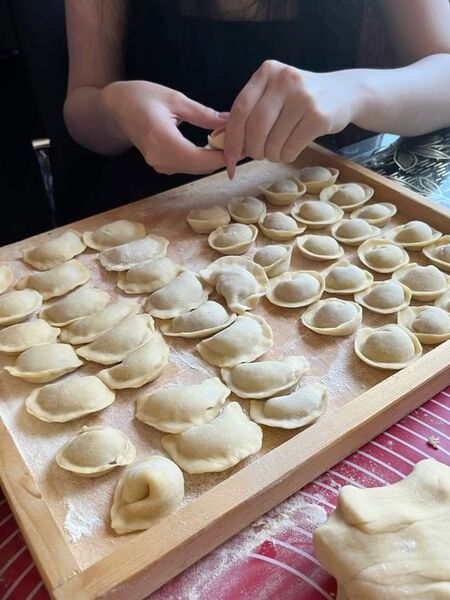
What People Eat for Dinner in a Small TownTen families from various towns sent photos of their dinner and shared their stories. It created a portrait of everyday life: from handmade pelmeni to takeout from the town’s only sushi bar.Dinner turns out to be the intersection where work, budget, habits, and memory converge. And through this point, we can see how a day is structured in a small town—without statistics or generalizations.
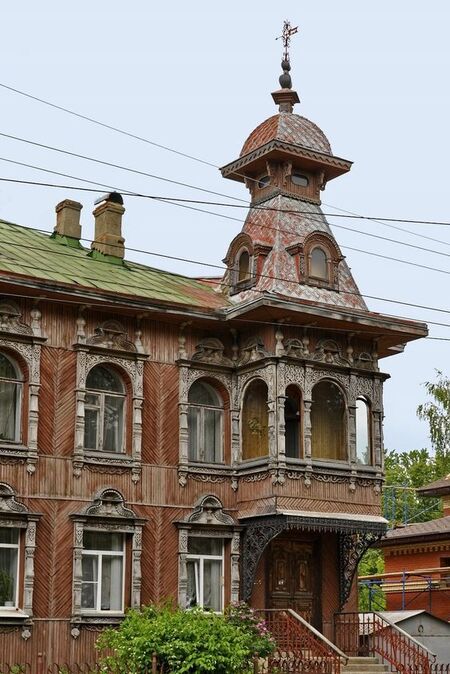
A Home That No Longer Exists
In 2019, a 19th-century wooden house in the city center was demolished. This piece collects memories from former residents and a local historian’s account of what stood on that site and why it wasn’t saved.
The house served as a residence, then an office, and eventually became an empty building with boarded-up windows. Inside, hearths, ceiling stucco, and wall inscriptions remained. When the house was torn down, a few people came to view the farewell.
The material explores how the disappearance of a building alters a neighborhood’s memory. A parking lot now occupies the former site, and the new generation knows nothing of what once stood there.
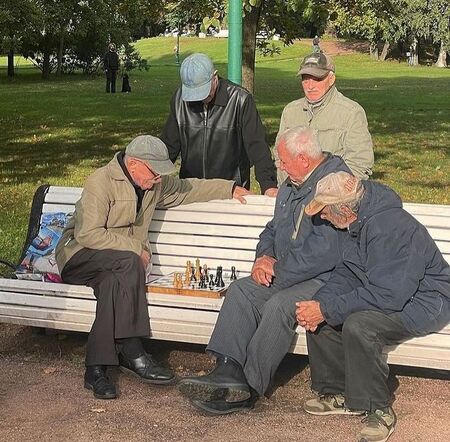
A Brief Glossary of the Small Town
Every city has its own dialect. The phrases heard from locals weave together an ironic, yet precise, portrait of daily speech. Within them lies pride in the place, weariness from it, and the habit of explaining one’s life to those who look down.
«We aren’t like Moscow» — they say this with varying intonations: sometimes with defiance, sometimes with regret, sometimes with relief. «It’s peaceful here”—and they immediately add that it’s boring. This glossary isn’t about vocabulary; it’s about the way one speaks about oneself. Through these phrases, you can see how a person simultaneously loves their town and wishes to escape it.
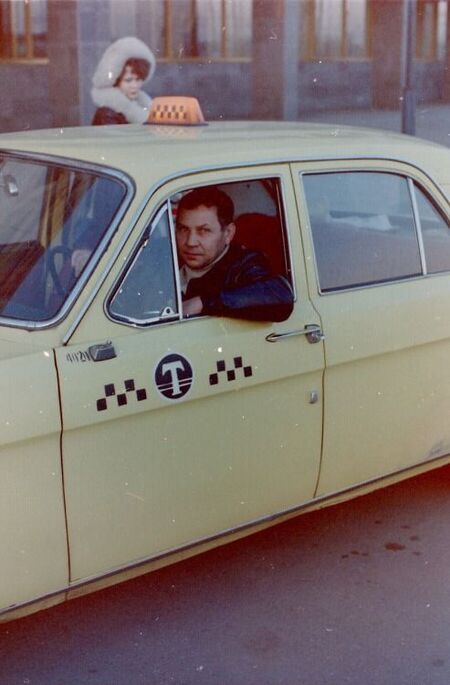
The Taxi Driver Who Knows Everything
Viktor has worked as a taxi driver in his city for 20 years. He knows who is divorcing whom, where to find the best shashlik, and why a factory closed down. A ride with Viktor turns into a monologue about the city, its people, and time—about how the city changes while remaining recognizable.
In twenty years, he has seen the routes transform: formerly, he drove people to the factory; now, he drives them to and from the airport. Back then, conversations in the car were about salaries; now, they are about moving. But one thing remains constant: the desire to talk. In a small town, a taxi driver is not just a driver, but a confidant who knows more than any newspaper.
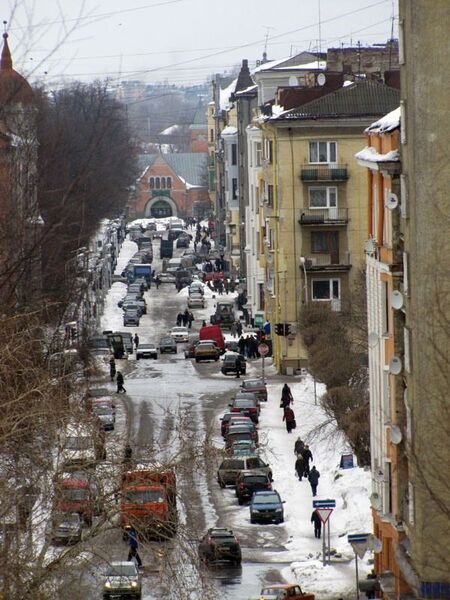
Leave or stayFive people from the same city: two left, two stayed, and one returned. They were all asked the same question—what «home» means to them, what is missing, and what they would change. It turns into a conversation about how a city remains within a person, regardless of the distance.Those who left speak of freedom and opportunity, but admit they miss the quiet and the people. Those who stayed speak of roots and the ability to breathe here, but complain about the lack of jobs. The one who returned immediately addresses both sides: how difficult it was to decide and how easy it turned out to live once you understand why.
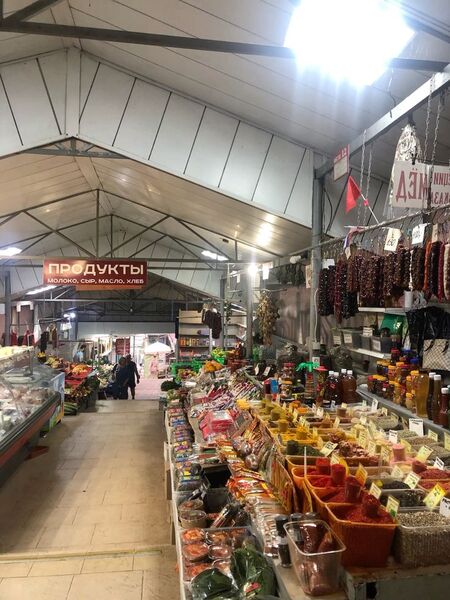
The Market on Saturday
The market opens at six in the morning when the supply trucks arrive, and it winds down around lunchtime, leaving only the most resilient vendors and the latest shoppers. Between these points—there is a whole life.
At the market, you see everything that social media obscures: the fatigue etched on a vendor’s face, the scent of fresh herbs, the sound of laughter over a joke no one will remember.
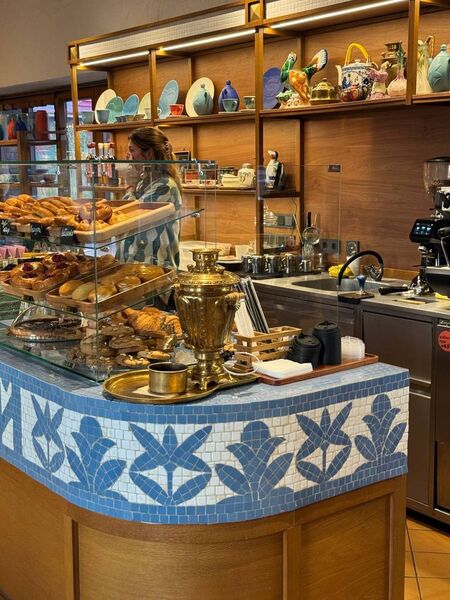
How to Open a Coffee Shop in a City on a Budget of $30,000
Anna opened a coffee shop in a city where there had never been one before. This is a practical breakdown of local business—without rose-tinted glasses.
The space was found on the ground floor of a residential building; previously, it was a shoe repair shop. She had to perform renovations, change the wiring, and negotiate with the residents who were initially against it. The equipment was delivered from the regional center, coffee was sourced through acquaintances, and she trained the first barista herself.
The most important things turned out not to be the equipment or the menu, but the people. Now she has regulars who come not just for coffee, but for conversation.
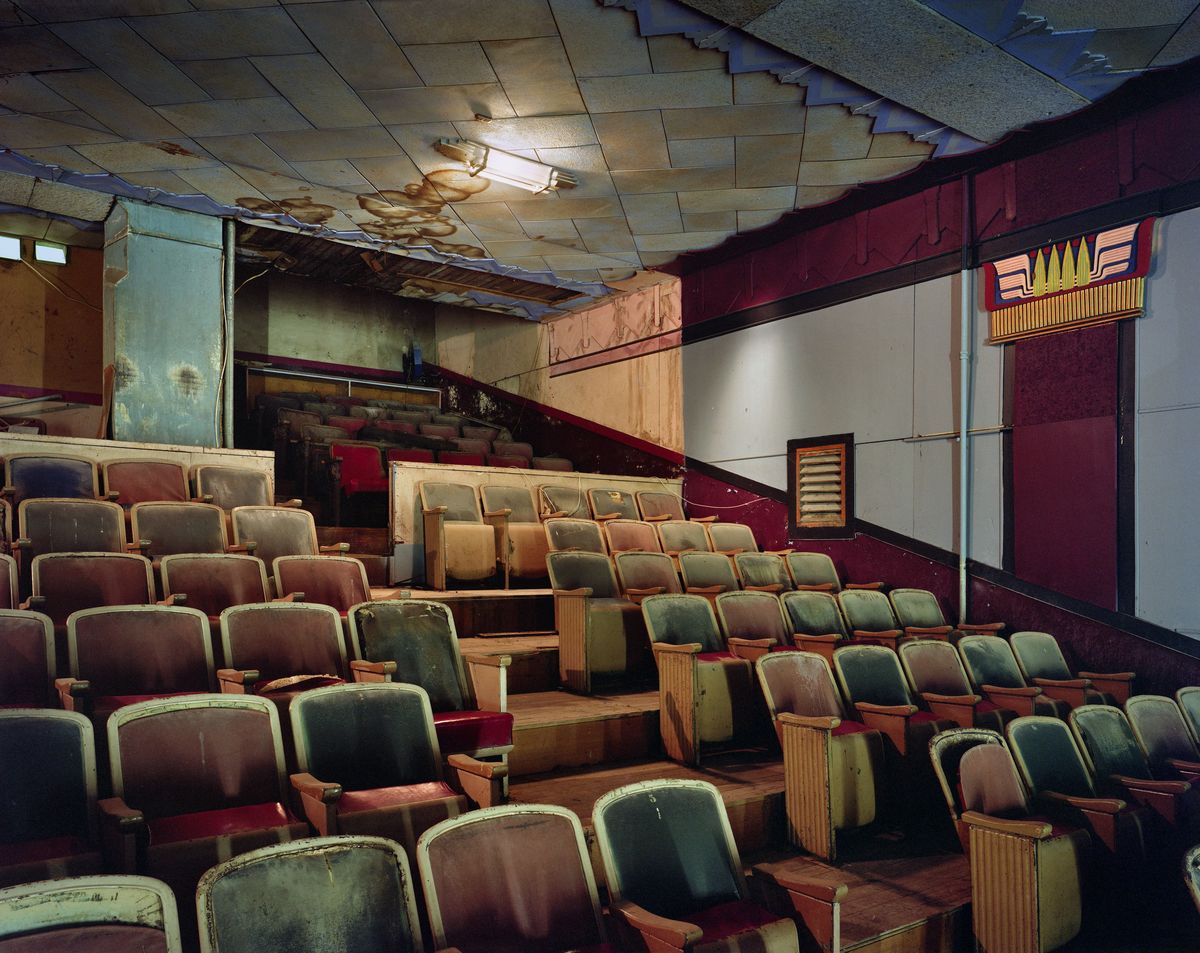
A Place Everyone Remembers, But No One Photographed
An abandoned cinema where half the city’s childhood took place. Readers sent in their memories—and from them, a collective portrait of a place that no longer exists has been compiled.
No one specifically took pictures of the cinema—it was simply part of life. Now, its photographs are being gathered piece by piece: some people have a picture against the backdrop of a poster, others have a ticket stub, and some have only memories. These fragments combine to form the portrait of a place that is gone.
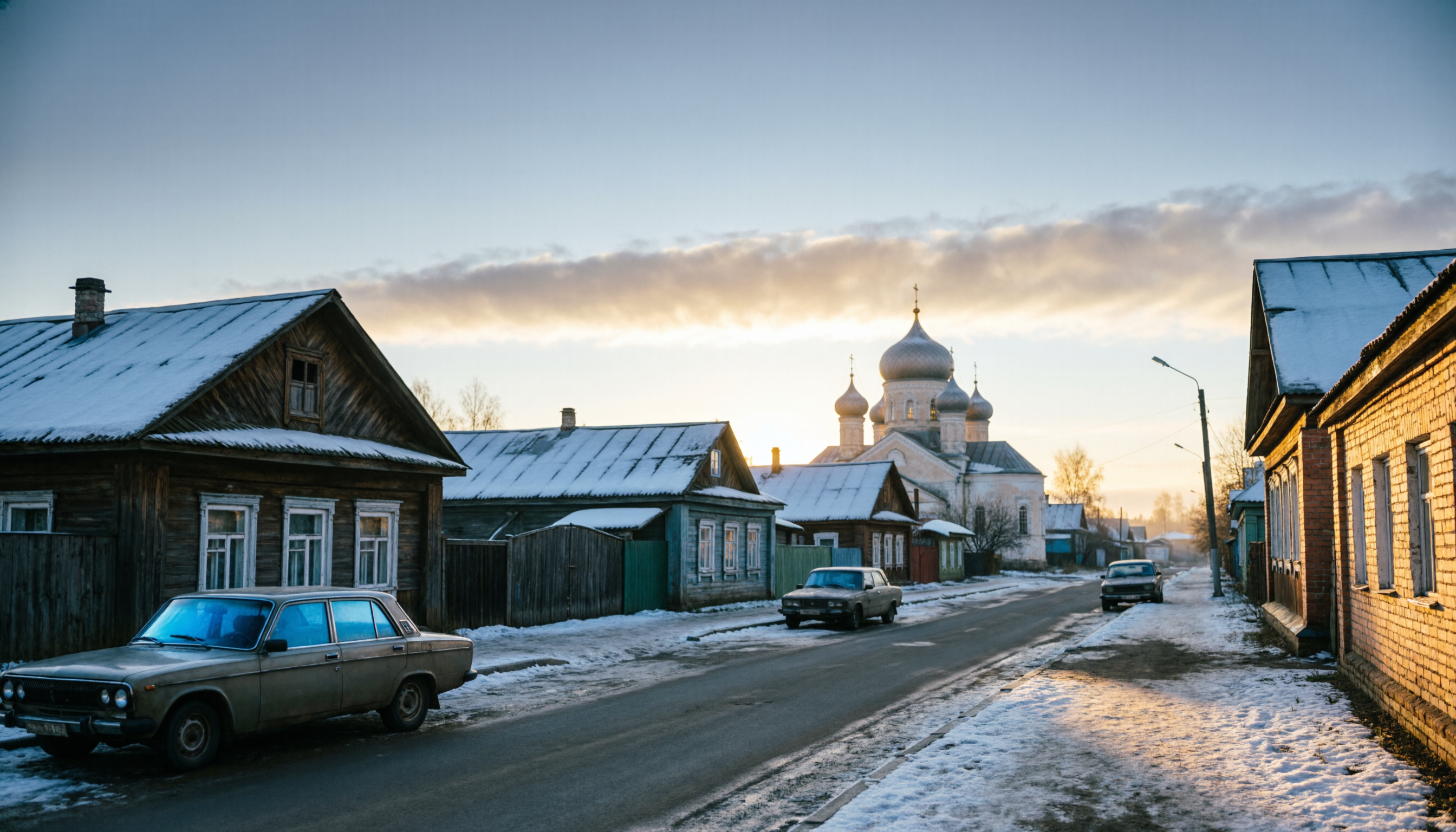
Neural Network Depicts Our City
Neural networks were given descriptions of cities provided by local residents—and they generated images. These are compared with actual photographs, prompting readers to ask: what did the neural network capture, and what did it miss? This sparks a conversation about how we perceive our own cities and what remains beyond any description.
The experiment turns out not to be about technology, but about perspective. The neural network shows how a city looks from the outside, while locals see it from within, complete with details that are impossible to articulate. And it is in that divide that a city becomes what it is.