
Scary English концепт
Media Concept

Scary English
A Telegram assistant channel for those who aim not only to study English but also to immerse themselves in a linguistic environment in daily life; for those who want to blend learning with leisure.
The media concept is that the channel offers subscribers curated selections of books ranging from B1 to C3 and provides a tailored vocabulary list for the most frequently encountered words in each book. This helps memorize vocabulary more effectively, allows users to revisit it if needed, and reduces the time spent searching for contextual translations.
To maintain reader motivation, the channel primarily features gripping books in the genres of thriller, provocative prose, and psychological horror.
Main Platform: Telegram
Publication Topics: Helpful posts about reading in English
A purchase link from an online marketplace will be attached to the book posts. This advertising will solve the channel’s monetization problem. Depending on the channel’s capacity and revenue, the post frequency can be increased.
Thematic Plan
Thematic Post Categories
Seasonal Publications
The thematic plan for the semester will revolve around seasons. Consequently, the selection of literature will be tied to the time of year and holidays, even though the genres themselves will remain unchanged. For instance, in winter, a post about Wells' «The Invisible Man» will be published because the novel’s action takes place during a snowstorm. Nabokov’s «Lolita» will feature in a spring post, and so on.
Posting Frequency
Publications are scheduled to be posted four times a week.
Various Formats
Posts will not only suggest books for reading but also help train vocabulary, discuss translation nuances, and offer advice to readers at various language proficiency levels. This alternation doesn’t overwhelm subscribers, helping them learn something new every week in a concise format.
Content Sample No. 1
Classic Book Review
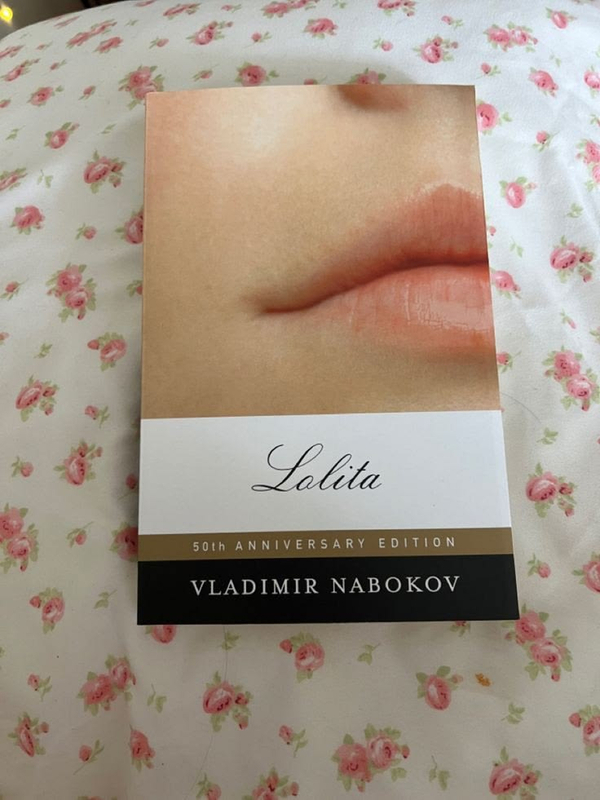
Lolita, Nabokov
C3 ≈ 300 pagesThis novel is Nabokov’s most difficult and expensive to create. The book is narrated by Humbert Humbert, a man consumed by an unhealthy obsession with young teenage girls. The majority of the work focuses on his encounter with Lolita, his feelings, and the development of their «relationship.» For those who appreciate provocative prose, exquisite language, and a wealth of references to popular culture, philosophy, and mythology—the novel will not disappoint.Lexiconinsidious — treacherous woeful — pitiablefey — doomed coeval — contemporary ineffable — indescribable feline — cat-like furnace — stove insolent — impudent unfastidious — delicate ignominious — disgraceful feasible — attainable preposterous — absurd atrocious — dreadful inveigle — entice unwieldy — cumbersome concoct — fabricate excruciating, poignant — agonizing benevolent — kind guileless — artless reticence — reserve persevere — persevere hapless — unfortunate scarcely — barelyWhere to Buy The work is impossible to fully comprehend without footnotes; therefore, we provide a link to the book featuring an annotation by the renowned literary scholar and critic Alfred Appel Jr.: https://www.ozon.ru/product/the-annotated-lolita-1623388389/?at=1lKp1Rb9wjSFgEk4ovZA7bnViTWDbJ9B&sh=ui6ZusiB0A For those who only require the text without extras: https://www.ozon.ru/product/lolita-knigi-na-angliyskom-yazyke-dlya-chteniya-knigi-na-angliyskom-yazyke-v-originale-knigi-na-233586899/?at=1lKp1_0DmGdkhYY8Y8eDimFiLV6c9ANm&sh=ui6ZugcQAQContent Sample #2
Lexical Analysis
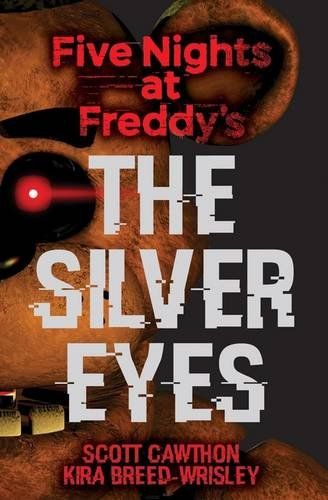
Lexical Drill
Today we are dissecting vocabulary from Scott Cawthon’s book, «The Silver Eyes»:Obstinacy — stubbornness His obstinacy prevented him from admitting that he was wrong, even when everyone presented clear evidence.Ensnare — to trap The hunters used a clever trap to ensnare the wild animal without harming it.Shroud — covering A thick shroud of fog covered the valley, hiding the houses from view.Feeble — weak The old man’s feeble voice could barely be heard over the noise of the crowd.Vital — essential The scientists examined the seeds under a microscope to determine whether they were still vital after decades of storage in the frozen vault.Vigorous — vigorous, energetic The vigorous river rushed down the mountainside, sweeping away everything in its path.Attach — to affix Please attach the receipt to the application form before submitting it.Nebulous — vague His plans for the future were still nebulous, consisting only of vague dreams and hopes.Malevolent — malicious The villain in the story gave the hero a malevolent look before disappearing into the shadows.Content Sample #3
Interesting finds for beginners
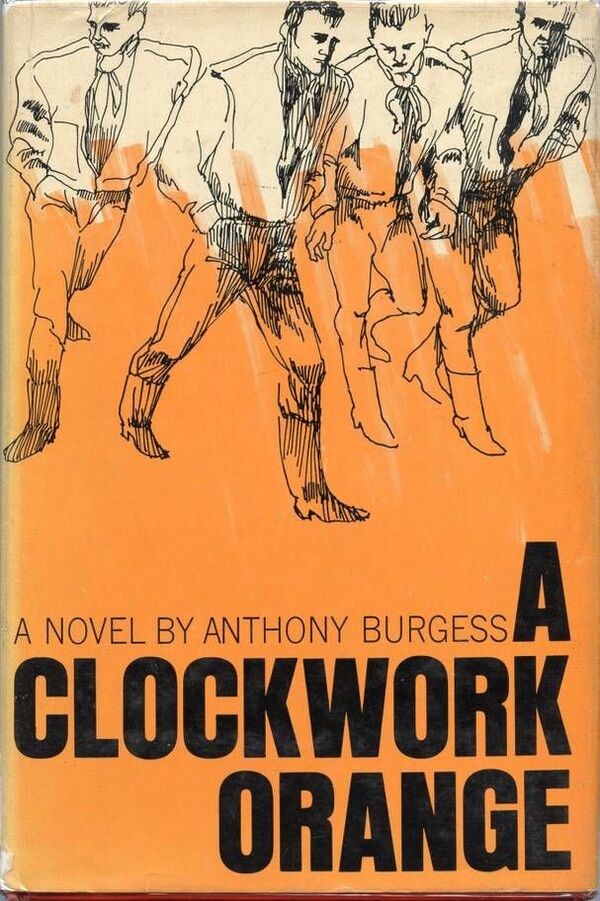
The Situation Where a Russian-Speaking Reader Finds the Book Easier to Understand Than Native Speakers
When I first started reading books in the original language, I came across «Clockwork Orange» by Anthony Burgess. The main distinction of the work is that the book includes a glossary of slang words used by the protagonist and his circle. For an English-speaking reader, these words are incomprehensible, forcing them to constantly look up their meanings. For us, these words are obvious:Droog — friendDevochka — girl
Kashl — cough
Mozg — brain
Noga — leg
Horrorshow — good, well
Moloko — milk
Nozh — knifeInitially, there might be difficulty guessing these words among actual English vocabulary, but if you learn the rules of English pronunciation, you will easily understand whether you are dealing with slang or just an unfamiliar word.
Content Sample #4
Translation pitfalls
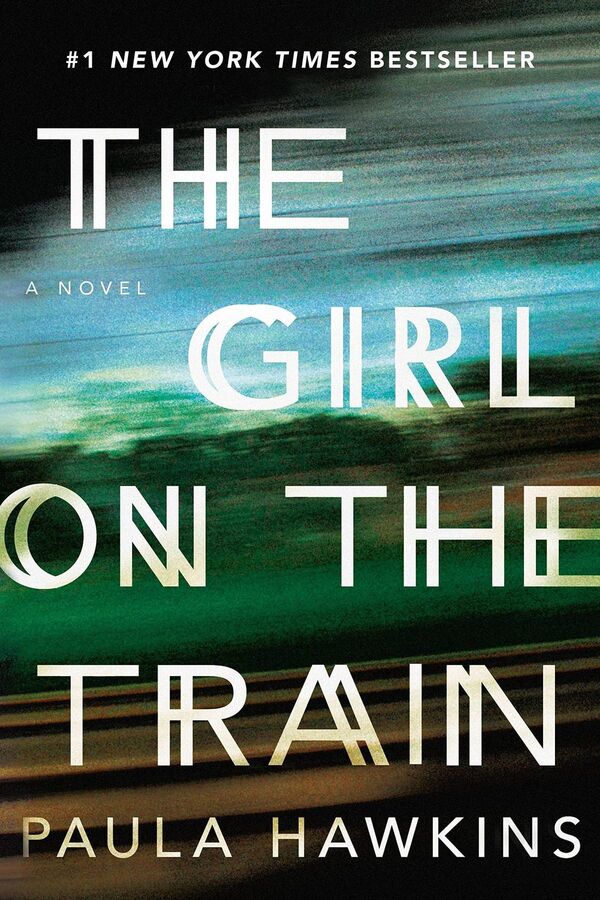
Words You Might Translate Incorrectly
The Girl on the Train, Paula Hawkins
In a thriller, one misunderstood word—and you no longer know who is lying and who is the victim. Here are five traps from this book that almost everyone falls into.
- to be on edge ❌ «to be on the edge» ✅ «to be nervous, on edge»
Rachel is always on edge when she passes the house. Rachel is always tense when she drives past that house.
- to black out ❌ «to color black» ✅ «to black out, to have a memory gap (from alcohol)»
She blacked out again that night. She blacked out again that night.
- a witness / to witness ❌ «witness» only in a legal sense ✅ often «to be a witness, to see with your own eyes» (not in court)
Nobody witnessed her leaving the house. Nobody saw her leaving the house.
- to get away with (something) ❌ «to leave with something» ✅ «to get away with it, to escape punishment»
He thought he could get away with it. He thought he could get away with it.
- creepy ❌ «crawling, like a bug» ✅ «eerie, chilling»
There was something creepy about the way he smiled. There was something eerie about the way he smiled.
Conclusion
Don’t read these words in isolation; read them in a sentence—context is often more important than a dictionary.
Content Sample No. 5
Original Vs. Translation
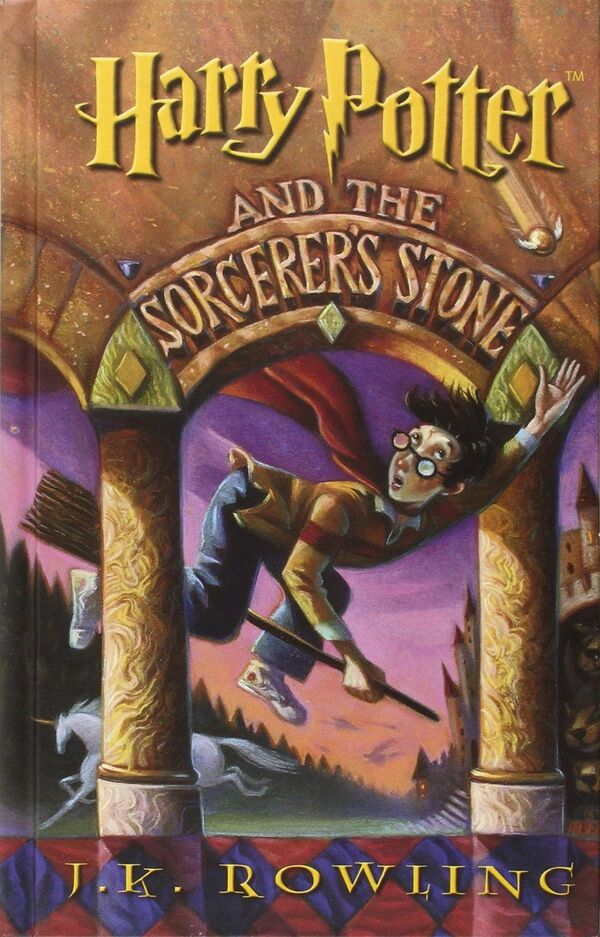
Why Read in English?
Harry Potter and the Philosopher’s Stone, J.K. Rowling
1. Wordplay and Character Names In the original, many names and titles function as puns: Diagon Alley (resembling «diagonally»), Knockturn Alley (derived from «nocturnally»).
2. Characters' Natural Speech Hagrid uses colloquialisms and dialect («Yer a wizard, Harry» instead of «You’re a wizard»), while Dumbledore employs ornate constructions. Adaptations smooth everything out into «correct» English—and you lose the original’s main advantage: the habit of engaging with authentic, unpolished speech.
3. Humor and References Many jokes rely on British realities and wordplay—they are the first things to disappear upon simplification. It is these elements that make reading in the original a pleasure, not an exercise.
Content Sample #6
Letter of Recommendation
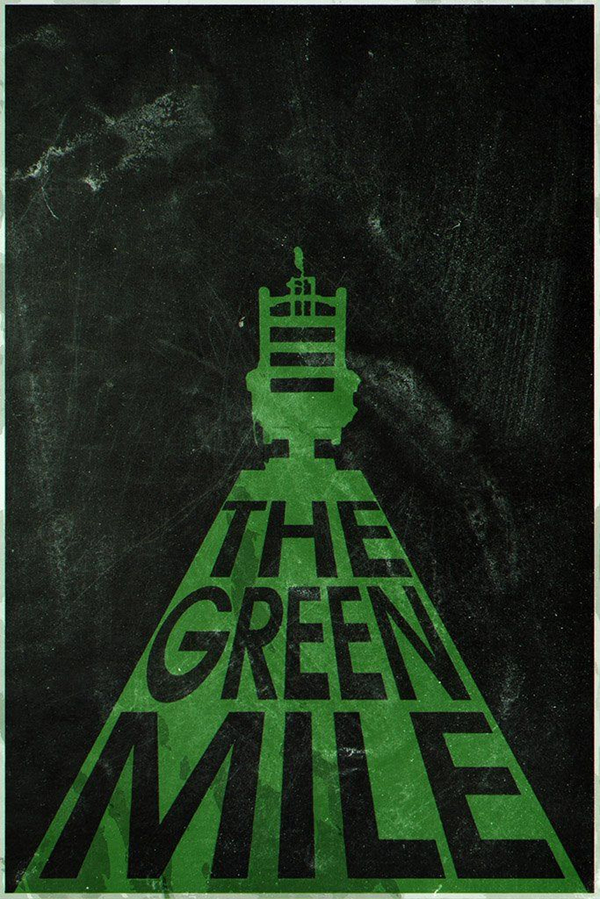
Book of the Month
The Green Mile by Stephen King B1-B2 433 pagesSome might find this book cliché or boring, but I was pleasantly surprised when I started reading it. My introduction to King began with translated, lesser-known books, none of which I ever finished: they were dull and poorly written. «The Green Mile» is rightly considered one of King’s masterpieces. The plot is gripping, the characters are vivid, and it features dialects and linguistic quirks of the time—for example, the Black inmate refers to himself in the third person: «I is tired.» In those years, the Black population had not yet been literate, which affected how they spoke.The book and its ending left a melancholy feeling, although it provokes deep thought. This is one of those rare instances where the author doesn’t try to hook the reader with a meaningless but thrilling plot; instead, they aim to convey their philosophy, make us think about our world and society, and perhaps even change ourselves.Where to Buy: https://www.ozon.ru/product/zelenaya-milya-kniga-na-angliyskom-yazyke-dlya-chteniya-kniga-na-angliyskom-yazyke-b2-kniga-na-1136190530/?at=1lWp1V8XWQJPAom42oXOekDomzWiE4uj&sh=KMkZOtAEqQContent Sample #7
Don’t give up halfway.
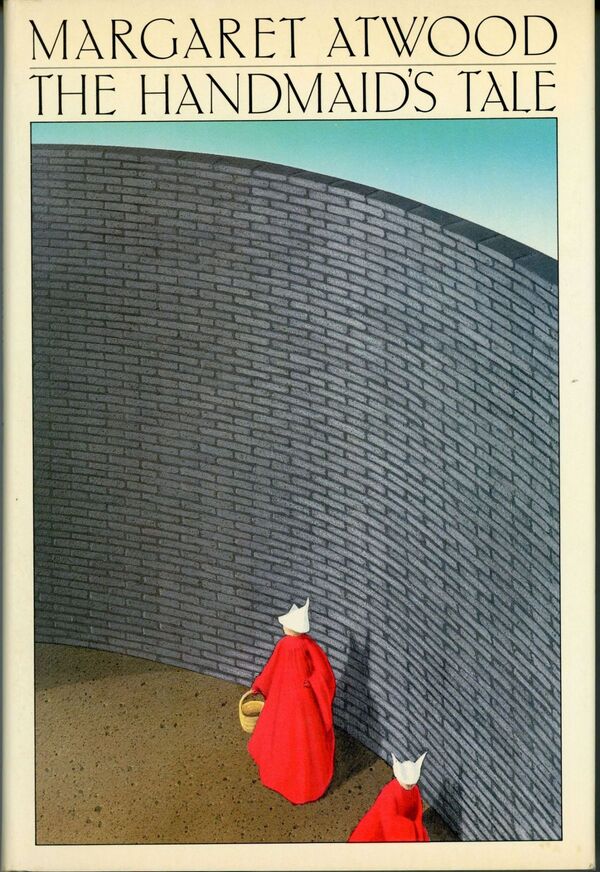
Did you quit at page 50? This is where the book catches you
The Handmaid’s Tale, Margaret AtwoodHonestly, the first ~40 pages of this book are a trial. The world isn’t explained, terms aren’t defined, and the protagonist speaks in riddles. Many people give up right here. But that’s a mistake—here is what happens next and why you should hang in there.Why the beginning feels heavy (and it’s intentional): Atwood deliberately doesn’t give you a «world tour.» You, like the protagonist, are thrust into an unfamiliar reality without a map—and you gradually piece it together from fragments. This isn’t bad writing; it’s a device: the reader feels what the narrator feels.Where the turning point arrives (no spoilers): ~Pages 50–70: The first flashbacks appear—and you start to understand how the world came to be this way. From this moment on, the book reads like a detective story: you want to assemble the puzzle of «what happened before.» Next, the conflict between the protagonist and the system is introduced—and the question «what will she do?» emerges. That is what sustains the reader until the end.Why you won’t quit after the turning point: — The world stops being a riddle: terms (Handmaid, Commander, Ceremony) gain meaning from the context, not from footnotes. — Intrigue surfaces: the protagonist holds a secret, and you wait to see if it will be revealed. — The language becomes «palatable»: short, clipped phrases begin to build tension rather than create obstruction.A Tip for Getting Started Don’t try to understand everything at once. Read the first 50 pages with trust—as if the story is being told to you in fragments. And keep a glossary handy: half of the difficulty here isn’t grammar, but the lexicon of this new world (we’ll cover that in a separate post).Content Sample #8