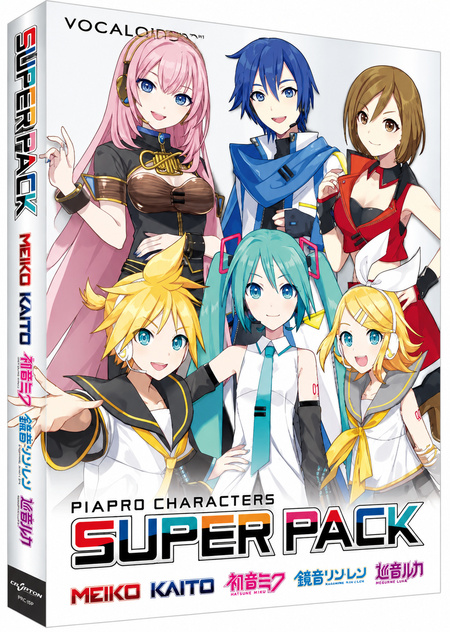
Vocaloid is a human voice synthesis technology that allows for the creation of vocal parts without the participation of a real singer. With its advent, music gained a new direction of development, in which the digital voice became not just an instrument, but an independent artistic persona.
Vocaloids have significantly influenced the music industry, internet culture, and the methods of self-expression for contemporary performers. They have changed perceptions of who can be an artist, how music is created, and the role the human voice plays in it.
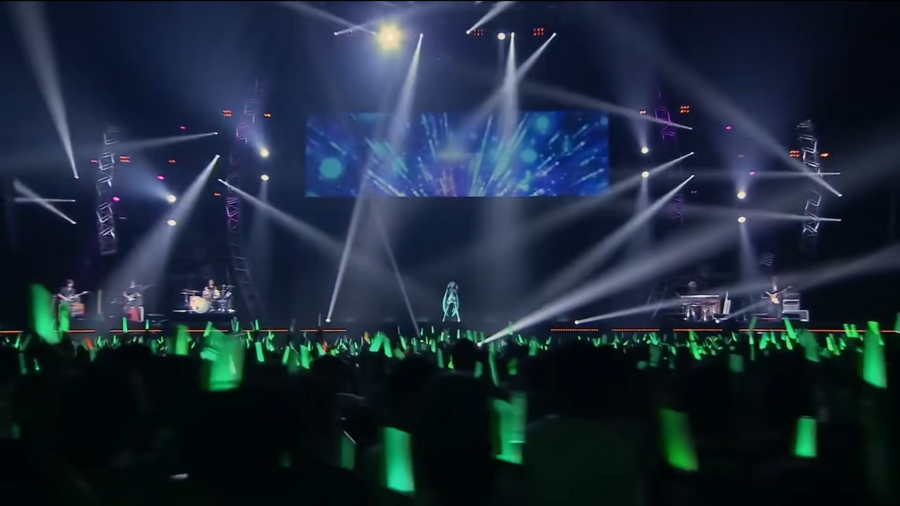
Miku Hatsune 2016 Concert
Vocaloids helped foster a distinct musical culture that merges electronic music, J-pop, rock, and experimental sounds. The synthetic voice allowed composers to utilize unusually high notes, rapid vocal passages, abrupt transitions, and complex melodies that would be difficult for a human to perform. Vocaloid music is often characterized by its emotional intensity, high speed, contrasting sonic textures, and unconventional compositional choices.
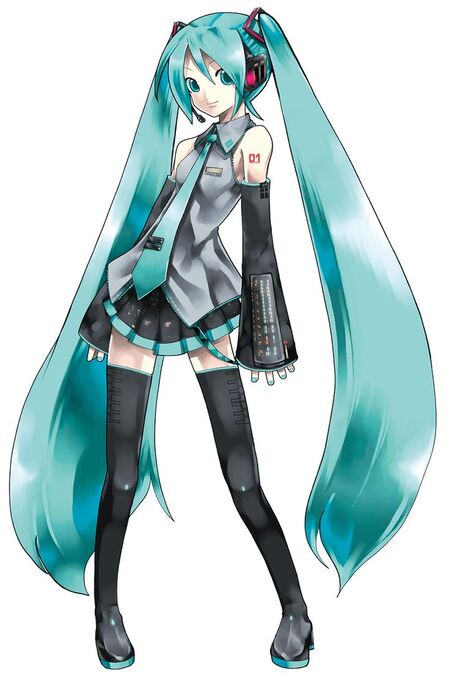
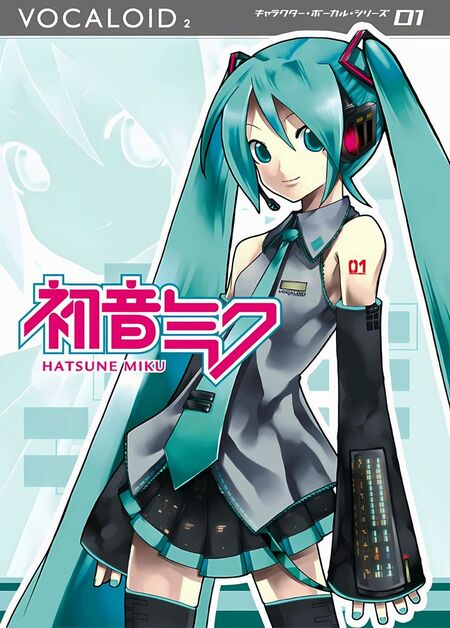
Official character design from the company
Hatsune Miku
Hatsune Miku, released in 2007 by Crypton Future Media, has become one of the most famous virtual musical characters globally. Her popularity demonstrated that a musical performer can exist in digital space while still gathering a massive fanbase.
Unlike traditional artists, Mika doesn’t have a single songwriter. Thousands of composers create music using her voice, forming a massive collaborative musical culture.

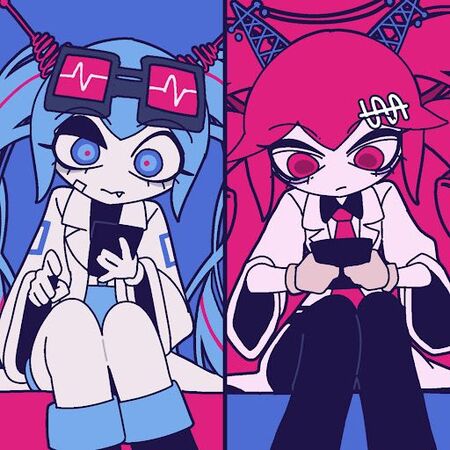
signaling and Obsolete Meat
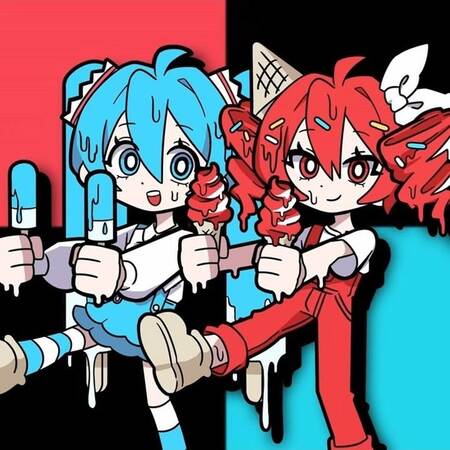
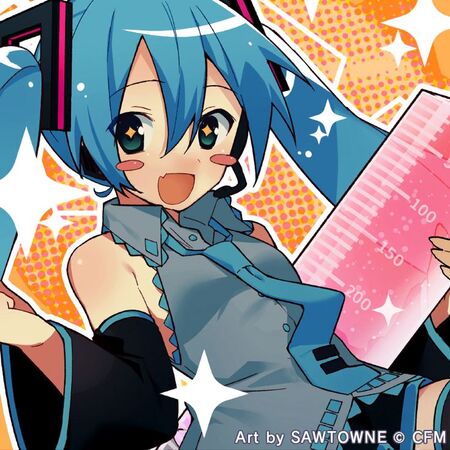
Melt ice cream and M@GICAL☆CURE! LOVE SHOT!
Mesmerizer
Satsuki feat. Miku & Teto
The Vampire
DECO*27
Hello Sekai — DECO*27
Don’t Believe in T — PinocchioP
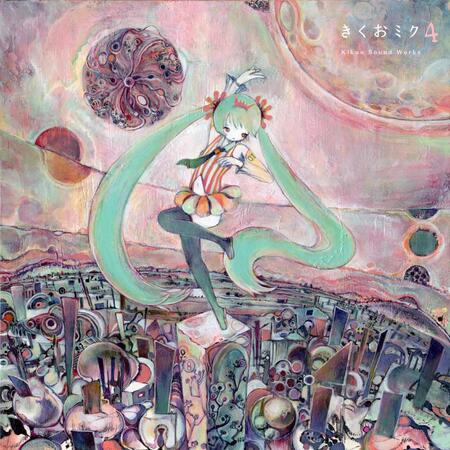
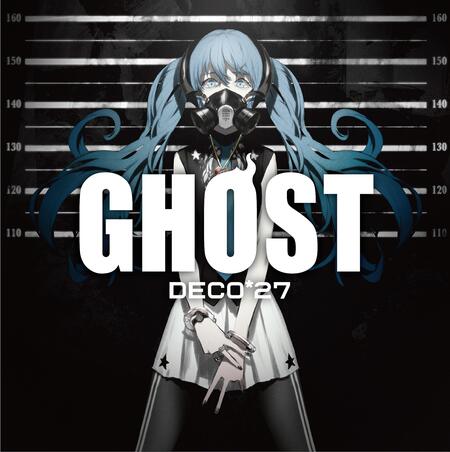
Kikuo Miku 4 — Kikuo and GHOST — DECO*27
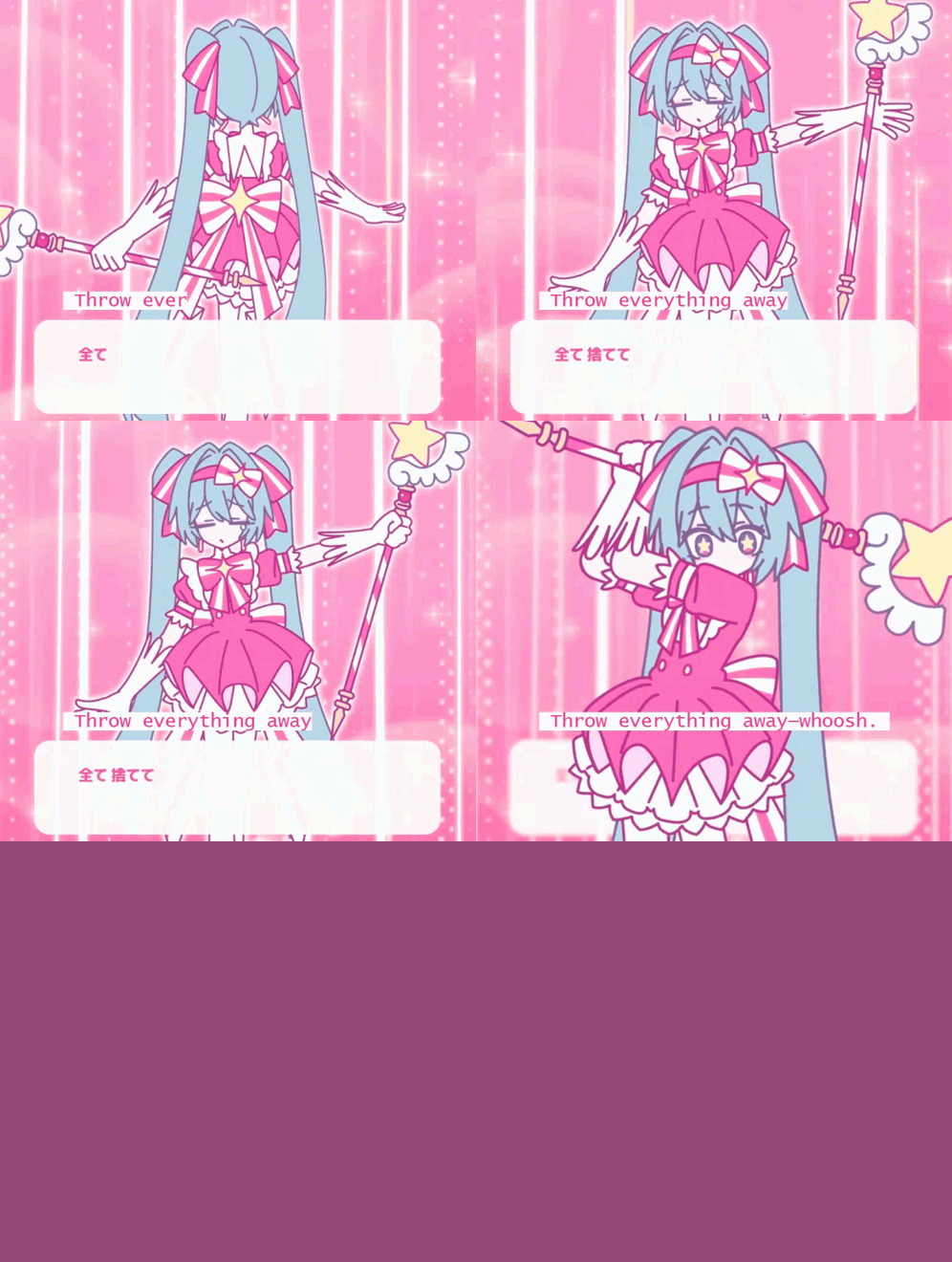

Retry Now
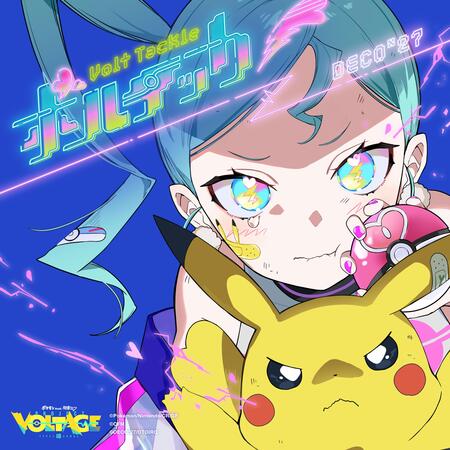
Volt Tackle DECO*27 × Pokémon and Non-Breath Oblige — PinocchioP
Vocaloid has played a vital role in the development of internet music creativity. Platforms like Nico Nico Douga and YouTube allowed independent creators to publish their compositions and find listeners without the support of major music corporations.
Creative communities have formed around Vocaloids, where musicians, artists, animators, and designers collaboratively create works. A single song can inspire an artist to create an illustration, an animator to produce a music video, or another musician to offer their own interpretation of the composition. In this way, Vocaloids have become not just a musical technology, but a tool for collective creativity.
Some musicians who began by creating Vocaloid compositions later became renowned performers and producers.
Kenshi Yonezu began releasing Vocaloid music under the pseudonym Hachi.YOASOBI — a member of the duo Ayase, who previously created compositions with Vocaloids.Eve is a Japanese musician whose work is closely connected to internet and Vocaloid culture.
Altering the Perception of the Human Voice
One of the most fascinating consequences of the emergence of vocaloids has been the shift in how we perceive the voice as a musical instrument. Previously, vocals were primarily understood as an expression of human emotion. Vocaloids demonstrated that an artificially generated voice can also convey sadness, joy, loneliness, and other feelings. Furthermore, the emotional resonance in vocaloid music stems from the composer’s work, the melody, the lyrics, and the listener’s perception. This raises an important question: must a musical performer be human for their work to evoke genuine emotion?
The Japanese virtual diva «Hatsune Miku» will perform at the venue in Taipei. (Provided by Kuanhong Art)
Influence on Visual Arts
Vocaloids have influenced not only music but also visual culture. Their songs are often accompanied by original illustrations, animated clips, and experimental graphics. The visual image becomes an intrinsic part of the musical work, helping to convey the mood, narrative, and character of the composition.
The unique quality of Vocaloids is that the same character can look completely different depending on the artist’s style. This makes Vocaloid culture a space for constant experimentation with design and visual storytelling.
Other Vocaloids and Their Influence on Music Culture
In addition to Hatsune Miku, there are many other Vocaloids, each possessing its own unique voice, sonic character, and visual identity. Some of them have become independent symbols of Japanese internet culture and have inspired musicians to create new genres and unconventional musical pieces.